



Middle East Conflict Impact on Cross-Border E-Commerce | Supply Chain Disruption & Market Recovery Opportunities
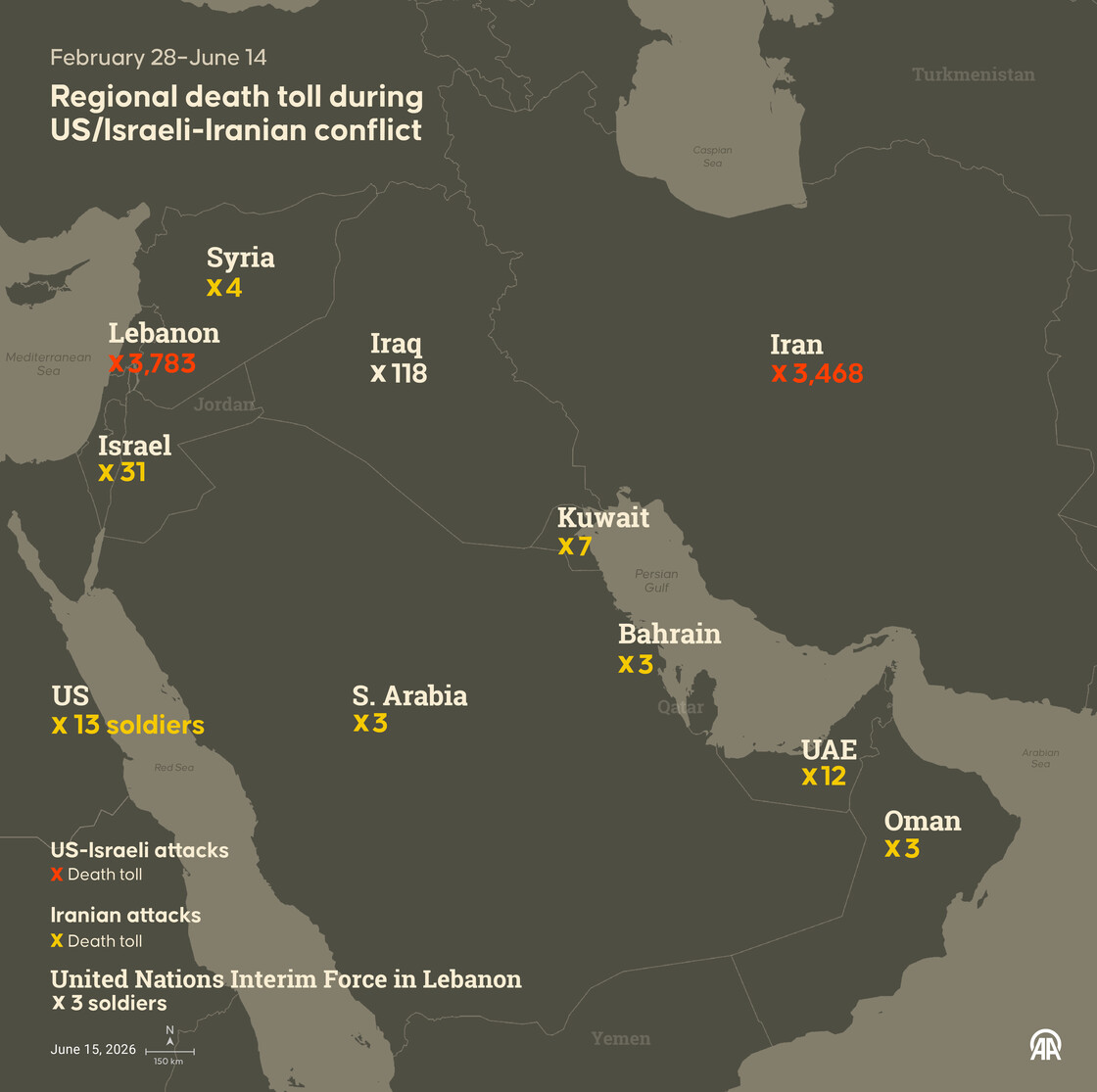
- Ceasefire agreement ends February-April conflict affecting 7,300+ deaths across Iran, Lebanon, Iraq; internet blackouts and infrastructure damage disrupt regional e-commerce logistics and consumer purchasing for 3-12 months

Overview
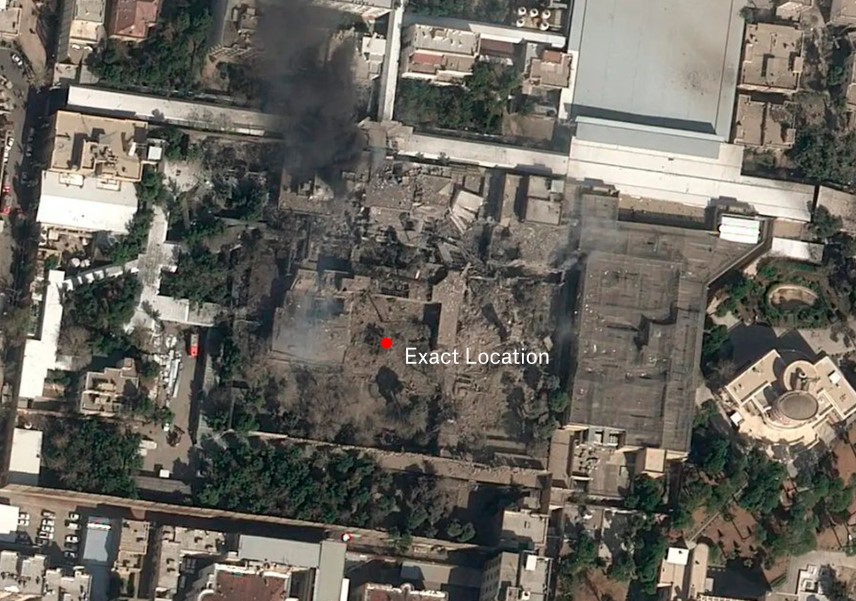
The February-April US-Israeli conflict with Iran has created significant disruptions to cross-border e-commerce operations across the Middle East region, with documented casualties exceeding 7,300 in Iran and Lebanon alone. Beyond the humanitarian toll, the conflict has triggered critical operational challenges for sellers: internet shutdowns and media restrictions in Iran have severed digital commerce channels, damaged infrastructure in Lebanon has disrupted logistics networks, and regional instability has compressed consumer purchasing power across Iraq, UAE, and broader Gulf markets. Dr. Iain Overton from Action on Armed Violence emphasizes that "access restrictions, damaged infrastructure, and political sensitivities have severely hampered accurate reporting," which directly translates to supply chain visibility challenges for e-commerce operators managing inventory, fulfillment, and customer communications in affected zones.
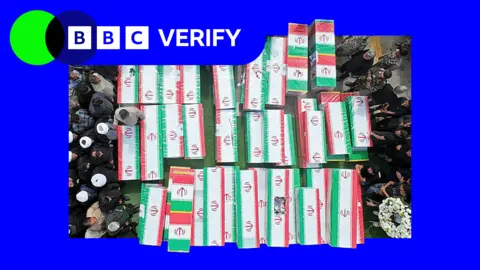
For cross-border sellers, the conflict creates three distinct operational impacts: First, logistics disruption affects sellers shipping to/from Iran, Lebanon, and Iraq—major Middle East e-commerce hubs. Internet blackouts documented during the conflict period have disabled payment processing, order tracking, and customer service capabilities for 4-8 weeks, forcing sellers to rely on alternative communication channels and delaying fulfillment by 2-3 weeks. Second, consumer demand compression in conflict-affected regions reduces purchasing power; Lebanese health authorities confirmed 3,912 deaths including 366 women and 247 children, indicating household income loss and reduced discretionary spending on non-essential categories (electronics, apparel, home goods) for 6-12 months post-conflict. Third, supply chain sourcing risks emerge for sellers sourcing manufacturing or components from Iran—the documented 3,468 deaths (1,460 civilians, 2,008 military) and infrastructure damage have disrupted production capacity, forcing alternative sourcing strategies or 15-25% cost increases for Iran-dependent suppliers.
The post-ceasefire recovery period (April-December 2024) presents strategic opportunities: Regional reconstruction demand will drive growth in building materials, industrial equipment, and logistics services categories. Sellers positioned in UAE, Saudi Arabia, and Jordan can capitalize on regional redistribution hubs as Lebanon and Iraq rebuild infrastructure. Consumer confidence recovery typically follows 3-6 month lag after conflict cessation, creating pent-up demand in discretionary categories (electronics, fashion, home improvement) by Q3-Q4 2024. Humanitarian organizations and NGOs will increase procurement for relief supplies, creating B2B opportunities for sellers in medical supplies, water purification, and emergency equipment categories. The ceasefire announcement signals market stabilization, making this an optimal window for sellers to re-establish supply chains, rebuild customer relationships, and position inventory for recovery-driven demand surge.
Questions 7
What inventory adjustments should sellers make for Q2-Q4 2024?
Recommended inventory strategy: (1) Reduce Iran-destined stock by 40-50% until infrastructure stabilizes (6-month timeline), (2) Increase UAE/Gulf hub inventory by 30-40% to capture regional redistribution demand, (3) Pre-position recovery-category products (building materials, electronics, apparel) by June 2024 for Q3-Q4 demand surge, (4) Maintain 20-30% safety stock for humanitarian procurement opportunities. Adjust Amazon FBA and Shopify inventory forecasts downward for Iran/Lebanon zones through June 2024, then increase allocations for July-December based on recovery signals. Cost impact: expect 5-8% margin compression Q2-Q3 due to higher logistics costs and safety stock carrying costs, with recovery to normal margins by Q4 2024.
How long will internet blackouts and payment disruptions continue?
The ceasefire agreement (announced April 2024) signals conflict cessation, but infrastructure recovery typically requires 3-6 months for internet/telecommunications restoration based on Iraq and Syria precedent. Payment processing disruptions may persist 4-8 weeks as financial institutions rebuild systems and restore international banking connections. Sellers should prepare contingency plans: (1) establish offline order processing systems, (2) use alternative payment gateways (cryptocurrency, bank transfers) for high-value transactions, (3) communicate clearly with customers about potential delays. Monitor BBC Verify and Action on Armed Violence reports for infrastructure recovery updates; these organizations track real-time access restoration in conflict zones.