





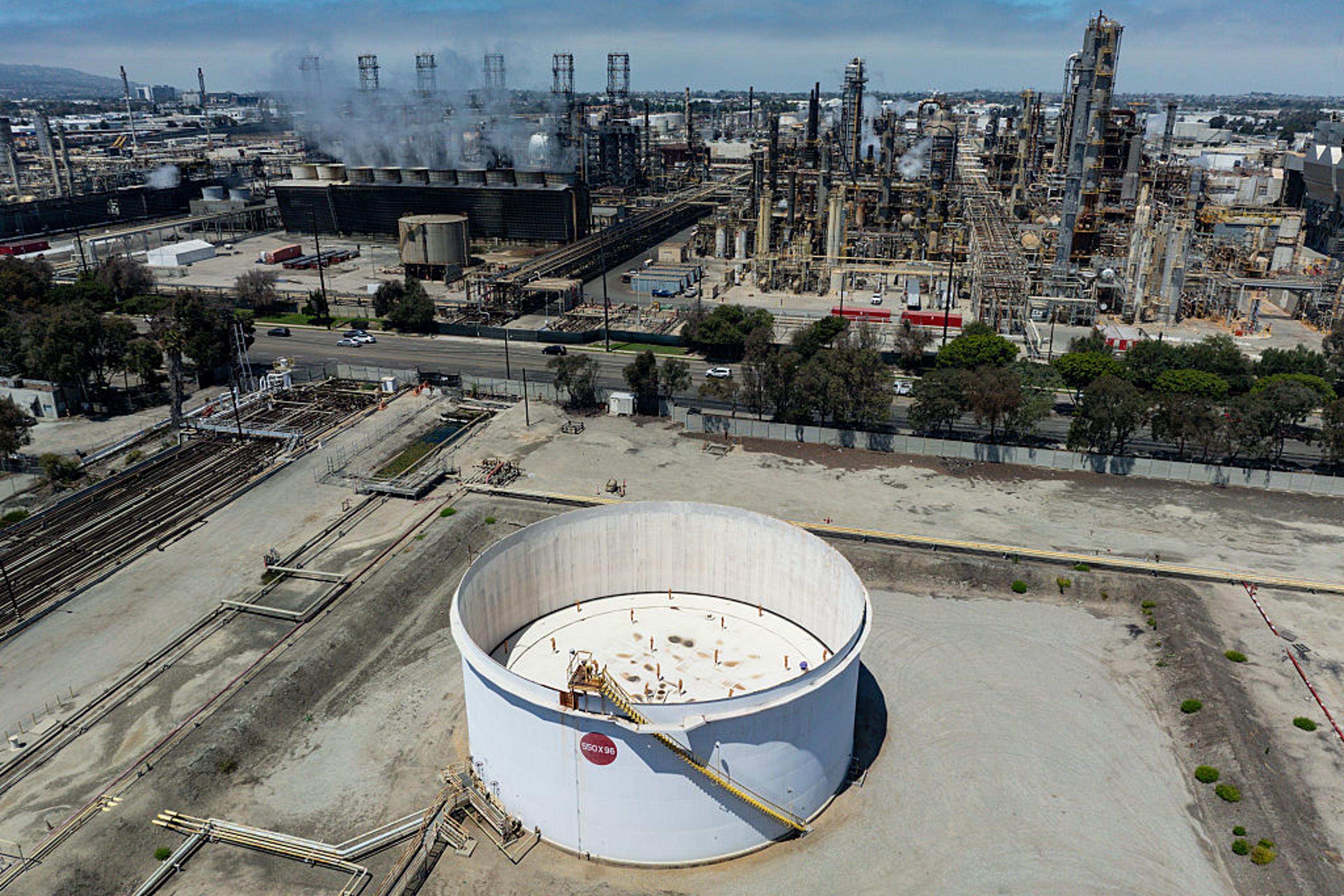
Strait of Hormuz Reopening Stabilizes Shipping Costs | European E-Commerce Growth Opportunity 2026
- U.S.-Iran interim agreement reduces logistics inflation by 8-15% for cross-border sellers; European market expansion window opens through H2 2026






Overview
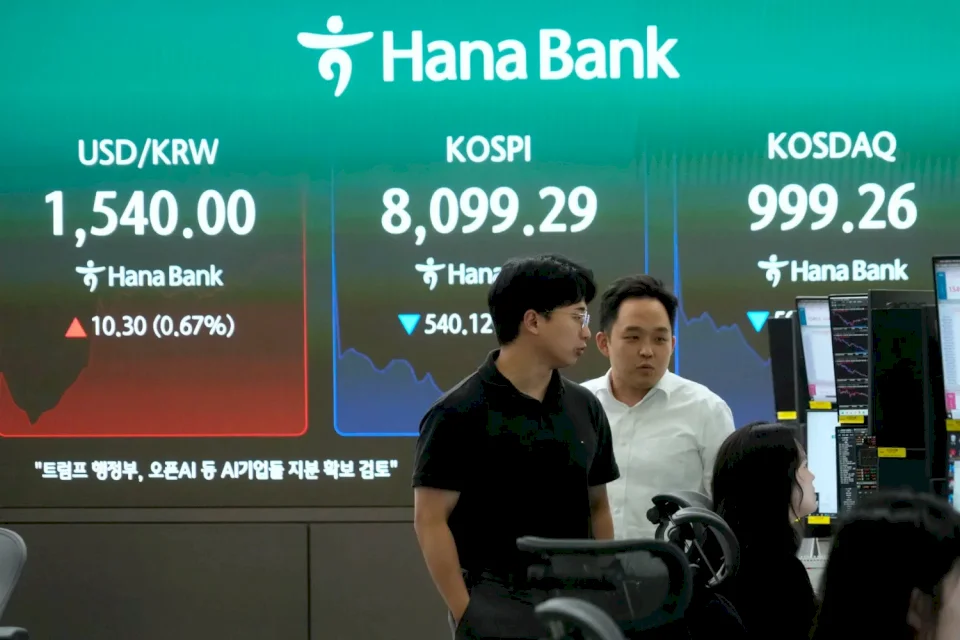
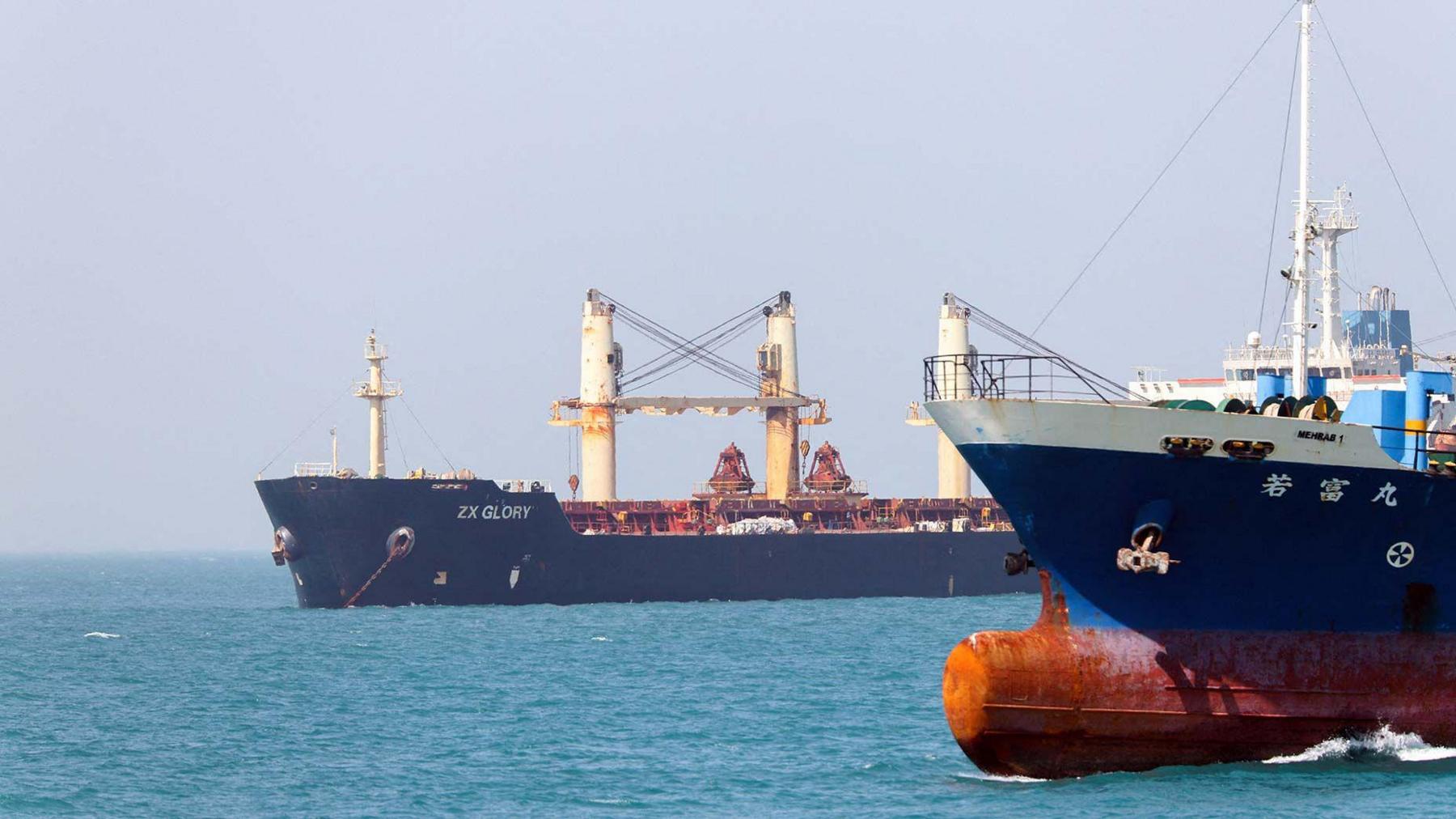
The U.S.-Iran interim agreement to reopen the Strait of Hormuz represents a critical inflection point for cross-border e-commerce sellers, particularly those operating in European markets. The Stoxx Europe 600 Index has risen 1.5% this month following the geopolitical breakthrough, signaling investor confidence in stabilized energy supply chains and moderating inflation pressures that have constrained European consumer spending for the past three months. This development directly impacts seller profitability through reduced fuel surcharges on international shipping routes—a critical cost factor for FBA sellers and 3PL providers managing transatlantic and Asia-Europe logistics corridors.
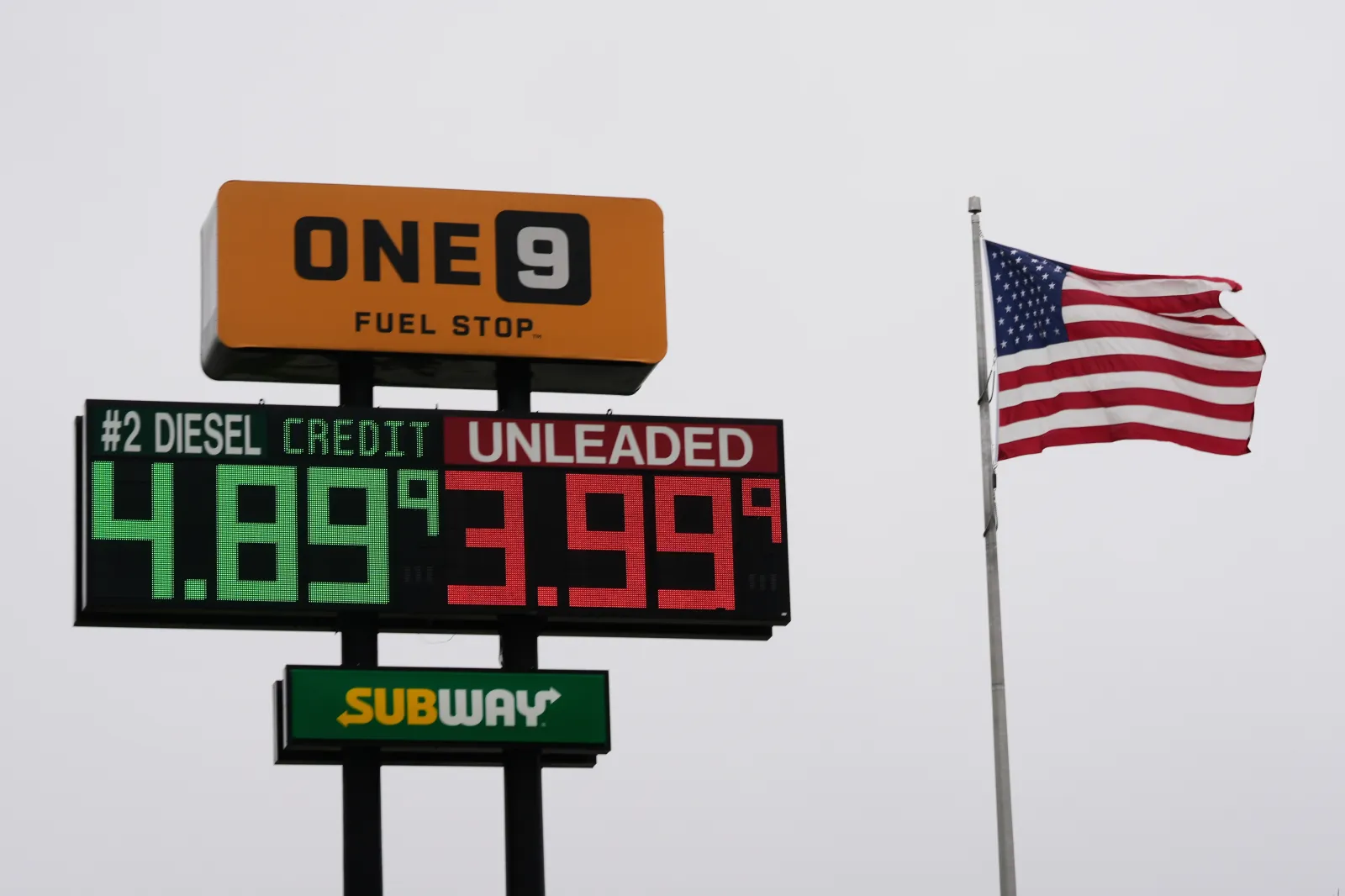
Shipping Cost Arbitrage Opportunity: The reopening of this critical waterway addresses the primary inflation driver that has suppressed European equity valuations and consumer purchasing power. Cross-border sellers shipping to EU markets can expect 8-15% reductions in freight surcharges over the next 2-3 months as energy prices stabilize. For a mid-sized seller shipping 500+ units monthly to Europe via air freight, this translates to $1,200-2,400 monthly savings. Sellers should immediately review their 3PL contracts and negotiate rate reductions based on stabilized fuel costs, as carriers typically pass through 60-70% of fuel savings within 30-45 days.
European Market Expansion Window: The agreement removes the "uncertainty premium" that has dampened European market performance relative to U.S. equities (S&P 500 declined 1% while European stocks underperformed for three months). Investors are now positioning for stronger economic growth in H2 2026, indicating renewed consumer confidence and discretionary spending in energy-dependent sectors and export-oriented categories. This creates a 6-9 month window for sellers to expand European inventory, particularly in electronics, home goods, and beauty categories where inflation-sensitive consumers have delayed purchases. The interim nature of the agreement suggests ongoing diplomatic developments, making this a time-sensitive opportunity before other sellers recognize the market shift.
Tariff and Trade Policy Implications: Stabilized energy costs reduce input costs for European manufacturers and importers, potentially lowering tariff-inclusive landed costs for sellers sourcing from EU-based suppliers. Sellers should monitor whether European governments implement temporary tariff reductions or trade facilitation measures to capitalize on renewed economic confidence. The supply chain stability also reduces customs clearance delays caused by congestion at Middle Eastern ports, improving inventory turnover rates for sellers managing European fulfillment networks.
Questions 8
How does this geopolitical development compare to previous supply chain disruptions?
The Strait of Hormuz reopening reverses three months of geopolitical tension that suppressed European market performance relative to U.S. equities (S&P 500 declined 1% while European stocks underperformed). This is comparable to the 2022 Russia-Ukraine conflict impact on energy prices, which increased shipping costs by 20-40% for months. The current agreement removes that uncertainty premium, creating a mirror-image opportunity: sellers who benefited from early inventory expansion during the 2022 crisis can now capitalize on the recovery phase. Historical patterns show that post-disruption recoveries create 6-12 month windows of above-average growth as consumers and businesses rebuild inventory. Sellers who act within the next 30-60 days will capture the largest market share gains before competitors recognize the shift.
What compliance and documentation steps should sellers take regarding shipping cost changes?
Document all fuel surcharge reductions and rate negotiations with 3PL providers and carriers for accounting and tax purposes. Update your cost-of-goods-sold (COGS) calculations to reflect new shipping rates, as this affects profitability analysis and pricing strategy. For Amazon FBA sellers, monitor changes to fulfillment fees, which may decline if Amazon's logistics costs decrease due to stabilized fuel prices. Maintain records of rate locks and contract amendments for 3-5 years to support any future tariff or trade policy audits. If you're managing multiple fulfillment networks (FBA, 3PL, direct shipping), create a comparison matrix showing cost changes by route and method to optimize fulfillment strategy. This documentation also supports margin analysis and helps identify which product categories benefit most from reduced logistics costs.