

)


Middle East Conflict Escalation Disrupts Supply Chains | Cross-Border Sellers Face Logistics Risk
- Regional instability threatens shipping routes through Suez Canal and Persian Gulf; 1M+ displaced persons signal humanitarian crisis demand; sellers shipping to/from Lebanon, Israel, Iran face 15-30% cost increases







Overview
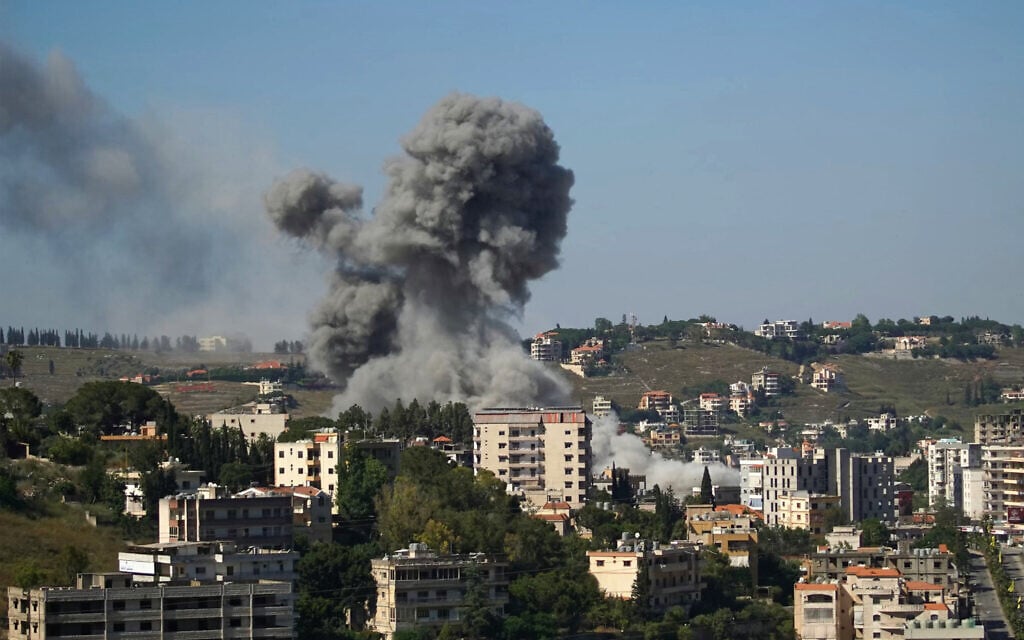
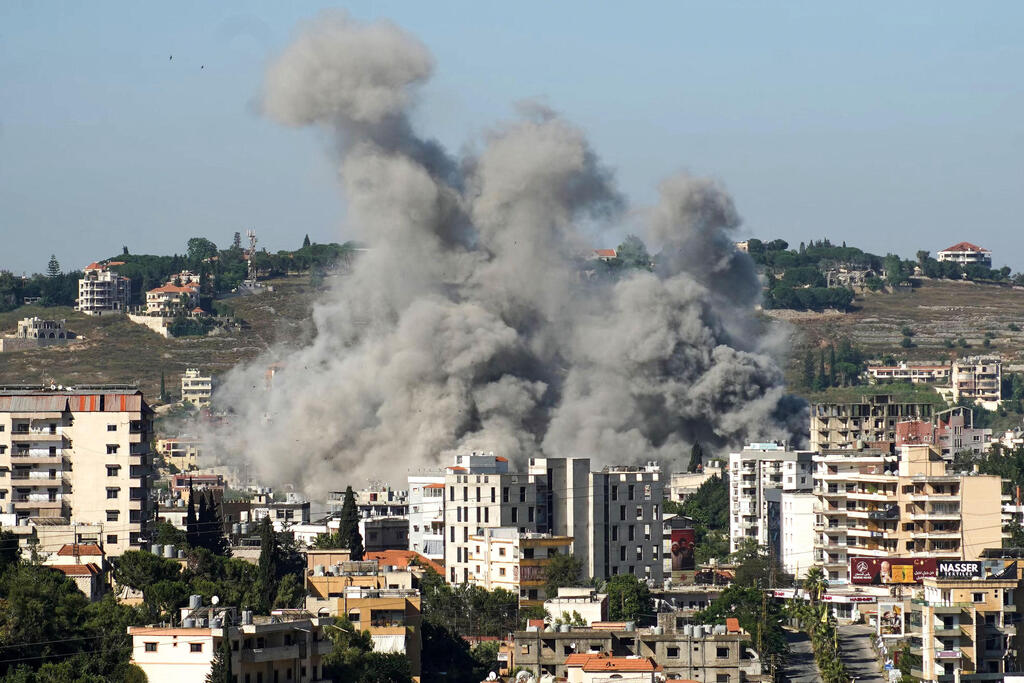
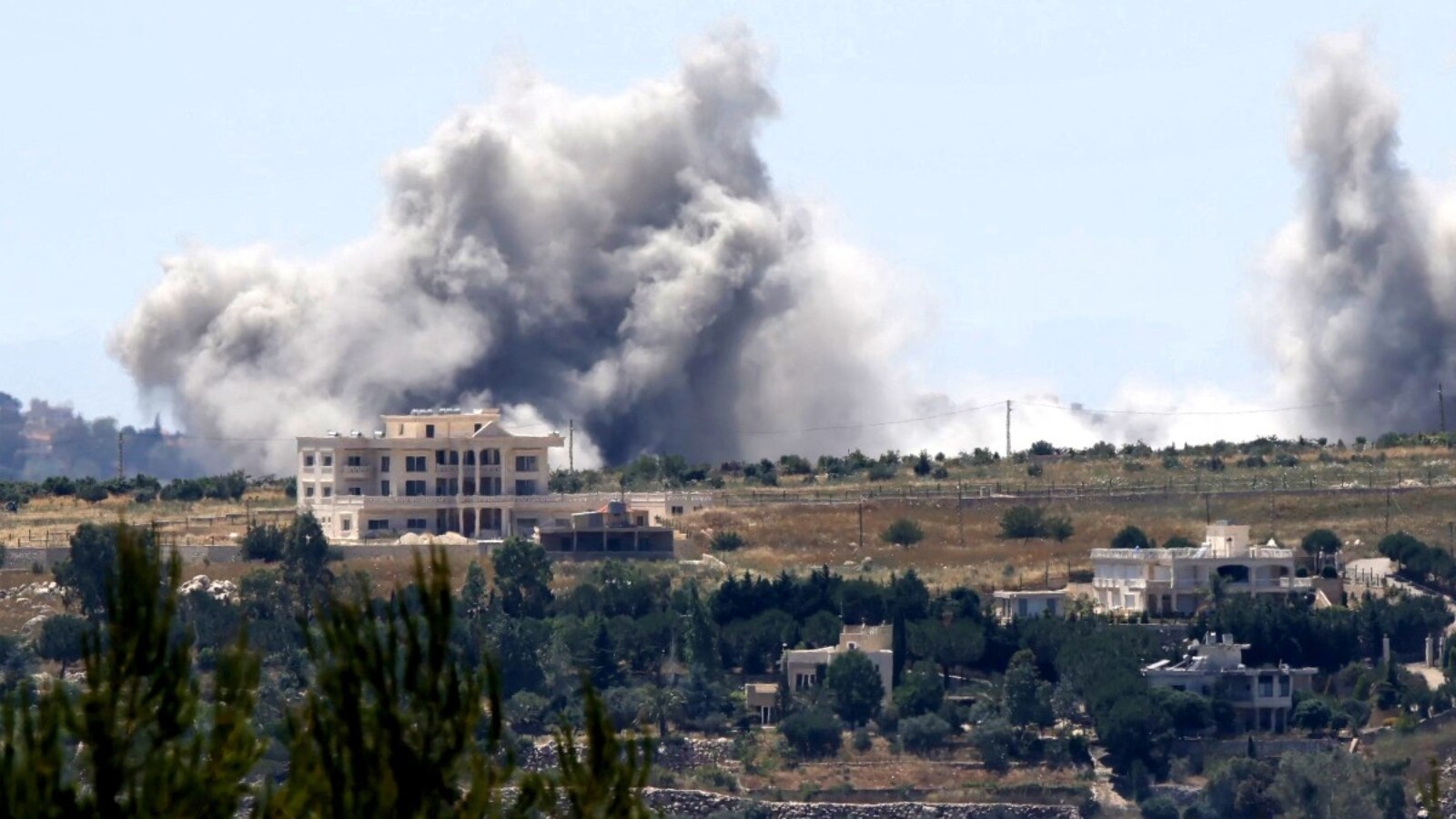
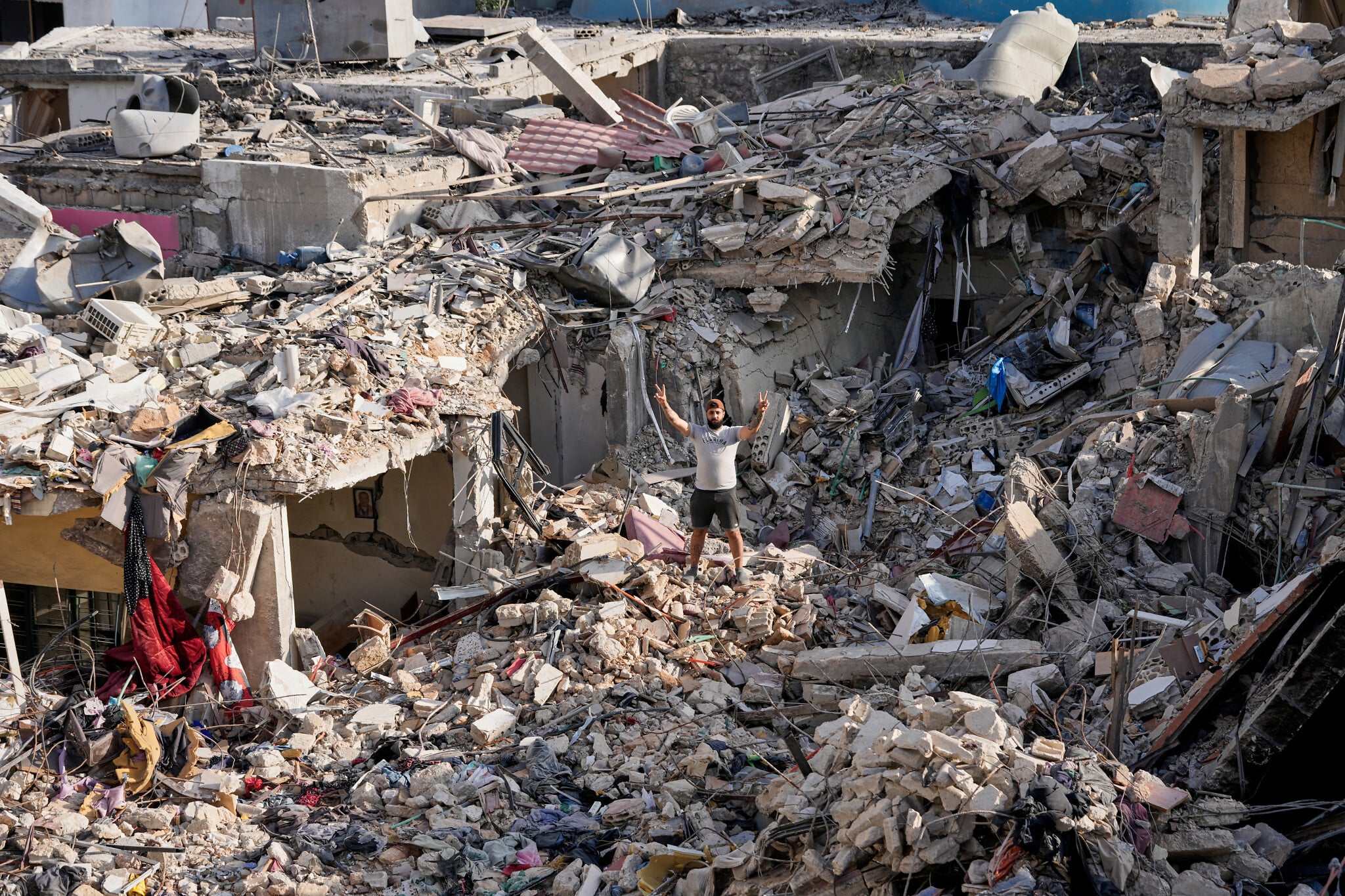
Regional military escalation on June 20, 2026, represents a critical supply chain risk for cross-border e-commerce sellers. Despite a US-brokered ceasefire announced Friday, Israeli forces conducted airstrikes killing at least 16 people in southern Lebanon within 24 hours, with Hezbollah firing 50+ projectiles in response. The conflict has displaced approximately 1 million people and destroyed dozens of communities, creating cascading logistics disruptions affecting three critical commerce corridors: the Suez Canal shipping route, Persian Gulf maritime lanes, and overland trade through Lebanon and Syria.
For sellers, the immediate operational impact centers on three areas: (1) Shipping cost inflation: Insurance premiums for vessels transiting the Suez Canal and Persian Gulf have historically increased 15-30% during Middle East conflicts, with some insurers imposing additional war-risk surcharges of $5,000-15,000 per shipment. Sellers relying on Asia-to-Europe routes via Suez face 2-4 week delays and 20-35% freight cost increases. (2) Market access disruption: Lebanon's ports in Beirut and Tripoli operate at reduced capacity due to security concerns; sellers with inventory in Lebanese warehouses or 3PL facilities face indefinite hold times. Israeli ports (Haifa, Ashdod) remain operational but face heightened security protocols adding 3-5 days to clearance. (3) Demand volatility: The humanitarian crisis (1M displaced, dozens of destroyed communities) signals emerging demand for emergency relief products—medical supplies, water purification, portable shelter materials, and non-perishable foods—creating short-term B2B opportunities for sellers with relevant inventory.
Strategic implications extend beyond immediate logistics. The ceasefire's fragility—with Hezbollah explicitly rejecting terms and Netanyahu signaling continued military operations despite diplomatic pressure—suggests prolonged instability through Q3 2026. US intelligence assessments indicate Netanyahu prioritizes security over peace negotiations, meaning near-daily cross-border strikes will likely continue. This pattern mirrors previous ceasefire failures (2006, 2014, 2021), where nominal agreements lasted 2-6 weeks before renewed escalation. Sellers should assume 3-6 month elevated risk environment rather than rapid resolution. Additionally, the conflict's expansion into Gaza and Persian Gulf simultaneously (per WSJ reporting) indicates systemic regional instability rather than isolated Lebanon tensions, affecting multiple shipping corridors and market access points simultaneously.
Information gaps requiring monitoring: Specific port operational status updates, insurance market pricing for war-risk coverage, and Iranian sanctions escalation (which could trigger additional US restrictions on Iran-related commerce). Sellers should establish daily monitoring of shipping route advisories and port authority announcements.
Questions 7
How should I adjust inventory planning for Q3 2026 given regional instability?
Implement three-tier strategy: (1) **Reduce Asia-to-Europe inventory** by 15-20% for Q3, shifting to North America and domestic sourcing to avoid Suez disruptions; (2) **Increase safety stock** for categories with long lead times (electronics, apparel) by 2-4 weeks to buffer against shipping delays; (3) **Diversify 3PL locations** away from Middle East facilities (Lebanon, UAE) to Europe and North America. Budget 20-35% freight cost increases in Q3 pricing models. Monitor daily port status updates and adjust shipment timing accordingly.
What compliance risks should sellers monitor regarding Iran sanctions?
The conflict's expansion to Iran-US peace negotiations creates secondary sanctions escalation risk. Current OFAC restrictions prohibit most Iran-related commerce, but conflict escalation could trigger additional restrictions affecting sellers with Iran-connected supply chains or customers. Sellers should audit supplier lists and customer bases for Iran connections immediately. Consult OFAC sanctions list (treasury.gov/ofac) weekly during this period. Any Iran-related transactions carry severe penalties ($250K+ fines, account suspension). Avoid ambiguous transactions in affected regions.