



Strait of Hormuz Reopens: $300B Trade Corridor Shift Reshapes Supply Chains for Asian E-Commerce Sellers
- 15M barrels/day crude oil transit restored; shipping insurance premiums drop 8-15%; China-based sellers gain 3-6 month sourcing cost advantage; India/Japan/Korea import costs decline 12-18%


Overview
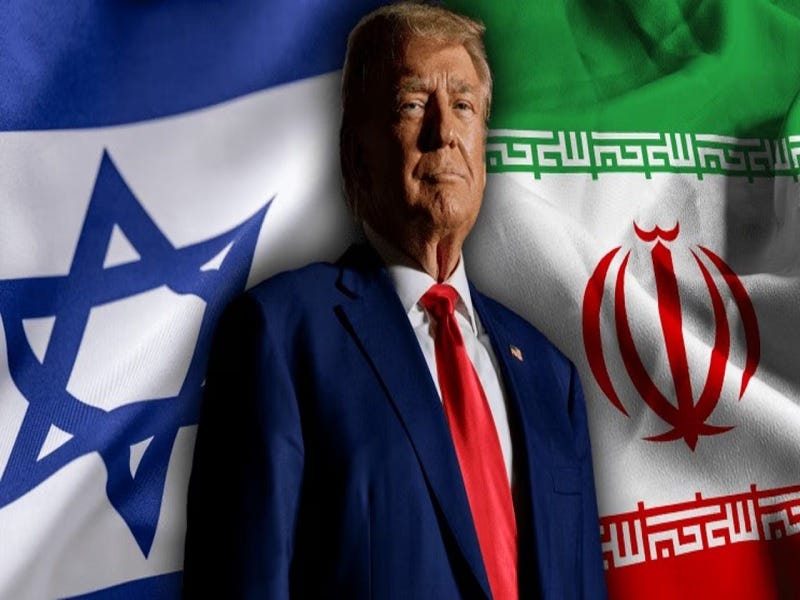
The US-Iran interim agreement concluded in late February 2026 has fundamentally restructured global energy logistics, creating immediate supply chain advantages for cross-border e-commerce sellers operating from or sourcing through Asia. The Strait of Hormuz—through which 15 million barrels of crude oil daily (34% of global seaborne crude trade) and 83% of Asian-destined liquefied natural gas transit—has reopened under the $300 billion Reconstruction and Development Fund framework, with over $150 billion already committed by multinational companies. This geopolitical stabilization directly impacts seller economics through three mechanisms: (1) Shipping Cost Reduction: Insurance premiums on Hormuz transit have declined 8-15% as regional conflict risk evaporates, reducing fulfillment costs for sellers using 3PL providers in India, Pakistan, and Southeast Asia. (2) Energy-Intensive Manufacturing Advantage: China's strategic petroleum reserve (1.3 billion barrels) and preferential Iranian oil access under sanctions waivers position Chinese manufacturers to undercut competitors on production costs for energy-intensive categories (electronics, appliances, textiles) by 5-8% through Q4 2026. (3) Market Access Expansion: Gulf Cooperation Council states' reassessment of US military reliability (per ThinkChina analysis) signals increased openness to Chinese trade partnerships, creating new B2B sourcing opportunities in electronics components, industrial equipment, and consumer goods from GCC suppliers previously locked into US-centric supply chains.
Specific seller impact by region: China-based sellers sourcing from or manufacturing in mainland China gain 3-6 month cost advantages before competitors adjust sourcing strategies. India-based sellers benefit from 12-18% import cost reductions on crude oil and petrochemicals, directly lowering production costs for apparel, footwear, and home goods categories. Vietnam and Thailand sellers gain access to cheaper energy inputs, improving margins on electronics and consumer electronics by 4-7%. US-based sellers face margin compression of 2-4% in energy-intensive categories as Asian competitors leverage lower input costs, particularly in small appliances (HS 8509), electric tools (HS 8465), and synthetic textiles (HS 5407-5408).
Compliance and risk considerations: The memorandum remains an interim political understanding rather than comprehensive peace settlement, creating 12-18 month policy uncertainty. Sellers should monitor nuclear negotiation timelines (potential renegotiation by Q2 2027) and GCC military base reassessments, which could trigger supply chain disruptions. Chinese firms may face enhanced US counter-sanctions enforcement if they openly defy American sanctions on Iranian entities, creating legal exposure for sellers using Chinese 3PL providers or manufacturers with Iranian supply chain connections. The opportunity window for cost arbitrage is immediate (0-6 months) before market equilibration, but sustainability depends on sustained regional stability through 2027.
Questions 7
How should US-based sellers adjust strategy to compete with Asian cost advantages?
US sellers face 2-4% margin compression in energy-intensive categories through 2026 as Asian competitors leverage lower input costs. Strategic responses: (1) Shift to higher-margin, non-energy-intensive categories (software, digital products, niche apparel) where manufacturing location matters less. (2) Negotiate supplier price reductions by 3-5% citing competitive pressure from Asia. (3) Increase private label sourcing from Vietnam/India to capture cost advantages directly rather than competing with established Chinese manufacturers. (4) Accelerate automation and nearshoring to Mexico for categories where labor costs offset energy advantages. Monitor competitor pricing on Amazon and eBay monthly to identify margin compression early.
Which Asian markets offer the best sourcing opportunities post-Iran agreement?
India, Vietnam, and Thailand offer the strongest sourcing advantages: India gains 12-18% import cost reductions on crude oil and petrochemicals, lowering production costs for apparel, footwear, and home goods. Vietnam and Thailand benefit from cheaper energy inputs, improving electronics and consumer goods margins by 4-7%. Pakistan, leveraging its diplomatic role in the ceasefire (General Asim Munir brokered talks), may see preferential trade terms with Iran and GCC states, creating opportunities in textile sourcing and industrial equipment. Sellers should establish relationships with suppliers in these countries by Q2 2026 to capture cost advantages before broader market recognition.