



US Jobless Claims Drop to 226K | Strong Labor Market Signals Stable E-Commerce Demand
- Unemployment benefits fall 4,000 weekly; 4.3% jobless rate supports consumer purchasing power for Amazon, eBay, Walmart sellers



























Overview
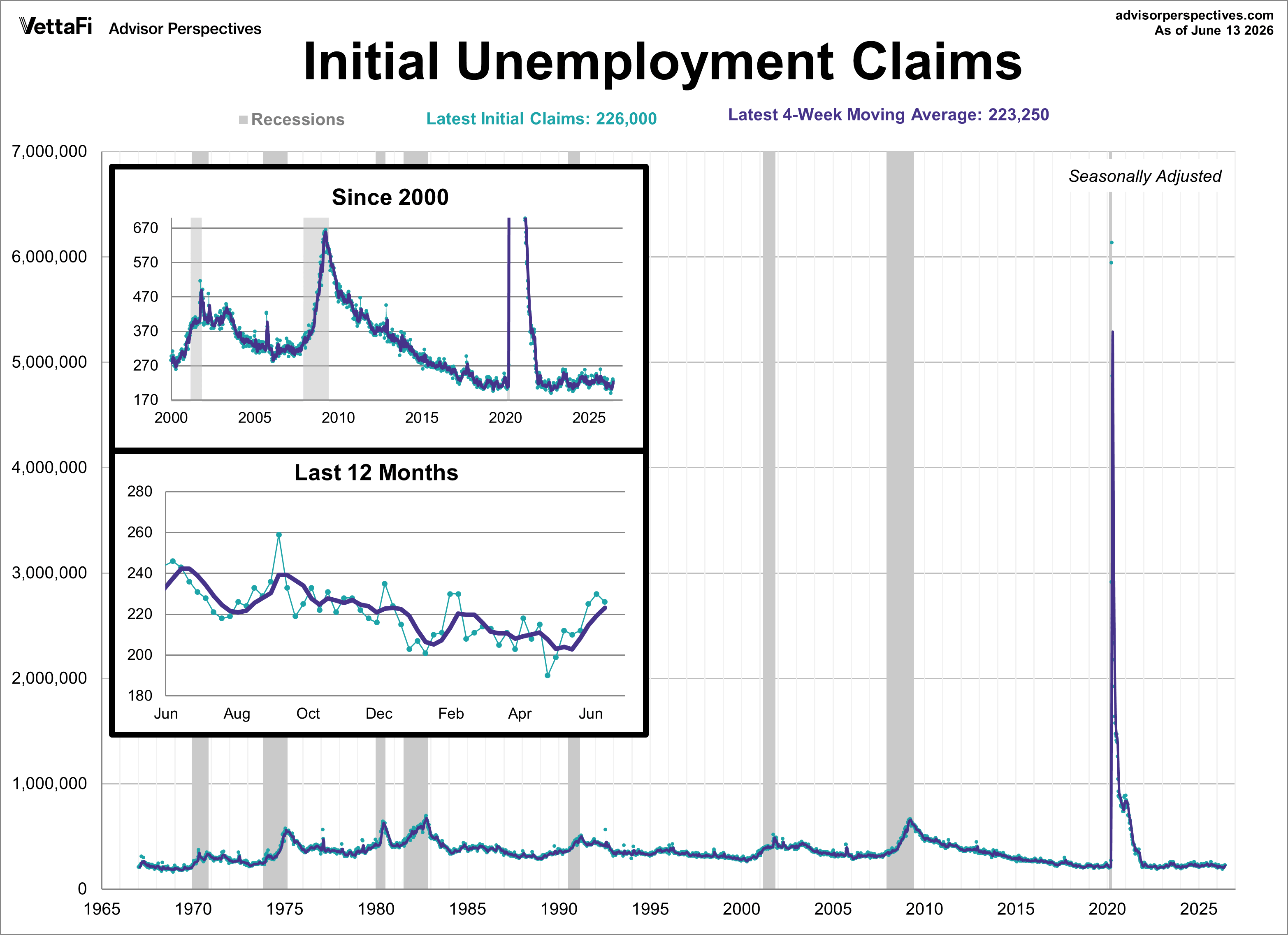
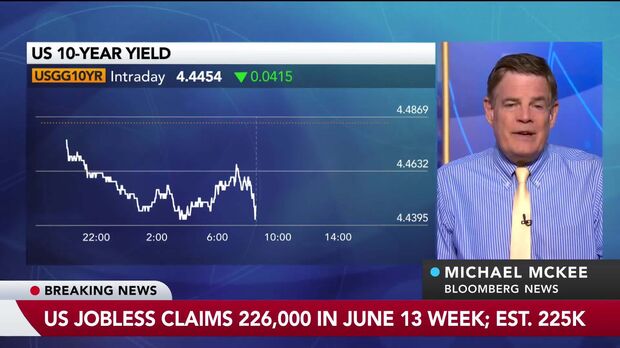
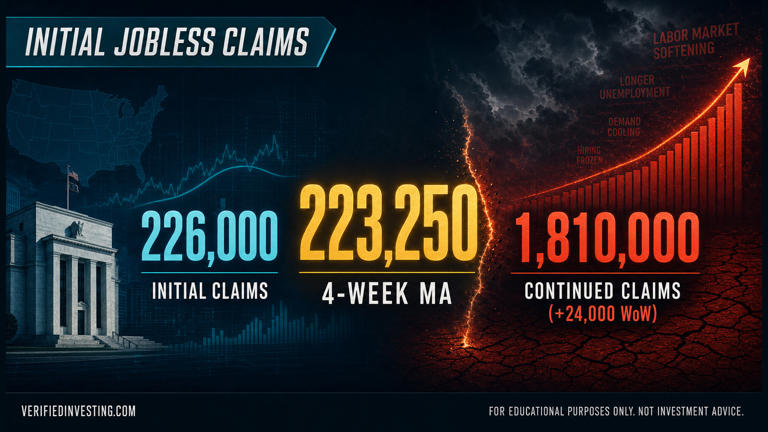
US labor market resilience directly impacts e-commerce consumer demand. Initial jobless claims fell to 226,000 in the week ending June 13, 2026—matching economist forecasts and signaling sustained employment stability. The unemployment rate remains historically low at 4.3%, while employers added 172,000 jobs in May with 7.6 million job openings available. This employment strength translates directly to consumer confidence and discretionary spending on Amazon, eBay, and Walmart Marketplace, where cross-border sellers depend on steady demand from employed US consumers.
Labor market stability creates predictable demand conditions for e-commerce sellers. The four-week moving average of jobless claims (223,250) indicates consistent hiring patterns despite seasonal volatility. News 2 explicitly confirms that "a stable US labor market supports consumer spending power and demand for online retail goods, which directly affects sales volumes for sellers operating on major US platforms." When employment remains steady, consumer confidence strengthens, driving increased discretionary spending on e-commerce products across electronics, apparel, home goods, and beauty categories. Conversely, the uptick in continuing claims to 1.81 million (up 24,000 from the previous week) presents a mixed signal—suggesting some workers remain in extended unemployment, which could dampen spending among lower-income consumer segments.
Inflation pressures and Fed policy uncertainty create operational headwinds despite labor strength. Consumer inflation reached 4.2% in May—the highest in three years—driven by elevated gas prices following the Strait of Hormuz closure. The Federal Reserve maintained its benchmark interest rate unchanged under new Chair Kevin Warsh, but policymakers signaled willingness to consider rate increases if inflation persists above the 2% target. Higher borrowing costs could discourage business hiring and reduce consumer purchasing power, offsetting the positive labor market signals. Additionally, recent corporate layoffs at Amazon, Walmart, Disney, Starbucks, and UPS indicate selective workforce reductions despite overall labor market strength, creating uncertainty about future hiring trends. Sellers should monitor these competing signals: strong employment supports demand, but inflation and potential rate increases pose risks to consumer discretionary spending and business expansion costs.
Immediate seller actions focus on demand forecasting and cost management. The stable labor market through mid-June 2026 supports inventory investment in discretionary categories (electronics, home goods, apparel) where employed consumers show higher spending. However, the 4.2% inflation rate and potential Fed rate increases warrant caution on inventory expansion requiring external financing. Sellers should monitor weekly jobless claims as a leading indicator of consumer demand trends—claims above 250,000 would signal deteriorating labor conditions requiring inventory reduction. For Amazon FBA sellers, stable employment supports continued Buy Box competition and PPC spending, but rising inflation may compress margins if product costs increase faster than selling prices. Cross-border sellers should also track the Iran-U.S. agreement impact on energy prices; lower gas prices could reduce logistics costs and consumer transportation expenses, potentially freeing up discretionary income for online purchases.
Questions 8
What are the best product categories to focus on given current labor market conditions?
Strong employment (4.3% unemployment, 172,000 jobs added in May) supports discretionary spending across multiple categories. Based on labor market stability and consumer confidence signals: (1) **Electronics** - employed consumers upgrade devices, smart home products, and tech accessories; (2) **Apparel & Fashion** - strong employment supports clothing, footwear, and accessories purchases; (3) **Home Goods** - employed workers invest in furniture, decor, and home improvement; (4) **Beauty & Personal Care** - discretionary spending on premium beauty products increases with employment; (5) **Sports & Outdoor Gear** - leisure spending correlates with employment confidence. Avoid inventory-heavy luxury categories if financing costs rise. Monitor continuing claims (currently 1.81 million) to gauge lower-income consumer segments; value-oriented and essential categories remain resilient across employment levels.
How does the Federal Reserve's interest rate policy impact e-commerce seller financing?
The Federal Reserve maintained its benchmark rate unchanged under new Chair Kevin Warsh, but News 1 indicates 'some policymakers have indicated willingness to consider rate increases this year' if inflation persists above the 2% target. Current 4.2% inflation exceeds the Fed's target, increasing the probability of rate increases. For sellers, this means: (1) borrowing costs for inventory financing, equipment, and working capital will likely rise; (2) Amazon seller loans and 3PL financing will become more expensive; (3) consumer borrowing costs increase, potentially reducing discretionary spending. Sellers should lock in current financing rates before increases occur, refinance existing debt at favorable terms, and prioritize cash-flow positive operations that minimize external financing needs.