




Defense Supply Chain Bottleneck Signals Industrial Capacity Crisis | Seller Logistics Implications
- U.S. SRM manufacturing operates at 40% capacity; Pentagon faces $52.9B munitions demand with constrained production; implications for aerospace/defense supply chain logistics and manufacturing regionalization




Overview
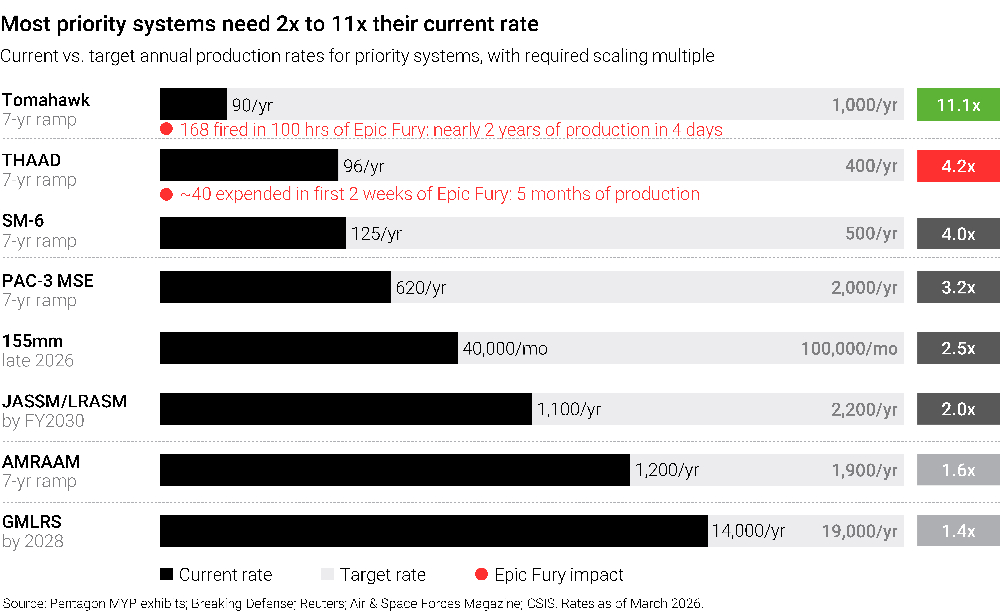
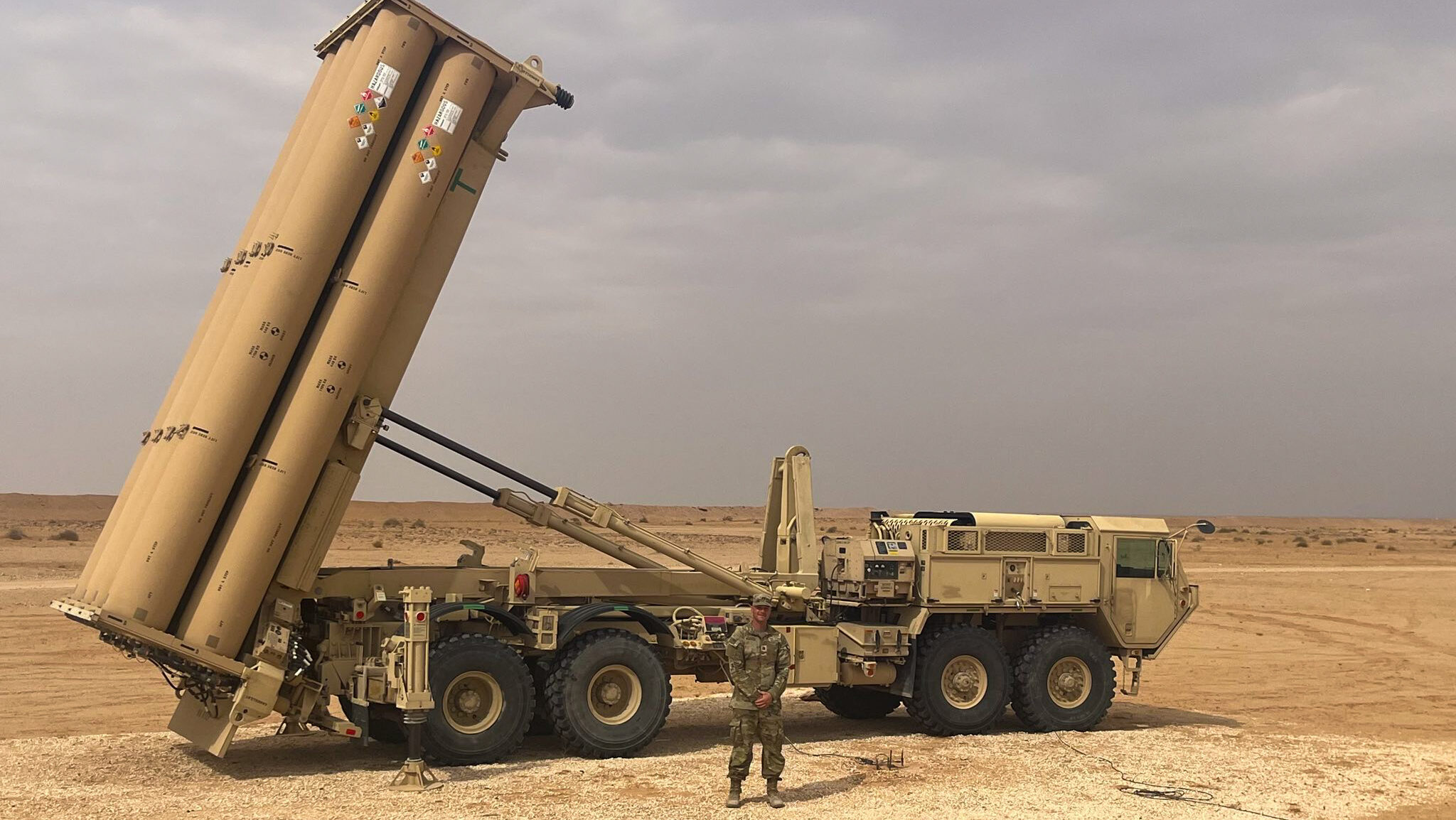
The U.S. defense industrial base faces a critical capacity crisis that extends far beyond military procurement—it signals systemic supply chain vulnerabilities affecting global manufacturing logistics and cross-border commerce. The Pentagon's FY 2027 budget allocates $52.9 billion for critical munitions, yet solid rocket motor (SRM) manufacturing facilities operate at only 40% capacity (2 days weekly vs. 5-day capability), creating a bottleneck that constrains production of Patriot, THAAD, and PrSM systems. Northrop Grumman, one of only two dominant U.S. SRM producers, has committed $2 billion to munitions expansion and delivered 13,000 rocket motors in 2024, with production expected to reach 25,000 annually by 2029—yet current capacity utilization reveals systemic inefficiency.
For cross-border sellers and logistics operators, this crisis illuminates three critical supply chain dynamics: First, the U.S. defense industrial base's underutilization (facilities capable of 5-day operations running only 2 days weekly) reflects decades of inconsistent government demand signals, mirroring the procurement uncertainty that plagues commercial supply chains. Second, the Pentagon's $1 billion investment in L3Harris's missile propulsion business and Northrop's $1 billion+ SRM expansion demonstrate that government is finally committing to long-term contracts—a model that could reshape how defense contractors and their suppliers approach inventory, warehousing, and logistics planning. Third, the shortage of trained personnel and production capacity indicates that manufacturing regionalization and nearshoring will accelerate, with implications for sourcing strategies in aerospace, electronics, and advanced materials categories.
The operational impact for sellers centers on three logistics dimensions: Manufacturing capacity constraints in the U.S. defense sector will likely drive increased demand for contract manufacturing and supply chain services in allied regions (Canada, UK, Australia), creating opportunities for logistics providers specializing in aerospace/defense supply chains. The Pentagon's emphasis on multiyear procurement contracts (vs. annual appropriations) signals a shift toward predictable, long-term demand—a model that benefits sellers with stable inventory management and 3PL partnerships. Finally, the regulatory redundancy cited (Pentagon + ATF oversight creating contradictory requirements) mirrors compliance challenges in cross-border e-commerce, suggesting that sellers in regulated categories (electronics, chemicals, hazardous materials) should monitor how defense procurement reforms might influence broader regulatory harmonization efforts affecting commercial supply chains.
Questions 8
How should sellers evaluate the risk of defense contractor execution failures?
Northrop Grumman reported -$1.656 billion operating cash flow in Q1 2026 and faces fixed-price development program exposure, while Lockheed Martin reported -$291 million negative free cash flow despite record backlogs. These cash flow challenges indicate execution risk—contractors may struggle to fulfill multiyear commitments if production ramps faster than anticipated. For sellers, this means prioritizing payment terms and contract protections when supplying defense contractors. Consider requiring progress payments (25-50% upfront, 25% at milestones, 25% on delivery) rather than net-30 terms. Additionally, monitor contractor quarterly earnings for cash flow trends; negative cash flow despite growing backlogs signals potential payment delays or contract renegotiations. Diversify across multiple contractors (Northrop, Lockheed, RTX) to reduce exposure to any single company's execution failures.
What warehouse positioning strategy should sellers adopt given defense supply chain regionalization?
The Pentagon's capacity crisis and emphasis on multiyear contracts signal sustained demand for aerospace/defense components through 2029. Sellers should position inventory in strategic manufacturing hubs: Southern California (aerospace/defense cluster), Texas (missile production), Alabama (Patriot/THAAD manufacturing), and potentially Canada/UK for nearshored production. Northrop's SMART Demo program is actively recruiting new suppliers, creating opportunities for sellers to establish regional distribution centers near prime contractors. For 3PL providers, this means investing in specialized warehousing near defense manufacturing facilities, with compliance infrastructure for hazardous materials (propellants, explosives) and security requirements. Sellers should also consider establishing dedicated inventory for multiyear contracts (2-3 year commitments) rather than relying on spot orders, reducing carrying costs through predictable demand patterns.