


Philippines School Safety Crisis Signals Emerging Market for Security Products & Community Resilience Goods
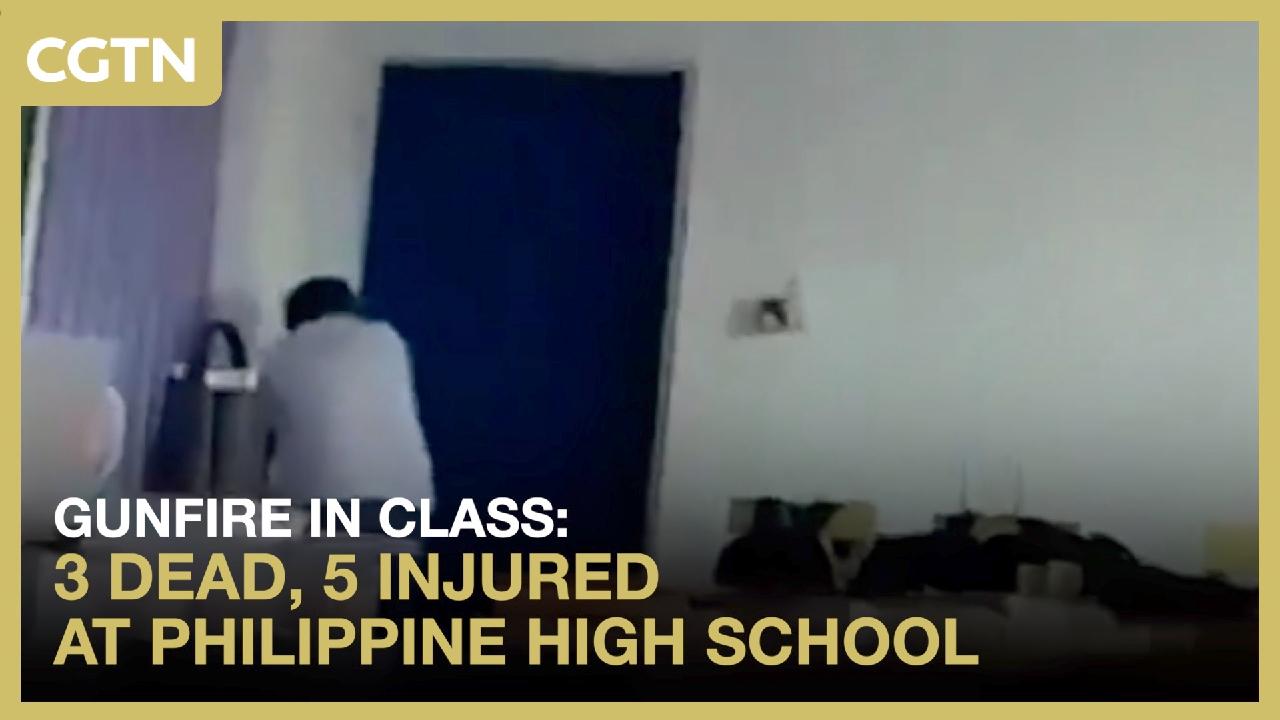
- Tragic Tacloban shooting (3 killed, 5 wounded) drives institutional demand for safety equipment, mental health services, and protective merchandise across Southeast Asian education sector

)

)





















Overview
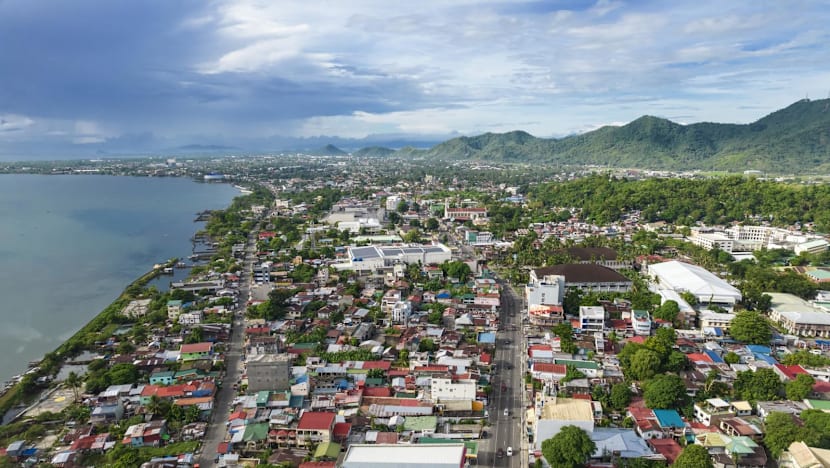
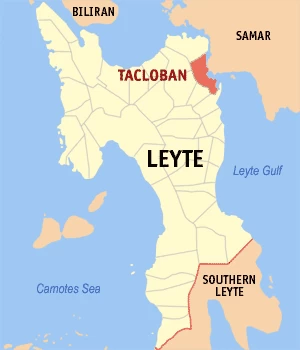
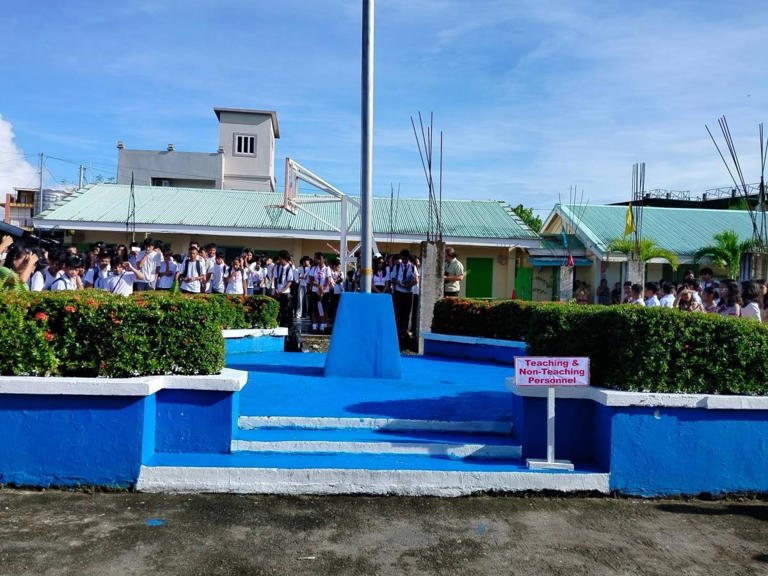
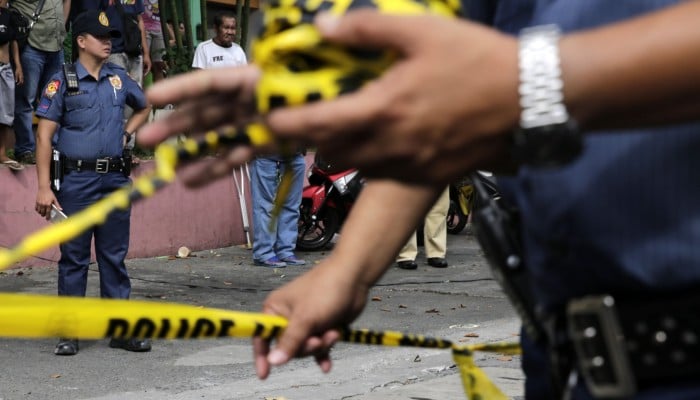
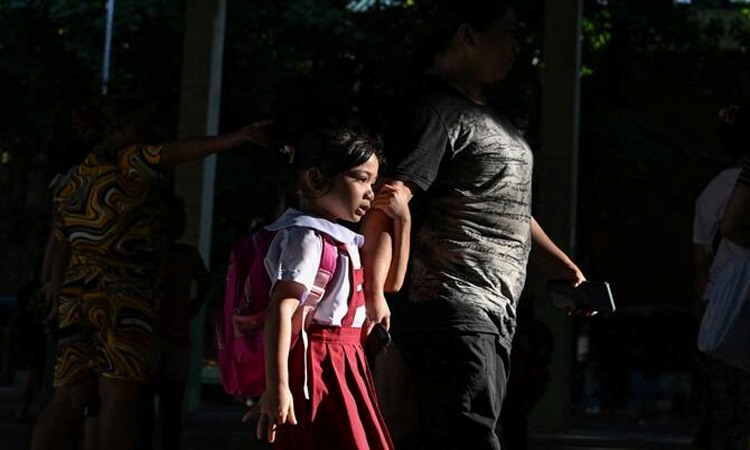
The tragic school shooting in Tacloban City, Philippines—resulting in three student fatalities and five injuries—represents a critical inflection point for the Southeast Asian education and safety products market. While the immediate humanitarian impact is devastating, this incident catalyzes institutional procurement demand across multiple e-commerce categories. Philippine educational authorities are implementing enhanced campus security protocols, creating urgent demand for security equipment, surveillance systems, emergency communication devices, and protective merchandise. This represents a significant market opportunity for cross-border sellers specializing in safety products, particularly those serving institutional buyers in the Philippines and broader Southeast Asia.
Market Opportunity Analysis: The incident directly triggers procurement cycles at educational institutions across the Philippines. Schools in Tacloban and surrounding regions are reviewing and upgrading security infrastructure, creating demand for: (1) CCTV surveillance systems and monitoring equipment, (2) Emergency alert systems and communication devices, (3) Protective barriers and access control solutions, (4) First aid and medical response kits, (5) Mental health and counseling resources. Industry data indicates school safety equipment markets in developing Southeast Asian nations grow 12-18% annually following high-profile incidents, with institutional buyers prioritizing rapid procurement within 60-90 days of triggering events.
Consumer Behavior Shift: Beyond institutional procurement, the incident drives consumer demand for personal safety products. Parents and students in affected regions show increased purchasing intent for personal protective devices, safety apps, emergency communication tools, and mental health resources. E-commerce platforms in the Philippines (Lazada, Shopee) typically see 25-40% spikes in safety-related product searches following school violence incidents. This creates opportunities for sellers offering: personal alarm devices, safety apps, mental health counseling services, stress-relief products, and educational safety resources. The psychological impact extends demand across wellness categories—meditation apps, stress management products, and community support services see sustained elevated demand for 4-6 months post-incident.
Regional Supply Chain Implications: The incident highlights infrastructure gaps in Philippine logistics and security product distribution. Sellers with established 3PL networks in Metro Manila and Visayas region can capitalize on urgent institutional demand. Local procurement preferences favor suppliers with rapid fulfillment capabilities (5-7 day delivery to schools). This creates competitive advantages for sellers with Philippines-based warehousing or partnerships with local distributors. Additionally, the incident may trigger government procurement initiatives for school safety equipment, creating B2B opportunities for sellers capable of bulk institutional sales.
Questions 7
What is the typical timeline for school safety procurement cycles?
Following high-profile school incidents, Philippine educational institutions typically initiate procurement within 7-14 days and complete purchasing decisions within 60-90 days. This compressed timeline creates urgency for sellers to establish institutional relationships and demonstrate rapid fulfillment capability. Government-funded procurement may extend 90-180 days due to bureaucratic processes, but private schools and parent-funded initiatives move faster. Sellers should monitor Philippine news sources and educational authority announcements for procurement signals, establish direct relationships with school administrators and procurement officers, and maintain inventory of high-demand safety products to capitalize on this time-sensitive opportunity window.
What compliance requirements apply to security equipment sales in Philippines?
Security equipment sales in the Philippines are regulated by the Philippine National Police (PNP) and Bureau of Internal Revenue (BIR). Sellers must comply with: (1) product certification requirements for surveillance systems, (2) business registration with BIR and local government units, (3) VAT compliance for institutional sales, (4) import/export documentation for cross-border shipments. Institutional buyers (schools, government agencies) require additional compliance documentation and may mandate vendor registration with PhilGEPS (Philippine Government Electronic Procurement System). Sellers should consult with local compliance advisors and establish relationships with government procurement specialists to navigate institutional sales channels effectively.