

Brexit Trade Barriers Cost UK Sellers £856B EU Market | 10-Year Impact Analysis
- Non-tariff barriers increase customs processing 250x; thousands of small firms exit EU trade; UK goods exports decline while services thrive



























Overview
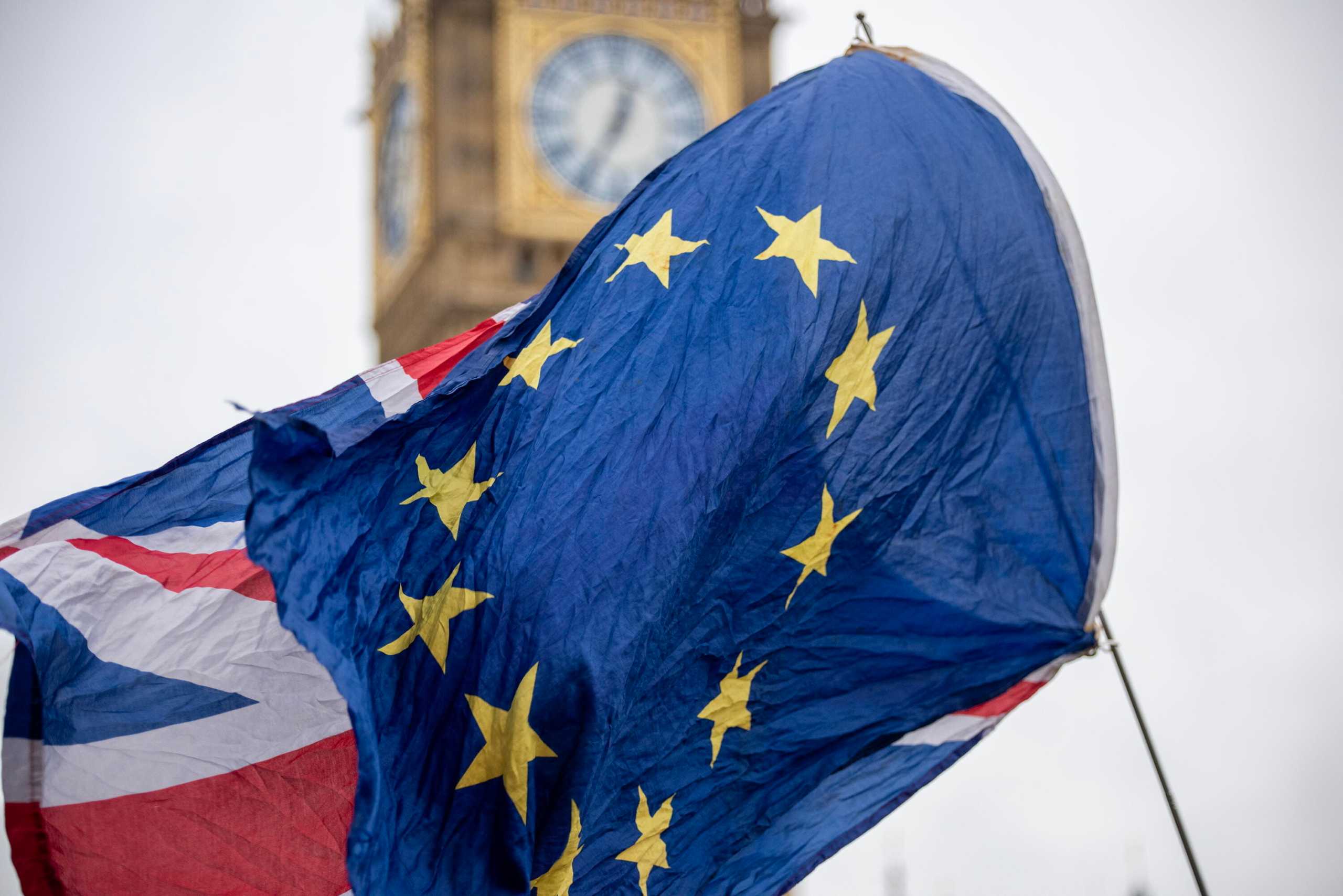
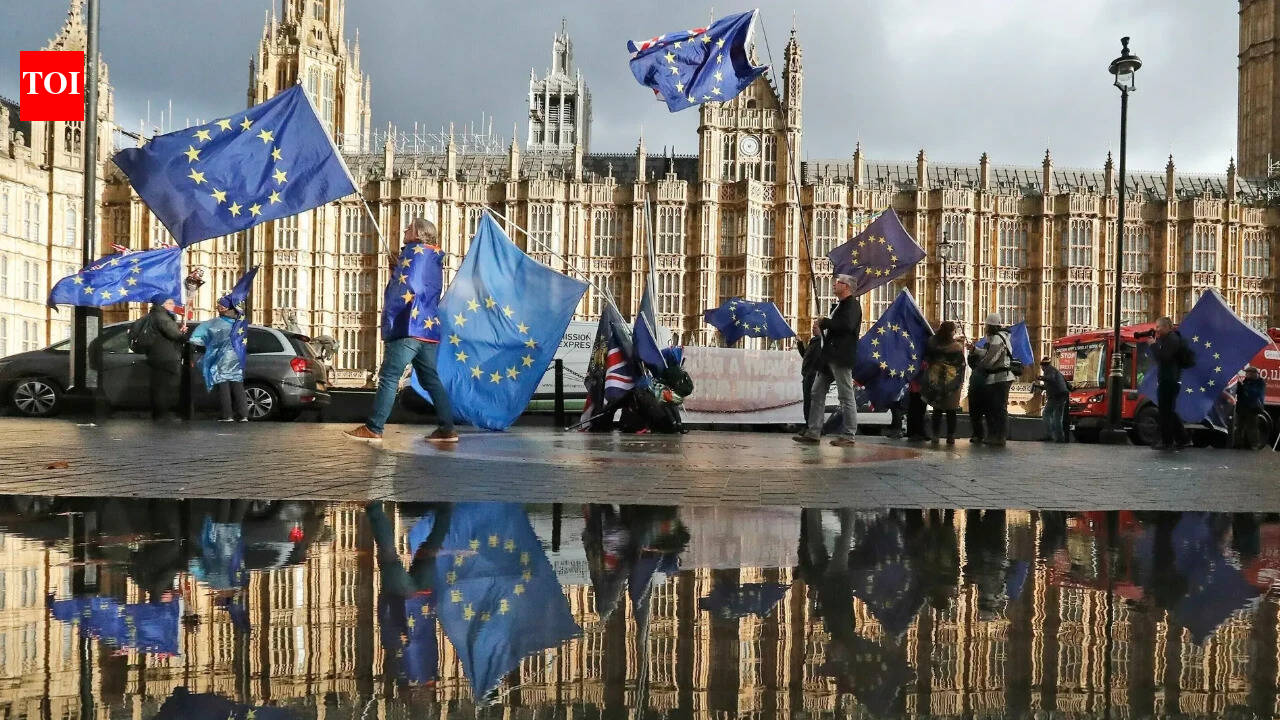
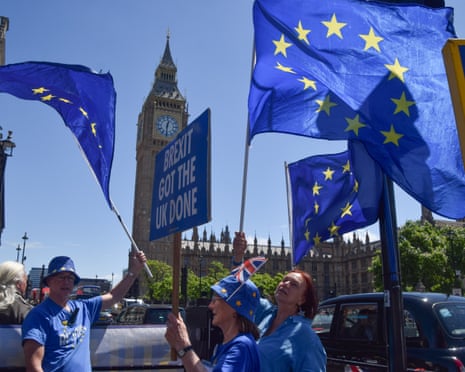
Brexit's decade-long impact on cross-border e-commerce reveals a critical market fragmentation crisis for UK-based sellers. Ten years after the June 23, 2016 referendum, the UK's formal EU departure (December 31, 2020) has created substantial operational friction that contradicts Leave campaign promises of trade liberalization. The economic damage is quantifiable: the British economy is 4-8% smaller than it would have been under continued EU membership, translating to billions in lost public service funding and reduced consumer purchasing power. Most critically for e-commerce operators, merchants face unprecedented non-tariff barriers including customs paperwork, border certifications, and visa restrictions when trading with the EU—still the UK's largest trading partner at £856 billion in annual trade volume.
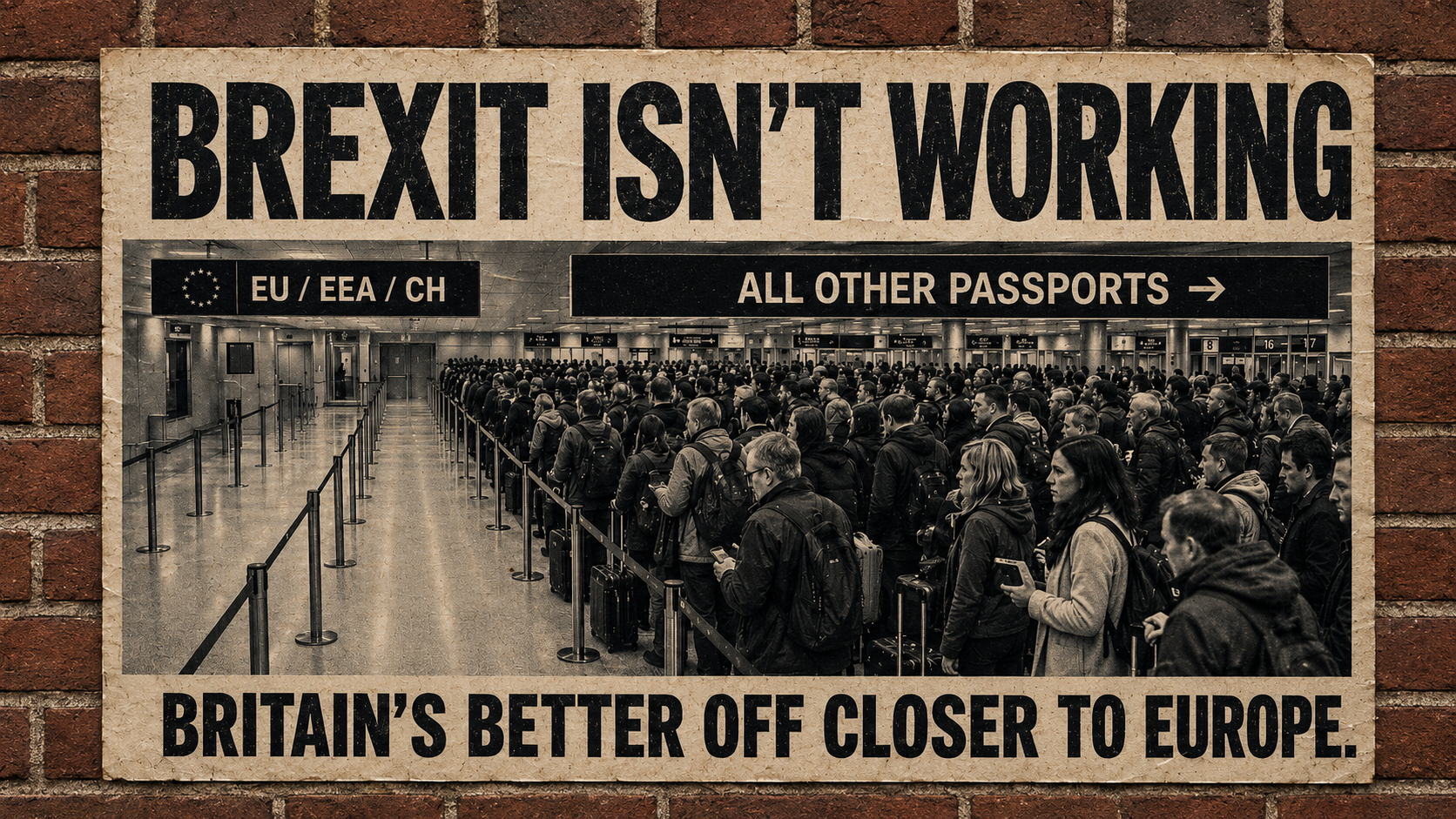
The operational burden on cross-border sellers is severe and measurable. Bosch's UK subsidiary now processes 10,000 annual import transactions versus just 40 pre-Brexit—a 250x increase in administrative overhead requiring dedicated compliance staff. Ben Fletcher, CEO of Logistics UK, reports increased costs and market access complications across the sector. Thousands of small firms have halted EU trade entirely, with British Chambers of Commerce surveys consistently showing companies believe the UK-EU trade deal fails to support sales growth. UK goods exports have declined relative to other major economies since 2016, indicating competitive disadvantage in the world's largest integrated market. The promised trade deals with the United States, Australia, New Zealand, India, and Japan have largely failed to materialize, leaving sellers without compensatory market access.
However, a critical divergence exists between goods and services sectors that creates strategic opportunities. Britain maintains its position as the world's second-largest services exporter and top net exporter of financial services, accounting for 11% of economic output and employing 2.5 million people. The City of London retained its European financial hub status, attracting 949 FDI projects between 2015-2025—exceeding France and Germany combined. This indicates that digital services, SaaS, fintech, and knowledge-based e-commerce categories remain competitive, while physical goods sellers face structural disadvantages. Public sentiment has shifted dramatically: Ipsos polling shows 52% of Britons would rejoin the EU versus 33% opposed, and 48% believe Brexit is performing worse than expected. Prime Minister Keir Starmer's Labour government (elected 2024) seeks a "reset" of EU relations focused on trade facilitation, suggesting potential policy windows for tariff/customs relief in 2025-2026, though political constraints prevent full market re-integration. The geopolitical environment—US unpredictability under Trump, Russian aggression in Ukraine, and Chinese assertiveness—creates mutual security interests that could accelerate trade normalization, but entrenched political divisions limit near-term progress.
Questions 8
How much has Brexit increased customs processing costs for UK e-commerce sellers?
Brexit has created a 250x increase in customs transactions for major importers—Bosch's UK subsidiary now processes 10,000 annual import transactions versus just 40 pre-Brexit. This requires dedicated compliance staff and increased administrative overhead. Ben Fletcher, CEO of Logistics UK, reports that increased costs and market access complications are widespread across the sector. Thousands of small firms have halted EU trade entirely due to these burdens. For typical SME sellers, customs broker fees, documentation costs, and compliance staff can add £5,000-15,000 annually per product line shipped to the EU.
Which UK seller categories are most affected by Brexit trade barriers?
Physical goods sellers face the most severe impact, with UK goods exports declining relative to other major economies since 2016. Categories including electronics, apparel, home goods, and consumer products experience the highest friction due to customs requirements and border certifications. However, services-based e-commerce—including SaaS, digital products, fintech, and knowledge services—remain competitive. Britain maintains its position as the world's second-largest services exporter, with the City of London attracting 949 FDI projects between 2015-2025. Sellers in digital/services categories should prioritize EU market expansion, while goods sellers should evaluate alternative markets (US, Asia-Pacific) or domestic UK focus.