






Hormuz Strait Shipping Crisis | Critical Supply Chain Risk for Cross-Border Sellers
- Iran's maritime blockade reduces vessel traffic 81% (26→5 ships); 60-day negotiation window creates urgent sourcing & logistics decisions for sellers shipping Asia-Middle East corridors







Overview
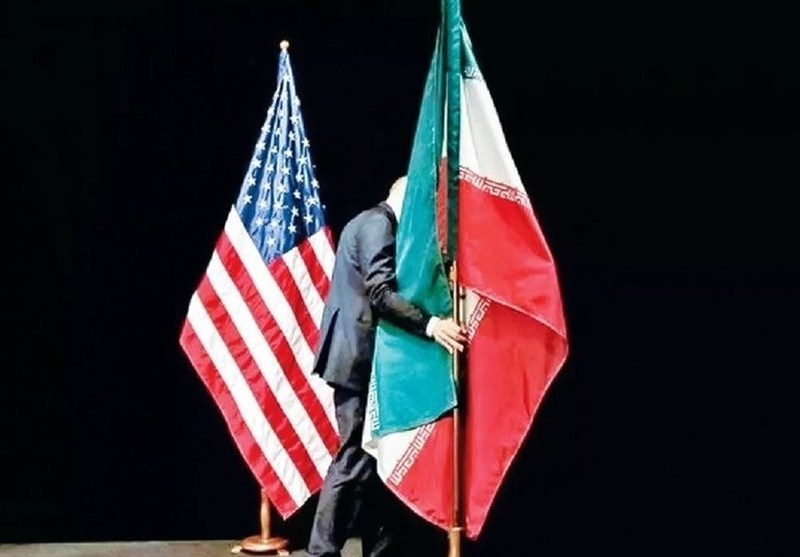
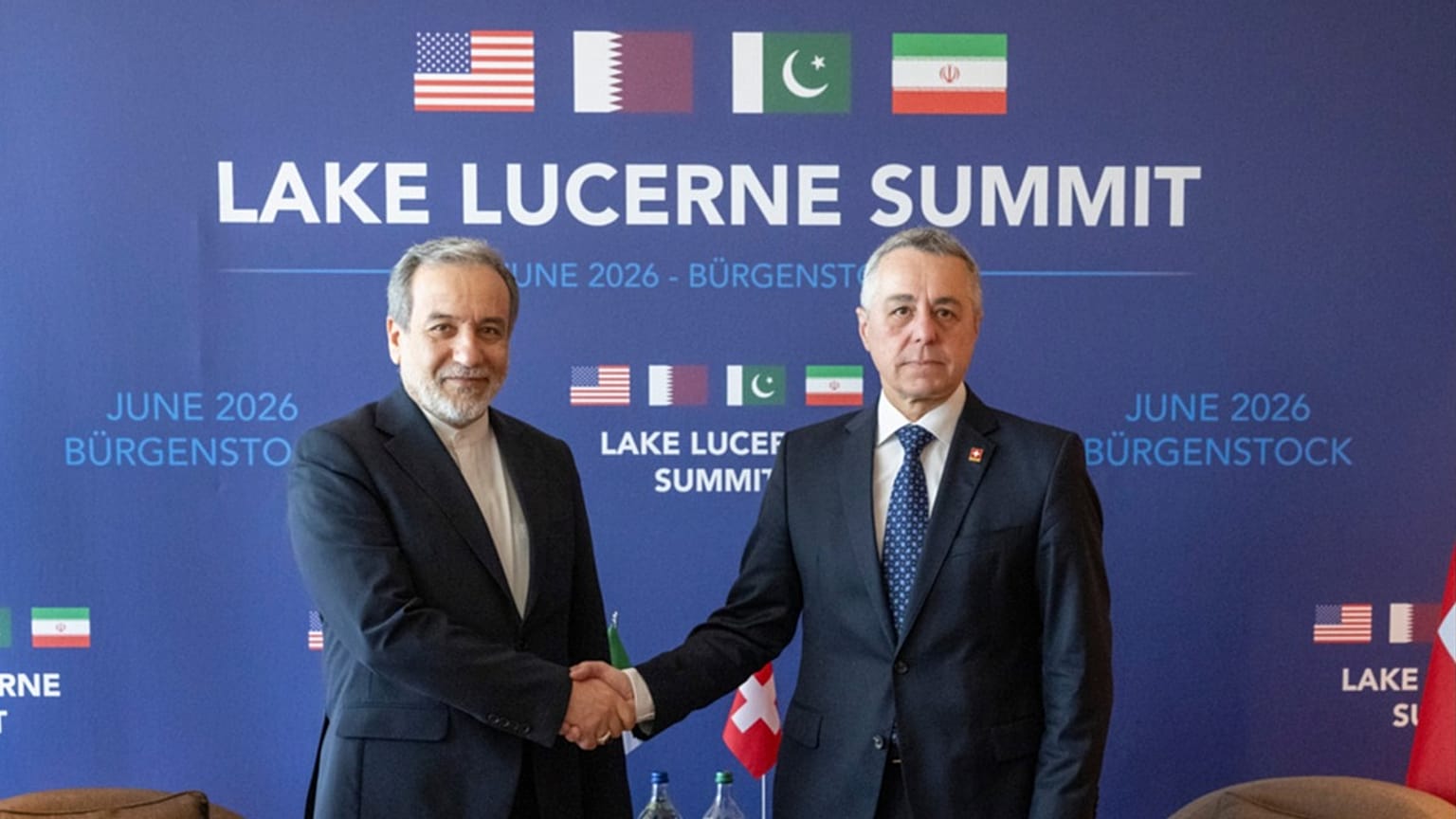
The June 22, 2026 US-Iran negotiations in Switzerland represent a critical inflection point for cross-border e-commerce sellers dependent on Hormuz Strait maritime passage. Iran's closure of the strategic waterway—reducing daily vessel traffic from 26 to just 5 ships—directly impacts supply chains for sellers sourcing from Asia, India, and the Middle East. The agreed 60-day roadmap toward a final agreement creates a defined but volatile window where shipping costs, transit times, and route availability remain highly uncertain.
Immediate Supply Chain Impact: The Hormuz Strait handles approximately 21% of global petroleum trade and 35% of seaborne traded oil, but more critically for e-commerce sellers, it's the primary passage for containerized cargo from Asia to Europe and North America. With maritime traffic down 81%, sellers face three operational scenarios: (1) Rerouting through longer Suez Canal alternatives (+15-20 days transit, +$800-1,200 per container), (2) Holding inventory in Asian ports pending resolution (+$2-5 per unit daily storage), or (3) Accelerating shipments before potential escalation (+30-40% freight premium).
Tariff & Trade Policy Dimension: Iranian Foreign Minister Araghchi claimed secured "oil and petrochemical export waivers" and "frozen asset releases," signaling potential sanctions relief. If confirmed by the US, this could reshape sourcing economics for sellers importing Iranian petrochemicals, textiles, and minerals—currently under OFAC restrictions. The reconstruction plan mentioned suggests post-agreement tariff normalization, potentially opening Iran as a sourcing destination for specific categories (carpets, dried fruits, minerals) currently subject to 25-100% US tariffs.
Competitive Advantage Window: Sellers with diversified sourcing (Vietnam, Indonesia, India alternatives to China) face lower disruption risk. Those dependent on single-source Asian suppliers or just-in-time inventory models face 15-25% margin compression from rerouting costs. The 60-day negotiation period creates a "first-mover" advantage for sellers who can: (1) Lock in current freight rates before potential escalation, (2) Shift sourcing to non-Hormuz-dependent suppliers, or (3) Pre-position inventory in US/EU warehouses before transit times extend further.
Market Access Opportunity: If negotiations succeed and sanctions ease, sellers can access Iranian markets (85M+ population, growing e-commerce adoption) and source Iranian goods at significantly reduced tariff costs. Current 25-100% US tariffs on Iranian goods would normalize, improving margins on imported categories by 8-15%.
Questions 8
How does Iran's Hormuz Strait closure affect my shipping costs from Asia?
The 81% reduction in vessel traffic (26→5 daily ships) forces rerouting through longer Suez Canal passages, adding 15-20 days transit time and $800-1,200 per 40ft container in additional freight costs. For sellers shipping 50+ containers monthly from Vietnam/India, this represents $40,000-60,000 in monthly cost increases. The 60-day negotiation window means these elevated costs could persist through August 2026, making it critical to lock in current freight rates immediately or shift to air freight for high-margin items. Monitor daily shipping indices (Freightos, Clarkson) for rate trends.
Should I accelerate inventory shipments before the situation worsens?
Yes, if you have confirmed orders and storage capacity. Accelerating shipments now locks in current freight rates (~$3,500-4,200 per 40ft container) before potential escalation if negotiations fail. However, calculate the cost-benefit: acceleration premium (typically 20-30% rush fee) versus storage costs if inventory sits. For sellers with 30-60 day inventory turnover, acceleration makes sense. For slow-moving categories, holding inventory in Asian 3PL warehouses ($2-5/unit/month) is cheaper than rush shipping. The key decision point is August 22, 2026 (end of 60-day negotiation window).