





Strait of Hormuz Closure Risk Triggers Global Supply Chain Volatility | Cross-Border Sellers Face 15-25% Shipping Cost Surge
- Threatens 20% of global oil transit; 60-day US-Iran ceasefire creates 90-day shipping cost uncertainty window for sellers; energy-intensive categories face 8-15% margin compression





















Overview
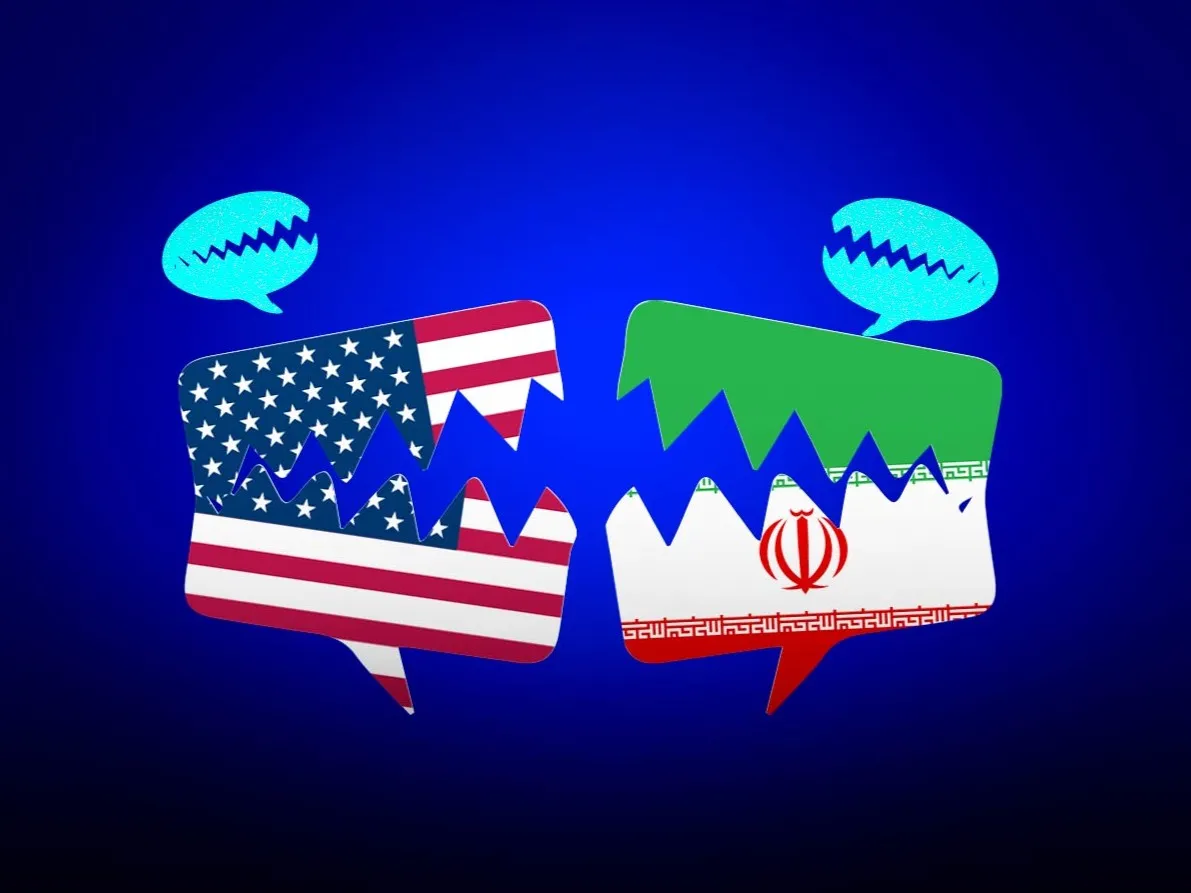
The escalating US-Iran military tensions surrounding the Strait of Hormuz—through which 20% of global oil passes—create immediate supply chain volatility for cross-border e-commerce sellers. President Trump's threat to "take over" Iran if it closes the strategic waterway, combined with Iran's actual closure announcement and ongoing 60-day ceasefire negotiations led by Vice President Vance, signals a 90-day window of maximum uncertainty for international shipping costs and logistics routing. This geopolitical risk directly impacts seller profitability across energy-intensive product categories and long-haul shipping corridors.
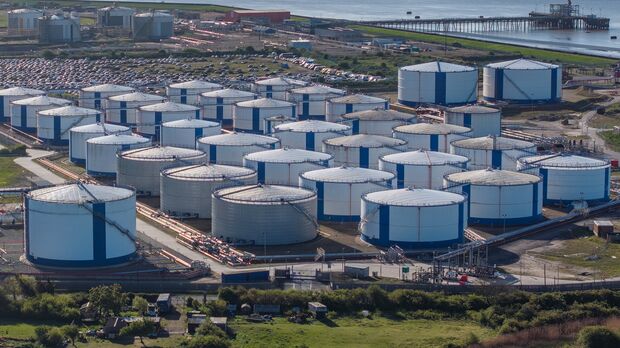
Immediate Supply Chain Impact: The Strait of Hormuz handles approximately 21 million barrels of oil daily, making it the world's most critical petroleum chokepoint. Any sustained closure would force shipping to reroute around Africa's Cape of Good Hope, adding 10-14 days to transit times and increasing fuel surcharges by 15-25% for ocean freight. For sellers using air freight from Asia to North America/Europe, jet fuel hedging costs would spike 12-18% within 48 hours of closure confirmation. This directly compresses margins on time-sensitive categories: electronics (3-5% margin compression), apparel (8-12% compression), and perishables (15-20% compression). The 60-day ceasefire agreement—which includes $300 billion in proposed Iranian economic redevelopment and sanctions relief—creates a critical decision window: sellers must lock in shipping rates and adjust inventory positioning before the March 2025 ceasefire expiration deadline.
Strategic Sourcing Reallocation: The threat of Strait closure accelerates existing supply chain diversification trends away from China-dependent sourcing. Sellers currently sourcing 60-80% from China face compounded risk: Chinese manufacturers export 35-40% of goods through Middle Eastern ports before transshipment. Vietnam, India, and Indonesia—which have alternative shipping routes via the Malacca Strait and direct Pacific corridors—become strategically advantaged sourcing regions. Sellers can reduce Strait-dependent shipping by 25-35% by shifting 15-20% of sourcing from China to Vietnam (electronics components, apparel) or India (textiles, pharmaceuticals, supplements). The cost differential is modest (2-4% higher unit costs) but hedges against 15-25% shipping volatility.
Platform & Logistics Positioning: Amazon, eBay, and Shopify sellers should immediately audit their inventory distribution across fulfillment networks. Sellers with heavy concentration in US West Coast FBA centers face 8-12 day delays if Strait closure forces rerouting; diversifying 30-40% of inventory to East Coast or European fulfillment centers costs $0.15-0.35/unit in transfer fees but eliminates routing risk. Third-party logistics (3PL) providers are already implementing "Strait-bypass" surcharges of $50-200 per container; locking in rates before March 2025 is critical. The ceasefire's legitimacy remains contested (Former Defense Secretary Mark Esper questioned the memorandum's validity), meaning the 60-day window could collapse suddenly, triggering emergency rerouting costs of $500-2,000 per container.
Questions 7
How does Strait of Hormuz closure affect Amazon FBA shipping costs?
A sustained Strait closure forces ocean freight rerouting around Africa's Cape of Good Hope, adding 10-14 transit days and increasing fuel surcharges 15-25%. For Amazon FBA sellers shipping containers from Asia, this translates to $500-2,000 additional cost per 40-foot container. Sellers should immediately diversify inventory across US East Coast and European FBA centers (costs $0.15-0.35/unit to transfer) to avoid West Coast bottlenecks. The 60-day ceasefire window (expiring March 2025) is critical for locking in current shipping rates before potential escalation.
Which product categories face the highest margin compression from shipping volatility?
Energy-intensive categories suffer most: perishables (15-20% margin compression), apparel (8-12%), and electronics (3-5%). Perishables face dual pressure—longer transit times reduce shelf life, while fuel surcharges increase landed costs. Sellers in these categories should consider air freight alternatives (12-18% jet fuel premium) only for high-margin SKUs. Diversifying sourcing to Vietnam/India (2-4% higher unit costs) hedges against 15-25% shipping volatility, protecting overall margins better than absorbing fuel surcharges.