


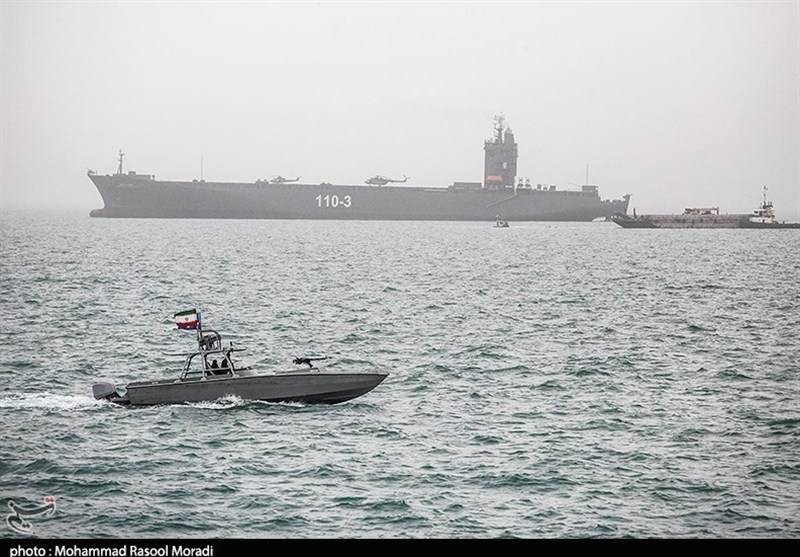



Hormuz Strait Shipping Crisis | Freight Cost Surge & Supply Chain Risk for Cross-Border Sellers
- Shipping volatility threatens 8-15% cost increases for sellers reliant on maritime logistics; 60-day negotiation window creates urgent inventory planning deadline






Overview
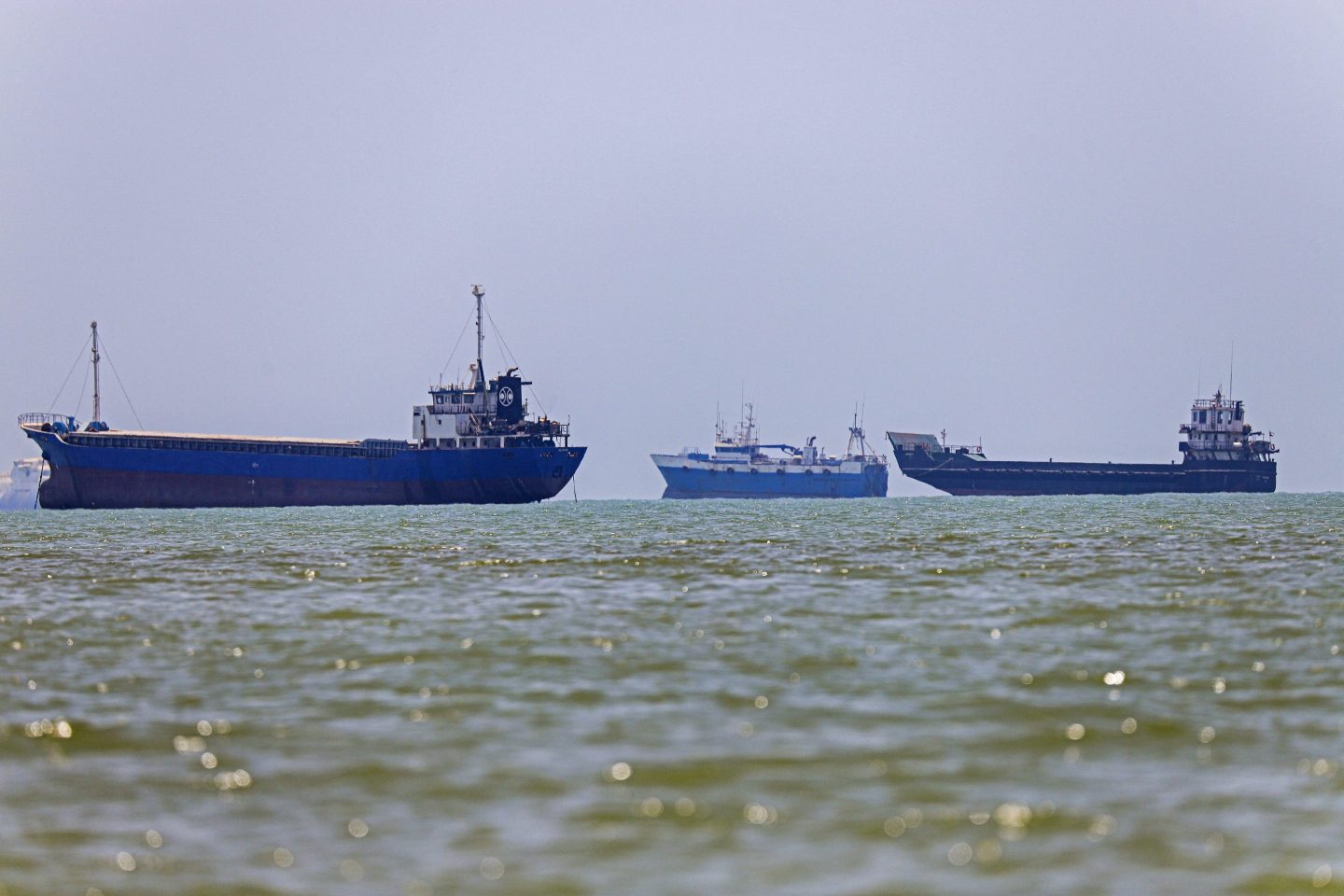
The Strait of Hormuz geopolitical crisis presents immediate supply chain and financing risks for cross-border e-commerce sellers. As of June 22, 2026, U.S.-Iran peace negotiations showed unexpected progress with a 60-day target for comprehensive agreement, yet the waterway's operational status remains ambiguous following Iran's closure announcement. U.S. Central Command reported vessel transits fluctuated dramatically—55 vessels on Saturday versus 32 the previous day—signaling shipping volatility. Iran proposed establishing a control mechanism with potential shipping fees, while Brent crude declined 2.5% to below $79/barrel amid uncertainty. Critically, U.S. Treasury yields on 2-year instruments reached 4.2276% (highest since early 2025), with markets pricing 75% probability of Federal Reserve rate hikes by September.
For e-commerce sellers, this creates three immediate operational impacts. First, maritime freight costs face upward pressure: The Strait of Hormuz handles approximately one-third of global maritime petroleum trade. Shipping delays and proposed toll mechanisms directly increase operational costs for sellers using ocean freight from Asia to North America and Europe. Sellers shipping electronics, apparel, home goods, and consumer products via 40-foot containers should expect 8-15% cost increases if disruptions persist beyond the 60-day negotiation window. Second, working capital financing becomes more expensive: The 75% probability of Federal Reserve rate hikes by September means inventory financing costs will rise. Sellers with outstanding inventory loans or relying on supply chain financing (like Amazon Lending or third-party 3PL credit lines) face 2-4% higher annual borrowing costs, compressing margins by $200-600 monthly for mid-sized sellers managing $50K-200K inventory. Third, compliance complexity increases: Iran's proposed fee structure on maritime transit creates new documentation and payment requirements for logistics providers, potentially adding 5-10 business days to customs clearance timelines.
Strategic sourcing and timing become critical. Sellers should immediately audit their supply chain: identify which inventory originates from China, India, Vietnam, or Middle East suppliers requiring Hormuz transit. For high-velocity categories (electronics, beauty, apparel), consider accelerating Q3 inventory purchases before potential rate hikes take effect. Conversely, for slower-moving inventory, delay orders to avoid carrying costs during the 60-day negotiation period. Sellers with existing inventory in U.S./EU warehouses should prioritize liquidation to reduce working capital exposure. Consider diversifying sourcing to suppliers in Mexico, Eastern Europe, or Southeast Asia to bypass Hormuz-dependent routes. Monitor the 60-day negotiation deadline (approximately August 21, 2026) as a critical decision point: if negotiations fail, expect 20-30% freight cost spikes and 2-3 week shipping delays, making immediate inventory repositioning essential.
Questions 7
How will Hormuz Strait disruptions affect my shipping costs as an Amazon FBA seller?
Maritime freight costs through the Strait of Hormuz—which handles one-third of global petroleum trade—face 8-15% increases if the 60-day Iran-U.S. negotiation (deadline ~August 21, 2026) fails. A 40-foot container from Shanghai to Los Angeles currently costs $1,200-1,800; disruptions could push this to $1,300-2,070. For sellers shipping 50+ containers monthly, this represents $5,000-15,000 in additional monthly costs. Monitor the negotiation progress weekly and accelerate Q3 inventory purchases before potential rate hikes take effect in September.
Will rising interest rates from Fed hikes impact my Amazon Lending or inventory financing?
Yes, significantly. U.S. Treasury yields reached 4.2276% on June 22, 2026, with markets pricing 75% probability of Federal Reserve rate hikes by September. This means Amazon Lending rates (typically 8-12% APR) could increase to 10-14% APR, raising annual financing costs by 2-4%. For a seller with $100,000 in outstanding inventory loans, this translates to $2,000-4,000 in additional annual interest. Consider paying down inventory debt before September or locking in fixed-rate financing now through alternative lenders like Shopify Capital or traditional banks.