



Qatar LNG Facility Explosion Disrupts Global Energy Supply | Logistics Cost Impact for Cross-Border Sellers
- Ras Laffan explosion injures 54, leaves 18 missing; threatens 20% of global LNG supply; energy costs surge 8-15% for air freight and energy-intensive logistics




























Overview
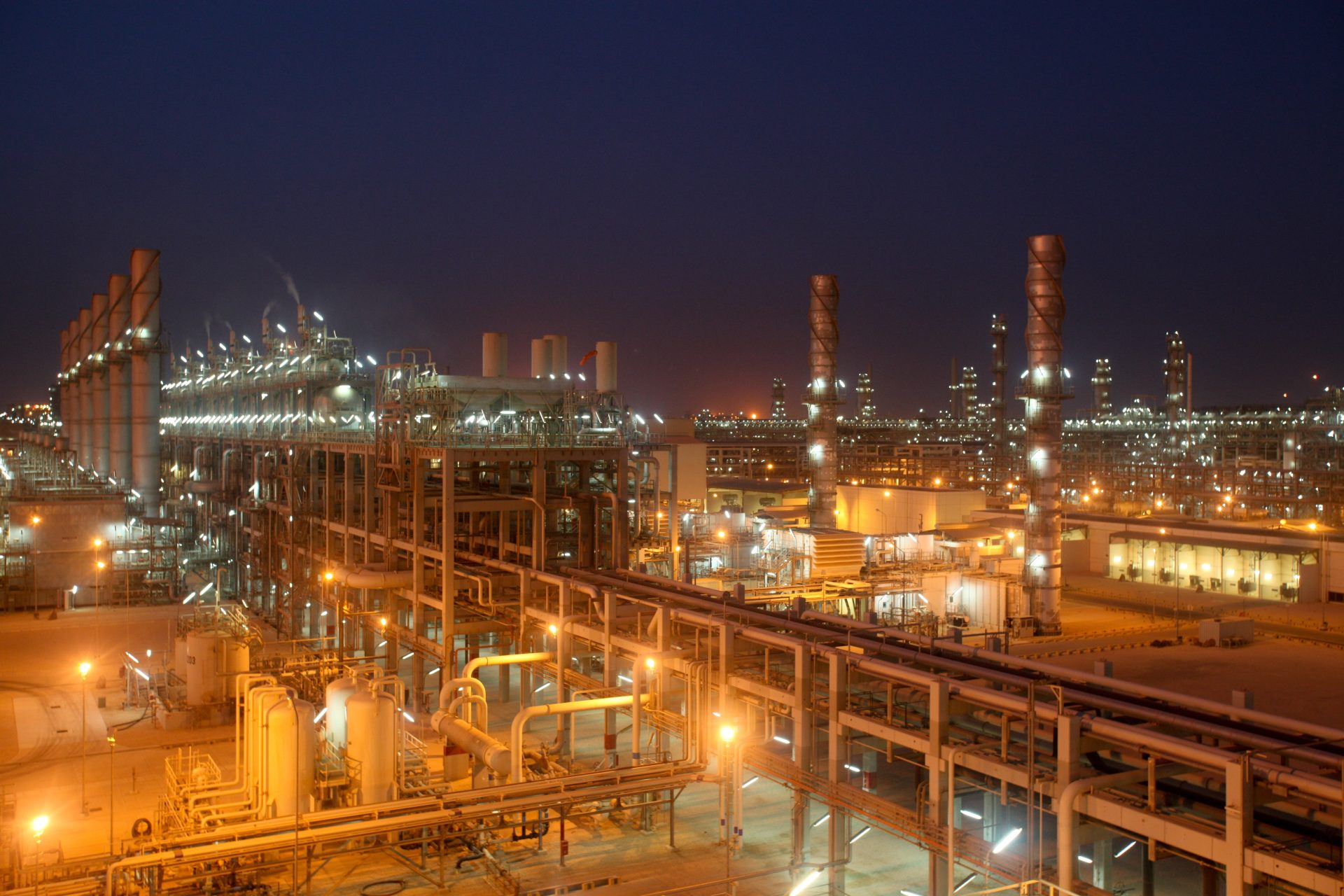
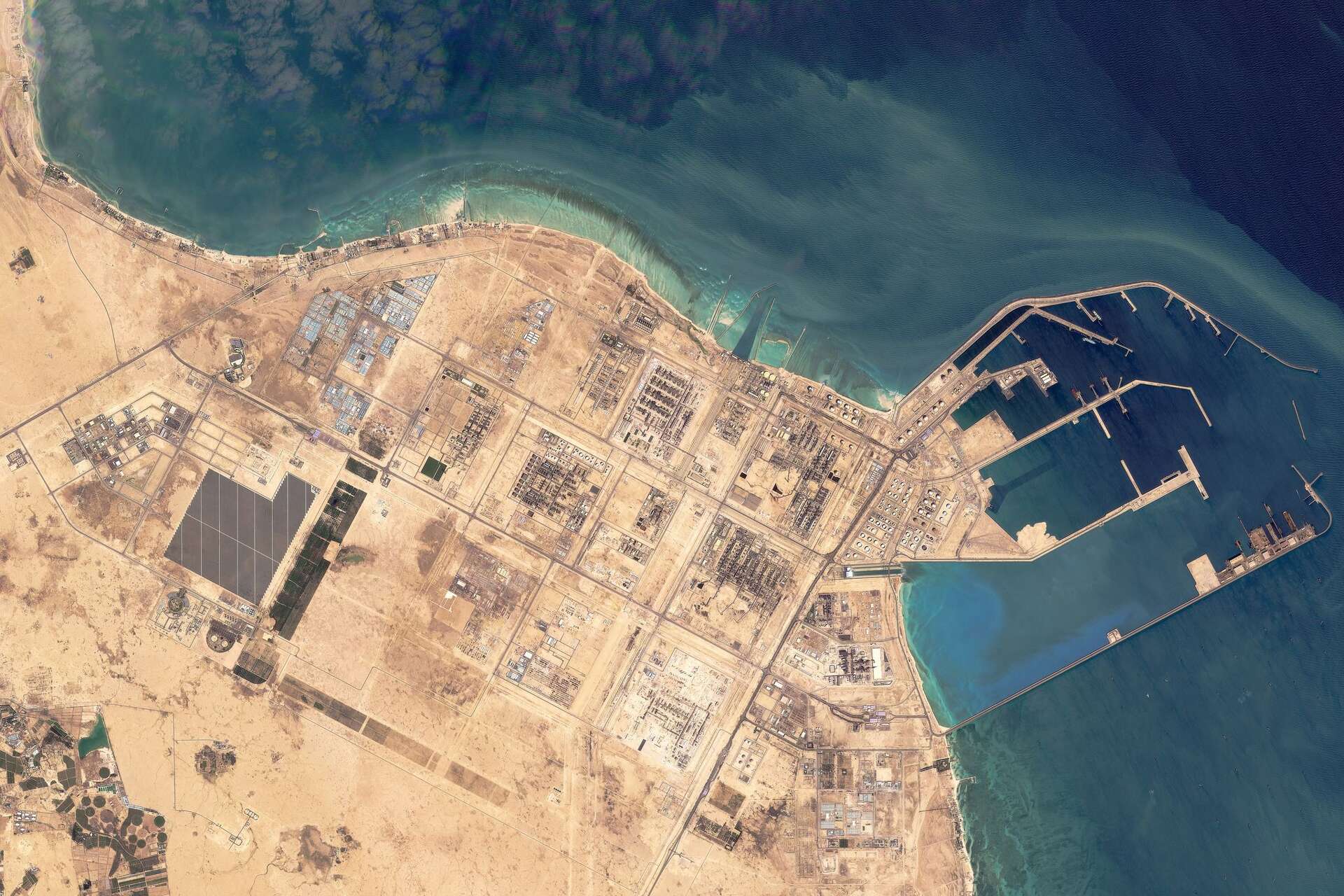
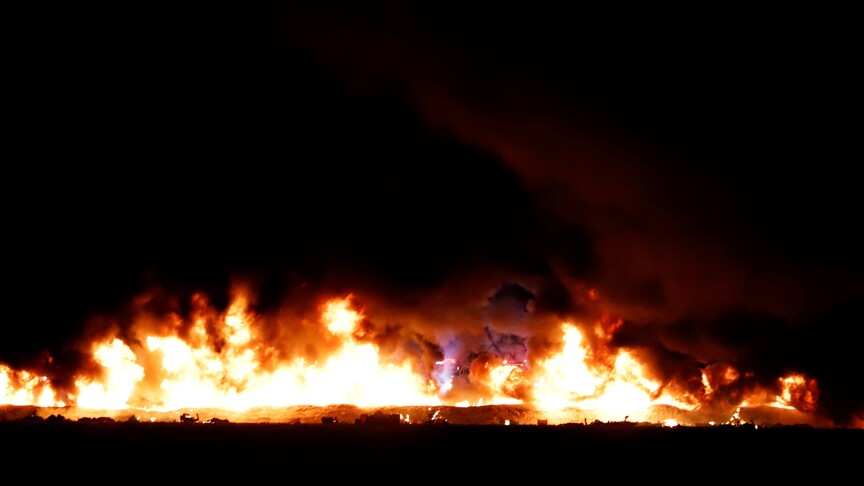
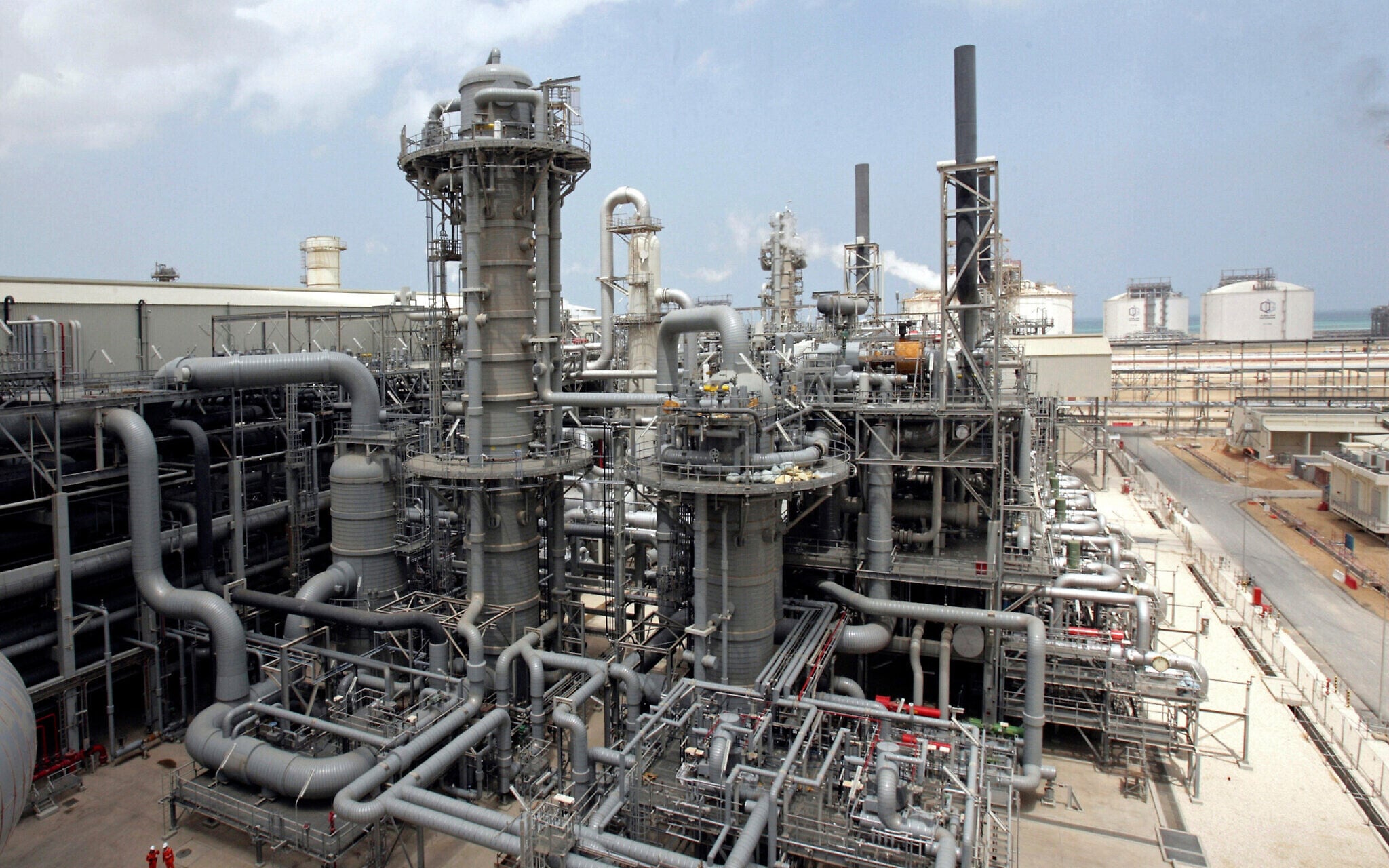
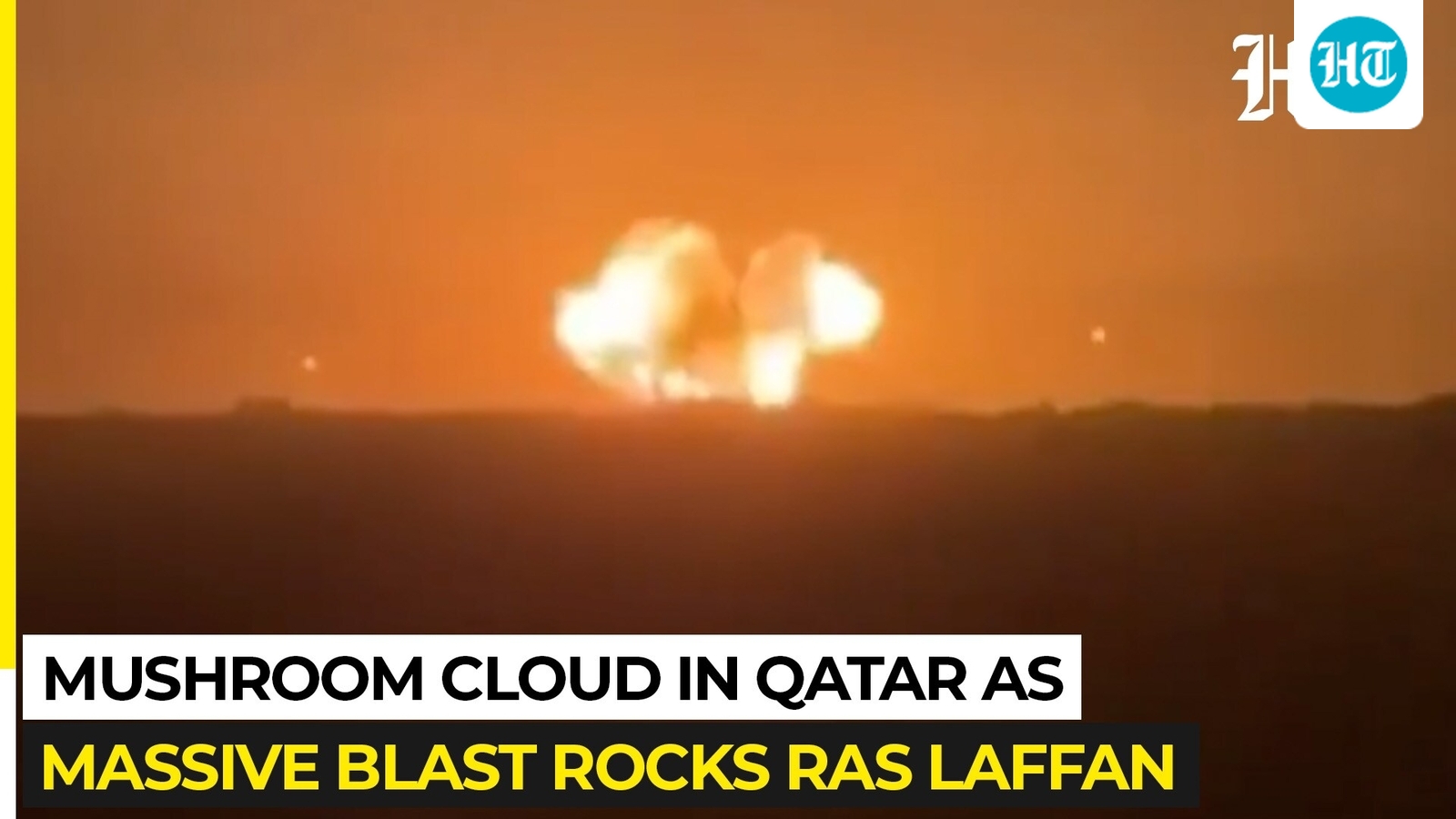
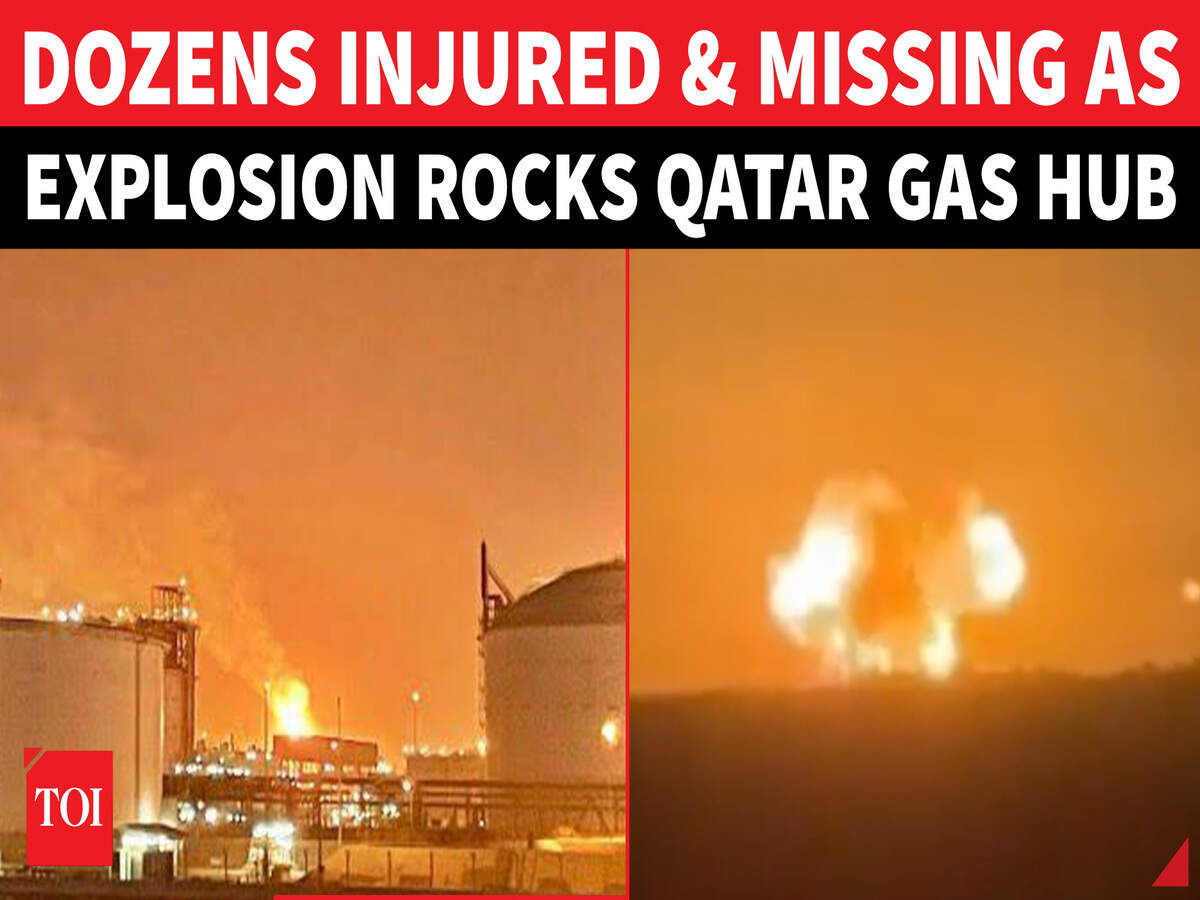
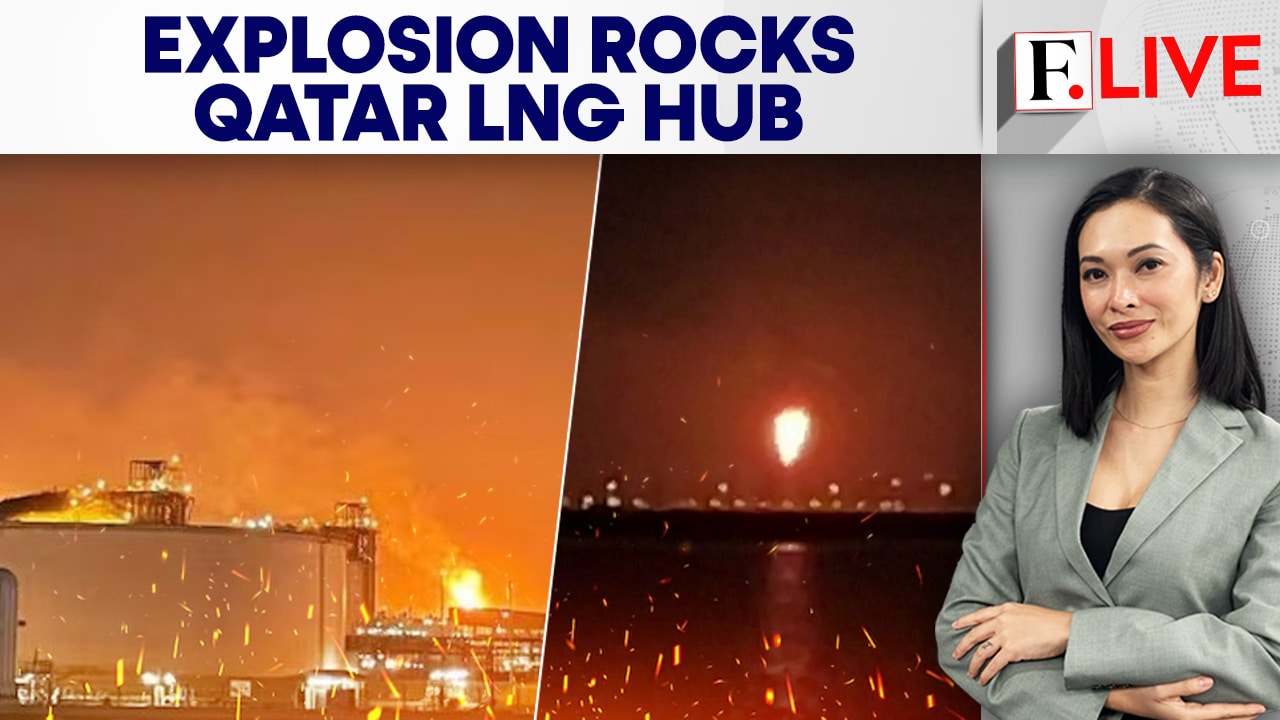
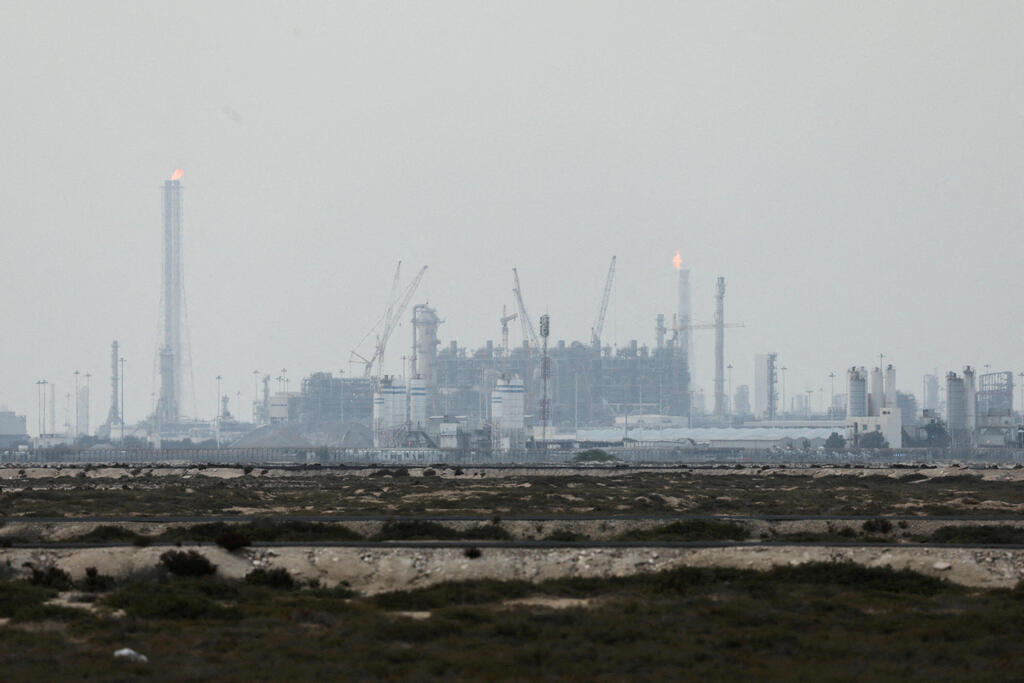
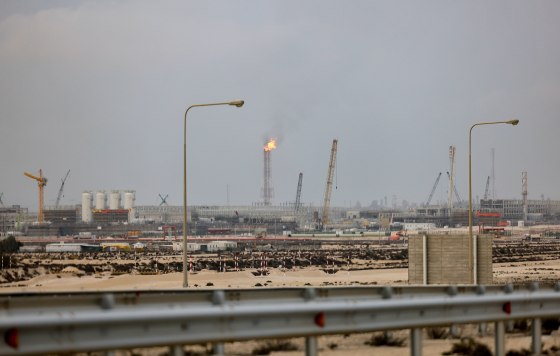
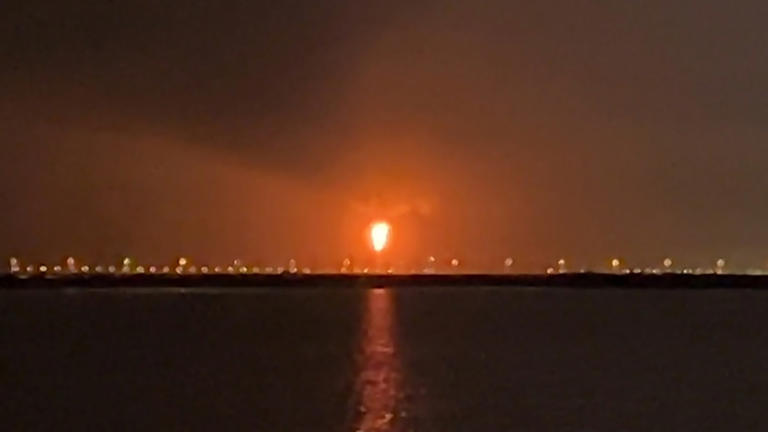
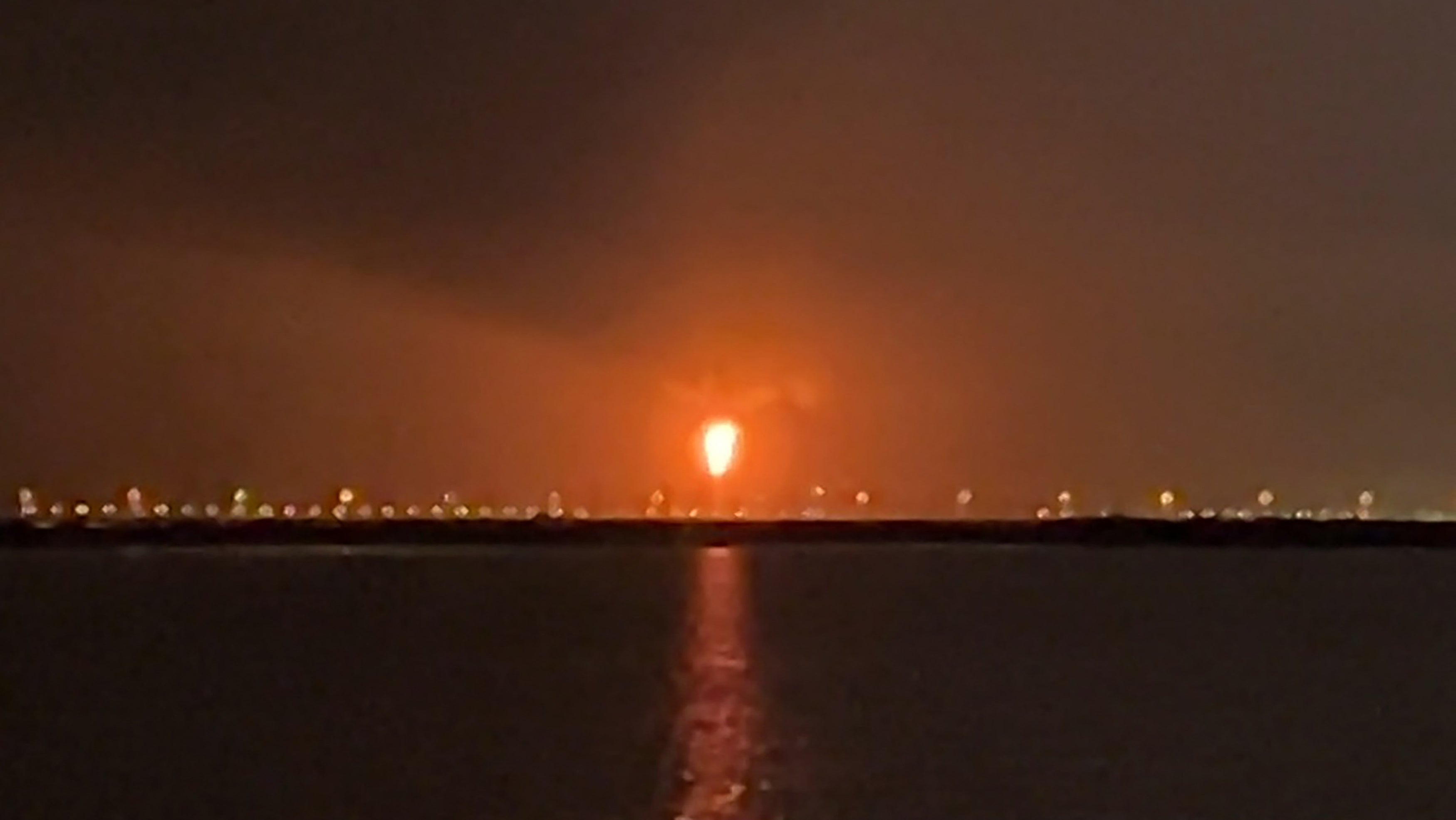
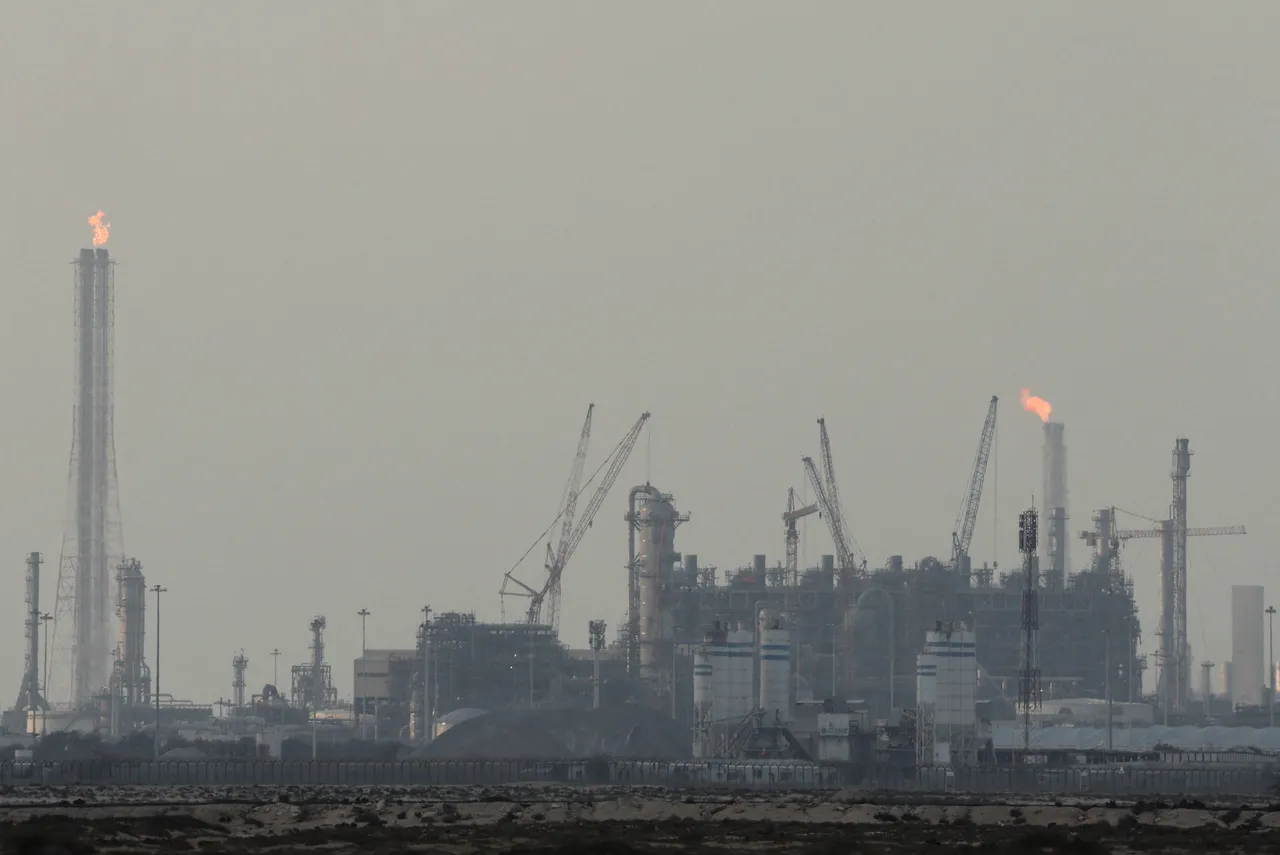
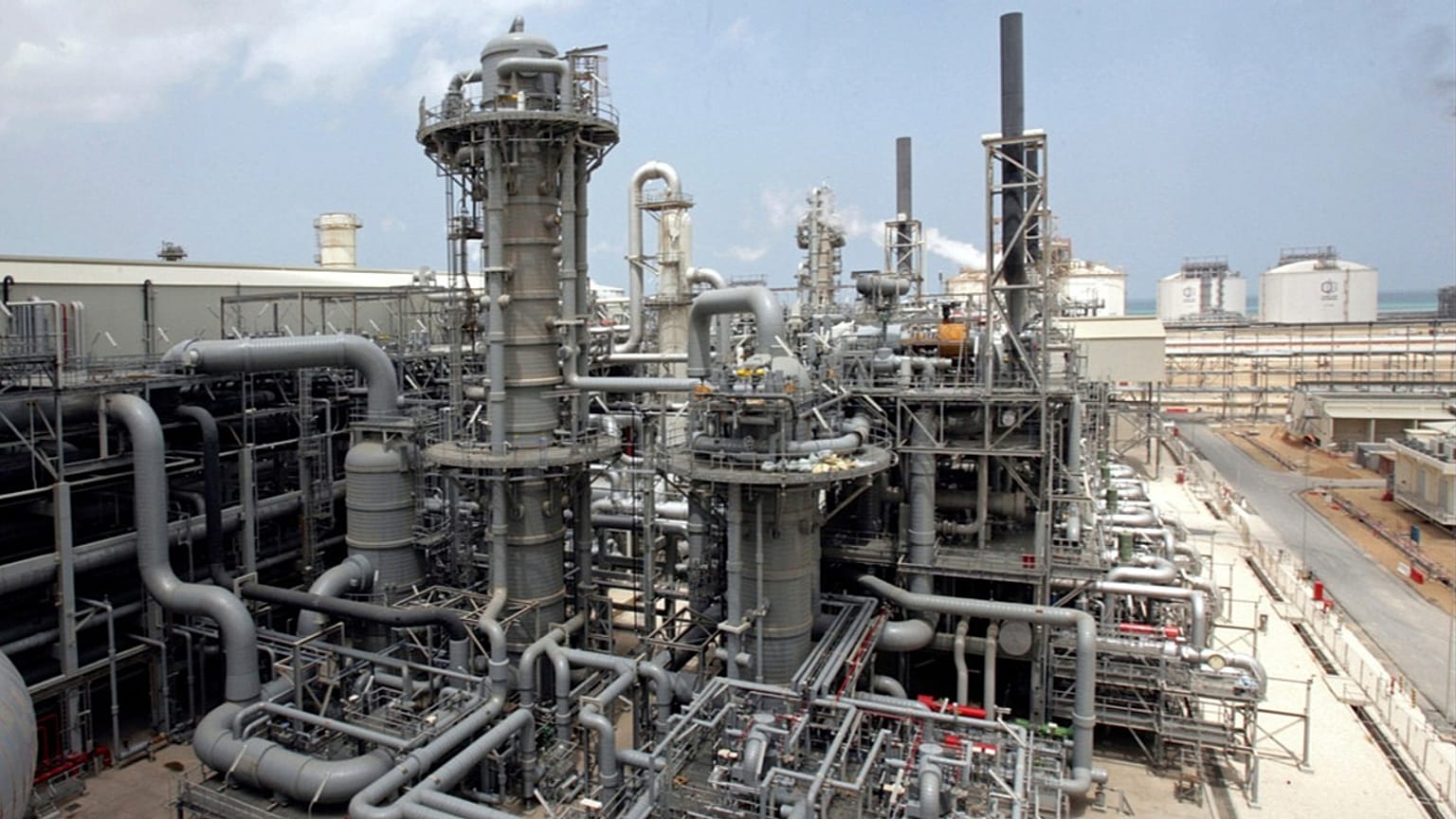
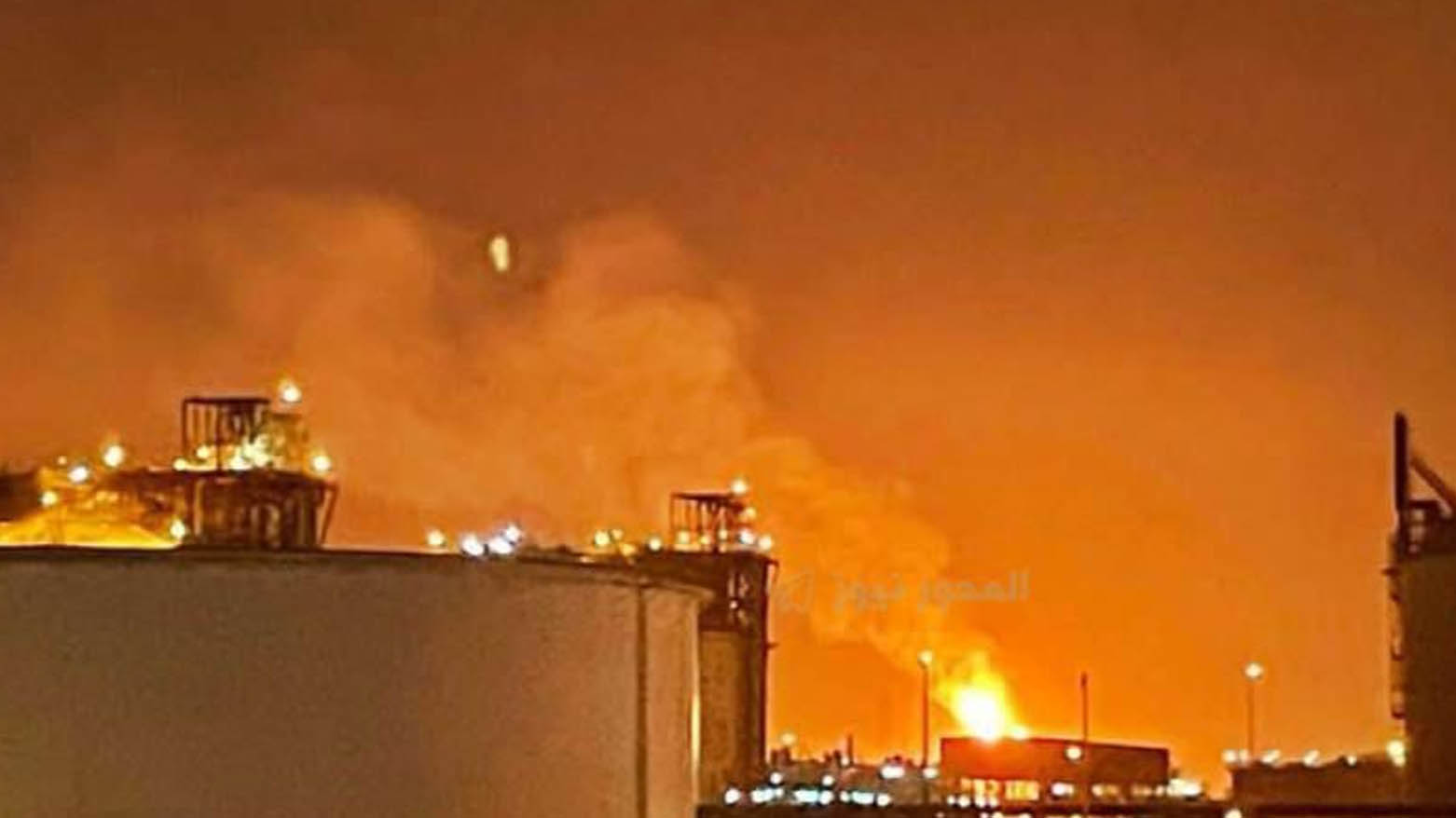
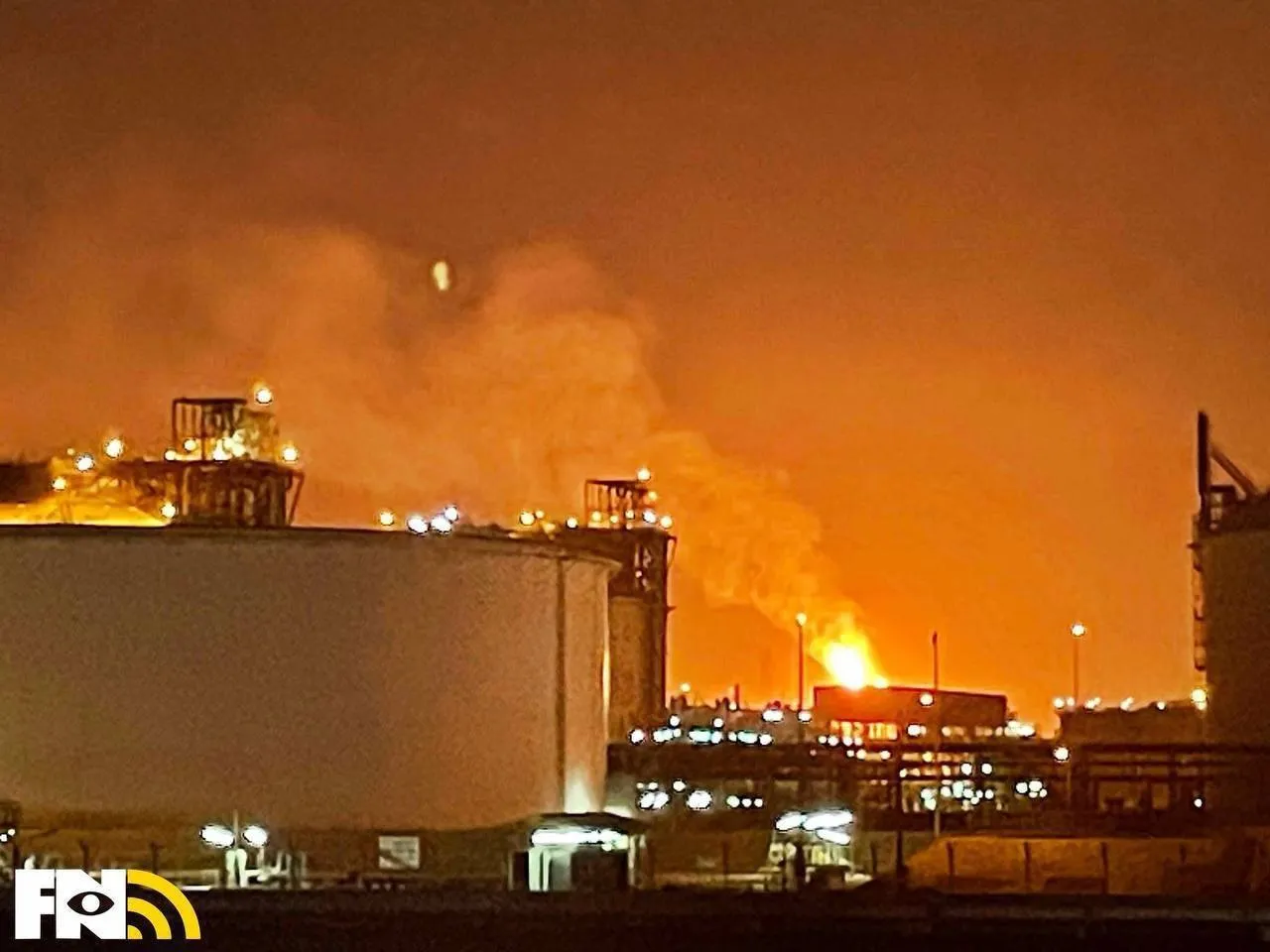
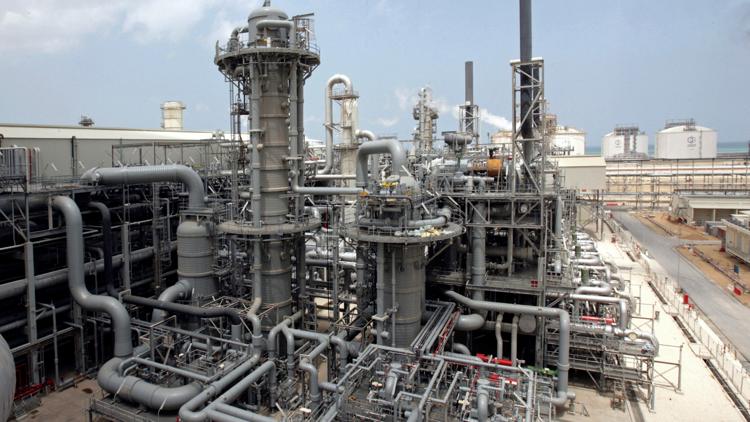
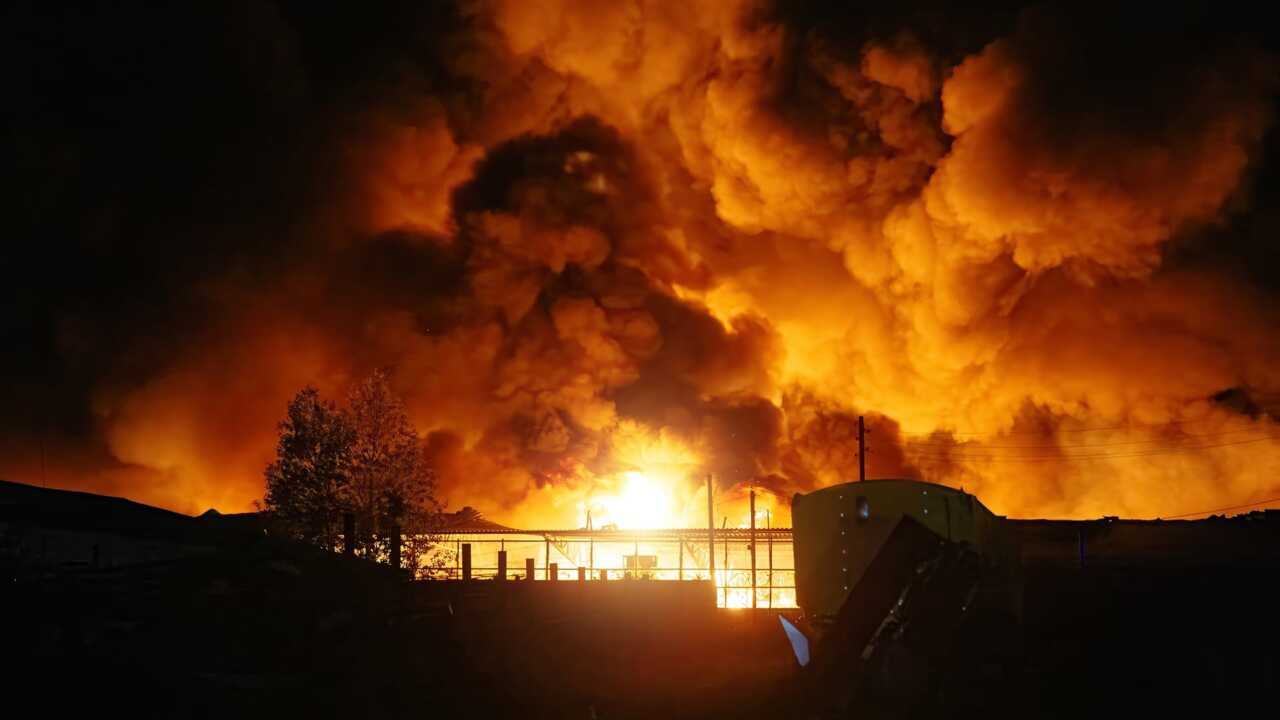
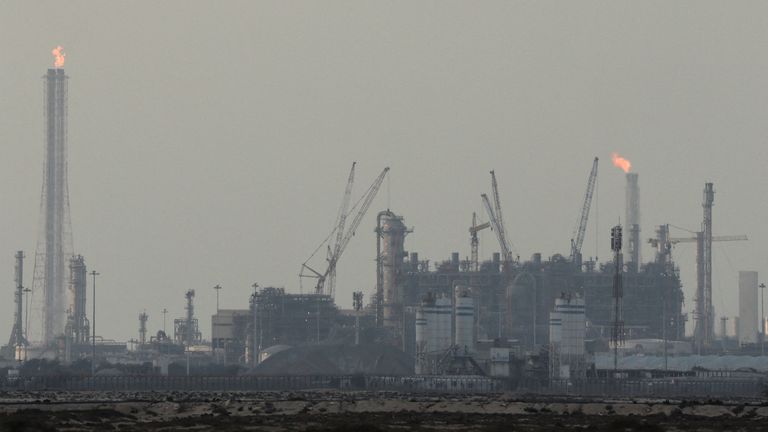
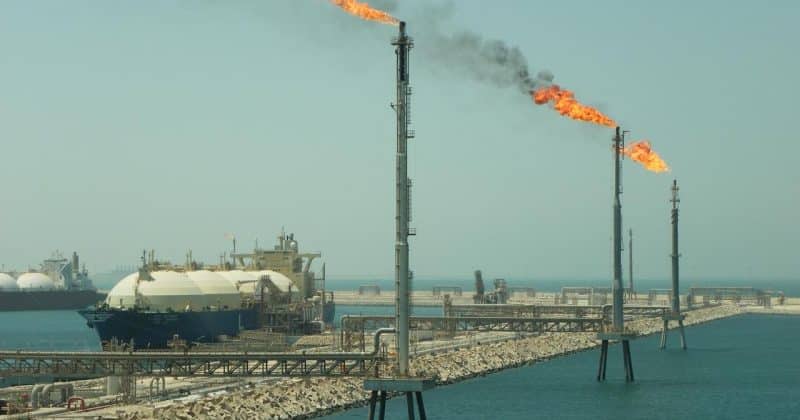
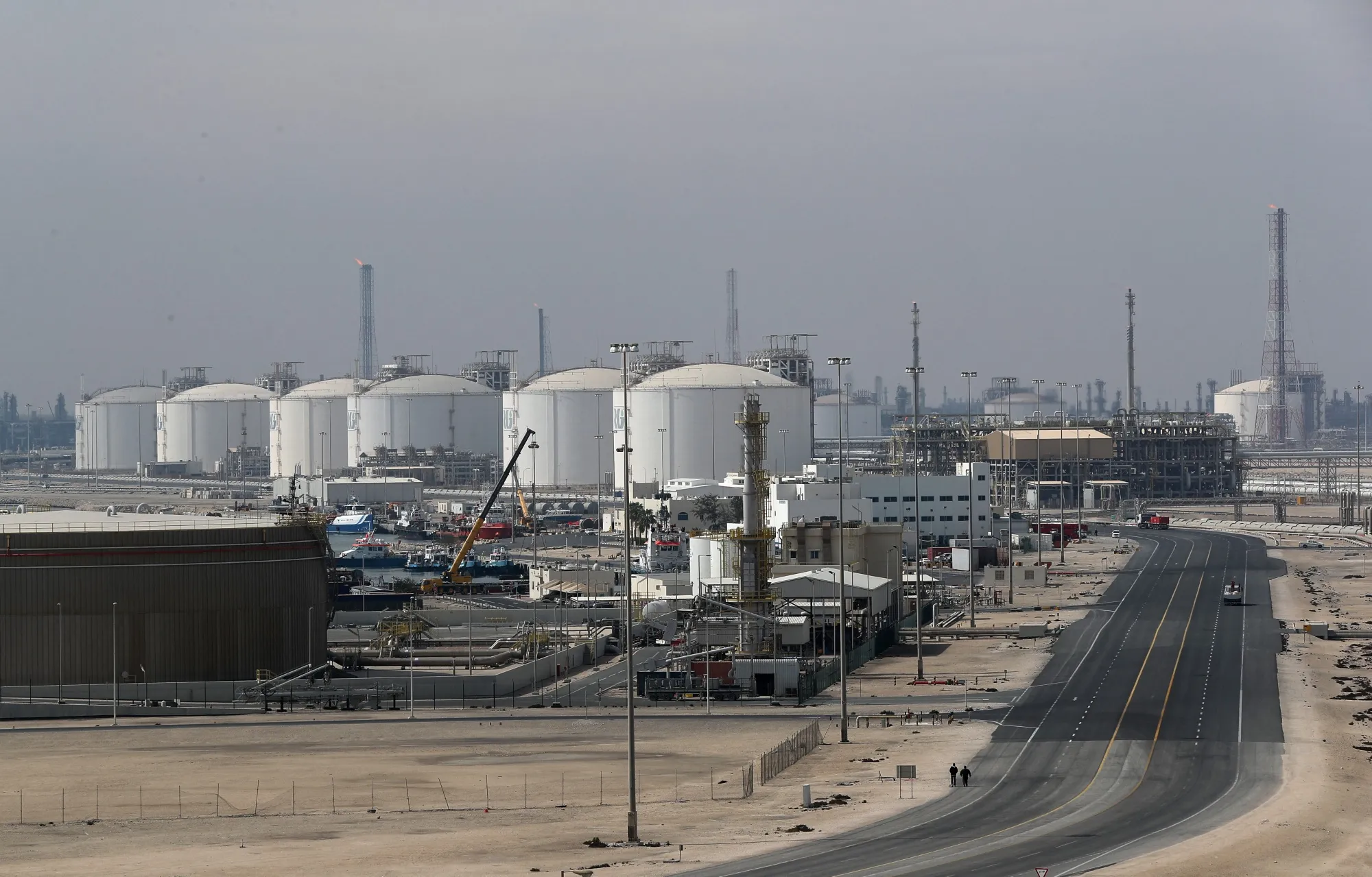
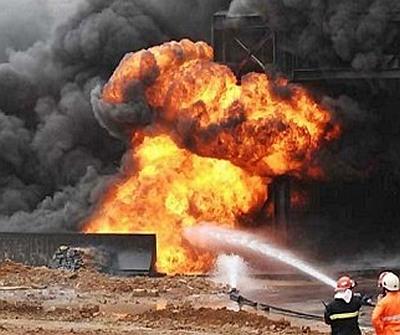
On June 21-22, 2026, a critical explosion at Qatar's Ras Laffan Industrial City—the world's largest LNG export facility—injured 54 workers and left 18 missing during restart operations at the Barzan gas supply facility. QatarEnergy attributed the incident to a technical malfunction during startup procedures. The facility produces approximately one-fifth of global LNG supply with a daily capacity of 1.4 billion cubic feet and annual export capacity of 77 million metric tons across 14 trains. This incident compounds existing infrastructure damage: two LNG trains and one gas-to-liquids facility were previously damaged during March 2024 Iranian military strikes, reducing export capacity by 17 percent with repairs expected to take years.
Direct Impact on Cross-Border E-Commerce Logistics: The explosion creates immediate supply chain vulnerabilities affecting sellers reliant on energy-dependent shipping. LNG facility disruptions cascade through global logistics networks, directly impacting freight costs for air cargo and ocean shipping. Energy price volatility triggered by production constraints typically increases logistics expenses 8-15% for sellers utilizing air freight or energy-intensive 3PL services. Sellers shipping to Europe (Italy, Belgium), Asia (South Korea, China), and other LNG-dependent markets face heightened freight cost uncertainty. The force majeure clauses invoked by QatarEnergy following March attacks freed the company from contractual obligations, signaling potential supply shortages lasting months to years.
Geopolitical Context and Recovery Timeline: The explosion occurred as Qatar attempted to restart operations following Iran's blockade of the Strait of Hormuz and ongoing regional conflict. Negotiations toward a US-Iran ceasefire and Iran's reduced maritime restrictions prompted the restart, but the accident underscores operational risks during facility ramp-up phases. The full extent of structural damage remains unassessed, with recovery timelines uncertain. For sellers, this creates a 3-12 month window of elevated energy costs and potential shipping delays, particularly affecting time-sensitive categories (electronics, perishables, fashion) requiring air freight.
Strategic Implications for Seller Operations: The incident highlights infrastructure vulnerabilities in critical energy hubs supporting global trade. Sellers should monitor QatarEnergy's damage assessments and repair timelines closely, as extended disruptions will sustain elevated logistics costs. Supply chain diversification becomes critical—sellers reliant on single-region sourcing or shipping routes face margin compression. Energy-intensive logistics (air freight, refrigerated shipping, expedited ocean services) will see cost increases of $200-500 per shipment for high-volume sellers. The incident also signals broader geopolitical risks affecting Middle East energy infrastructure, suggesting sellers should evaluate alternative sourcing regions and logistics providers to mitigate exposure to future disruptions.
Questions 7
How does the Qatar LNG explosion affect shipping costs for cross-border sellers?
The Ras Laffan facility explosion disrupts approximately 20% of global LNG supply, triggering energy price volatility that increases logistics costs 8-15% for air freight and energy-intensive shipping. Sellers utilizing air cargo for time-sensitive products (electronics, fashion, perishables) face immediate cost increases of $200-500 per shipment. Ocean freight rates also rise due to increased fuel surcharges. The impact is most acute for sellers shipping to Europe (Italy, Belgium) and Asia (South Korea, China), where LNG-dependent power generation and desalination operations face supply constraints. Sellers should expect elevated costs for 3-12 months pending facility repairs.
Which seller categories are most vulnerable to this energy supply disruption?
Sellers in air-freight-dependent categories face the highest impact: electronics (requiring expedited shipping), perishable foods (refrigerated logistics), fashion/apparel (seasonal time-sensitivity), and high-value items (jewelry, collectibles). Sellers shipping to energy-constrained regions—particularly Europe and Asia Pacific—experience compounded costs. Additionally, sellers reliant on single 3PL providers or specific shipping routes through Middle East corridors face supply chain concentration risk. Sellers with thin margins (5-10%) in competitive categories will struggle most with 8-15% logistics cost increases. Diversification across multiple 3PL providers and sourcing regions becomes critical.