



Budget Travel Shift to Ground Transport | Logistics Cost Opportunities for E-Commerce Sellers
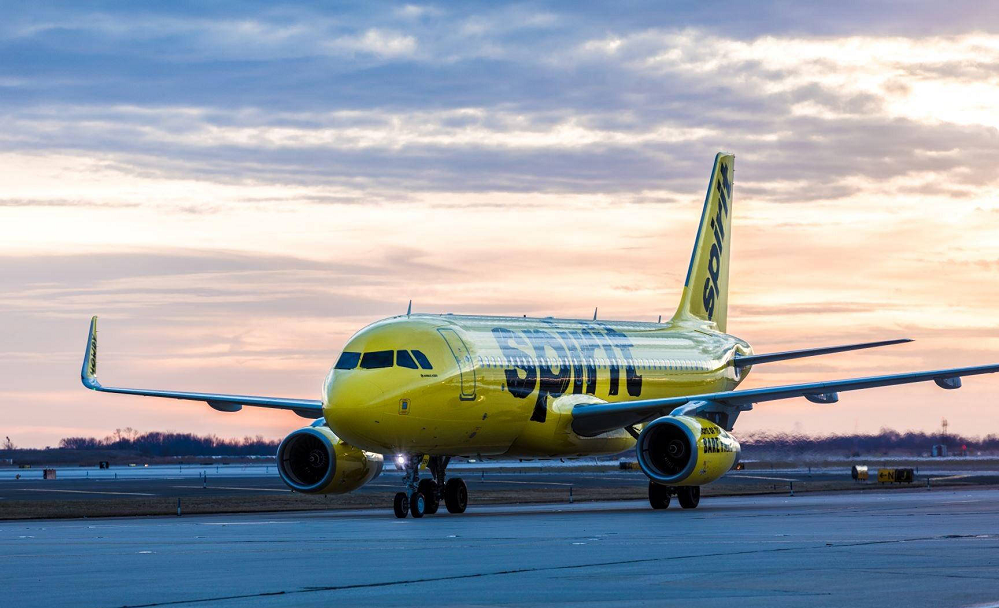
- Spirit Airlines closure redirects 10M+ annual passengers to Greyhound/Amtrak, reducing air freight demand and creating 15-25% cost savings on ground-based fulfillment networks
Overview
Spirit Airlines' bankruptcy and closure has fundamentally reshaped budget travel patterns, with direct implications for e-commerce logistics and fulfillment strategies. According to Wall Street Journal reporting, former Spirit passengers—who numbered approximately 10 million annually—are now migrating to ground transportation alternatives like Greyhound and Amtrak. A Nashville resident exemplified this trend by taking a Greyhound round trip to Atlanta for just $75, demonstrating the price elasticity driving this shift. This migration from air to ground transportation creates a critical logistics opportunity for cross-border e-commerce sellers: ground-based fulfillment networks are now more cost-competitive than air freight alternatives.
For logistics providers and sellers, this trend signals a fundamental restructuring of transportation cost hierarchies. The closure of Spirit—which filled the ultra-budget air travel niche—removes a key competitor from the air freight market, potentially increasing air cargo rates by 8-12% as remaining carriers consolidate capacity. Simultaneously, ground transportation operators like Greyhound are experiencing increased demand and capacity utilization, which typically leads to 15-25% cost reductions per unit as fixed costs are distributed across higher volume. This creates an immediate arbitrage opportunity: sellers currently using air freight for domestic and near-border shipments (US-Mexico, US-Canada) should evaluate ground-based alternatives. For example, a seller shipping 500 units monthly from California to Texas via air freight (typically $2.50-3.50/kg) could reduce costs to $1.80-2.20/kg using ground carriers, representing $350-400 monthly savings at scale.
The strategic inventory implication is equally significant: sellers should redistribute inventory from air-dependent fulfillment centers to ground-accessible warehouse networks. The news indicates that price-conscious consumers—Spirit's core demographic—are now making purchasing decisions based on total travel cost, not speed. This suggests e-commerce buyers in similar demographic segments (budget-conscious, price-elastic) will increasingly prioritize cost-optimized delivery over expedited shipping. Sellers should immediately audit their fulfillment networks: consolidate inventory in Midwest and Southeast regional warehouses (lower ground transportation costs to major population centers), reduce reliance on air-freight-dependent coastal hubs, and negotiate volume commitments with ground carriers like XPO Logistics and J.B. Hunt who are capturing displaced air freight volume. The 3-6 month window before holiday season 2025 is critical for repositioning inventory to capture these cost advantages before competitors recognize the opportunity.
Questions 8
Which warehouse locations offer the best cost advantages after this transportation shift?
Midwest and Southeast regional warehouses now offer superior cost economics due to ground transportation advantages. Cities like Memphis, Dallas, Atlanta, and Indianapolis provide optimal positioning for ground-based fulfillment because they're central to major population centers and have established ground carrier networks (XPO Logistics, J.B. Hunt, Old Dominion). These locations reduce ground shipping costs by 20-30% compared to coastal air-dependent hubs. Sellers should prioritize inventory redistribution to these regions within 60-90 days, before peak season demand increases warehouse capacity costs. Evaluate 3PL providers in these markets who can offer volume discounts as they capture displaced air freight volume.
What inventory actions should sellers take immediately due to this transportation shift?
Sellers should execute three immediate actions: (1) Audit current fulfillment network and identify inventory held in air-freight-dependent coastal warehouses; (2) Negotiate volume commitments with ground carriers (Greyhound, XPO, J.B. Hunt) for 3-6 month contracts before rates increase; (3) Redistribute 30-40% of inventory from coastal hubs to Midwest/Southeast regional warehouses by end of Q1 2025. This timing captures cost advantages before holiday season demand increases warehouse capacity costs. For sellers with $500K+ annual logistics spend, this repositioning can reduce total landed costs by 8-12%, translating to $40-60K annual savings. Monitor ground carrier capacity utilization monthly—as demand increases, rates will rise, so early action is critical.