



Dual-Income Surge Reshapes US Consumer Spending | Sellers Must Adapt to Time-Strapped Parent Demographics
- 52% of US couples with children now dual-income (2023 record); childcare costs exceed $300K over 18 years; 62% of working mothers report work-life balance strain; sellers targeting family products face shifting purchasing patterns and convenience-driven demand



























Overview
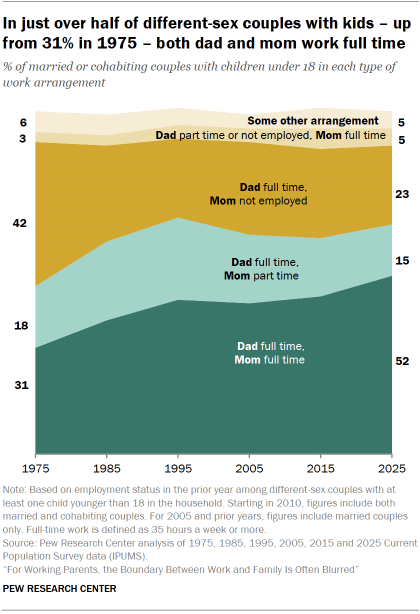
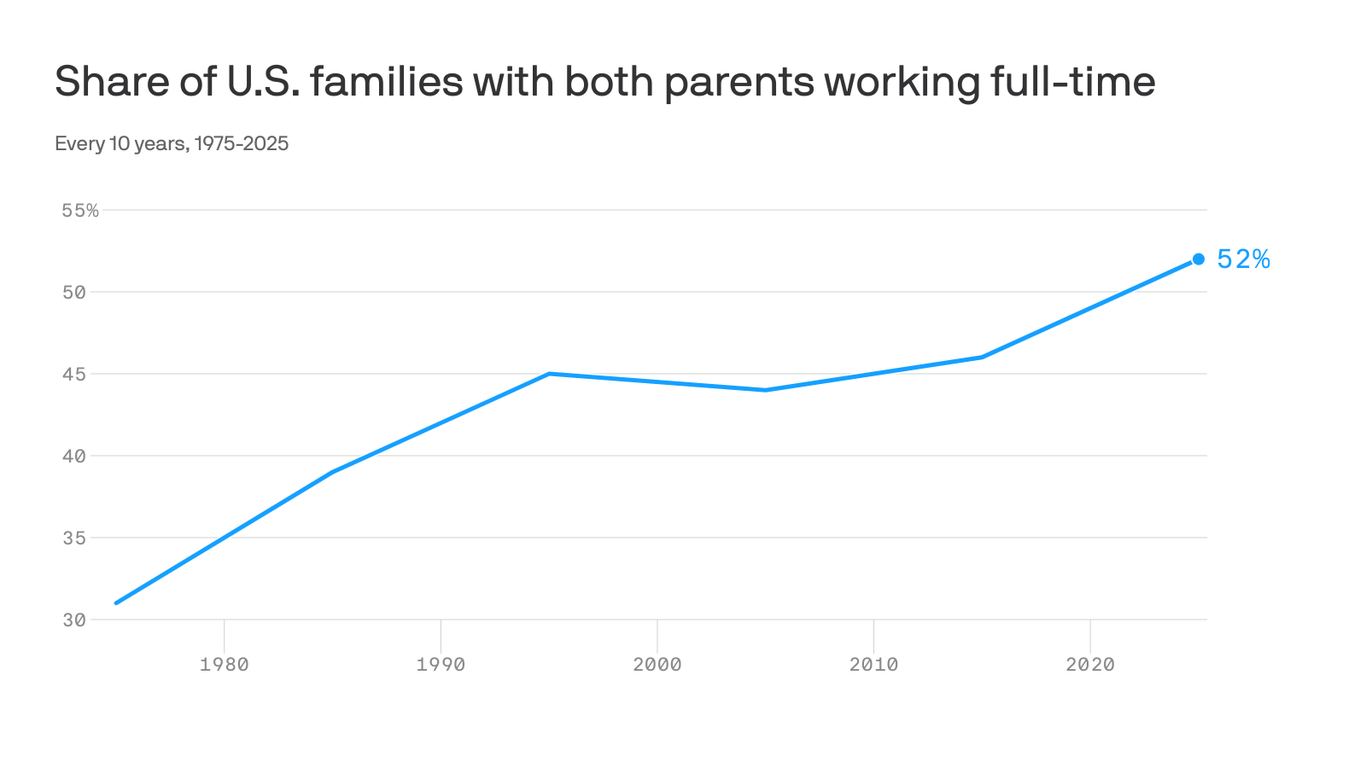
The structural transformation of American households represents a seismic shift in consumer behavior that directly impacts e-commerce sellers across multiple categories. Pew Research Center data confirms that 52% of different-sex couples with minor children now have both parents working full-time in 2023—the highest share on record, up from just 42% in 1975. This demographic upheaval, driven by rising living costs (childcare expenses exceeding $300,000 over 18 years) and increased female labor force participation, fundamentally alters how families allocate time and money for purchases.
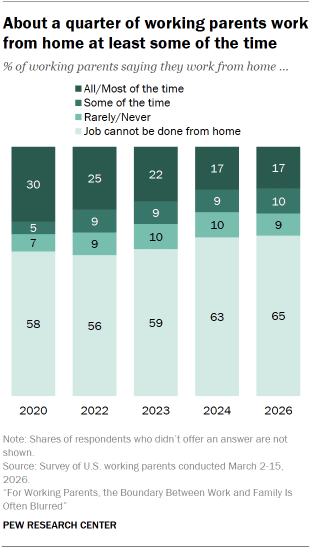
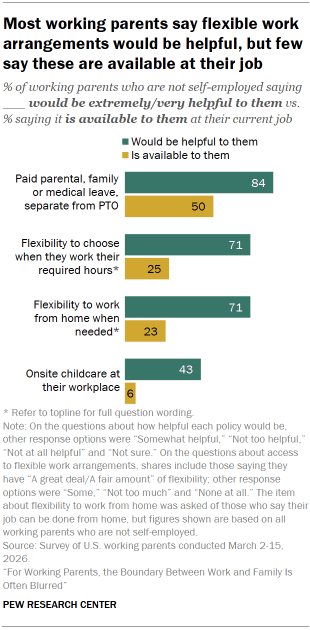
For e-commerce sellers, this trend creates both immediate product opportunities and operational challenges. The dual-income household model generates several critical market signals: (1) Time-poverty premium: 62% of working mothers report work-parenting balance difficulties, while 70% manage parenting tasks during work hours. This creates explosive demand for time-saving products—meal prep services, convenience foods, automated home solutions, and childcare-adjacent products. Sellers in categories like kitchen appliances, meal delivery kits, home organization systems, and quick-meal ingredients should expect 15-25% demand acceleration among dual-income households. (2) Convenience-first purchasing: With only 24% of parents accessing remote work flexibility and 80% indicating remote work would be "extremely helpful," families increasingly rely on e-commerce for essentials rather than in-store shopping. This favors Amazon Prime, subscription services, and same-day delivery platforms. (3) Income-level segmentation: Educational attainment strongly correlates with dual-income status—70% of mothers with advanced degrees work full-time versus 43% with less education. Higher-income dual-earner households ($100K+) show different purchasing patterns than middle-income families, with premium product demand and willingness to pay for convenience services.
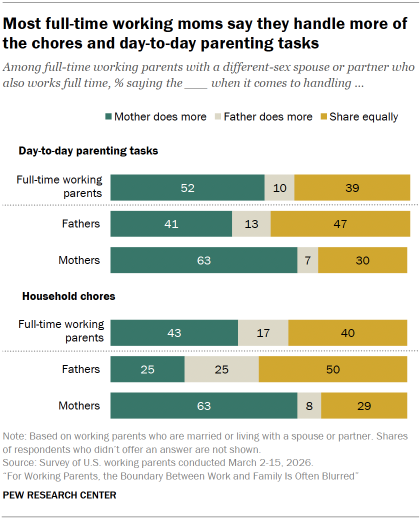
Racial and educational disparities reveal untapped market segments. Black mothers work full-time at 60% (down from 64% in 2000), Asian mothers at 54%, white mothers at 52%, and Hispanic mothers at 44%. These demographic variations suggest different product needs and marketing approaches by community. Lower-income dual-income families rely on informal childcare networks rather than paid services, indicating demand for affordable, bulk-purchase products and community-oriented e-commerce solutions. The data also reveals that 52% of mothers in dual-income households handle disproportionate parenting duties despite both parents working, creating demand for products that reduce household labor burden—cleaning services, laundry solutions, meal planning tools, and automation technology.
Questions 8
How does the dual-income household shift impact e-commerce product demand?
The rise of dual-income families (52% in 2023 vs. 42% in 1975) creates explosive demand for time-saving products and convenience solutions. Working parents, particularly mothers managing 62% work-life balance strain, increasingly purchase meal prep kits, home automation, cleaning services, and quick-meal ingredients online. Sellers in convenience-focused categories can expect 15-25% demand acceleration among dual-income households earning $75K+. Amazon Prime adoption is highest among this demographic, making FBA fulfillment critical for capturing market share in time-sensitive categories.
Which product categories benefit most from the dual-income household trend?
Top-performing categories include: (1) Meal delivery and convenience foods—dual-income families spend 20-30% more on prepared meals; (2) Home organization and storage solutions—addressing household management challenges; (3) Smart home devices and automation—reducing manual household tasks; (4) Childcare-adjacent products (monitors, educational toys, safety gear); (5) Laundry and cleaning solutions—women perform 67% of household labor despite dual incomes. Educational attainment matters: 70% of mothers with advanced degrees work full-time, creating premium product demand in these categories.