


Middle East Conflict Escalation Threatens Strait of Hormuz Shipping Routes | Cross-Border Sellers Face Supply Chain Disruption Risk
- Ongoing Israel-Lebanon military operations risk destabilizing Iran-US ceasefire; Strait of Hormuz toll threats could increase logistics costs 8-15% for sellers shipping from Asia-Pacific and Middle East regions













Overview
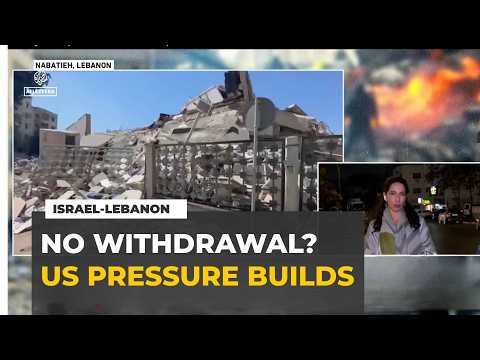
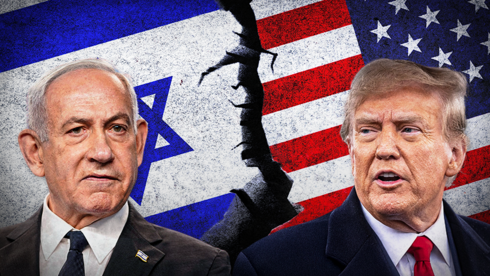
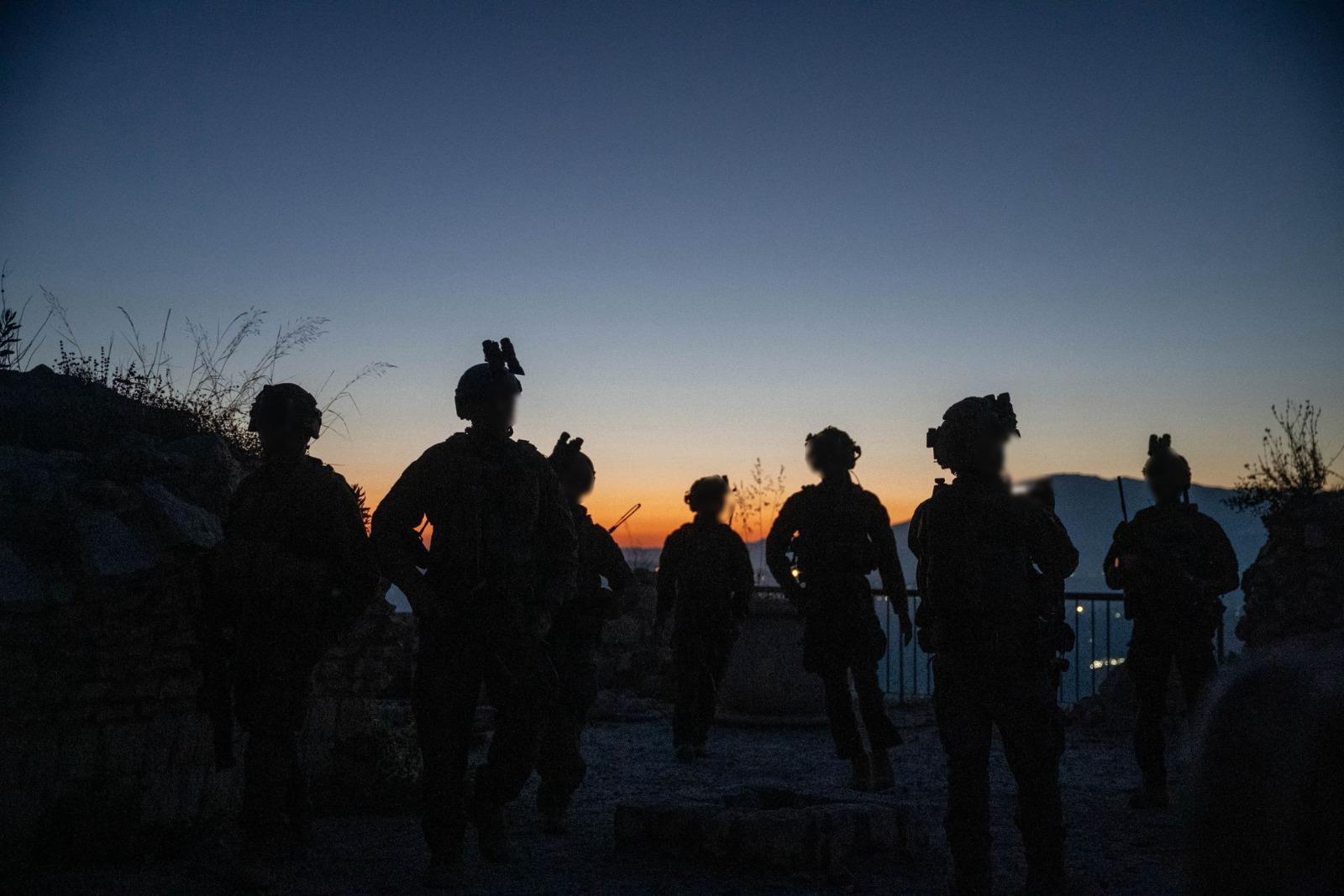
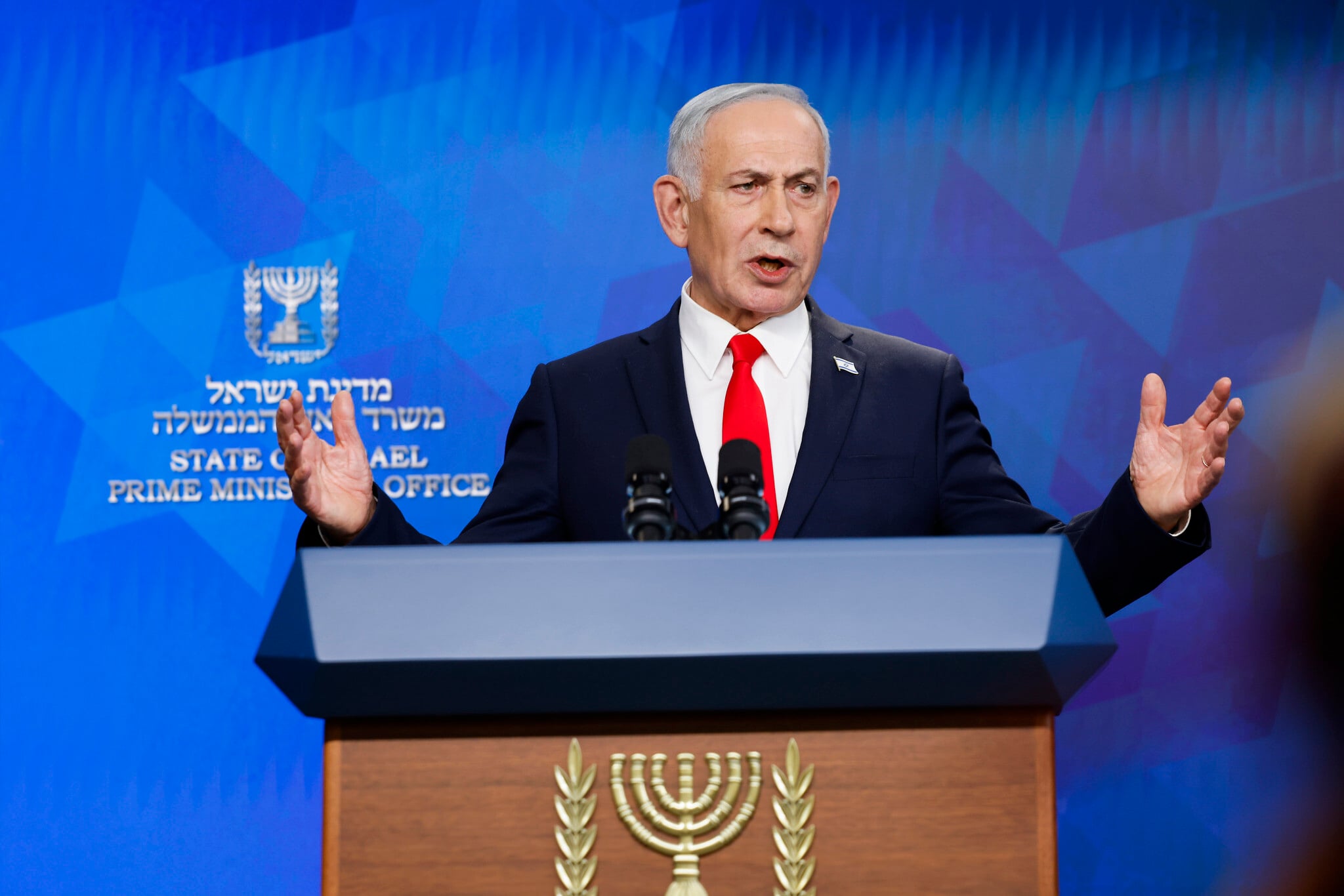
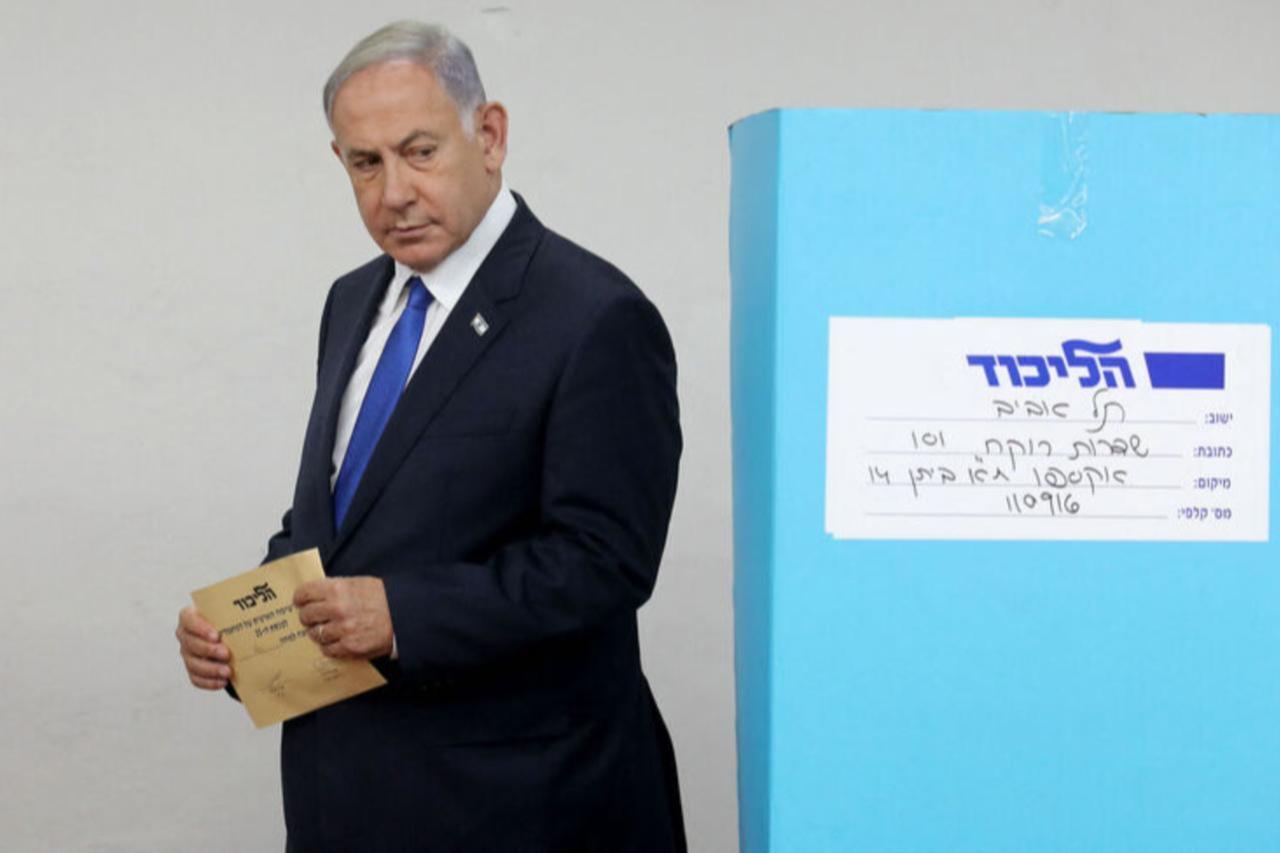
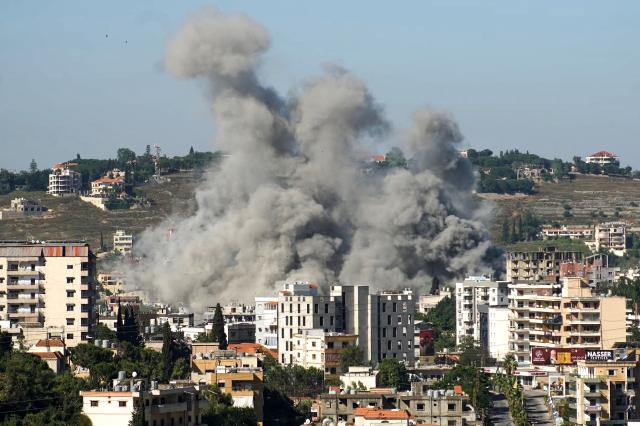
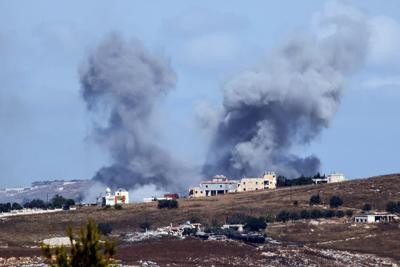
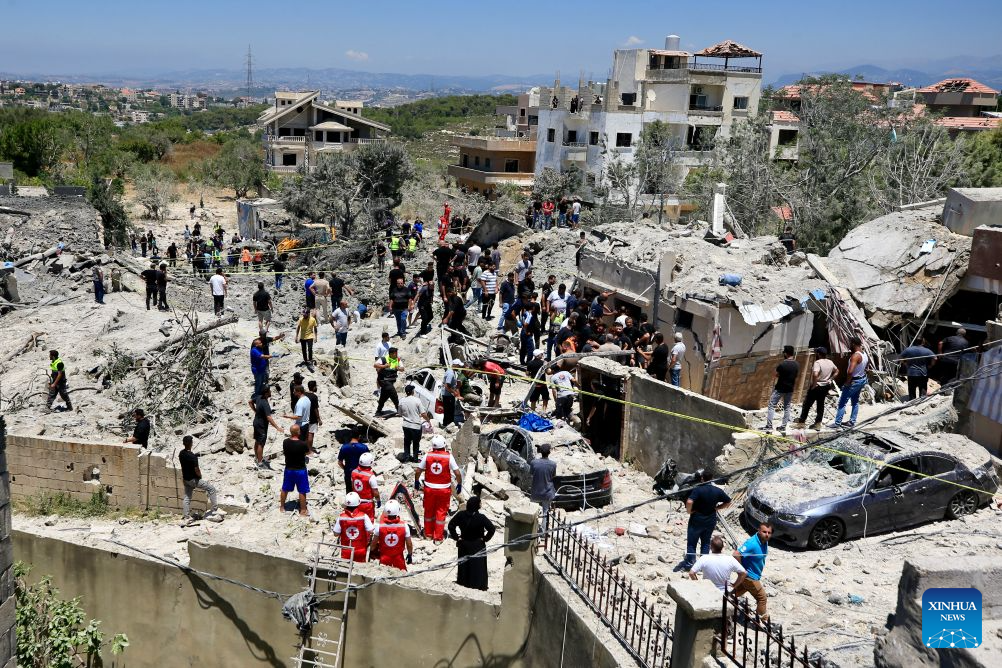
The fragile ceasefire between Israel and Hezbollah-backed Lebanon, formalized through a US-Iran memorandum of understanding (MoU) signed in June 2026, faces critical collapse risk as Israeli military operations continue unabated despite diplomatic agreements. Israeli Defence Minister Israel Katz announced on June 21, 2026, that Israeli soldiers maintain unrestricted authority to conduct operations within a 10-kilometer security zone in southern Lebanon, contradicting the MoU's explicit provisions for permanent cessation of military operations on all fronts. Israeli attacks have killed over 4,000 people since March 2, 2026, with 12,121 wounded, prompting Iran to postpone scheduled peace talks with the US.
Supply Chain & Logistics Impact: The most critical e-commerce implication emerges from Australian Opposition Foreign Affairs Minister Ted O'Brien's warning that Iran could introduce tolls through the Strait of Hormuz—a chokepoint controlling 21% of global petroleum trade and 30% of liquefied natural gas shipments. For cross-border sellers, this translates to direct cost pressures: shipping containers from Asia-Pacific to Europe via the Suez Canal route (which requires Strait of Hormuz transit) could face 8-15% cost increases if Iran implements toll mechanisms. Sellers shipping electronics, apparel, and home goods from China, Vietnam, and India to US/EU markets face immediate supply chain vulnerability. The MoU's inclusion of Lebanon's territorial integrity as essential to the deal signals that any further Israeli escalation could trigger Iranian retaliation targeting shipping infrastructure, creating logistics bottlenecks similar to the 2021 Suez Canal blockade that cost global trade $9.6B daily.
Market-Specific Risks: Sellers with inventory sourced from or transiting through Lebanon, Israel, or Iran face direct operational disruption. The ceasefire's precarious nature—marked by continued Israeli strikes despite agreements and Hezbollah's conditional commitment—creates unpredictable supply delays. Australian sellers face additional regulatory complexity: Prime Minister Anthony Albanese clarified that Australia will not automatically follow US sanctions lifting on Iran, creating divergent compliance requirements for sellers operating across multiple jurisdictions. Sellers shipping to Australian customers must maintain separate compliance frameworks, increasing administrative overhead by 5-8 hours monthly per SKU. The political division within Australia (Opposition backing Israel's military operations while the government opposes Israeli occupation) signals potential future sanctions changes, creating long-term policy uncertainty for sellers with Iran-related supply chains or customer bases.
Actionable Intelligence for Sellers: The news reveals that neither Israel nor Hezbollah are signatories to the US-Iran MoU, meaning enforcement mechanisms are weak and escalation risk remains high through at least Q3 2026. Sellers should immediately audit supply chain dependencies on Middle East transit routes and consider diversifying through alternative logistics corridors (air freight via Southeast Asia, overland routes through Central Asia). The Strait of Hormuz toll threat is not hypothetical—it reflects Iran's demonstrated willingness to weaponize shipping infrastructure as negotiating leverage, similar to 2019 tanker attacks. Sellers with 30+ days of inventory in transit should accelerate shipments before potential toll implementation. Long-term, the geopolitical fragmentation (US-Iran deal, Australian sanctions divergence, Israeli defiance) suggests a shift toward regionalized supply chains, favoring sellers with diversified sourcing across multiple geopolitical blocs.
Questions 7
How could Iran's Strait of Hormuz tolls directly impact my shipping costs?
Iran controls the Strait of Hormuz, through which 30% of global liquefied natural gas and 21% of petroleum transit. If Iran implements toll mechanisms (as warned by Australian officials), sellers shipping containers from Asia-Pacific to Europe face 8-15% cost increases on routes requiring Strait transit. A standard 40-foot container from Shanghai to Rotterdam costs approximately $3,500-4,200 currently; a 10% toll would add $350-420 per shipment. For sellers moving 100+ containers monthly, this represents $35,000-42,000 in additional monthly costs. The risk is immediate: the ceasefire remains fragile, with Israeli military operations continuing despite the US-Iran MoU, making escalation and toll implementation possible within 30-90 days.
Should I change my sourcing strategy due to Middle East conflict risks?
Yes, immediate diversification is recommended. The news shows that Israel, Hezbollah, and Iran are not bound by the US-Iran ceasefire agreement, meaning military escalation could disrupt shipping at any time. Sellers should audit current supply chains: if more than 20% of inventory transits through the Strait of Hormuz or originates from Lebanon/Israel/Iran, consider alternative sourcing from Vietnam, Thailand, or Indonesia (which route through the Malacca Strait, a more stable corridor). For sellers already committed to Middle East sourcing, accelerate shipments immediately—the longest pause in hostilities since March 2026 was only one day (Saturday evening), indicating ceasefire fragility. Alternative routes via Central Asia or air freight cost 15-25% more but eliminate Strait of Hormuz risk.