




Precious Metals Price Volatility | Sellers Face Higher Financing Costs & Supply Chain Inflation
- Fed rate hike probability surges to 89% by December 2026; gold volatility creates financing headwinds for cross-border sellers with inventory-heavy models




















Overview
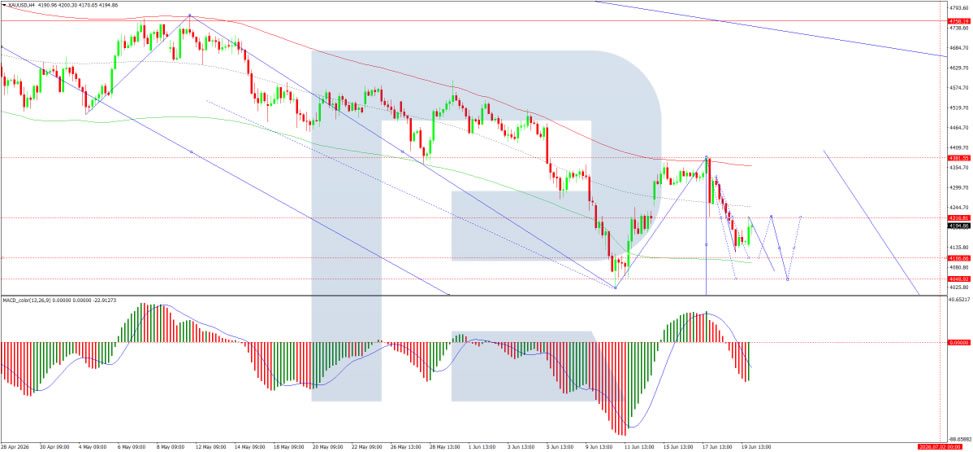
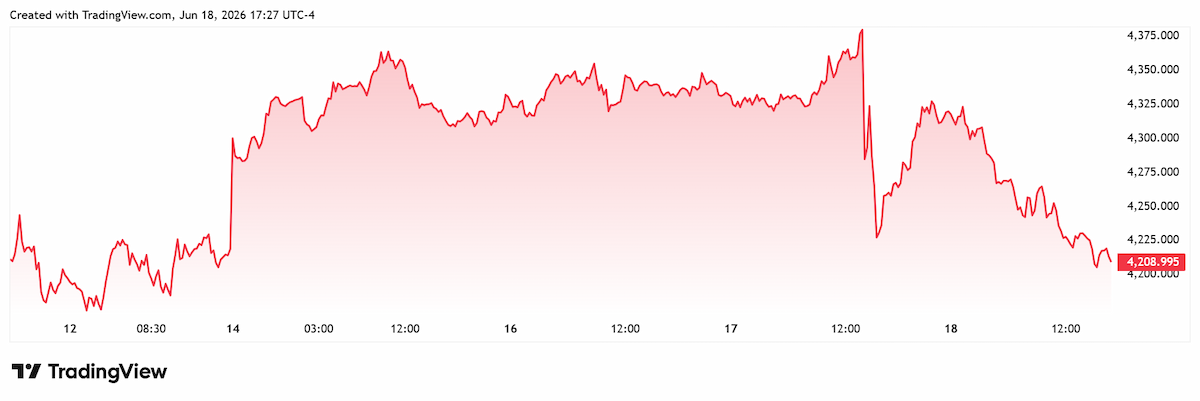
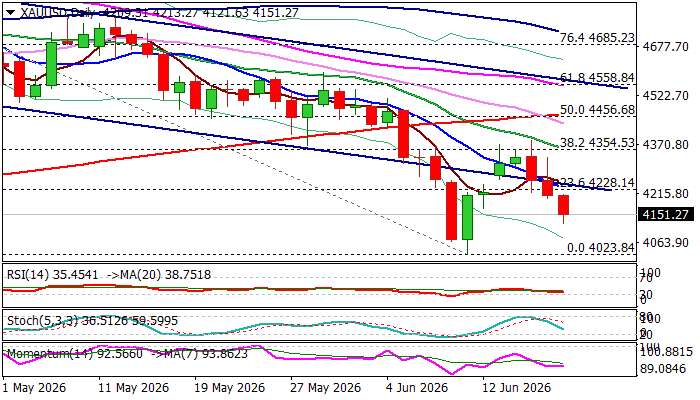
The Federal Reserve's hawkish monetary stance is creating a dual-pressure environment for cross-border e-commerce sellers. Between June 21-22, 2026, gold prices oscillated between $4,194.99-$4,226.90 per ounce as traders balanced U.S.-Iran peace progress (which reduced geopolitical risk premiums and oil prices by 1-2%) against Fed Chair Kevin Warsh's inflation-focused messaging. CME FedWatch Tool data shows traders now pricing an 89% probability of a December 2026 rate hike, up from 61% before the Fed's latest meeting—a critical shift for sellers relying on working capital financing.
For inventory-heavy sellers, rising interest rates directly compress margins through increased borrowing costs. Sellers financing inventory through Amazon Lending, traditional bank lines of credit, or supply chain financing platforms face immediate cost pressures. A seller with $100K in financed inventory at current rates (6-8%) could see annual financing costs increase by $3-5K if rates rise 50-75 basis points by Q4 2026. This is particularly acute for sellers in capital-intensive categories (electronics, home goods, apparel) where inventory turnover cycles span 60-90 days. The competing geopolitical relief (lower oil prices reducing logistics costs by 1-2%) is insufficient to offset financing headwinds for most sellers.
The stronger U.S. dollar (index at 100.93, up 0.1%) simultaneously pressures international sellers and those sourcing from Asia. Dollar strength makes U.S.-manufactured goods more expensive for foreign buyers while increasing the cost of imported inventory for U.S.-based sellers. Sellers sourcing from China, Vietnam, or India face higher effective costs when converting foreign currency payments, compressing margins by 2-4% depending on sourcing country and payment timing. Morgan Stanley's analysis indicates gold would need to sustain above $5,200/oz in H2 2026 to signal sustained risk-off sentiment—a threshold unlikely given Fed hawkishness—meaning sellers cannot rely on commodity-driven demand spikes for precious metals jewelry or collectibles categories.
The 60-day U.S.-Iran peace negotiation roadmap (confirmed by Qatar and Pakistan mediators) creates a temporary geopolitical stability window, but Fed policy dominates seller economics. Oil price declines (Brent crude down ~2%) reduce shipping costs marginally, but this benefit is overwhelmed by financing cost increases. Sellers should immediately review working capital structures and consider locking in current financing rates before December 2026 rate decisions.
Questions 8
How will the 89% probability of a December 2026 Fed rate hike impact my Amazon seller financing costs?
If the Fed raises rates by 50-75 basis points by December 2026, sellers with $50K-$200K in financed inventory will see annual financing costs increase by $2,500-$15,000 depending on current rate locks and financing source. Amazon Lending rates typically track Fed policy with a 2-3 month lag, meaning rate increases announced in June-July 2026 will affect new loan terms by September-October. Sellers should lock in current financing rates immediately through Amazon Lending or alternative lenders before the December decision, as post-hike rates could increase from current 6-8% to 6.5-8.75%. This is most critical for sellers in electronics, home goods, and apparel categories where inventory represents 40-60% of working capital.
What is the connection between U.S.-Iran peace talks and my shipping costs?
U.S.-Iran peace progress reduces geopolitical risk premiums in oil markets, which temporarily lowers shipping costs by 1-2% (Brent crude fell ~2% on June 21-22, 2026). However, this benefit is short-lived and insufficient to offset financing cost increases. The 60-day negotiation roadmap means shipping cost relief is temporary—if talks stall, oil prices could spike again. Sellers should not rely on sustained oil price declines for margin improvement. Instead, focus on locking in shipping contracts for Q3-Q4 2026 at current rates before potential geopolitical escalation or Fed-driven economic slowdown increases shipping demand.