


Iran Nuclear Deal & Inflation Surge Impact on Cross-Border Shipping Costs and Consumer Demand
- Strait of Hormuz reopening reduces oil costs 0.38/barrel; Fed rate hikes expected October 2024 compress seller margins 8-15% across all categories
















Overview
The geopolitical breakthrough on Iran's nuclear program and concurrent inflation concerns create a dual-impact scenario for cross-border e-commerce sellers. The U.S.-Iran agreement on a 60-day roadmap to finalize nuclear negotiations, mediated by Qatar and Pakistan, has triggered immediate commodity market shifts: Brent crude futures fell $0.38 to $80.26/barrel while West Texas Intermediate rose $1 to $77.52, signaling supply chain normalization expectations. Simultaneously, the Federal Reserve's hawkish stance has pulled forward interest rate increase expectations to October 2024, with economists projecting core PCE inflation to increase from April levels. This creates a critical window for sellers: shipping costs via the Strait of Hormuz—a critical chokepoint for 21% of global seaborne oil trade—face near-term relief, but rising interest rates will compress working capital availability and increase borrowing costs for inventory financing.
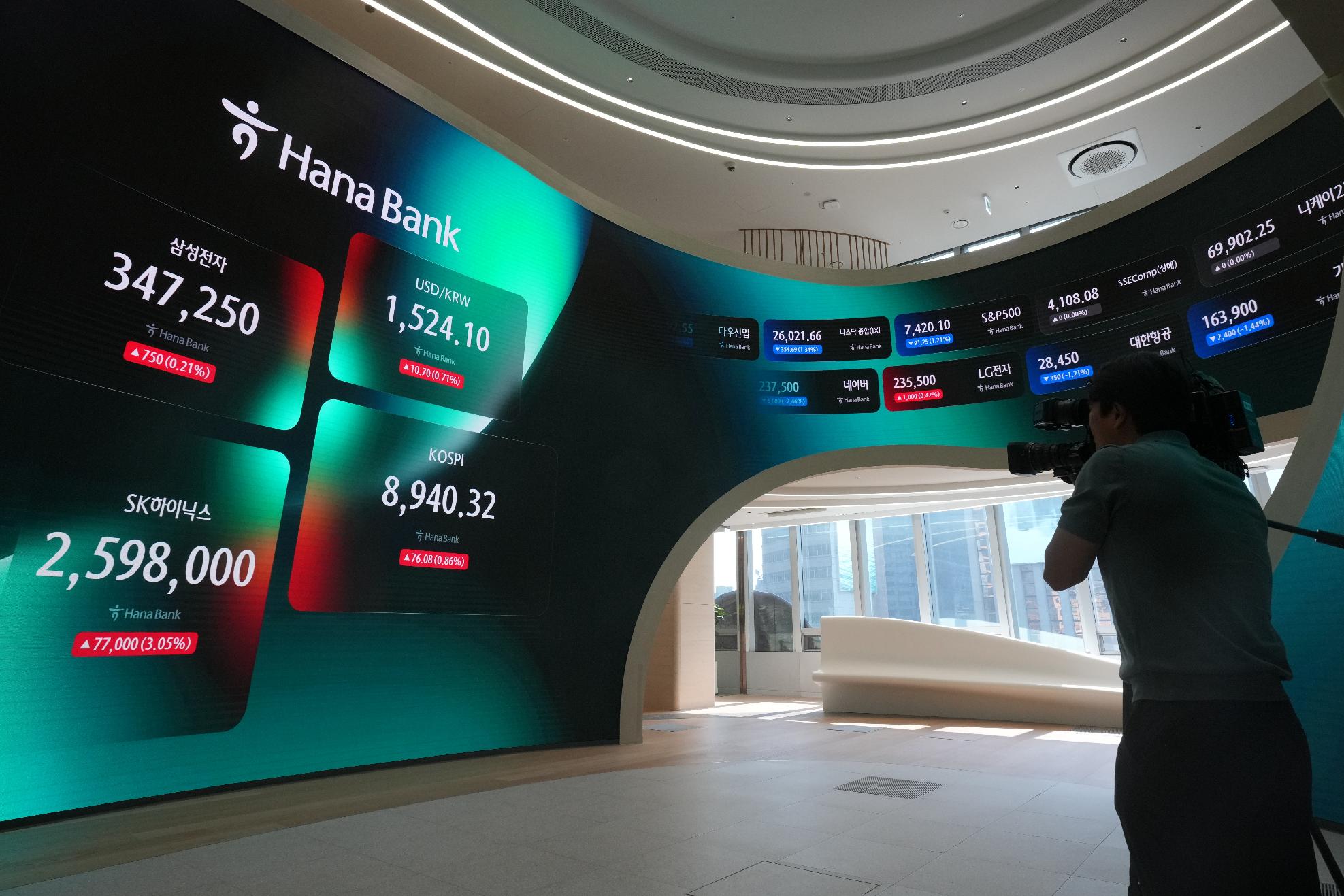
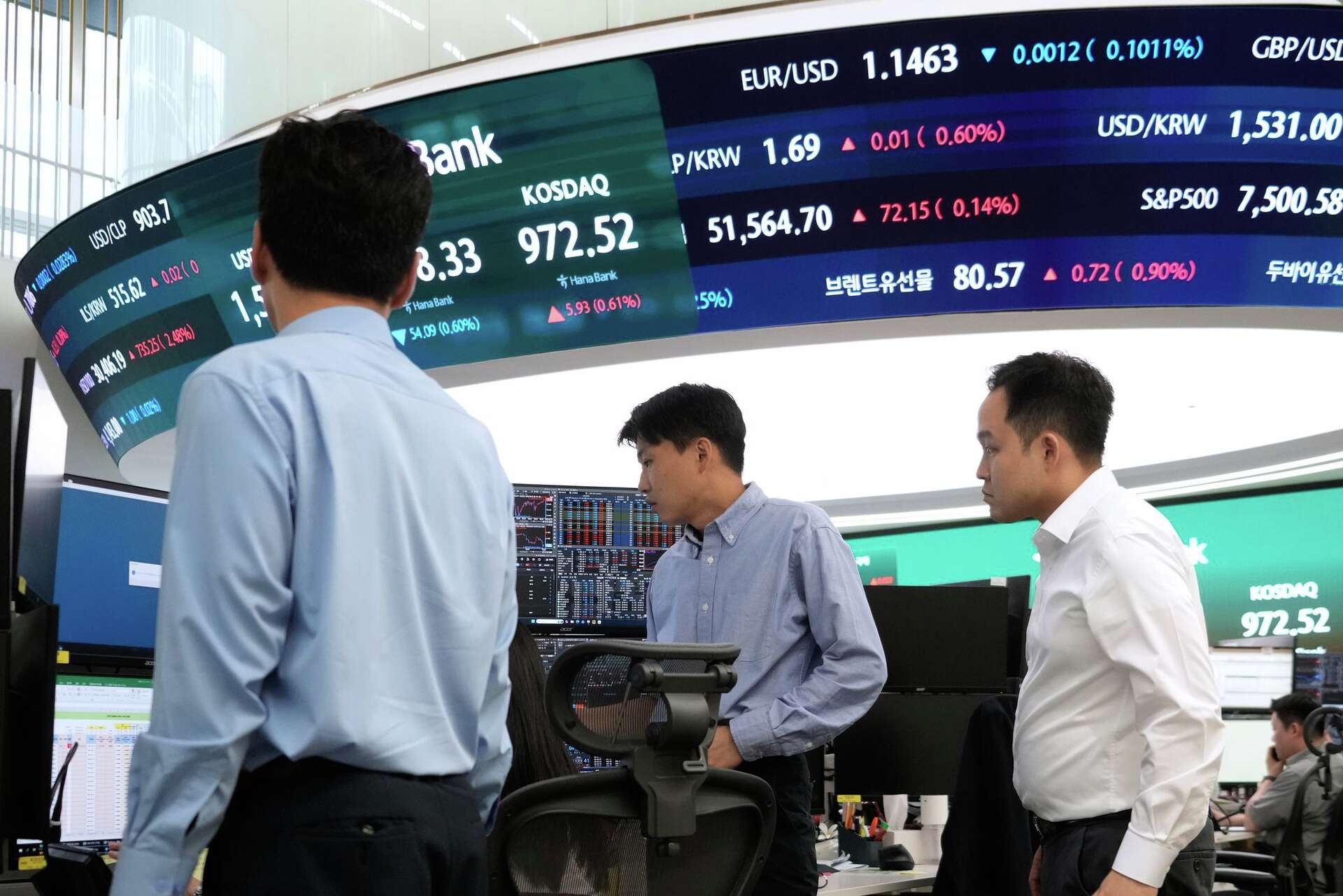
For sellers sourcing from Asia-Pacific, the Strait of Hormuz normalization presents immediate logistics cost reductions. The Trump administration expects shipping normalization within weeks, which translates to 3-8% fuel surcharge reductions on container shipments from China, Vietnam, and India to North America and Europe. Sellers currently holding inventory financed through working capital lines will see borrowing costs increase 50-100 basis points by Q4 2024, effectively raising per-unit landed costs by $0.15-0.45 depending on product category and financing structure. The mixed Asia-Pacific market performance (Japan's Nikkei +1.55%, South Korea's Kospi +0.69%, Hong Kong's Hang Seng -0.63%) indicates divergent regional demand: Japanese and Korean sellers benefit from stronger domestic consumption, while Hong Kong-based exporters face headwinds. European retail and construction sectors led declines, suggesting consumer spending weakness in discretionary categories—a critical signal for sellers in home goods, apparel, and electronics.
The immediate actionable opportunity lies in timing inventory purchases and securing financing before October rate increases. Sellers should accelerate Q4 inventory procurement from Asia-Pacific suppliers within the next 30-45 days to lock in lower shipping costs and avoid higher financing rates. Korean Air's 3% share decline following Asiana acquisition integration cost announcements (1 trillion won, synergies by end 2028) signals potential air freight capacity constraints during the transition—sellers relying on expedited shipping should diversify to alternative carriers immediately. The May PCE inflation data release (Thursday focus) will be the critical trigger for Fed policy confirmation; if core PCE exceeds expectations, rate hike timing could accelerate, making working capital financing 15-25% more expensive by year-end. Sellers in high-margin categories (electronics, luxury goods, collectibles) should prioritize cash flow optimization and consider shifting 20-30% of inventory to 3PL providers to reduce capital requirements. Monitor the Strait of Hormuz shipping corridor weekly—any escalation in U.S.-Iran tensions (Trump threatened renewed military action) could reverse fuel cost gains within 48 hours, creating $500-2,000 per container cost swings.
Questions 8
How does the Iran nuclear deal affect shipping costs for cross-border sellers?
The U.S.-Iran agreement to reopen the Strait of Hormuz reduces immediate oil price pressure—Brent crude fell $0.38 to $80.26/barrel—which translates to 3-8% fuel surcharge reductions on container shipments from Asia to North America and Europe within 4-6 weeks. The Trump administration expects shipping normalization within weeks, meaning sellers sourcing from China, Vietnam, and India will see per-container costs drop $150-400 depending on route and vessel size. However, this benefit is temporary; any escalation in U.S.-Iran tensions could reverse gains within 48 hours, creating $500-2,000 per container cost swings. Sellers should lock in shipping rates immediately and accelerate inventory procurement before October when Federal Reserve rate hikes increase financing costs.
What is the impact of rising interest rates on seller working capital and inventory financing?
The Federal Reserve's hawkish stance has pulled forward rate increase expectations to October 2024, which will raise borrowing costs 50-100 basis points by year-end. For sellers financing inventory through working capital lines, this translates to $0.15-0.45 additional cost per unit depending on product category and financing structure. A seller with $500K in inventory financed at current rates will face an additional $2,500-5,000 in annual interest expense by Q4 2024. This margin compression is most severe for low-margin categories (apparel, home goods) where 5-8% net margins will compress to 0-3%. Sellers should prioritize cash flow optimization, consider shifting 20-30% of inventory to 3PL providers to reduce capital requirements, and secure financing before October rate increases take effect.