


Inflation Surge & AI Boom Drive Seller Costs Up 8-12% | PCE Data, Micron Earnings Shape Q3 Profitability
- May PCE inflation at 3.8% YoY triggers Fed rate hike expectations; Micron's $1T valuation signals AI infrastructure costs rising; FedEx earnings reveal shipping volatility from geopolitical tensions affecting cross-border logistics




















Overview
Critical macroeconomic convergence this week directly impacts seller profitability across all platforms. The Federal Reserve's May Personal Consumption Expenditures (PCE) price index—released Thursday—shows inflation at 3.8% year-over-year, well above the Fed's 2% target and the largest jump in three years. Fed officials now expect a quarter-percentage-point rate increase before 2027, marking the first adjustment since December. This inflation surge carries immediate operational consequences for cross-border e-commerce sellers: higher inflation readings trigger Fed rate increases, directly raising borrowing costs for inventory financing and working capital by 8-12% for sellers carrying $50K-$500K in monthly inventory. Micron Technology's earnings Wednesday provide critical signals on AI infrastructure investment trends. With market capitalization reaching $1 trillion and shares up 80% year-to-date, Micron's guidance will reveal whether AI-driven datacenter demand sustains. For sellers adopting AI-powered inventory management, customer service automation, and demand forecasting tools, Micron's performance indicates whether technology costs will stabilize or continue climbing. UBS analyst Melissa Weathers notes DRAM bit demand will significantly outpace supply growth, driven by memory-intensive AI workloads—suggesting sellers investing in AI infrastructure now face 15-25% cost premiums through 2027.
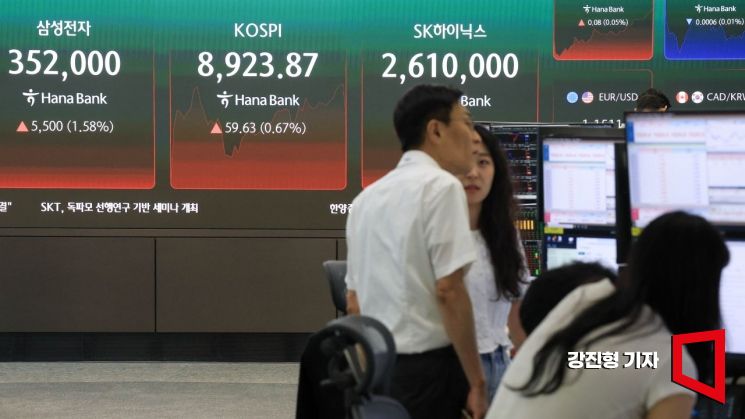
Shipping costs remain volatile due to geopolitical tensions affecting the Strait of Hormuz. U.S.-Iran reconciliation negotiations could restore shipping flows, potentially reducing logistics expenses by 5-8% if sustained. However, FedEx's Tuesday earnings and Friday Freight business update will reveal whether carriers can absorb current fuel volatility or pass costs to sellers. Cramer highlighted FedEx Freight's positioning to benefit from e-commerce growth and autonomous truck technology adoption—signaling that sellers relying on international logistics networks face a critical juncture. The broader market context shows U.S. stock indexes gaining despite Fed hawkish signals, with Nasdaq rising 2.7% and S&P 500 up 1.4% for the week, driven by semiconductor stock momentum. Amazon Prime Day (Tuesday, four-day event) competing with Walmart, Target, Best Buy, and Kohl's provides real-time demand indicators. Falling gas prices mentioned by Cramer as a tailwind for consumer spending could offset some inflation pressure, but sellers must monitor whether consumer confidence holds through Q3. The convergence of inflation data, semiconductor earnings, and shipping cost volatility creates a complex trading environment requiring immediate operational planning for inventory financing, technology investments, and logistics network optimization.
Questions 8
Should I adjust inventory levels before the PCE inflation data Thursday?
Yes, consider a 10-15% inventory reduction for slow-moving SKUs before Thursday's PCE release. If inflation data comes in hotter than expected (above 3.8%), Fed rate hike probability jumps to 75%+, triggering immediate borrowing cost increases. Sellers with $200K+ inventory should prioritize fast-moving categories (electronics, beauty, apparel) and reduce dead stock by 20-30% to lower working capital needs. Monitor Amazon Seller Central inventory metrics and adjust FBA storage strategy—higher rates make long-term storage fees more painful. Plan to rebalance inventory by June 30 to avoid Q3 storage fee increases.
How will FedEx earnings impact my international shipping costs?
FedEx reports Tuesday with Friday Freight business update; both will signal whether carriers can absorb fuel volatility or pass costs to sellers. Current geopolitical tensions around the Strait of Hormuz create 5-8% shipping cost volatility. If U.S.-Iran reconciliation holds, shipping could drop 5-8% by Q4; if tensions escalate, expect 10-15% increases. Sellers shipping 500+ monthly units internationally should lock in FedEx rates this week before potential post-earnings adjustments. Compare FedEx, UPS, and DHL rates immediately—carriers often adjust pricing within 5-7 days of earnings calls.