



SpaceX IPO Volatility Signals Market Correction Risk | Seller Implications for Tech Infrastructure Investments
- Record $87B IPO shows 19% debut gain but post-IPO decline mirrors historical mega-cap underperformance; mega-IPOs exceed -31.9% median one-year returns, affecting investor confidence in high-valuation tech stocks and supply chain infrastructure bets


Overview
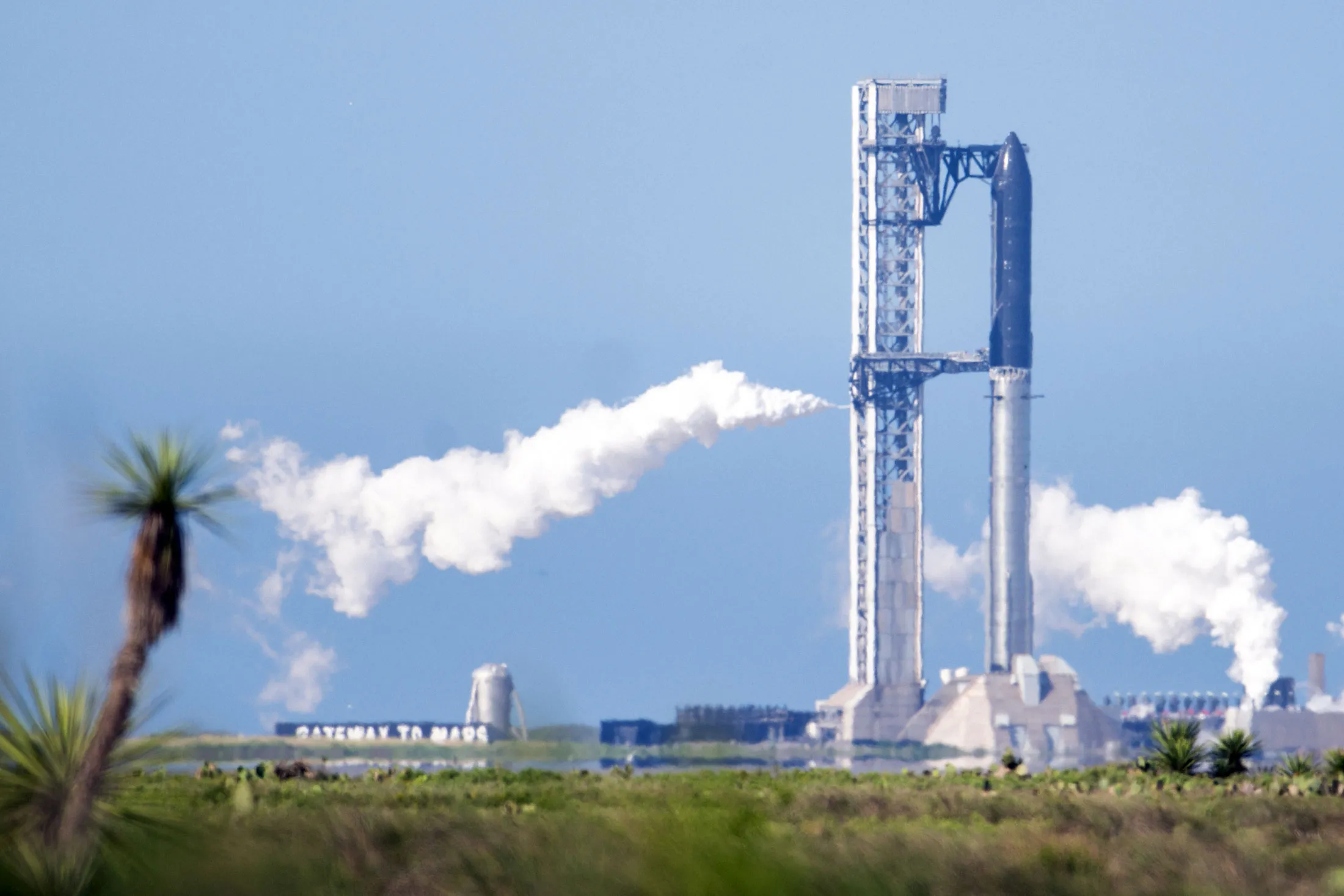
SpaceX's record-breaking $87 billion IPO on June 12, 2026, demonstrates a critical pattern in mega-cap market dynamics that indirectly shapes e-commerce infrastructure investment and seller operational costs. The company's stock surged 19% on debut day (opening at $150, closing at $160.95) before declining on three consecutive trading days—a pattern that mirrors historical mega-IPO underperformance. This volatility reflects broader market skepticism about ultra-high valuations ($2.4 trillion, or 100x trailing revenue) despite SpaceX's genuine competitive advantages in satellite communications and launch services.
The valuation disconnect carries operational implications for e-commerce sellers reliant on emerging infrastructure. SpaceX's three business segments—Starlink satellite internet ($11.4B revenue in 2025, growing from 2.3M to 10M+ subscribers), space launch services, and xAI—represent critical infrastructure for last-mile logistics and AI-powered fulfillment systems. However, the company reported net losses of $4.9B in 2025 and $4.3B in Q1 2026 despite revenue growth, signaling that profitability remains years away. Historical precedent is sobering: Saudi Aramco (2019, $1.7T valuation) declined 11% within one year; Meta (2012) fell 30%; Alibaba (2014) dropped 27%; Rivian (2021) plummeted 82%. IPOs exceeding $50B show a median one-year return of -31.9%, compared to positive returns for smaller offerings.
For cross-border sellers, this matters through two mechanisms: infrastructure cost volatility and investment risk. Starlink's rapid subscriber growth (335% increase from 2023-2026) positions it as a potential alternative to terrestrial broadband for remote fulfillment centers and last-mile delivery optimization. However, if SpaceX's stock corrects 30-50% (consistent with historical mega-IPO patterns), the company may face capital constraints that slow infrastructure expansion, delaying cost reductions sellers anticipated. Additionally, the structured lockup agreement allowing insider holdings to become available sooner than traditional 180-day restrictions creates potential share supply pressure in late 2026, which could further depress valuations and capital availability.
The broader signal: mega-cap tech IPOs with minimal execution margins across multiple complex segments face structural headwinds. Sellers betting on Starlink-powered logistics improvements or xAI-driven fulfillment automation should monitor SpaceX's quarterly profitability trajectory and capital expenditure guidance. A 30-40% stock correction would likely trigger cost-cutting measures affecting infrastructure rollout timelines. Conversely, if SpaceX achieves unexpected profitability milestones, Starlink expansion could accelerate, benefiting sellers in remote regions with limited broadband access.
Questions 8
How can sellers hedge against SpaceX infrastructure investment delays?
Sellers should diversify logistics infrastructure bets rather than concentrating on Starlink expansion. Monitor SpaceX's quarterly capital expenditure guidance and profitability trajectory—any guidance misses typically precede infrastructure slowdowns. Consider alternative broadband providers (traditional ISPs, 5G networks) for fulfillment center connectivity. Avoid long-term contracts with Starlink until the company demonstrates sustained profitability. For sellers in remote regions, evaluate hybrid connectivity strategies combining Starlink with terrestrial alternatives to reduce single-provider risk.
What historical IPO patterns suggest about SpaceX's one-year stock performance?
Historical mega-IPO analysis shows consistent underperformance: Saudi Aramco (2019) declined 11% within one year; Meta (2012) fell 30%; Alibaba (2014) dropped 27%; Rivian (2021) plummeted 82%. IPOs exceeding $50B show median one-year returns of -31.9%. SpaceX's $2.4 trillion valuation and 100x revenue multiple suggest elevated downside risk. Sellers should assume 25-40% stock correction probability within 12 months, which would likely trigger capital constraints affecting infrastructure investment velocity and cost reduction timelines.