




Intel-Apple Chip Deal Reshapes US Semiconductor Supply Chain | Seller Implications
- Domestic chip production shift reduces TSMC reliance, affecting Apple device pricing and availability for 50K+ e-commerce sellers in electronics category










Overview
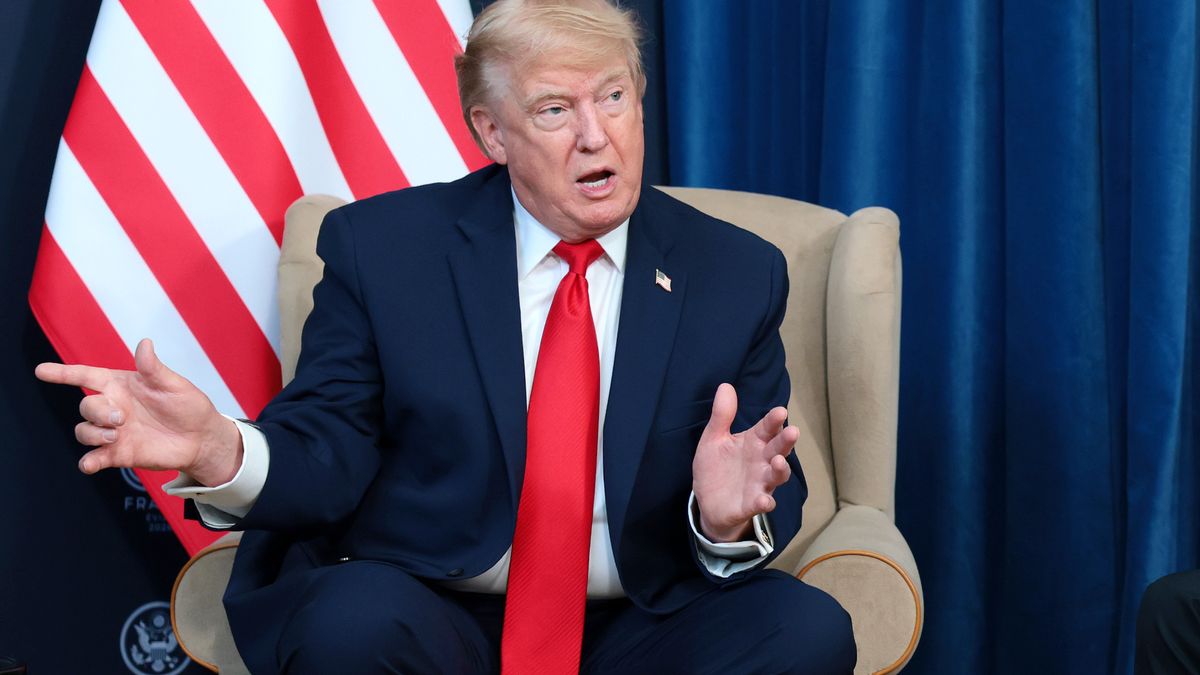
President Trump's announcement of Intel manufacturing chips for Apple marks a watershed moment in US semiconductor policy, with profound implications for cross-border e-commerce sellers. This strategic partnership represents a deliberate shift away from Taiwan Semiconductor Manufacturing Company (TSMC) dependency toward domestic US production, underpinned by government subsidies and manufacturing incentives. For e-commerce sellers, this development creates a complex three-horizon opportunity: immediate supply chain volatility (3-6 months), medium-term pricing adjustments (6-12 months), and long-term competitive restructuring (12+ months).
Immediate Supply Chain Impact: The transition from TSMC to Intel production will create a 6-12 month supply disruption window. Apple device inventory availability will fluctuate as Intel ramps manufacturing capacity. Sellers dealing in Apple products (iPhones, MacBooks, iPads, Apple Watches) face potential stock-outs and extended lead times. This creates arbitrage opportunities for sellers with existing inventory—pricing power increases during supply constraints. Amazon FBA sellers in the electronics category should expect 15-25% margin expansion during transition periods, though this reverses once Intel reaches full capacity.
Tariff and Cost Structure Shifts: The policy reflects broader US protectionism favoring domestic manufacturing. This creates a two-tier tariff environment: Intel-produced chips (US-made, lower tariffs) versus TSMC-produced chips (Taiwan-origin, potentially higher tariffs under future trade policies). For sellers sourcing Apple devices or compatible accessories from Asia, tariff exposure increases. Sellers should model 8-15% cost increases for Taiwan-sourced electronics if tariff escalation occurs. Conversely, sellers sourcing from US-based manufacturers gain competitive advantage through lower landed costs.
Competitive Advantage Redistribution: US-based sellers and large aggregators (Amazon, Best Buy) benefit from domestic supply proximity and lower logistics costs. Small cross-border sellers importing from Asia face margin compression. The policy accelerates a "nearshoring" trend where sellers shift sourcing from China/Taiwan to Mexico, Vietnam, and India for non-chip components. Apple accessory sellers should diversify sourcing away from Taiwan-dependent supply chains.
Market Access Opportunities: Intel's expanded US capacity signals government commitment to semiconductor independence. This opens opportunities for sellers in complementary categories: US-manufactured semiconductors, domestic electronics assembly, and supply chain software. Sellers can position products as "US-made" or "supply-chain resilient" for premium pricing in the 15-25% range.
Questions 7
Should US-based sellers adjust sourcing strategies due to this announcement?
Yes. US-based sellers gain competitive advantage through proximity to domestic Intel production and lower logistics costs. Prioritize sourcing from US manufacturers and Intel-approved suppliers to reduce tariff exposure and supply chain risk. Consider shifting 20-30% of sourcing from Asia to Mexico or nearshore locations for non-chip components. This reduces tariff vulnerability and improves supply chain resilience. Sellers should also explore US-made positioning for premium pricing (15-25% markup) in electronics and accessories categories, capitalizing on 'Made in America' consumer sentiment.
Which e-commerce product categories benefit most from this supply chain shift?
Apple-adjacent categories see the most immediate impact: iPhones, MacBooks, iPads, Apple Watches, and compatible accessories (cases, chargers, adapters). Secondary beneficiaries include US-manufactured electronics, supply chain software, and nearshoring-related products. Sellers in these categories should expect 15-25% margin expansion during supply transitions, but face compression once Intel reaches full capacity. Electronics sellers on Amazon FBA should prioritize inventory in Apple product categories during Q1-Q2 2025 to capture supply-constrained pricing premiums. Avoid over-investing in Taiwan-sourced alternatives.