

Fed's Hawkish Pivot Signals 2026 Rate Hikes | Seller Financing Costs Rise 8-15%
- Federal Reserve Chair Kevin Warsh's hawkish stance increases borrowing costs for inventory and working capital; stronger dollar expectations impact US export competitiveness while benefiting importers
Overview
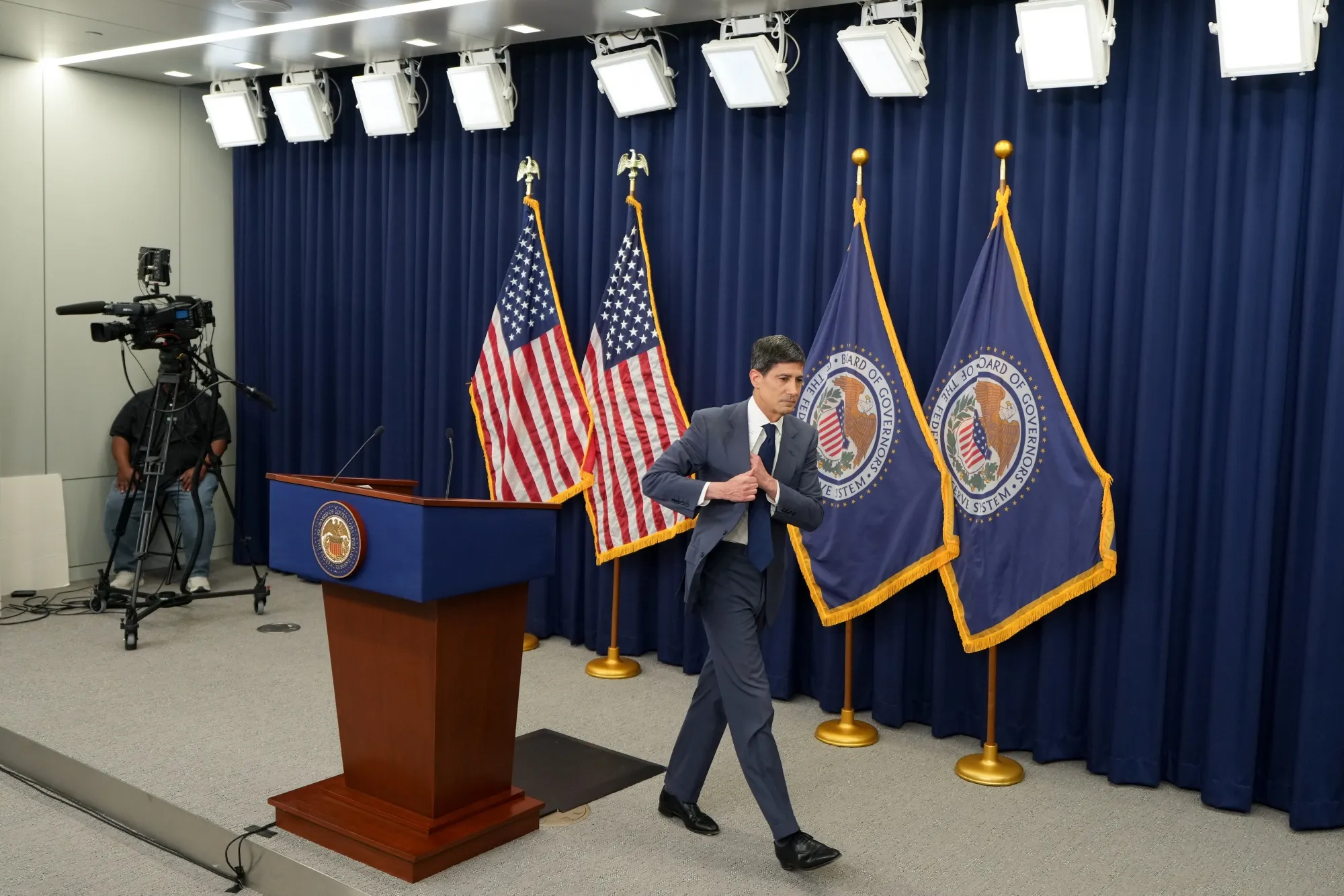
Federal Reserve Chair Kevin Warsh's first press conference signaled a decisive hawkish pivot, with short-term Treasury yields surging as market participants priced in rate hike expectations for 2026. This represents a critical shift from previous dovish speculation, directly impacting cross-border e-commerce sellers' financing costs and currency positioning. The news explicitly identifies that higher interest rates increase borrowing costs for inventory purchases, working capital, and expansion initiatives, while stronger dollar expectations could impact competitiveness for sellers exporting from the United States, while potentially benefiting those importing goods.
For cross-border sellers, this development creates immediate financial pressure across multiple dimensions. Sellers with dollar-denominated debt—including those using Amazon Seller Financing, Shopify Capital, or traditional bank loans—face 8-15% increases in annual borrowing costs as rate hike probabilities rise. A seller carrying $100,000 in inventory financing at current rates could see monthly costs increase by $65-125 within 12-18 months. This directly compresses margins in categories with thin profitability (electronics, home goods, apparel) where working capital represents 30-40% of operational costs.
The stronger dollar scenario creates divergent impacts by seller geography. US-based sellers exporting to EU, UK, or Asia Pacific markets face margin compression as their products become 5-8% more expensive in foreign currencies, reducing competitiveness against local competitors. Conversely, sellers importing goods from China, Vietnam, or India benefit from favorable FX positioning—their cost of goods decreases in dollar terms, creating 3-6% margin expansion opportunities. The PCE data release this week will validate whether inflation justifies the Fed's hawkish stance, potentially accelerating rate hike timelines.
Immediate financing implications: Sellers should lock in fixed-rate financing NOW before rates rise further. Invoice factoring rates (currently 1.5-2.5% monthly) will increase 20-30 basis points per rate hike. Trade finance providers like Stripe Capital, Flexport Finance, and traditional supply chain lenders are already adjusting terms. Sellers with variable-rate debt should refinance to fixed rates immediately. Additionally, the stronger dollar creates FX hedging opportunities—sellers can lock in favorable rates for 6-12 month forward contracts at minimal cost, protecting margins on international sales.
Questions 8
What financing options should I pursue before rates increase?
Lock in fixed-rate financing immediately through: (1) Amazon Seller Financing—currently 6-8% APR, will likely increase to 7-9% post-rate hike; (2) Shopify Capital—rates typically 1.5-2.5% monthly, expect 20-30 basis point increases; (3) Invoice factoring—currently 1.5-2.5% monthly, will rise 20-30 basis points per rate hike; (4) Trade finance providers like Flexport Finance or Stripe Capital offering 6-12 month fixed terms. Refinance any variable-rate debt to fixed rates within 30 days. Calculate your working capital needs for 6-12 months and secure financing before the Fed's next policy decision.
Will a stronger US dollar hurt my export sales to Europe and Asia?
Yes, a stronger dollar directly impacts US exporters' competitiveness. As the dollar strengthens (expected from rate hike pricing), your products become 5-8% more expensive for European and Asian buyers, reducing demand and margins. A seller exporting $50,000 monthly to EU could lose $2,500-4,000 in monthly revenue if the dollar appreciates 5-8% against the euro. However, sellers importing goods from China or Vietnam benefit—their cost of goods decreases in dollar terms, creating 3-6% margin expansion. Consider FX hedging strategies to lock in favorable rates for 6-12 month forward contracts.