





Micron Q3 Earnings Surge Signals Memory Chip Pricing Peak | E-Commerce Infrastructure Cost Implications
- Expected 1,000% Q3 profit surge reflects AI-driven semiconductor demand; analysts warn memory chip price sustainability uncertain; e-commerce sellers face potential infrastructure cost volatility through 2026







Overview
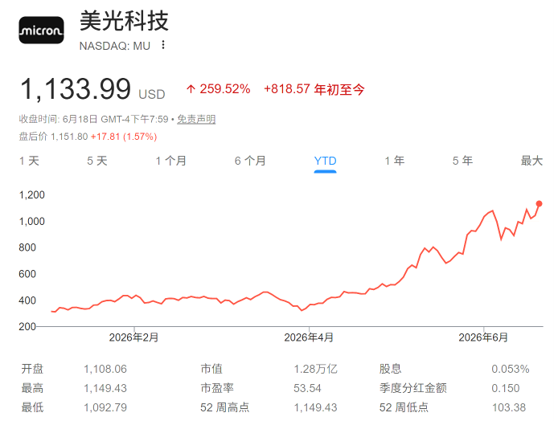
Micron Technology's anticipated Q3 earnings announcement represents a critical inflection point for e-commerce infrastructure costs and supply chain dynamics. Investment banks are aggressively raising price targets ahead of the report, reflecting expectations of a 1,000% profit surge driven by explosive demand for memory chips in data centers, artificial intelligence applications, and consumer electronics. However, this optimism masks a fundamental market cycle warning: industry analysts caution that current memory chip price appreciation cannot persist indefinitely, signaling an eventual normalization that will reshape technology infrastructure spending.
For cross-border e-commerce sellers, this dynamic creates a dual-phase opportunity and risk scenario. In the immediate term (next 3-6 months), elevated memory chip prices will increase costs for e-commerce platforms' server infrastructure, data storage systems, and logistics technology. Amazon, Shopify, and other major platforms rely on Micron and competing semiconductor manufacturers for the computing infrastructure that powers fulfillment centers, inventory management systems, and customer-facing platforms. Sellers using cloud-based inventory management, AI-powered pricing tools, and advanced logistics software will experience indirect cost pressures as platforms pass through infrastructure expenses. Electronics sellers—particularly those offering laptops, tablets, storage devices, and AI-enabled products—face immediate component cost inflation, compressing margins by 5-12% depending on product category and sourcing region.
The longer-term strategic implication is more nuanced. News 3 explicitly warns that memory chip prices, which have benefited from supply constraints and AI-driven demand tailwinds, will eventually normalize as market conditions evolve. This suggests a 6-12 month window where sellers should anticipate: (1) continued near-term cost pressure on technology infrastructure and electronics components; (2) a potential pricing correction in Q4 2026 or Q1 2027 as supply constraints ease; (3) geopolitical volatility (News 2 references U.S.-Iran tensions affecting technology stocks) creating unpredictable supply chain disruptions. Sellers in electronics, smart home devices, and data-intensive categories should monitor Micron's earnings report closely for guidance on production capacity expansion and pricing trajectory. The disconnect between AI enthusiasm and realistic semiconductor pricing sustainability (highlighted in News 3) suggests overconfident sellers may be caught off-guard by margin compression if they lock in high component costs now without hedging strategies.
Actionable intelligence for sellers: Track Micron's earnings guidance for production capacity increases and memory chip pricing forecasts. Electronics sellers should consider forward-contracting components at current prices if margins support it, while simultaneously preparing inventory strategies for a potential 8-15% cost reduction in H1 2027. Platform-dependent sellers should monitor Amazon and Shopify infrastructure cost announcements, as these typically lag semiconductor price changes by 2-3 quarters.
Questions 7
How will Micron's Q3 earnings impact Amazon FBA and Shopify infrastructure costs for sellers?
Micron's expected 1,000% Q3 profit surge reflects elevated memory chip prices driven by AI data center demand. These higher semiconductor costs directly increase infrastructure expenses for Amazon Web Services and Shopify's cloud platforms, which rely on Micron memory components for servers and storage systems. While platforms typically absorb some cost increases, sellers may see indirect impacts through higher FBA storage fees (potentially 3-8% increases in Q4 2026) and increased cloud computing costs for inventory management tools. Sellers should monitor Amazon Seller Central announcements for fee changes and consider locking in current pricing for cloud-based logistics software before potential mid-2026 increases.
When will memory chip prices normalize and how should sellers prepare for the correction?
News 3 explicitly warns that memory chip price increases 'cannot persist indefinitely' and will face 'cyclical pressures' that moderate appreciation. Industry analysts suggest normalization will occur within 6-12 months (Q4 2026 through Q1 2027) as supply constraints ease and AI infrastructure buildout matures. Sellers should prepare for a potential 8-15% cost reduction in component prices during this window. Strategy: (1) Avoid long-term fixed-price contracts at current elevated rates; (2) Maintain 60-90 days of inventory buffer to capitalize on lower prices when correction occurs; (3) Plan promotional campaigns for Q1 2027 when margin expansion becomes possible; (4) Monitor Micron's quarterly guidance for production capacity expansion signals.