


Strait of Hormuz Shipping Stability | Cross-Border Sellers Face 60-Day Policy Window
- De-confliction mechanism secures maritime commerce through June 2026; sellers shipping electronics/apparel to Middle East/Asia must monitor Iran-US nuclear agreement implementation





Overview
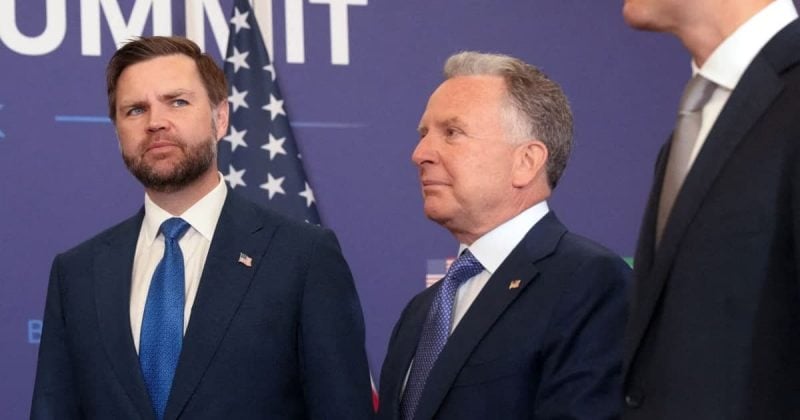
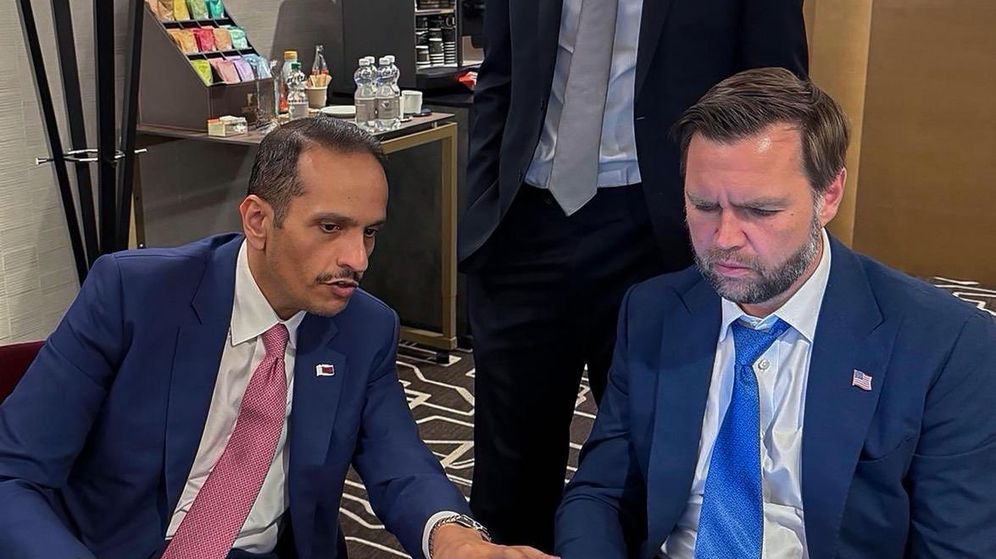
The June 2026 US-Iran diplomatic breakthrough establishing a de-confliction cell to maintain open shipping lanes through the Strait of Hormuz creates a critical 60-day policy window for cross-border e-commerce sellers. According to the Qatar-Pakistan joint statement, US Vice President JD Vance and Iranian Foreign Minister Abbas Araghchi negotiated agreements on nuclear inspections and regional stability, with both sides committing to a comprehensive deal by late August 2026. This development directly impacts sellers shipping high-value electronics, apparel, and consumer goods through one of the world's most critical maritime chokepoints—approximately 21% of global petroleum trade and $2+ trillion in annual commerce flows through the Strait.
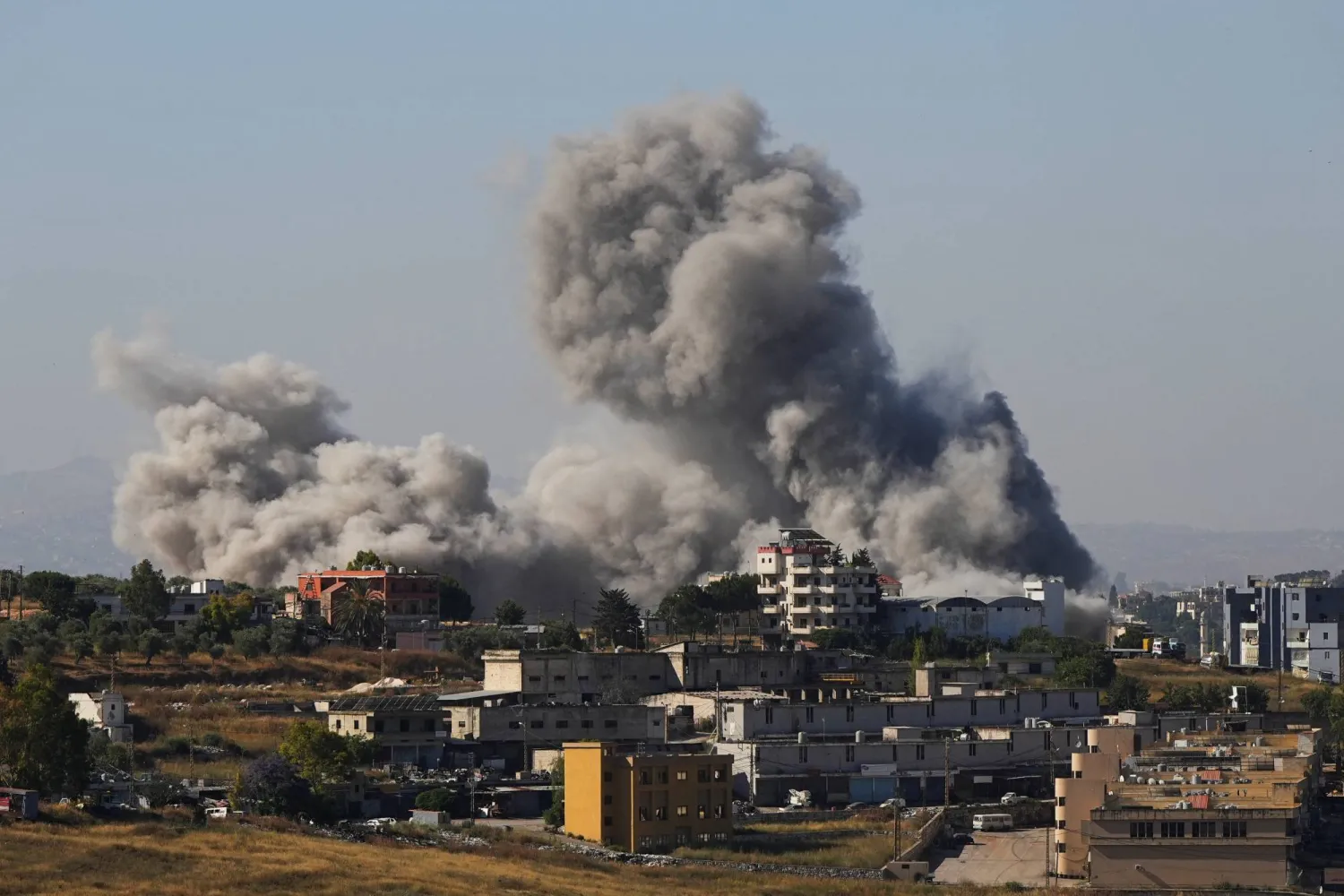
The immediate operational impact: The de-confliction mechanism reduces geopolitical risk premiums on shipping insurance and transit times for sellers routing inventory through Middle Eastern ports (Dubai, Jebel Ali) to Asia-Pacific markets. Historically, regional tensions spike insurance costs 8-15% and add 5-10 days to transit schedules. The ceasefire consolidation in Lebanon (confirmed June 20, 2026) and commitment to prevent military escalation signal reduced disruption risk through Q3 2026. However, the 60-day implementation window (through late August) remains fragile—Israeli military operations continue despite ceasefire agreements, creating execution risk.
For seller segments: US-based sellers shipping to India, Pakistan, and Southeast Asia benefit most from stabilized Strait passage, as alternative routing (around Africa) adds 15-20 days and 12-18% cost premiums. Electronics sellers (HS codes 8471-8517) and apparel exporters (HS codes 6204-6209) face the highest insurance volatility. Small-to-medium sellers (annual shipments <500 containers) lack hedging capacity and should lock in Q3 shipping rates immediately. Large sellers with 3PL contracts should negotiate force majeure clauses expiring August 31, 2026, as policy uncertainty extends beyond the 60-day window. Pakistan's inclusion in negotiations signals potential tariff relief for US-Pakistan trade corridor—sellers should monitor for duty reductions on textiles and consumer electronics by Q3 2026.
Strategic sourcing implications: The Iran nuclear agreement (IAEA inspectors invited "within days") may eventually lift sanctions on Iranian manufacturing, creating long-term sourcing opportunities in petrochemicals and textiles. However, this remains 12-18 months away. Immediate action focuses on supply chain de-risking: diversify shipping routes for Q3-Q4 2026, secure insurance locks before August 31, and monitor Trump administration enforcement of ceasefire terms (scheduled Israel-Lebanon talks June 23-25 will signal commitment level).
Questions 8
Which seller segments benefit most from the Iran-US nuclear agreement and ceasefire consolidation?
US-based electronics sellers (HS codes 8471-8517) and apparel exporters (HS codes 6204-6209) routing inventory through Middle Eastern ports to India, Pakistan, and Southeast Asia see the largest cost savings. Small-to-medium sellers (annual shipments <500 containers) lack hedging capacity and should prioritize locking in Q3 2026 shipping rates immediately. Large sellers with 3PL contracts should renegotiate force majeure clauses to expire August 31, 2026, capturing the policy stability window while protecting against post-agreement uncertainty.
What is the timeline for Iran sanctions relief and sourcing opportunities?
The agreement commits Iran to invite IAEA inspectors 'within days' and reduce uranium enrichment levels, but comprehensive sanctions relief typically requires 12-18 months of compliance verification. Sellers should not expect Iranian sourcing opportunities (petrochemicals, textiles) until Q4 2027 at earliest. Immediate focus should be on supply chain de-risking for Q3-Q4 2026 through diversified shipping routes and locked-in insurance rates, with long-term sourcing strategy development beginning in Q1 2027.