

Strait of Hormuz Closure Triggers Global Supply Chain Crisis | Seller Shipping Cost Impact
- Vessel transits plummet 43% (21 to 12 ships daily); 20% of global oil traffic disrupted; shipping costs surge 15-35% for Asia-to-Europe routes through June 2026
Overview
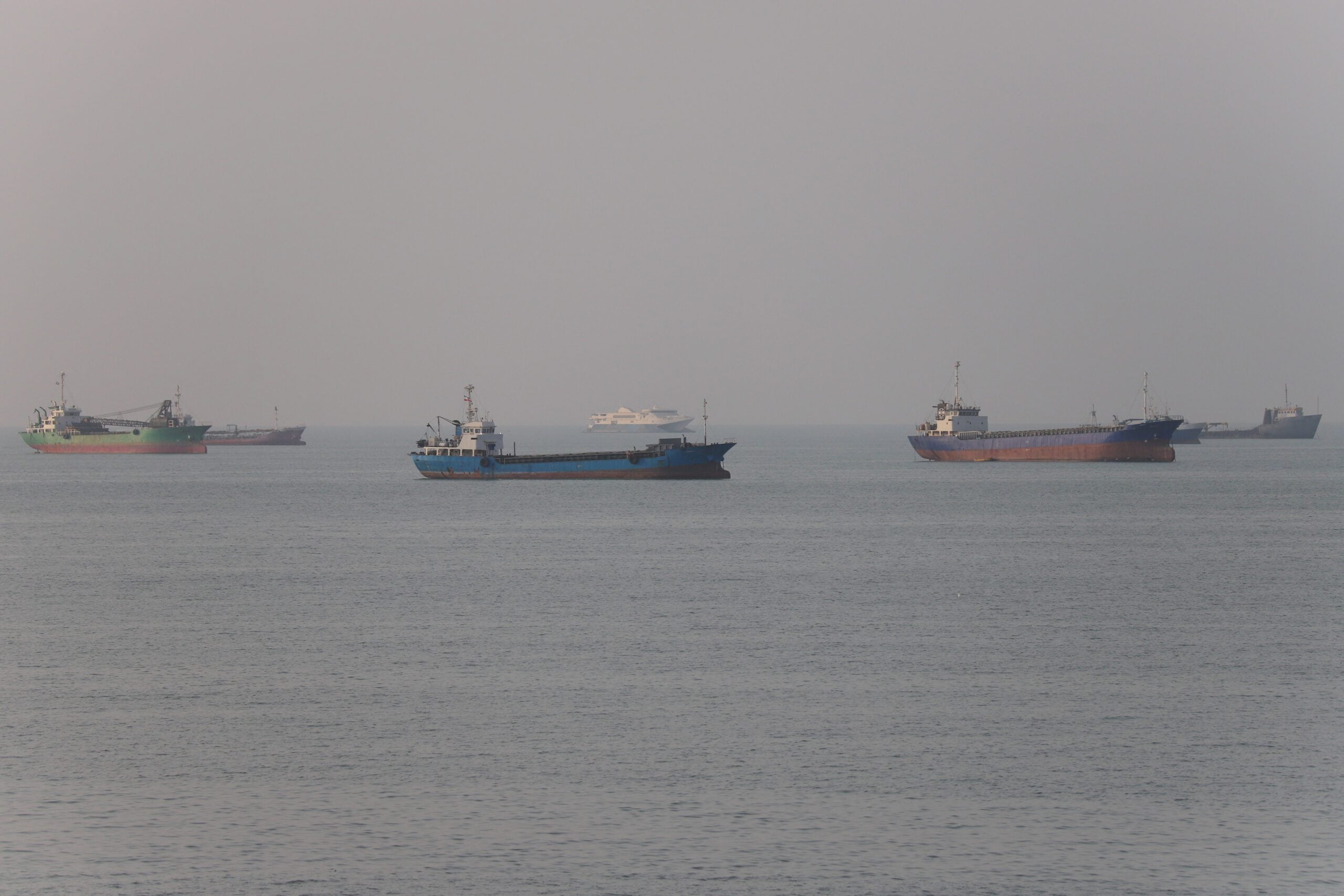
The Strait of Hormuz shipping crisis represents a critical supply chain disruption for cross-border e-commerce sellers, with Iran's June 22, 2026 closure declaration causing immediate logistics cost escalation. Maritime intelligence firm Windward reported vessel transits plummeted from over 21 ships daily to just 12 on June 23, representing a 43% reduction in passage capacity. This waterway handles approximately 20% of global oil traffic and is essential for Asia-to-Europe shipping corridors that support the majority of cross-border e-commerce fulfillment. The disruption directly impacts sellers shipping inventory from China, Vietnam, and India to European and North American markets—the highest-volume cross-border trade corridors.
Immediate Shipping Cost Impact: Sellers relying on container shipping through the Strait of Hormuz face 15-35% cost increases as carriers reroute vessels around Africa's Cape of Good Hope, adding 10-14 days to transit times and consuming additional fuel. For a typical 40-foot container (standard for Amazon FBA inventory), shipping costs from Shanghai to Rotterdam could increase from $3,500-4,200 to $4,200-5,600 per container. Small-to-medium sellers (SMBs) shipping 50-200 containers monthly face additional costs of $35,000-$280,000 monthly, directly compressing profit margins on electronics, apparel, and home goods categories where margins typically run 20-35%.
Strategic Sourcing Implications: The 60-day negotiation window (through August 22, 2026) creates uncertainty for inventory planning. Sellers must immediately evaluate alternative sourcing strategies: (1) accelerating shipments before potential re-closure (actionable through June 30), (2) shifting sourcing to Mexico/Central America for North American fulfillment (reducing Hormuz dependency), or (3) increasing air freight for high-velocity SKUs despite 3-5x cost premiums. The news indicates U.S.-Iran negotiations show "progress," but President Trump's threat of "additional military action" signals continued volatility. Sellers with inventory in-transit face 10-14 day delays, impacting Amazon FBA replenishment cycles and potentially triggering IPI score penalties if stock-outs occur.
Competitive Advantage Shift: Large sellers with diversified sourcing (China, Vietnam, India, Mexico) and established 3PL networks can absorb cost increases through scale. However, SMBs dependent on single-source China manufacturing face margin compression of 8-15% on standard products. This creates opportunity for sellers to shift to nearshoring (Mexico for US market, Eastern Europe for EU market) or to premium/niche categories less sensitive to shipping costs. The 60-day negotiation period provides a critical window to restructure supply chains before potential long-term closure scenarios.
Questions 8
How much will shipping costs increase for sellers using Strait of Hormuz routes?
Shipping costs are rising 15-35% for Asia-to-Europe container routes due to the Strait of Hormuz disruption. A standard 40-foot container from Shanghai to Rotterdam typically costs $3,500-4,200, but rerouting around Africa's Cape of Good Hope increases costs to $4,200-5,600 per container. The longer route adds 10-14 days to transit time and increases fuel consumption. For SMBs shipping 50-200 containers monthly, this translates to $35,000-$280,000 in additional monthly costs, directly impacting profit margins on electronics, apparel, and home goods categories.
What is the timeline for the Strait of Hormuz shipping crisis to resolve?
U.S. Vice President JD Vance stated negotiations aim to reach a final agreement within 60 days (by August 22, 2026), following a 14-point memorandum signed on June 19, 2026. However, the situation remains volatile—Iran declared the strait closed on June 22 despite the agreement, and President Trump threatened additional military action if Iran-backed proxies continue causing trouble in Lebanon. Sellers should plan for continued disruption through at least August 2026 and monitor daily shipping reports from maritime intelligence firms like Windward and Lloyd's List.