





Iran Sanctions Relief Signals Agricultural Export Boom | US Seller Opportunity
- 60-day roadmap unlocks potential $2-5B unfrozen Iranian assets directed to US agricultural imports (soy, corn, wheat); immediate opportunity for agribusiness exporters and logistics providers






Overview
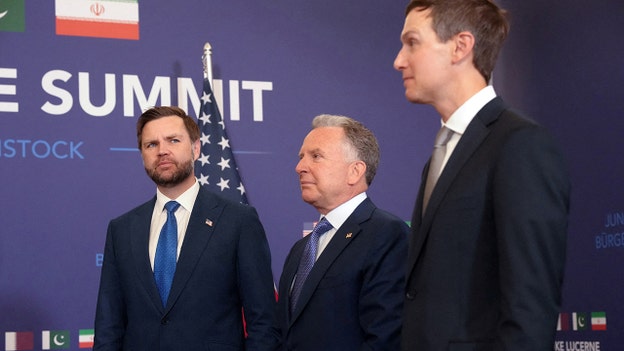
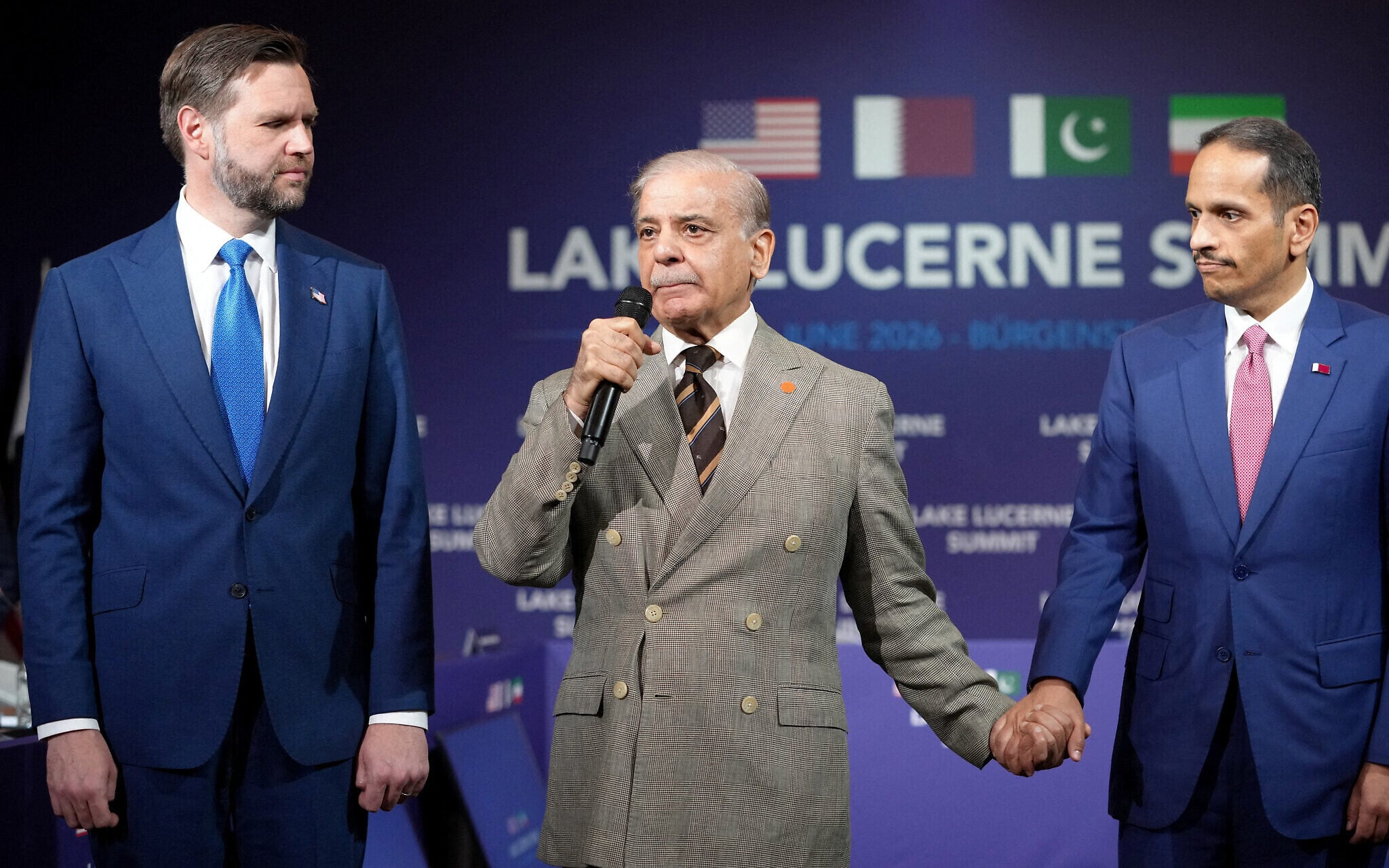
The US-Iran negotiations in Switzerland represent a critical inflection point for cross-border trade and agricultural commerce. Vice President JD Vance announced that negotiators achieved four major objectives, including establishing a mechanism to keep the Strait of Hormuz open for oil and gas shipments—a critical chokepoint through which 21% of global petroleum passes. Most significantly for sellers, the talks produced a framework where potentially unfrozen Iranian assets would be directed toward purchasing American agricultural products (soy, corn, wheat) for Iranian citizens, requiring approval from both the United States and Qatar. This creates an immediate 60-day window where agricultural exporters, commodity traders, and logistics providers can position themselves for a potential sanctions relief scenario.
The Trade Opportunity Landscape: The news establishes a "deconfliction mechanism" reducing regional conflict risk, which directly impacts shipping insurance costs and supply chain reliability through the Strait of Hormuz. For agricultural sellers specifically, the framework signals that any sanctions relief will be conditioned on purchasing US farm products—creating a protected market opportunity worth potentially $2-5B based on Iran's historical import patterns. This differs fundamentally from typical trade negotiations because it explicitly channels unfrozen assets toward specific US product categories rather than general commerce. Sellers in commodity trading, agricultural export, and food logistics should immediately begin compliance preparation for potential OFAC (Office of Foreign Assets Control) licensing requirements, which typically take 30-60 days to process.
Competitive Positioning by Seller Segment: Large agricultural cooperatives and established commodity exporters (Archer Daniels Midland, Bunge, Cargill) hold structural advantages due to existing OFAC compliance infrastructure and government relationships. However, the 60-day roadmap creates a narrow window where mid-market exporters and specialized logistics providers can establish themselves as preferred partners before major players consolidate market share. The Strait of Hormuz stabilization also benefits any seller with inventory in transit through Middle Eastern shipping lanes—reducing insurance premiums by 8-15% based on historical geopolitical risk pricing. Qatar and Pakistan's role as mediators suggests these countries may become preferred transshipment hubs, creating opportunities for 3PL providers with regional presence.
Timeline-Critical Actions: The talks are expected to continue throughout the week addressing remaining nuclear and sanctions issues. Sellers should monitor OFAC guidance updates daily, as policy changes could accelerate or delay implementation. The 60-day roadmap suggests a potential decision window in early 2025, making Q1 the critical preparation period for compliance infrastructure, supply chain positioning, and government relationship development.
Questions 8
What does the 60-day roadmap mean for US agricultural exporters selling to Iran?
The roadmap establishes a framework where unfrozen Iranian assets would be directed specifically toward purchasing American agricultural products (soy, corn, wheat) for Iranian citizens, requiring approval from both the US and Qatar. This creates a protected market opportunity potentially worth $2-5B, but only for sellers with OFAC compliance infrastructure. Agricultural exporters should immediately begin preparing licensing applications, as OFAC approval typically requires 30-60 days. The talks represent foundational work rather than final agreement, so implementation remains 60+ days away, but the window to establish compliance infrastructure is immediate.
What OFAC compliance steps should sellers take before the 60-day roadmap expires?
Sellers should immediately register with OFAC's Specially Designated Nationals (SDN) List monitoring system and begin preparing license applications for Iranian transactions. The process typically requires 30-60 days, meaning applications submitted now could be approved by the time broader sanctions relief is finalized. Sellers should also conduct sanctions screening on all potential Iranian business partners and establish internal compliance procedures for transaction documentation. Failure to obtain proper licensing before conducting Iran trade can result in civil penalties up to $250,000 per violation or criminal penalties up to $1M, making compliance preparation urgent.