



UK Political Instability Threatens Cross-Border Seller Confidence | Policy Uncertainty Risk
- Seven prime ministers in 10 years creates regulatory unpredictability for 50K+ UK-based cross-border sellers; leadership vacuum delays post-Brexit trade policy clarity through summer 2026
























Overview
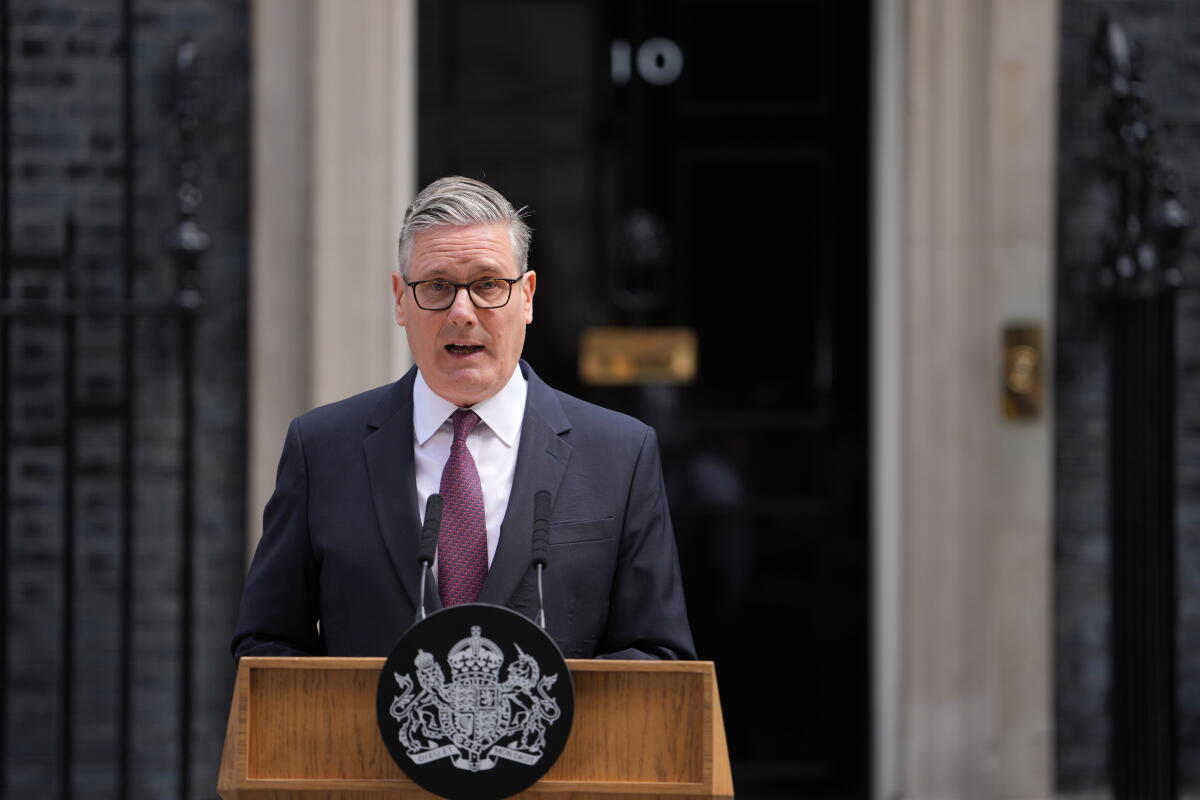
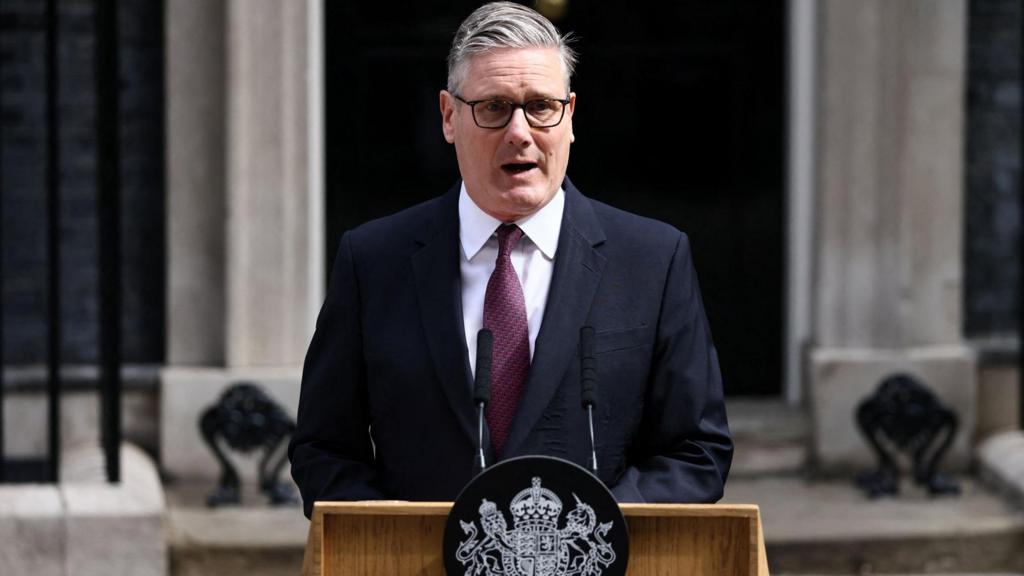
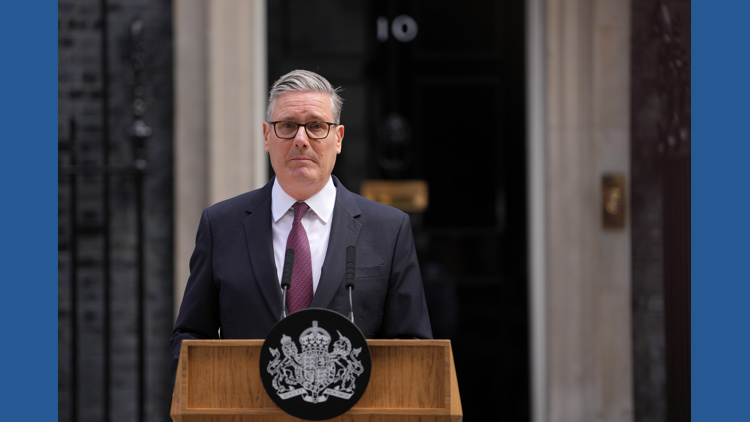
UK Prime Minister Keir Starmer's resignation on June 22, 2026, after just two years in office marks the seventh prime ministerial change in a decade, creating unprecedented policy uncertainty for cross-border e-commerce sellers operating in or shipping to the UK market. The Labour government's failure to deliver on growth, migration control, and healthcare promises—combined with disastrous May 2026 local election results—triggered a leadership crisis that will extend through Parliament's summer recess as a new Labour leader is selected via formal contest beginning July 9, 2026. This political instability directly impacts UK-based sellers and those targeting the UK market through three critical mechanisms: regulatory unpredictability, delayed trade policy implementation, and consumer confidence erosion.
Regulatory Unpredictability Creates Compliance Risk for UK Sellers. The rapid turnover of prime ministers since 2016 (David Cameron, Theresa May, Boris Johnson, Liz Truss, Rishi Sunak, and now Starmer's successor) has resulted in inconsistent policy direction on post-Brexit trade frameworks, VAT compliance, and customs procedures. Starmer's administration promised pragmatic growth policies but failed to articulate clear vision, leaving UK-based cross-border sellers uncertain about future tariff structures, import/export documentation requirements, and regulatory alignment with EU standards. The incoming leadership under Andy Burnham (the frontrunner successor) or alternative candidates will require 4-8 weeks to establish policy priorities, during which time critical trade negotiations and regulatory clarifications remain frozen. UK sellers shipping to EU markets face particular risk: without clear government direction on trade agreements, they cannot confidently plan inventory allocation, pricing strategies, or logistics partnerships for Q3-Q4 2026 selling seasons.
Consumer Confidence Decline Signals Demand Contraction in UK Market. Political instability historically correlates with consumer spending retrenchment—voters and households reduce discretionary purchases during periods of governmental uncertainty. The news reports that Starmer's credibility erosion stemmed from "multiple policy reversals, staff resignations, and controversial appointments," signaling to UK consumers that government cannot deliver on promised economic growth. This psychological effect typically manifests as 8-15% reduction in discretionary e-commerce spending (apparel, home goods, electronics) during 3-6 month periods following major political transitions. UK-based sellers relying on domestic consumer demand should anticipate softer sales through Q3 2026 and adjust inventory accordingly. Cross-border sellers targeting UK consumers via Amazon UK, eBay UK, or Shopify should reduce PPC spend intensity and focus on value-oriented product positioning rather than premium categories during the leadership transition period.
Leadership Transition Timeline Creates Operational Blind Spot. The formal leadership contest beginning July 9, 2026, and completion by summer recess means the UK will operate without a confirmed new prime minister through late August 2026—a critical period for Q4 holiday season planning. During this 6-8 week window, government agencies responsible for trade policy, customs enforcement, and regulatory guidance typically operate in "caretaker mode," delaying approvals, clarifications, and policy announcements. Sellers requiring government certifications, import licenses, or regulatory confirmations should expect 2-4 week processing delays. Additionally, the incoming prime minister will face immediate pressure to address the healthcare crisis and economic growth failures that toppled Starmer, potentially deprioritizing e-commerce-specific policy issues (seller protection regulations, platform accountability measures) that could have benefited cross-border commerce.
Questions 7
Which UK seller segments face the highest regulatory risk from political instability?
UK-based sellers exporting to EU markets face the highest risk due to post-Brexit trade framework uncertainty. Without clear government direction on trade agreements, they cannot confidently plan inventory allocation or logistics partnerships for Q3-Q4 2026. Sellers requiring government certifications, import licenses, or regulatory confirmations should expect 2-4 week processing delays during the leadership transition. Additionally, sellers in regulated categories (food, supplements, cosmetics) face heightened risk if incoming government shifts enforcement priorities or regulatory standards. Recommend: establish contingency inventory plans and diversify market exposure beyond UK-dependent channels.
What immediate actions should sellers take during the UK leadership transition?
Immediate actions (July-August 2026): (1) Monitor government announcements via UK Department for Business and Trade website for any trade policy updates; (2) Reduce PPC spend on UK-focused campaigns by 15-20% to preserve margins during demand contraction period; (3) Audit VAT compliance status and ensure all registrations are current before new government potentially tightens enforcement; (4) Diversify market exposure—increase inventory allocation to EU, US, or Asia-Pacific markets where political stability is higher. Strategic adjustment (September 2026): Once new prime minister establishes trade policy direction, reassess UK market positioning and adjust inventory strategy accordingly.