



Creator Commerce Boom 2025 | $12.42B Influencer Marketing Shift Reshapes Seller Strategy
- 88.7% of US brands now invest in creator partnerships; sellers must pivot from traditional ads to influencer-driven product launches and community commerce










.png)










Overview
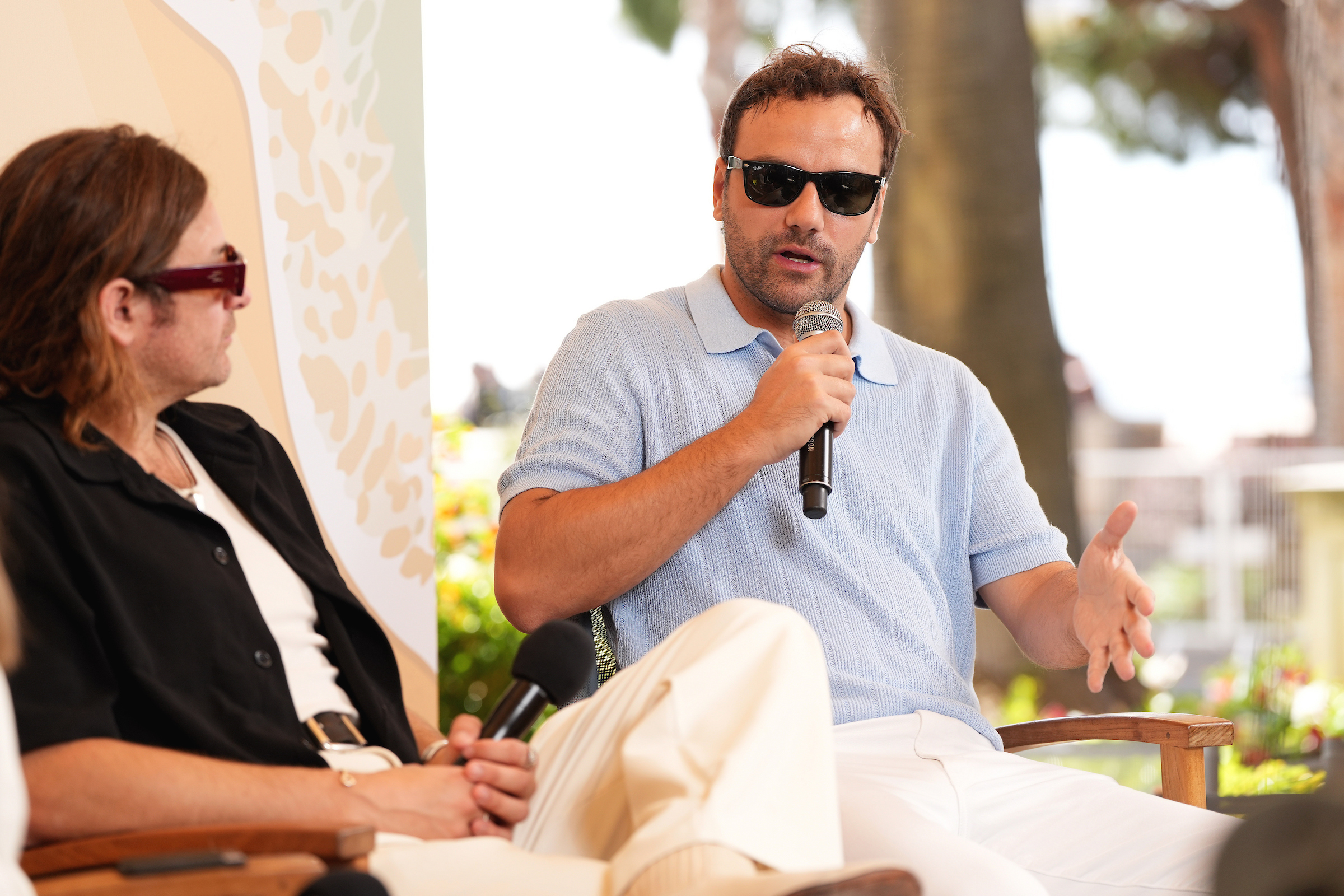
The creator economy has fundamentally restructured brand-to-consumer advertising, with the 2025 Cannes Lions festival crystallizing this shift. More than 250 creators—including Alex Cooper, David Dobrik, Josh Richards, and Dhar Mann—now command equal influence to 13,000+ traditional advertising executives at the industry's premier event. eMarketer data confirms this transformation: 88.7% of established US companies now invest in influencer marketing, up from less than 40% a decade ago, with brand spending on creator partnerships forecast to reach $12.42 billion in 2025. This represents a direct reallocation of marketing budgets away from traditional paid advertising toward creator-driven commerce channels.
For e-commerce sellers, this shift creates both immediate opportunities and competitive pressures. SharkNinja's chief brand officer emphasizes that "creator commerce" now shapes product development and marketing strategies simultaneously—creators aren't just promoting products, they're co-designing them based on real-time audience feedback. Bain & Company research shows creator strategy has become core to CMO playbooks, with the focus shifting from "brands talking about themselves" to "enabling consumer conversations about brands." This means sellers who partner with creators gain access to millions of engaged viewers daily, while those relying on traditional PPC and sponsored listings face rising customer acquisition costs (CAC) as marketing budgets concentrate on influencer partnerships.
The speed advantage is critical for sellers. Creators like Dhar Mann (hosting a $200,000 brand integration workshop at Cannes) emphasize their ability to move at "the speed of culture"—launching products, responding to trends, and pivoting messaging in days rather than months. For sellers in fast-moving categories (beauty, electronics, apparel, home goods), this means partnering with creators who have 100K-10M followers can compress product launch cycles from 90 days to 14-21 days. Sundas Khalid, a first-time Cannes attendee with 1 million followers in AI/data science content, exemplifies the emerging creator-brand partnership model: direct networking with companies like OpenAI and Teachable, bypassing traditional agency intermediaries. Beyond creator focus, Cannes 2025 emphasizes agentic AI and live sports during World Cup group stages (forecasted to drive $10.5 billion in ad spend), signaling that sports merchandise and AI-related products will see peak demand during Q2-Q3 2025.
Sellers must immediately audit their creator partnership pipeline. The data shows that brands investing in creator commerce achieve 3-5x higher engagement rates than traditional advertising, with conversion rates 2-3x higher on creator-recommended products. However, this requires shifting 15-25% of marketing budgets from Amazon PPC and Shopify ads to influencer partnerships, micro-influencer affiliate programs, and TikTok Shop/Instagram Shop integrations. Sellers in beauty, electronics, and apparel categories should prioritize creators with 50K-500K followers (micro-influencers) who command 8-12% engagement rates and lower partnership costs ($500-5,000 per post) compared to mega-influencers ($10K-100K+). The competitive window is narrow: as more sellers recognize this trend, creator rates will inflate 20-30% by Q3 2025.
Questions 8
What are the risks of over-relying on creator partnerships for sales growth?
Creator partnerships are volatile: a single negative comment or creator controversy can tank sales overnight. Cannes Lions 2025 emphasizes industry accountability, with tightened awards rules following unverified case study claims—expect increased scrutiny of creator authenticity and engagement metrics. Sellers should diversify across 5-10 creators rather than betting on 1-2 mega-influencers. Additionally, creator rates are inflating 20-30% as demand increases, so early movers (Q1-Q2 2025) will secure better partnership terms. Finally, AI-generated content is commoditizing digital advertising, making authentic human creators more valuable but also more expensive.
How should sellers measure success of creator partnership campaigns?
Track three metrics: (1) Cost Per Acquisition (CPA) - target $5-25 depending on product margin, (2) Return on Ad Spend (ROAS) - aim for 3-5x, (3) Audience overlap - ensure creator audience matches your customer profile. Use UTM parameters and discount codes to attribute sales directly to creators. Monitor engagement rate (likes, comments, shares) as a leading indicator of conversion potential. Set 30-day performance benchmarks before committing to long-term partnerships. Expect 40-50% of campaigns to underperform, so build in contingency budget and test with smaller creators first.