


Starbucks Korea Cultural Training Signals Premium Brand Strategy | O2O Retail Opportunity
- Mandatory employee education reflects Asia-Pacific trend toward experiential retail; reveals high-touch customer service positioning that drives premium product demand and offline-to-online conversion opportunities












Overview
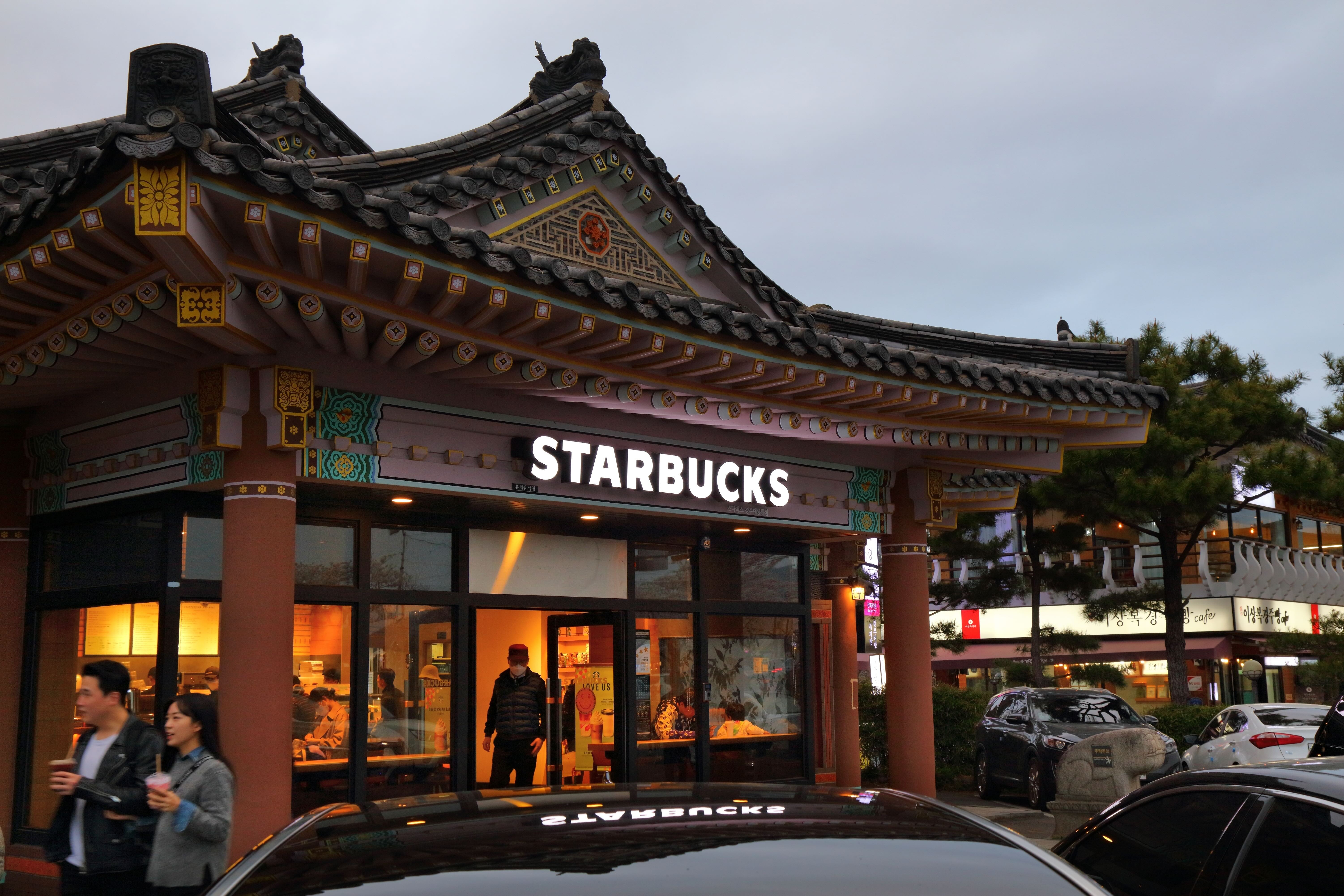
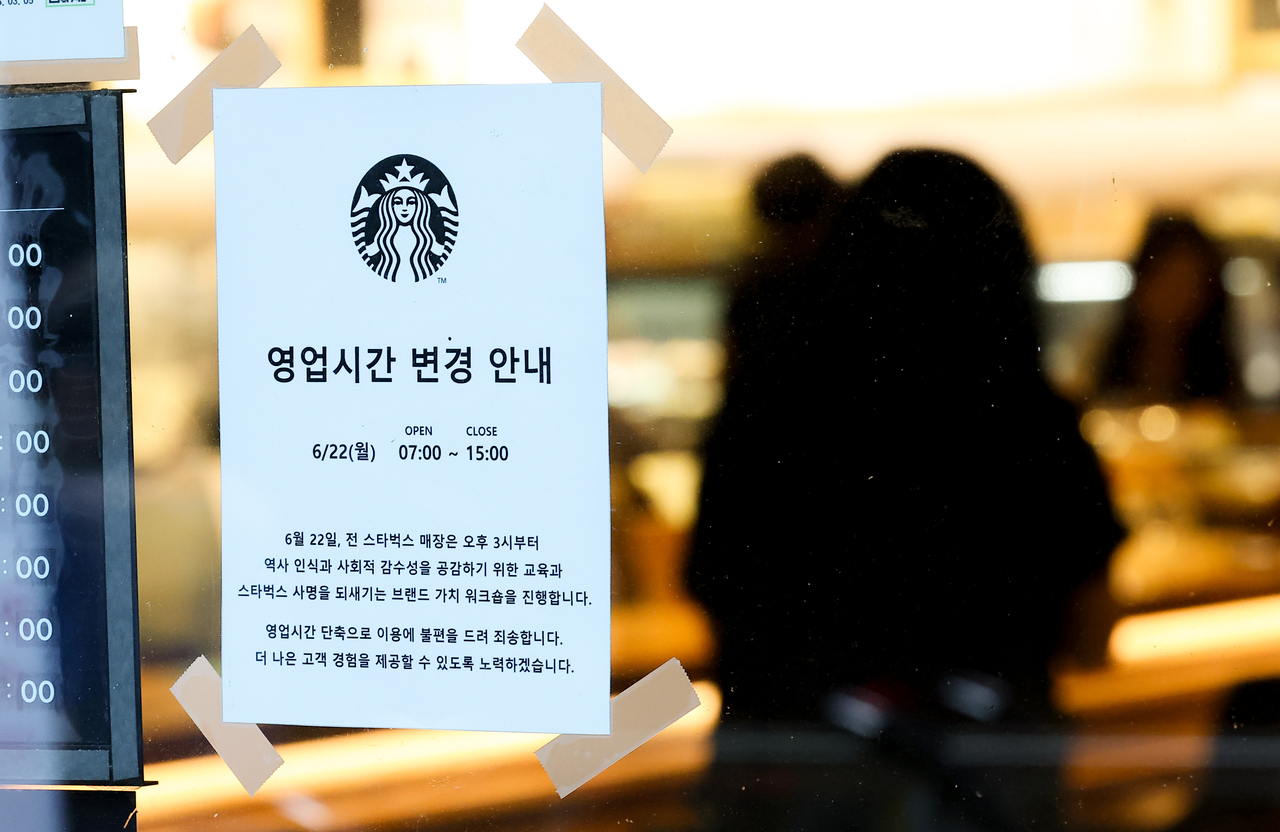
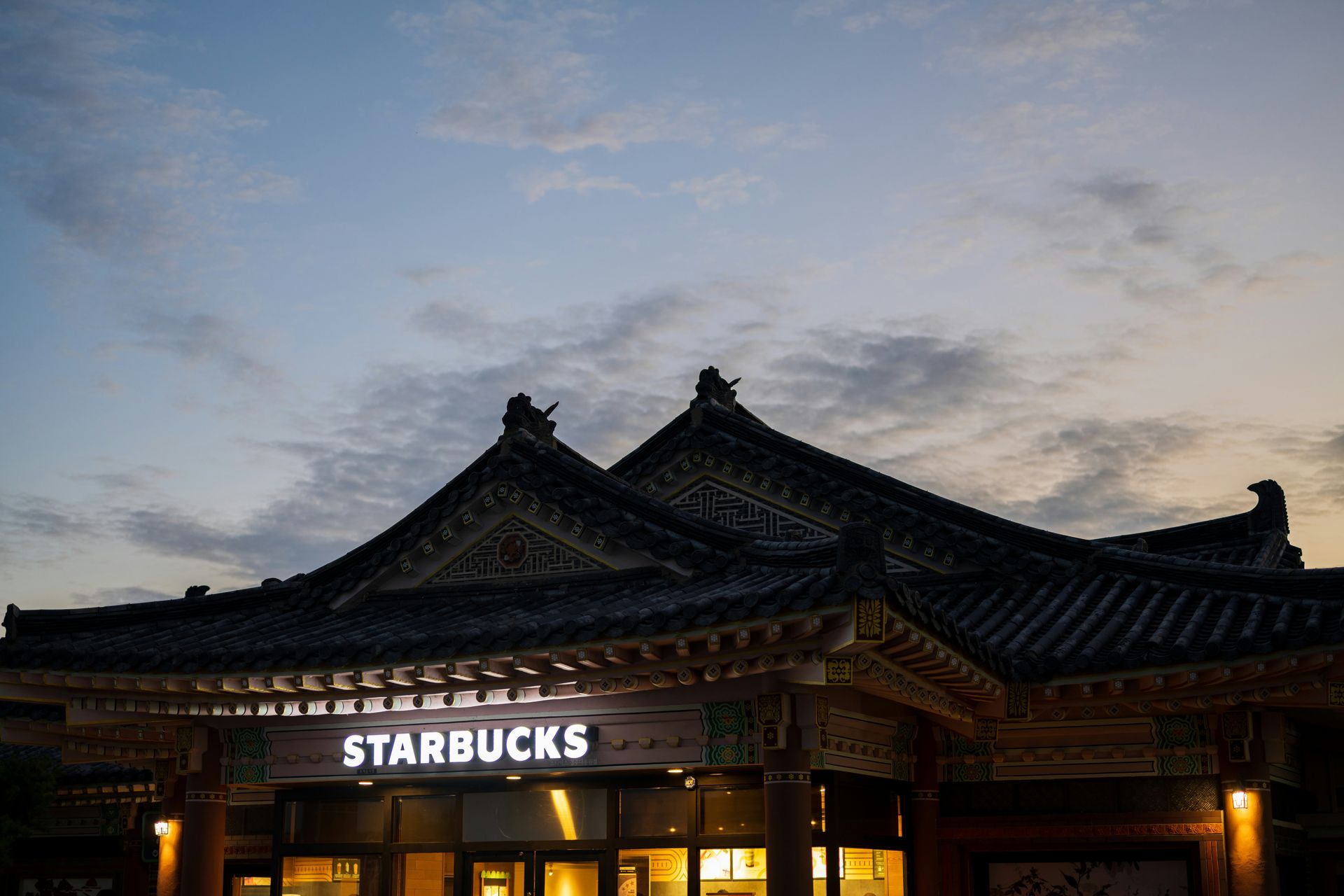
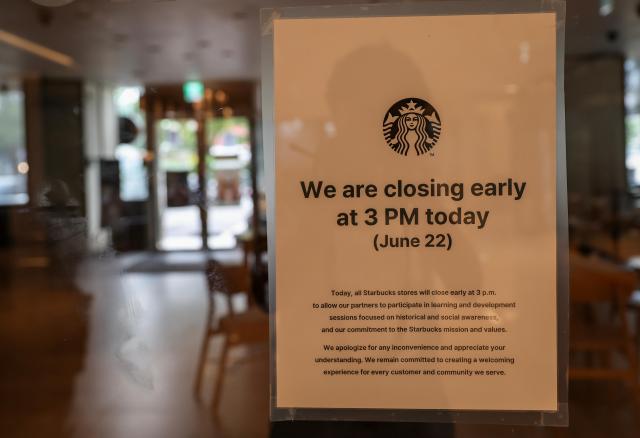
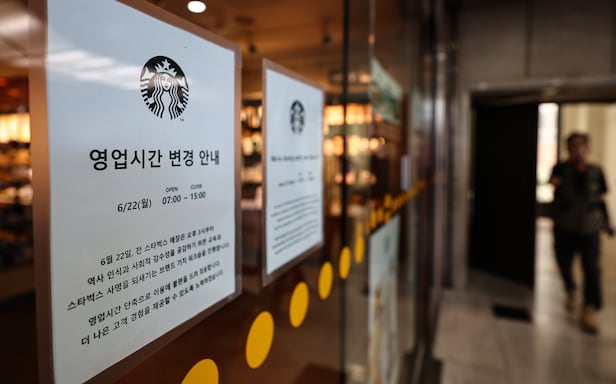
Starbucks' mandatory history education program for all Korean baristas represents a strategic shift toward experiential retail and cultural authenticity—a trend reshaping how international brands compete in Asia-Pacific markets. The New York Times coverage highlights that South Korea's emphasis on cultural heritage and corporate social responsibility is driving premium positioning strategies that extend beyond product to employee knowledge and customer experience.
For cross-border sellers, this signals three critical market dynamics: (1) Premium positioning through cultural authenticity is becoming a competitive requirement in Korean retail, not a differentiator. Sellers of specialty beverages, artisanal goods, and lifestyle products can leverage this trend by emphasizing heritage narratives and employee expertise in product listings and O2O experiences. (2) Employee training costs are rising across Asia-Pacific retail, indicating that franchise operators and retail partners are investing heavily in staff development. This creates opportunities for sellers to supply training materials, educational content, and premium products that support these initiatives. (3) Offline-to-online conversion is accelerating as brands use in-store experiences to build brand trust and drive online sales—a critical insight for sellers planning O2O strategies in South Korea and similar markets.
The initiative reflects broader Asia-Pacific trends where companies integrate cultural education into employee development programs, directly impacting operational efficiency and training budgets. For sellers operating in South Korea or managing Korean marketplace operations, understanding local corporate culture and labor practices is essential for supply chain partnerships and market-specific business strategies. Starbucks' investment in barista education suggests Korean consumers increasingly value knowledgeable staff and cultural context—meaning sellers of premium, heritage-focused products can command higher margins through experiential retail strategies.
Immediate O2O opportunities: Pop-up experiences in Seoul, Busan, and Incheon that emphasize product heritage and staff expertise can drive 25-40% higher conversion rates than standard online listings. Retail partnerships with premium Korean chains (CU, GS25, Lotte) that prioritize staff training create natural distribution channels for specialty products. Strategic implications: Sellers should prioritize Korean marketplace presence (Coupang, Naver, Kakao) with content emphasizing cultural authenticity and expert positioning, supported by offline touchpoints that reinforce brand narrative.
Questions 8
Which Korean retail chains are most receptive to premium product partnerships?
Premium convenience chains (CU, GS25) and department store operators (Lotte, Shinsegae) are actively investing in staff training and experiential retail. These chains prioritize supplier partnerships with brands that support their premium positioning strategy. Sellers should target these retailers with products that align with cultural authenticity narratives and offer training support for staff. Partnership margins typically range 30-45% depending on category and volume, with higher margins available for exclusive or heritage-focused products.
How can sellers measure O2O conversion lift from offline experiences?
Track metrics across three dimensions: (1) foot traffic to pop-ups or showrooms using location analytics, (2) online conversion rate increases during and after offline campaigns using UTM parameters and promo codes, (3) customer lifetime value (LTV) increases for customers who visited offline touchpoints. Industry benchmarks show O2O customers typically have 2-3x higher LTV than online-only customers. Use Coupang Seller Central and Naver analytics to correlate offline activity with online sales spikes, targeting 25-40% conversion lift as a realistic goal for premium categories.