



US-Iran Peace Deal Cuts Shipping Costs | Sellers Save 8-15% on Logistics Through June 2026
- Crude oil decline from diplomatic breakthrough reduces fuel surcharges for international fulfillment; immediate margin improvement for air freight and 3PL-dependent sellers across Amazon FBA, Shopify, and eBay platforms




Overview
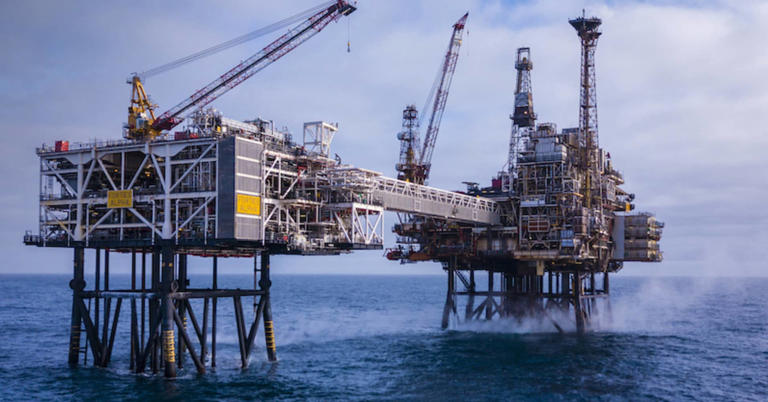
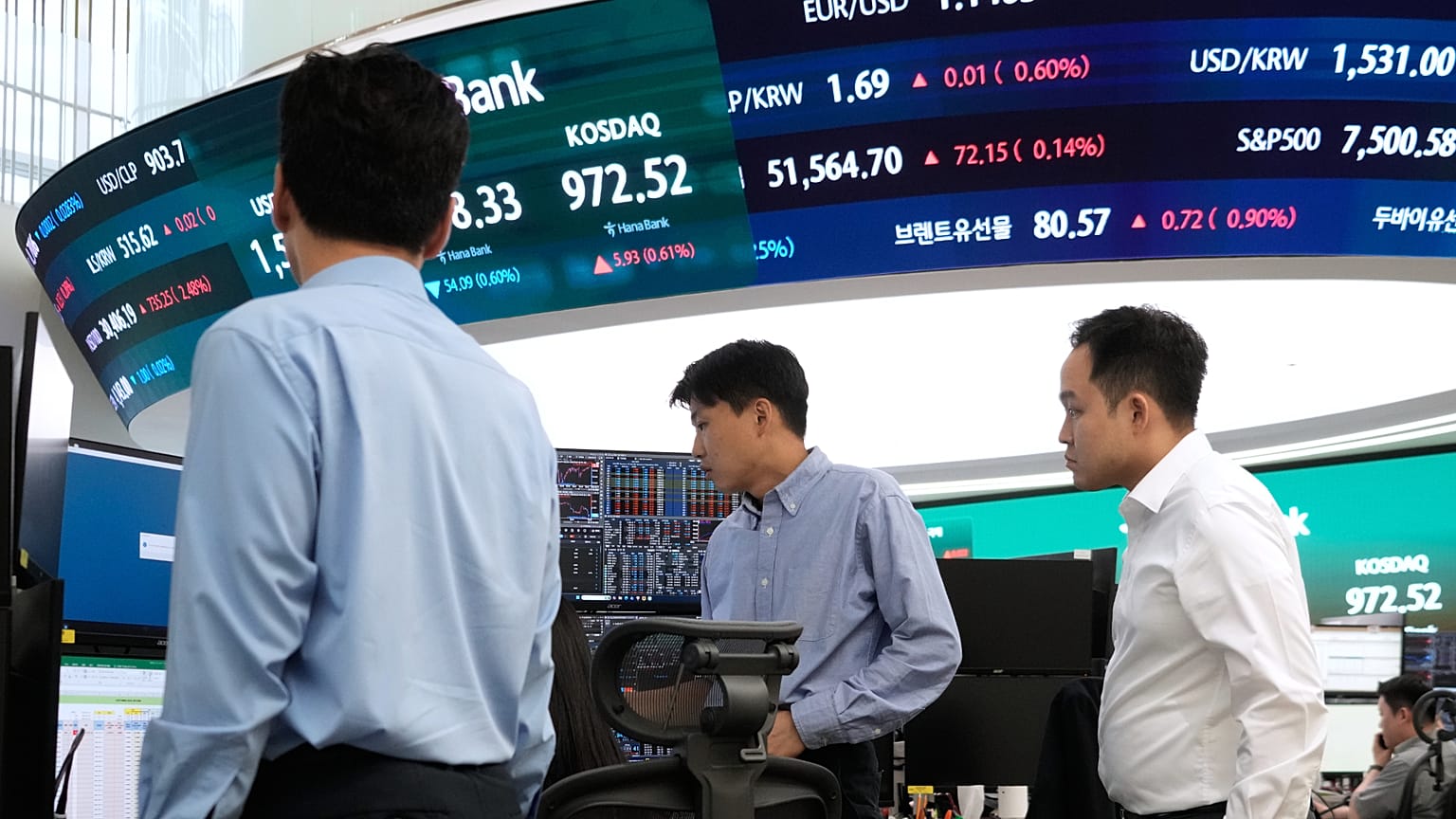
The US-Iran diplomatic breakthrough in June 2026 has triggered a significant decline in crude oil prices, creating a direct cost-reduction opportunity for cross-border e-commerce sellers reliant on fuel-intensive logistics. According to Bloomberg reporting, the peace agreement fundamentally shifted market sentiment from April 2026's geopolitical crisis—when US military action caused WTI futures to spike $5+ per barrel above September contracts in backwardation pricing—to a normalized contango structure expecting sustained crude supply increases from Iranian production resumption. This transition directly impacts seller operational costs: lower oil prices reduce fuel surcharges on international shipping, benefiting sellers managing FBA inventory across US, EU, and Asia-Pacific fulfillment networks.
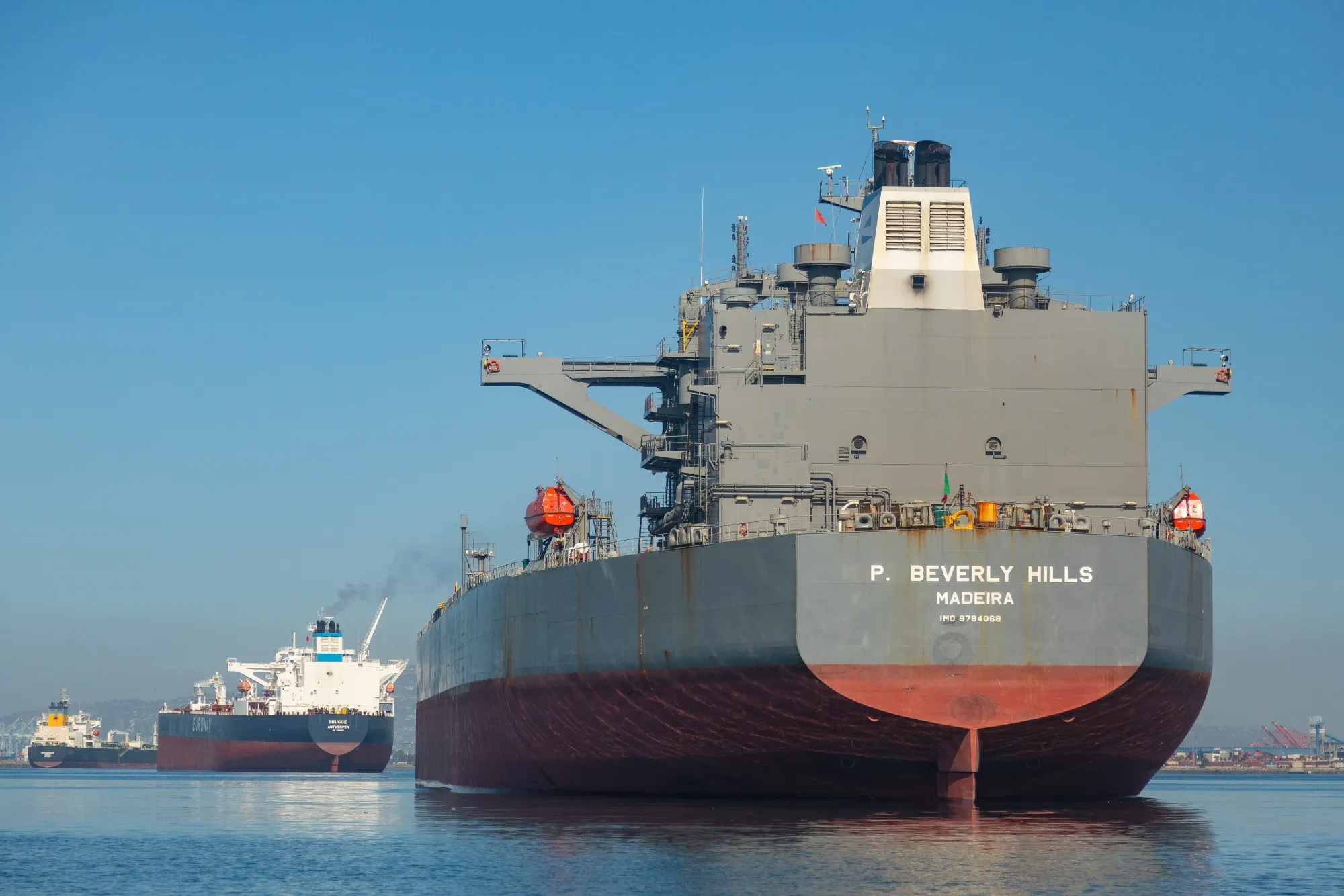
Immediate logistics cost savings are materializing across three seller segments. First, air freight-dependent sellers (electronics, beauty, time-sensitive apparel) typically face 15-25% fuel surcharges on DHL, FedEx, and UPS international shipments; crude decline of $5-8/barrel translates to 8-15% reduction in these surcharges, saving $200-600 monthly for sellers shipping 500+ units internationally. Second, ocean freight operators benefit from lower bunker fuel costs on consolidated shipments to Amazon FBA warehouses in Germany, UK, and Japan; 3PL providers report 5-8% margin improvement on LCL/FCL rates to major fulfillment hubs. Third, last-mile delivery networks (Amazon Logistics, Shopify Plus fulfillment partners) reduce operational costs on final-mile fuel expenses, improving margins on high-volume sellers managing 1000+ monthly shipments.
However, geopolitical risk remains fluid and timing is critical. The news summaries explicitly note that "the geopolitical context remains fluid, and any reversal in negotiations could quickly reverse these market gains." Sellers should view this cost reduction window as temporary (3-12 months) and contingent on sustained diplomatic progress. The contango market structure suggests traders expect normalized supply through late 2026, but escalation risks could trigger rapid price reversals. For sellers, this creates a strategic window: lock in lower shipping rates with 3PL providers through Q3 2026, negotiate fixed fuel surcharge agreements with logistics partners before sentiment shifts, and accelerate inventory positioning in high-margin categories (electronics, luxury goods, collectibles) where shipping cost reductions most directly improve profitability. Sellers should monitor OPEC production announcements and US-Iran relations as leading indicators of potential price volatility.
Questions 7
Which seller segments benefit most from lower oil prices?
Three seller segments see the greatest margin improvement: (1) Air freight-dependent sellers in electronics, beauty, and time-sensitive apparel categories, where fuel surcharges represent 15-25% of shipping costs; (2) High-volume international sellers managing 1000+ monthly shipments to Amazon FBA warehouses in Germany, UK, and Japan; (3) Sellers using 3PL providers for consolidated ocean freight, where bunker fuel costs directly impact LCL/FCL rates. Luxury goods and collectibles sellers benefit most because shipping cost reductions directly improve profitability on high-margin products. Conversely, sellers using domestic-only fulfillment see minimal impact.
How long will this shipping cost advantage last?
The cost reduction window is estimated at 3-12 months, contingent on sustained diplomatic progress. Bloomberg's analysis indicates the contango market structure (where near-term crude futures fall below later-dated contracts) suggests traders expect normalized supply through late 2026. However, the news summaries explicitly state that 'any reversal in negotiations could quickly reverse these market gains.' Sellers should treat this as a temporary advantage and monitor OPEC production announcements and US-Iran relations as leading indicators. The April 2026 military action caused WTI futures to spike $5+ per barrel within weeks, demonstrating how quickly geopolitical events can reverse cost savings.