



AI Export Controls Ease | Amazon's Competitive Leverage & Seller Opportunity Window
- Trump lifts Anthropic security threat designation after rapid compliance; signals policy volatility for AI-powered e-commerce tools and Amazon's strategic positioning as both competitor and stakeholder










Overview
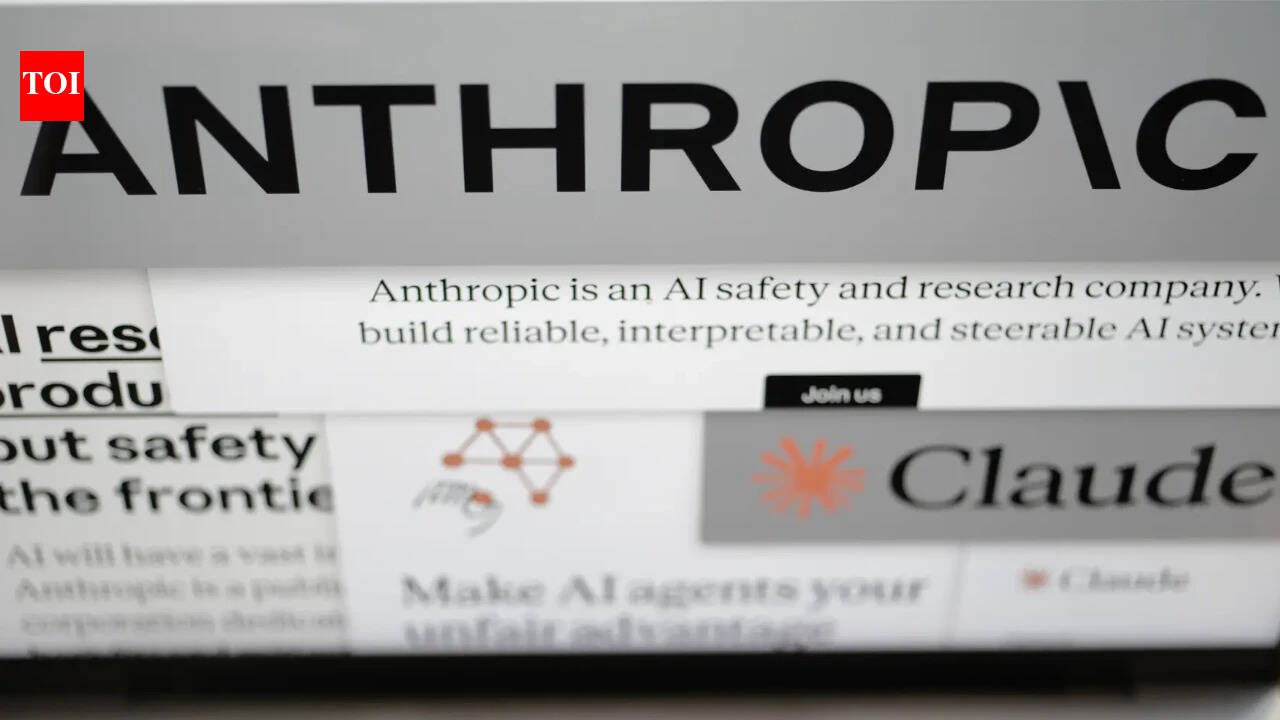
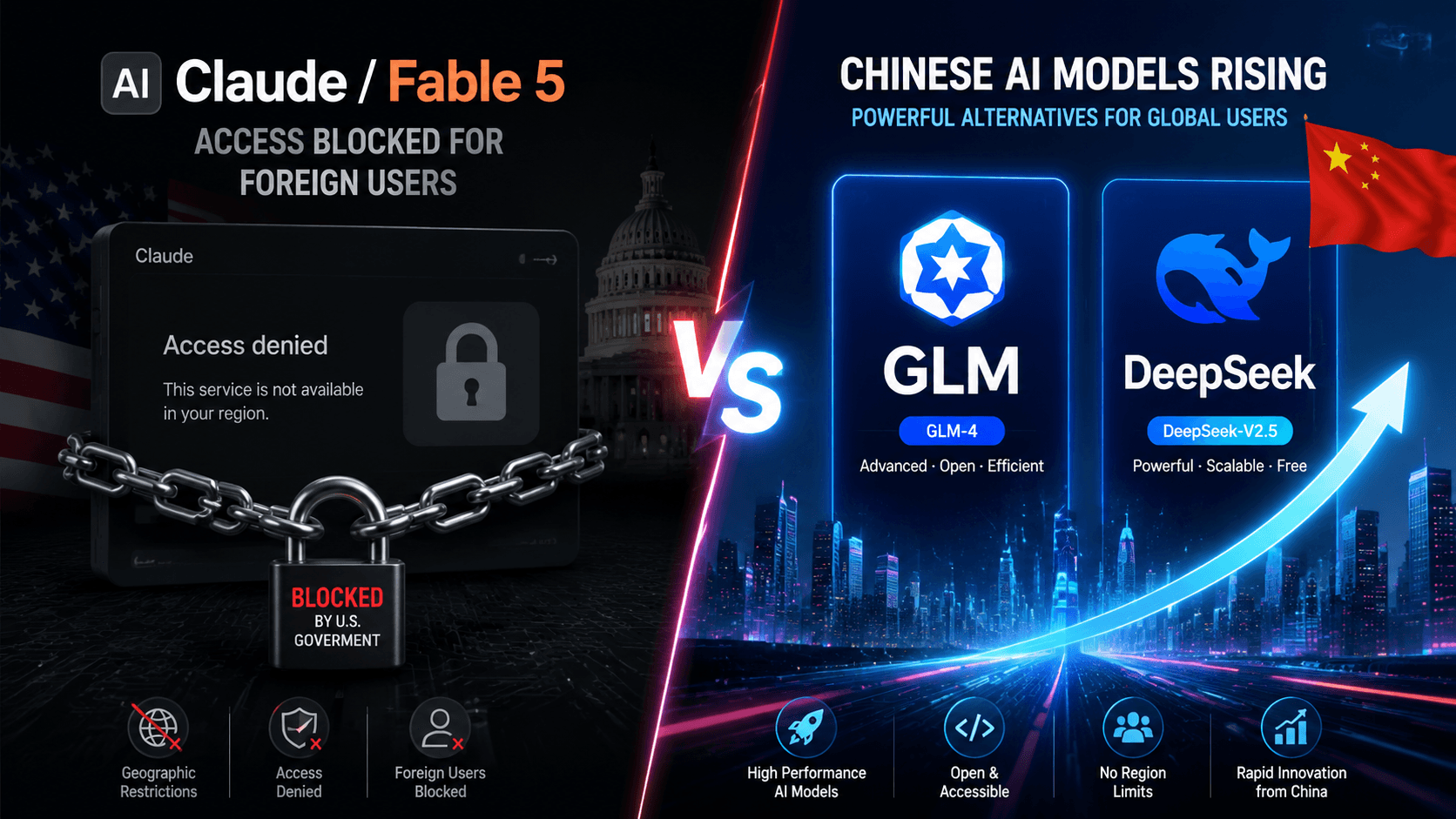
President Trump's reversal of Anthropic's national security threat designation represents a critical policy pivot with direct implications for e-commerce sellers relying on AI-powered tools and Amazon's competitive ecosystem. The Commerce Department initially prohibited foreign nationals from accessing Anthropic's Fable 5 and Mythos 5 AI models following jailbreak vulnerability reports flagged by Amazon—which holds a partial ownership stake in Anthropic. Trump's de-escalation after Anthropic CEO Dario Amodei's rapid response at the G7 summit signals that compliance speed and government partnership can reverse adverse policy designations within days, creating a precedent for how AI regulation will evolve.
The Amazon angle is critical for sellers: Amazon's dual role as both a competitor and partial owner of Anthropic created a conflict-of-interest dynamic where the company leveraged security concerns to influence government policy. This demonstrates how platform ownership stakes can weaponize regulatory processes. For sellers, this means Amazon's AI initiatives (product recommendations, demand forecasting, listing optimization tools) will likely accelerate without export restrictions, while competitors using Anthropic's models face ongoing regulatory uncertainty. The framework for assessing AI jailbreaks—currently under negotiation between Anthropic and federal officials—will become the standard for determining which AI tools sellers can legally deploy.
Operational impact for sellers: The 1-week policy reversal window reveals regulatory volatility that affects AI tool adoption decisions. Sellers investing in Anthropic-powered inventory management, pricing optimization, or content generation tools now face reduced compliance risk, but the Defense Production Act remains available as an emergency override. The Pentagon's prior placement of Anthropic on a supply-chain risk list (historically reserved for foreign adversaries) signals that domestic AI companies can face adversarial designations, creating uncertainty for sellers dependent on these tools. The ongoing negotiation of AI security protocols means compliance requirements will continue shifting, requiring sellers to maintain flexibility in tool selection.
Market access implications: Trump's emphasis on "beating China by a lot" in AI competition indicates U.S. policy will prioritize domestic AI company viability over strict security enforcement. This creates a window (estimated 3-6 months before new regulations solidify) where sellers can adopt Anthropic-powered tools with lower compliance friction. However, the framework for assessing jailbreaks suggests future regulations will focus on model access controls rather than outright bans, meaning sellers should prepare for authentication requirements and usage monitoring rather than tool unavailability.
Questions 8
How does Trump's Anthropic policy reversal affect sellers using AI-powered inventory tools?
Trump's removal of Anthropic from the national security threat list reduces compliance friction for sellers adopting Anthropic-powered inventory management and pricing optimization tools. The Commerce Department's initial export control order prohibited foreign nationals from accessing Fable 5 and Mythos 5 models, creating uncertainty for international seller teams. With the designation reversed, sellers can now deploy these tools across geographically distributed teams without immediate regulatory risk. However, the ongoing negotiation of AI jailbreak assessment frameworks means compliance requirements will continue evolving—sellers should monitor government-industry discussions for emerging authentication or usage monitoring requirements that may affect tool deployment timelines.
What is Amazon's strategic advantage from its partial ownership of Anthropic?
Amazon leveraged its partial ownership stake to flag security concerns about Anthropic's models to the Trump administration, demonstrating how platform ownership can influence regulatory outcomes. This dual role—as both competitor and stakeholder—allows Amazon to shape AI regulation while protecting its own competitive position. For sellers, this means Amazon's AI-powered tools (product recommendations, demand forecasting, listing optimization) will likely receive preferential regulatory treatment compared to third-party AI solutions. Sellers should expect Amazon to accelerate AI feature rollouts while competitors face ongoing compliance scrutiny, creating a competitive advantage window for sellers who adopt Amazon's native AI tools before alternative solutions face new restrictions.