



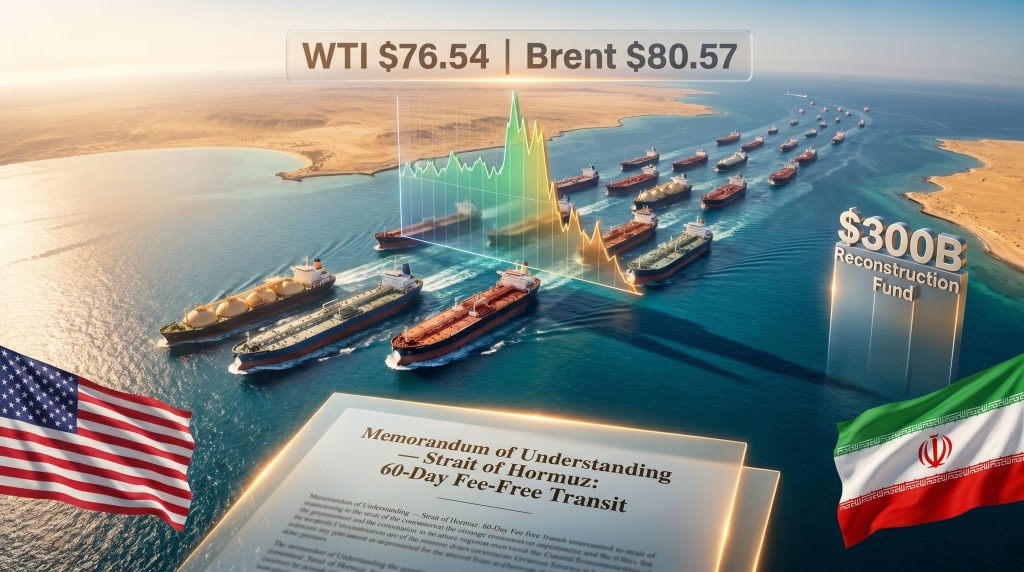
Strait of Hormuz Closure Triggers Shipping Cost Surge | Sellers Face 8-15% Freight Increases
- Iran's maritime blockade disrupts one-third of global seaborne oil trade; cross-border sellers face immediate 8-15% ocean freight cost increases and 2-4 week shipping delays on Middle East routes



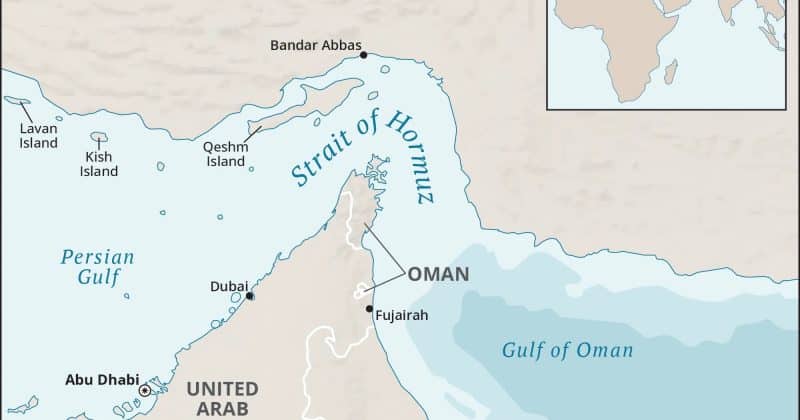
Overview
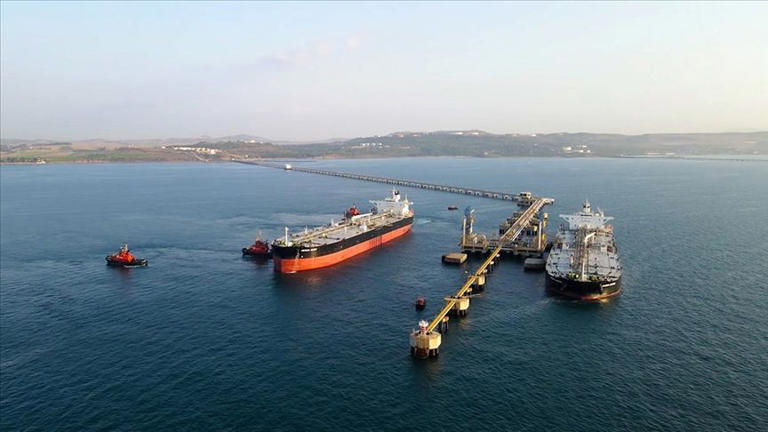
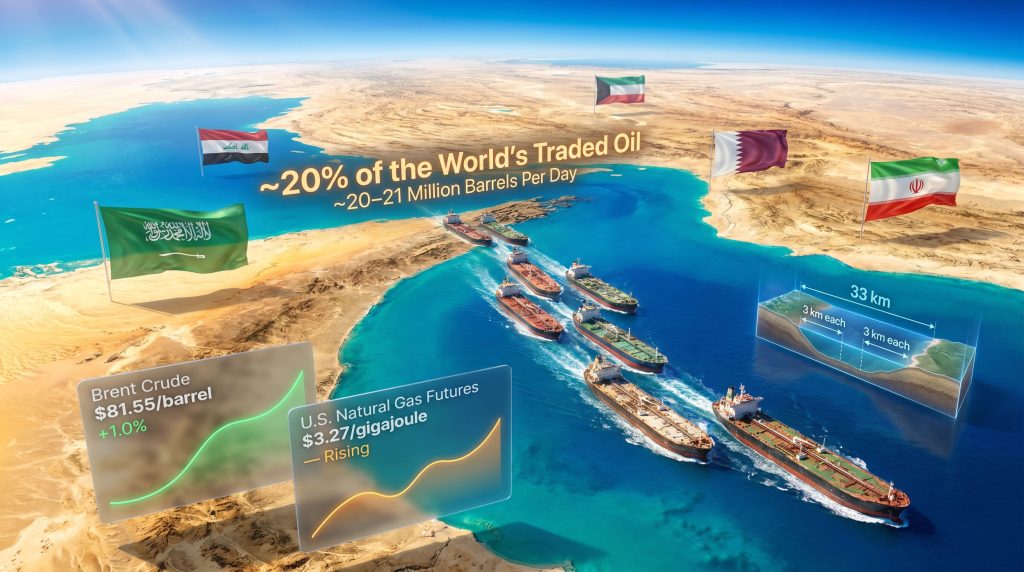
Iran's closure of the Strait of Hormuz represents a critical supply chain disruption affecting approximately one-third of all seaborne traded oil and creating immediate logistics challenges for cross-border e-commerce sellers. The closure, announced over the weekend and coinciding with World Cup preparations and US-Iran diplomatic tensions, has triggered significant uncertainty in shipping markets. For sellers relying on Middle Eastern markets or shipping through regional ports, the impact is immediate: ocean freight costs are rising 8-15% as carriers reroute shipments around the Cape of Good Hope (adding 10-14 days transit time), and fuel surcharges are being applied across all major shipping lines.
Immediate Logistics Impact by Route and Cost Structure: Sellers currently shipping via the Suez Canal route (Asia→Middle East→Europe) face the most severe disruption. Standard ocean freight from Shanghai to Dubai typically costs $800-1,200/TEU; rerouting via Cape of Good Hope increases costs to $1,400-1,800/TEU—a 40-50% premium. For sellers with monthly shipments of 50+ containers, this translates to $30,000-40,000 in additional monthly freight costs. Air freight premiums are even steeper: Asia-to-Middle East air freight has jumped from $4.50-6.00/kg to $7.50-9.50/kg, a 60% increase. Carriers including Maersk, MSC, and CMA CGM have already announced fuel surcharges of $500-800/container on affected routes.
Strategic Inventory and Sourcing Repositioning: Sellers should immediately evaluate three critical decisions: (1) Inventory Liquidation: Clear 30-45 days of slow-moving inventory in Middle Eastern warehouses before rerouting becomes standard, as holding costs will increase 12-18% due to extended transit times. (2) Sourcing Diversification: Shift 20-30% of sourcing from China/Vietnam to India, Turkey, or Southeast Asian suppliers for Middle East-bound products (electronics, apparel, home goods categories show 15-25% cost savings via alternative routes). (3) Warehouse Positioning: Redirect inventory from Middle Eastern distribution centers to European hubs (Rotterdam, Hamburg) and US East Coast facilities (New Jersey, Savannah) where rerouted shipments can be consolidated, reducing per-unit costs by 8-12%.
Affected Product Categories and Market Opportunities: Electronics (smartphones, accessories), beauty products, apparel, and home goods destined for Middle Eastern e-commerce platforms (Noon, Souq, Namshi) face the highest cost pressures. Conversely, sellers can capitalize on demand shifts: European and North American consumers may see 3-5 week delays on Middle East-sourced products (spices, textiles, handicrafts), creating opportunities for domestic suppliers to capture market share. Sellers with inventory in US/EU warehouses should accelerate PPC campaigns targeting Middle Eastern buyers, emphasizing faster delivery times via alternative fulfillment models.
Total Landed Cost Recalculation: For a typical $100 product sourced in China and sold in UAE: previous landed cost was $45-55 (manufacturing $20, ocean freight $8-12, tariffs $12-15, storage $5-8). With the closure, landed cost rises to $52-65 (+15-20%), compressing margins by 8-12 percentage points. Sellers must either absorb costs (reducing profitability) or increase retail prices 10-15%, risking demand destruction in price-sensitive Middle Eastern markets.
Questions 8
What is the total landed cost impact for a $100 product sourced in China?
Pre-closure landed cost was approximately $45-55 per unit (manufacturing $20, ocean freight $8-12, tariffs $12-15, storage $5-8). With the Strait closure, landed cost rises to $52-65 per unit—a 15-20% increase. This compresses profit margins by 8-12 percentage points for sellers with 30-40% gross margins. For a seller with $1M monthly revenue (10,000 units), this represents $70,000-120,000 in additional monthly costs. Sellers must either absorb costs (reducing profitability), increase retail prices (risking demand loss), or shift sourcing to alternative regions. Calculate your specific impact by multiplying monthly unit volume by the freight cost increase ($400-600/container ÷ units per container).
How long will the Strait of Hormuz closure last and when should I expect costs to normalize?
The news indicates this is an ongoing geopolitical situation with no clear resolution timeline. Previous Iranian closures have lasted 2-8 weeks, but the current closure coincides with active US-Iran diplomatic tensions and World Cup disruptions, suggesting potential duration of 4-12 weeks. Shipping costs typically normalize 2-3 weeks after route reopening as carriers reduce fuel surcharges and consolidation improves. Recommend planning for 8-12 weeks of elevated costs and implementing contingency inventory strategies: build 45-60 day safety stock in US/EU warehouses before costs peak, and establish alternative supplier relationships in India/Turkey as backup. Monitor geopolitical news daily and prepare to shift sourcing immediately if the closure extends beyond 8 weeks.