

Russia-Ukraine Conflict Disrupts Supply Chains | Cross-Border Sellers Face Logistics Volatility
- Kerch Bridge attacks create 50-80% booking cancellations; sellers shipping to Russia/CIS markets face 3-6 week delays and alternative routing costs
Overview
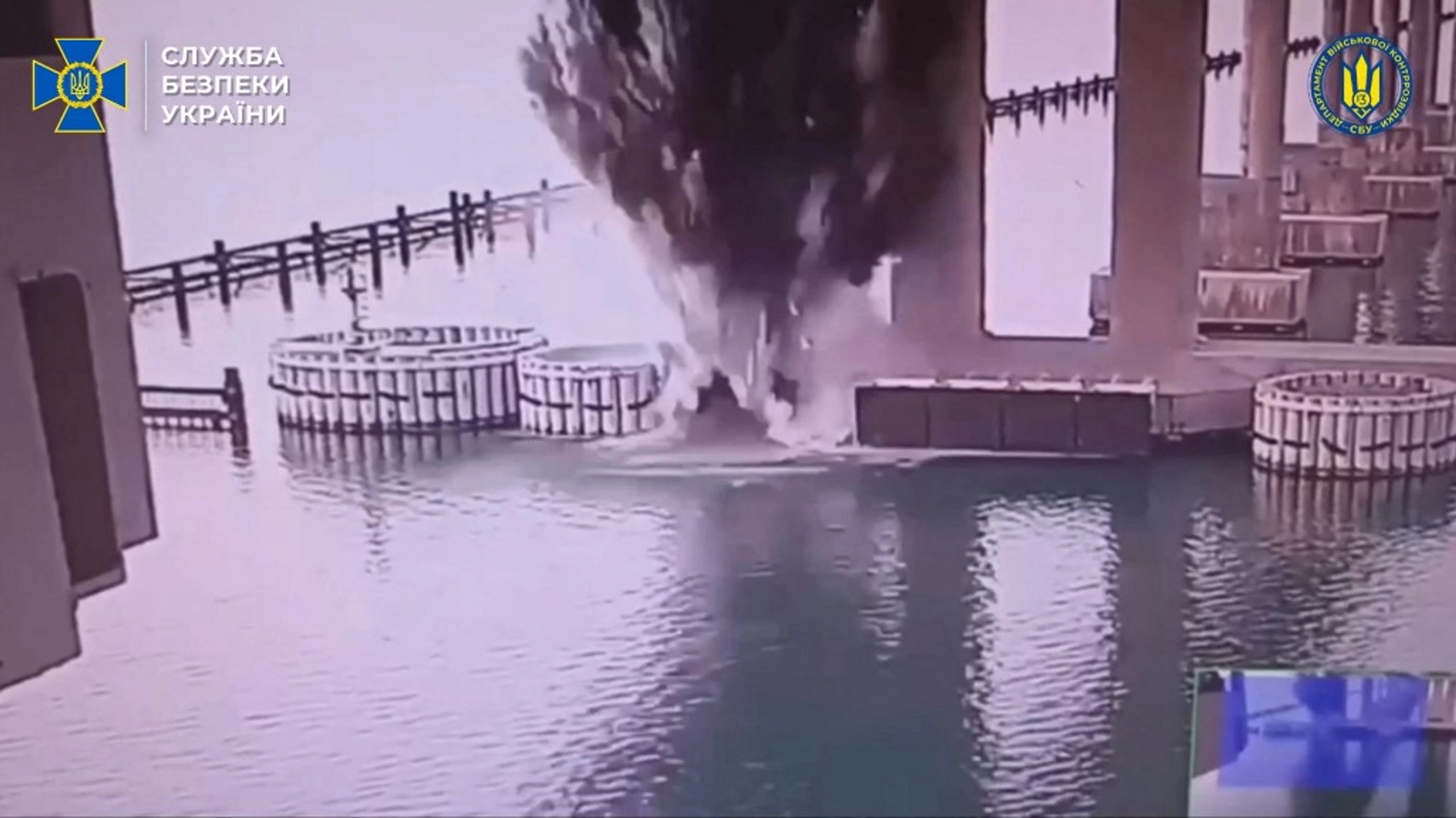
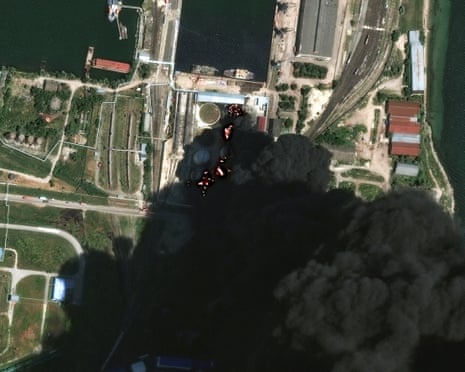
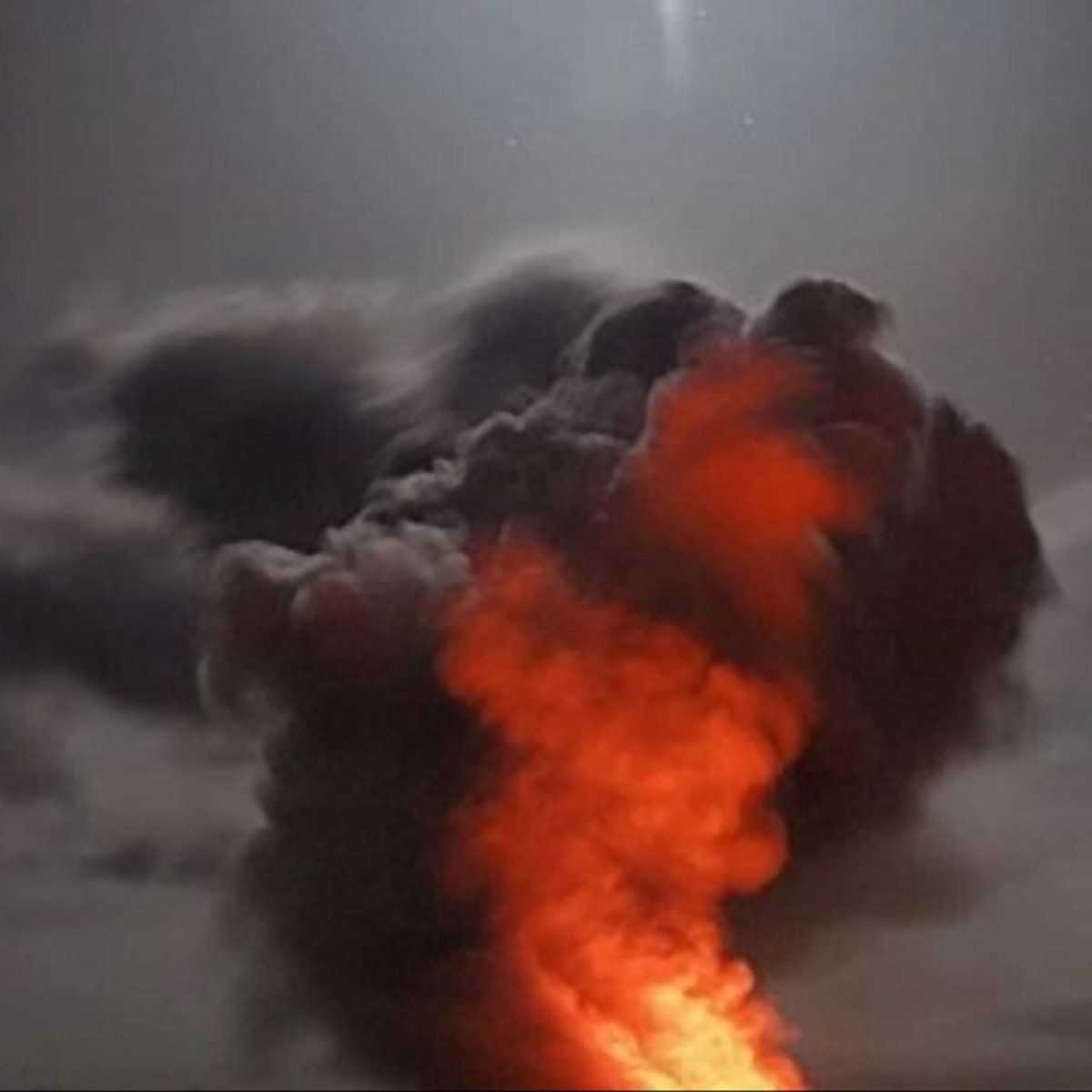
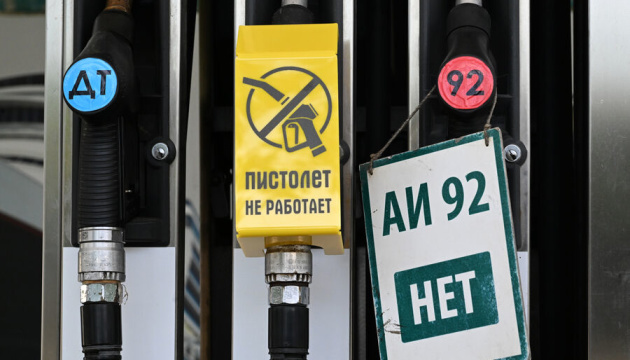
The intensification of Ukrainian military strikes on Crimea's critical infrastructure—particularly the Kerch Bridge and transport corridors—represents a significant geopolitical supply chain disruption with direct implications for cross-border e-commerce sellers. On June 22, 2026, Ukrainian forces targeted oil facilities and transport infrastructure, forcing Russian authorities to suspend civilian fuel sales and cancel public events. Tour operator data reveals approximately 80% of June bookings were cancelled, with 50% of July-August reservations abandoned, indicating severe economic contraction in the region.
For cross-border sellers, this conflict escalation creates multiple operational challenges. Sellers shipping to Russia, Belarus, and CIS markets face 3-6 week logistics delays as the Kerch Bridge—the primary 12-mile logistics corridor connecting Crimea to mainland Russia—remains vulnerable to further Ukrainian targeting. The bridge, damaged in October 2022 and reinforced since, now operates under restricted traffic protocols, forcing freight rerouting through longer, costlier corridors via the Novorossiya highway. This creates 15-25% additional shipping costs for sellers using traditional Russia-focused 3PL providers.
Supply chain implications extend beyond Russia. The disruption affects sellers in three ways: (1) Inventory positioning: Sellers with stock in Russian warehouses face extended holding periods and potential spoilage for perishable/seasonal goods; (2) Pricing power erosion: Reduced consumer spending (evidenced by 80% tourism cancellations) compresses margins in discretionary categories like electronics, apparel, and home goods; (3) Payment risk: Russian payment processors and banking channels face sanctions-related restrictions, increasing chargeback rates and settlement delays by 2-4 weeks.
Market-specific impacts vary by seller segment. Small sellers (under $500K annual revenue) relying on Russian marketplaces like Wildberries and Ozon face immediate cash flow pressure as consumer demand contracts. Mid-market sellers with diversified logistics networks can absorb routing costs but must update 3PL contracts immediately. Large sellers with regional distribution centers can pivot inventory to EU/Asia-Pacific markets, but face 20-30% margin compression on Russian-destined goods due to reduced demand and increased logistics costs.
The strategic window for action is immediate (0-30 days). Russian military analysts warn that "pressure on the Crimean Kerch Bridge will clearly increase in the coming weeks," suggesting further disruptions are likely. Sellers must reassess Russia exposure, diversify payment methods away from sanctioned processors, and consider temporary market exit or inventory reduction strategies for Q3 2026.
Questions 7
What immediate actions should sellers take regarding Russia exposure?
Within 0-30 days, sellers should: (1) Audit current inventory in Russian warehouses and assess spoilage risk for perishable/seasonal goods; (2) Contact 3PL providers to understand routing alternatives and cost implications; (3) Diversify payment methods away from sanctioned Russian processors; (4) Reduce new inventory orders to Russian markets by 30-50% pending stabilization; (5) Evaluate temporary market exit or inventory liquidation strategies for Q3 2026. Russian military analysts warn that 'pressure on the Crimean Kerch Bridge will clearly increase in the coming weeks,' suggesting further disruptions are likely.
How do sanctions affect payment processing for Russia-focused sellers?
Russian payment processors and banking channels face ongoing sanctions-related restrictions, creating settlement delays of 2-4 weeks and elevated chargeback rates. Sellers relying on traditional Russian payment methods (Yandex.Kassa, Sberbank) face increased transaction friction and compliance complexity. The conflict escalation increases the likelihood of additional financial sanctions, making payment method diversification critical. Sellers should immediately establish alternative payment channels through non-sanctioned processors and consider temporary market exit strategies if payment risk becomes unmanageable.