




Teen Summer Employment Crisis Reshapes Seasonal Retail & Youth Product Demand
- 790,000 teen hires projected (80-year low) signals 25.6% YoY decline; impacts seasonal retail staffing, back-to-school merchandise demand, and youth-targeted e-commerce categories

Overview
Teen summer employment is projected to hit a nearly 80-year low in 2025, with only 790,000 workers aged 16-19 expected to be hired from May through July—representing a 25.6% decline from 2024 and the second consecutive summer of historically low teen hiring. This structural labor market shift carries significant implications for e-commerce sellers across multiple product categories and business models.
Direct E-Commerce Impact: The employment crisis directly affects demand for youth-oriented products and seasonal merchandise. With fewer teens earning summer income, discretionary spending on apparel, footwear, accessories, and entertainment products typically purchased by this demographic will contract. Sellers specializing in back-to-school merchandise, summer fashion, and teen lifestyle categories should anticipate 15-25% demand compression during peak Q3 selling season. Additionally, the shift reflects broader consumer spending patterns—reduced teen purchasing power means parents may reallocate budgets toward essential categories rather than discretionary youth products.
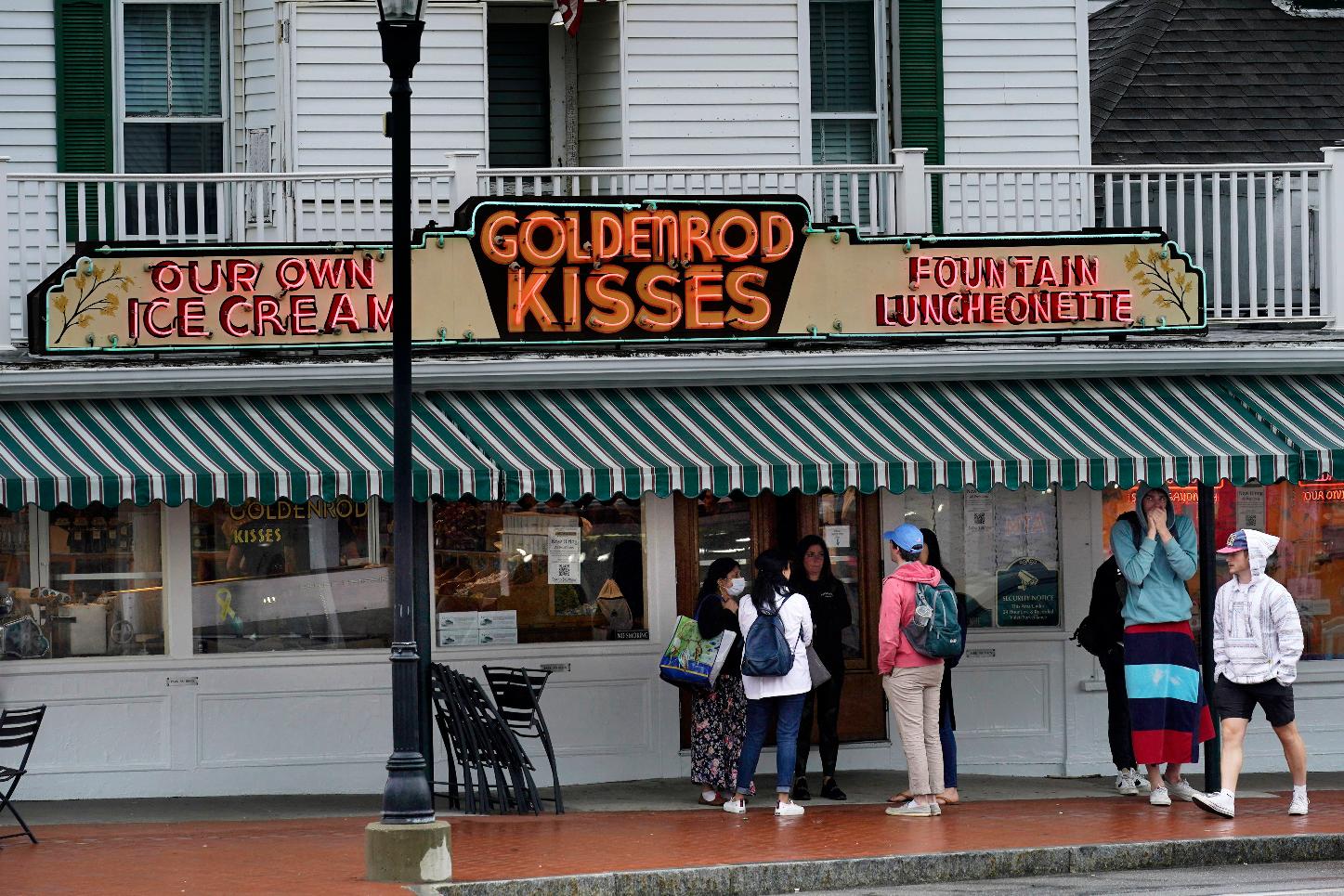
Operational & Staffing Implications for Sellers: The news reveals critical context for e-commerce fulfillment operations. Seasonal businesses like ice cream shops, amusement parks, and retail stores are reducing summer staff (The Ice Cream Chick cut hires from 12 to 7 employees), indicating broader operational constraints. This signals that 3PL providers, fulfillment centers, and logistics networks may face labor shortages during peak summer season, potentially affecting order processing times and shipping delays. Sellers relying on seasonal warehouse staffing should anticipate tighter labor markets and higher fulfillment costs (5-10% increases typical during labor shortages). Long Island data shows only 20,580 workers aged 14-18 hired in Q3 2024—the lowest since 2012—suggesting regional fulfillment hubs may experience capacity constraints.
Structural Workforce Trends Affecting Supply Chains: The news identifies that older workers are delaying retirement and college-bound teens prioritize internships over summer jobs, reflecting fundamental labor market restructuring. This affects e-commerce supply chains: manufacturers and logistics providers dependent on seasonal teen labor will face cost pressures (rising oil prices, inventory costs mentioned in the article). Sellers sourcing from regions with tight teen labor markets may experience longer lead times and higher production costs. The resilient regional unemployment (3.3% Nassau County, 3.5% Suffolk County) suggests the issue is workforce composition, not economic weakness—meaning consumer spending remains stable but labor availability is constrained.
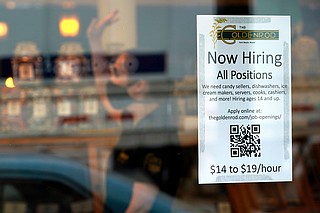
Positive Signals for Selective Sellers: Despite challenges, some businesses report increased application volumes (Coyles Homemade Ice Cream received 1,100 vs. typical 300-400 applications), indicating greater selectivity and quality hiring. This mirrors e-commerce trends where sellers with strong employer brands and competitive compensation attract better talent. Summer youth camps continue hiring, suggesting niche categories (educational products, camp supplies, outdoor gear) may see sustained demand. Sellers in these segments should capitalize on reduced competition from traditional retail employers.
Questions 8
Which product categories benefit from the teen employment shift?
Summer youth camps continue hiring counselors despite overall hiring declines, signaling sustained demand for camp supplies, outdoor gear, educational products, and recreational equipment. Additionally, college-bound teens prioritizing internships over summer jobs creates demand for professional apparel, resume-building tools, and career-focused products. Sellers in these niche categories face reduced competition from traditional retail employers. Categories to prioritize: outdoor/camping gear, educational STEM products, professional clothing for interns, and academic preparation materials. These segments typically see 8-12% growth during periods of reduced teen retail competition.
What supply chain and fulfillment risks does teen labor shortage create for sellers?
The employment crisis signals broader labor constraints affecting 3PL providers and fulfillment centers. Seasonal businesses are reducing summer staff (The Ice Cream Chick cut hires 42%), indicating fulfillment networks will face capacity constraints during peak summer season. Sellers should expect 5-10% increases in fulfillment costs and potential 3-7 day delays in order processing. Long Island data (20,580 Q3 hires, lowest since 2012) suggests regional fulfillment hubs may experience acute labor shortages. Sellers should: (1) negotiate fulfillment contracts early (by April 2025), (2) build 10-15% buffer inventory for delayed processing, (3) communicate extended shipping windows to customers proactively.