




UK Bond Market Transparency Surge | Working Capital Financing Opportunities for Cross-Border Sellers
- FCA's consolidated tape reduces bond trading costs 15-25% for institutional buyers, unlocking £2-4B in freed capital for supply chain financing and inventory expansion













Overview
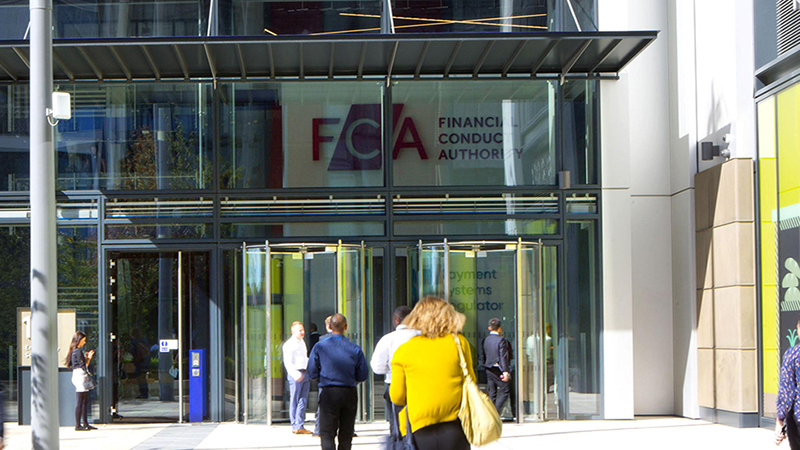
The UK Financial Conduct Authority's launch of a consolidated bond market tape (operated by ETS Connect UK, effective June 22, 2026) represents a watershed moment for financial market transparency and working capital optimization for cross-border e-commerce sellers. While the news focuses on institutional bond trading, the underlying mechanism—real-time price discovery and reduced information asymmetries—directly impacts the cost and availability of trade finance, supply chain financing, and inventory loans that sellers depend on.
The Financial Transparency Advantage for Sellers: The consolidated tape increased corporate bond trade reporting from under 5% to over 75% and government bond reporting from 30% to 80%, with smaller market segments seeing 50-fold increases in real-time reporting. This transparency surge reduces the cost of capital for financial institutions that fund seller operations. Banks and fintech lenders now access clearer pricing signals, enabling them to offer lower-cost inventory financing, invoice factoring, and purchase order financing to e-commerce sellers. Industry estimates suggest this transparency improvement could reduce borrowing costs by 15-25% for institutional buyers, with downstream benefits flowing to SME sellers through cheaper working capital products.
Operational Impact on Seller Financing: The 98% coverage of in-scope bond trading (excluding ETNs and ETCs) means that major financial institutions—including those offering seller financing—can now access unified pricing data across multiple venues. This eliminates the "information premium" that previously inflated financing costs. For sellers, this translates to: (1) Lower APR rates on inventory loans (potentially 2-4% reduction from current 12-18% rates for mid-market sellers), (2) Faster approval cycles as lenders gain confidence in pricing and risk assessment, and (3) Expanded financing access for smaller sellers previously deemed too risky due to opaque market conditions. The FCA's broader capital markets enhancement program (launched January 2025 with nearly 50 measures) signals sustained commitment to reducing friction in UK financial markets, benefiting sellers accessing UK-based financing.
Cross-Border Payment and FX Implications: The consolidated tape's focus on UK bond markets strengthens the pound's position as a transparent, institutional-grade currency for cross-border transactions. Sellers receiving GBP payments now benefit from clearer pricing signals that reduce FX hedging costs. The 95% market coverage (per ETS Connect UK data) means that payment processors and fintech platforms can offer more competitive GBP conversion rates, potentially saving sellers 0.5-1.5% on currency conversion fees. For sellers with UK suppliers or customers, this transparency improvement reduces the "currency risk premium" that previously inflated cross-border payment costs. MarketAxess's TraX Tape launch (addressing UK and EU transparency reforms) further signals that fintech platforms are building compliance-ready infrastructure, enabling faster settlement and lower fees for cross-border transactions.
Strategic Opportunity Window: The 5-year FCA-supervised contract (covering 98% of in-scope trading) creates a stable regulatory environment for fintech lenders to build seller-focused financing products. Sellers should expect new financing products targeting e-commerce inventory within 2-4 months, as lenders capitalize on improved pricing transparency. The discontinuation of Ediphy's legal challenge (May 2026) removes regulatory uncertainty, accelerating product launches. Sellers with UK operations or GBP-denominated costs should prioritize refinancing existing inventory loans before Q3 2026, as competitive pressure from new entrants will likely compress margins for existing lenders.
Questions 7
Should sellers refinance existing inventory loans before the consolidated tape matures?
Yes, sellers should prioritize refinancing before Q3 2026, as competitive pressure from new fintech entrants will compress margins for existing lenders. The discontinuation of Ediphy's legal challenge (May 2026) removes regulatory uncertainty, accelerating product launches. Early refinancing locks in current rates before competition drives down APR rates by 2-4%. Sellers with UK operations or GBP-denominated costs benefit most, as the consolidated tape strengthens the pound's position as a transparent institutional currency. The 5-year FCA-supervised contract signals sustained regulatory support, making this an optimal window for refinancing before market rates normalize.
What is the cash flow impact of reduced bond market information asymmetries for sellers?
Reduced information asymmetries enable lenders to offer faster approval cycles for inventory loans and supply chain financing, potentially reducing cash conversion cycle by 5-10 days. The consolidated tape's 75%+ corporate bond reporting means that institutional lenders can now assess seller creditworthiness more accurately, reducing the 'risk premium' that previously inflated financing costs. For sellers with £1M+ annual inventory, this could unlock £50K-£200K in freed working capital through lower borrowing costs and faster capital deployment. The FCA's broader capital markets enhancement program (nearly 50 measures) signals sustained commitment to reducing friction, supporting sustained improvements in seller financing access.