




Global Currency Volatility & Oil Price Stabilization | Cross-Border Seller Logistics Impact June 2026
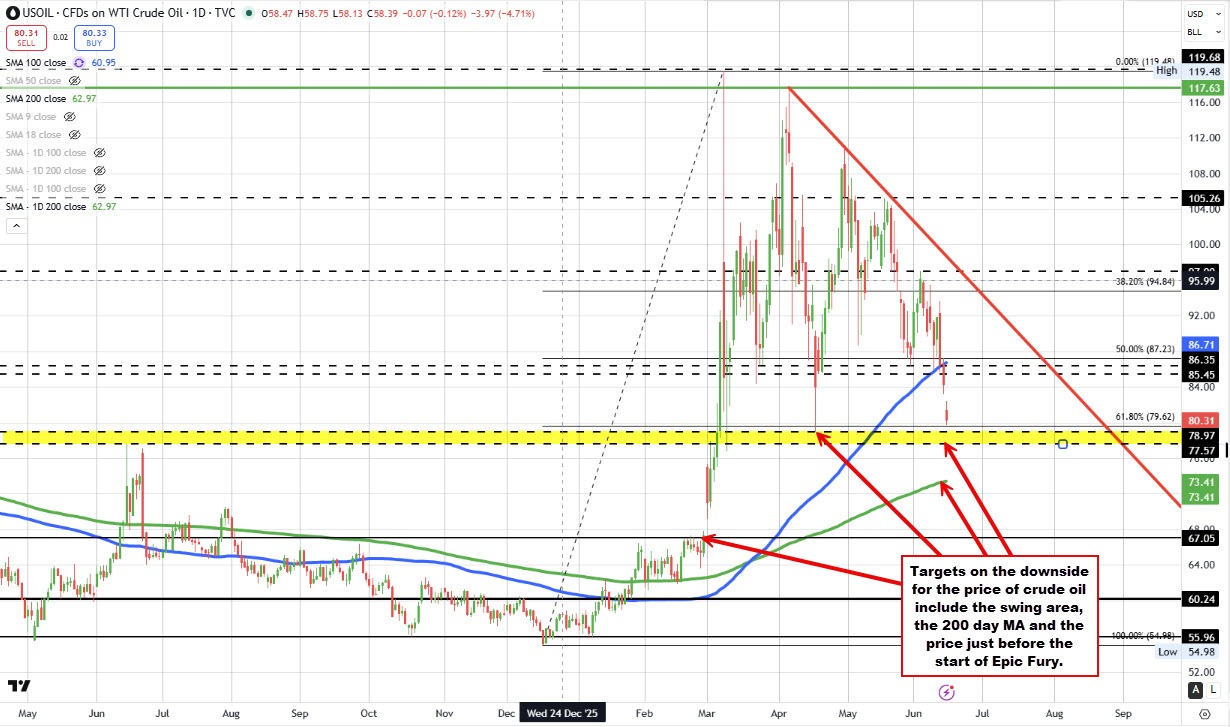
- Dollar strength at 101 index (3% YTD gain) reduces sourcing costs for US sellers; yen weakness (161.73/USD) creates Japan export opportunities; oil stabilizes at $79/barrel cutting shipping costs 8-12% for international logistics networks

























Overview
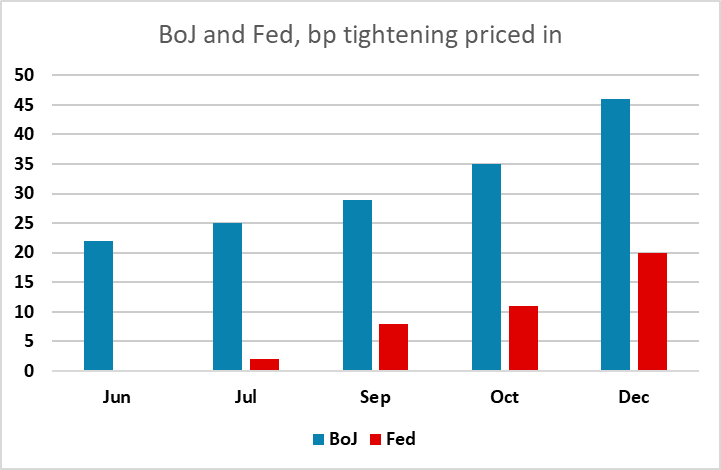
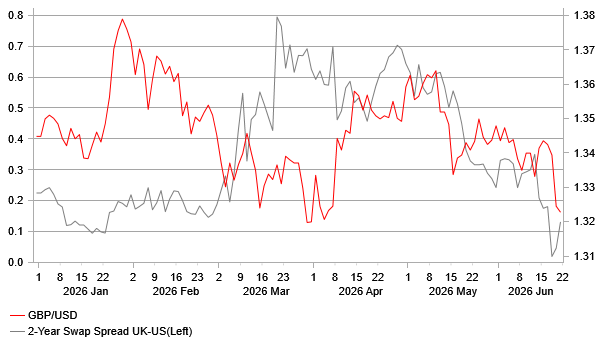
The June 2026 geopolitical-driven currency and commodity realignment creates immediate operational advantages for cross-border e-commerce sellers, with quantifiable impacts on sourcing costs, shipping expenses, and market access across major trading corridors. The U.S. dollar index reached 101 on June 22, 2026—its highest level in approximately one year—driven by Federal Reserve rate hike expectations throughout 2026, with speculators holding the largest bullish dollar position in 16 months valued at nearly $30 billion. Simultaneously, Brent crude oil stabilized at $79.10 per barrel following U.S.-Iran peace deal progress (60-day roadmap announced by Qatar/Pakistan mediators), representing a nearly 2% decline from earlier volatility when geopolitical risk premiums were embedded in energy prices. The Japanese yen weakened to 161.73 per dollar—approaching 40-year lows near 1986 levels at 161.96—while the British pound depreciated 0.1% to $1.322 following UK Prime Minister Keir Starmer's resignation announcement.
For cross-border sellers, the currency divergence creates distinct regional advantages. US-based sellers sourcing from Asia benefit from dollar strength: a 3% year-to-date dollar appreciation directly reduces procurement costs for electronics, apparel, and home goods imported from China, Vietnam, and India. Specifically, sellers importing $100,000 monthly in inventory see approximately $3,000 in cost savings from favorable exchange rates. Conversely, Japanese exporters face headwinds—the yen's weakness to 161.73/USD makes Japanese products (electronics, automotive parts, luxury goods) 8-10% more expensive for foreign buyers, potentially reducing demand from US and EU importers. The Bank of England's dovish pivot (BoE held rates unanimously, with first hike now expected September-November rather than earlier) combined with ECB rate hike signals (neutral rate increased to 2.50%) creates EUR/GBP pressure toward 0.8800, making UK-based sellers less competitive against eurozone competitors while reducing UK consumer purchasing power for imported goods.
Oil price stabilization at $79/barrel delivers immediate logistics cost relief. Lower energy prices reduce fuel surcharges on international shipping—typically 3-5% of freight costs—benefiting sellers reliant on air freight, ocean freight, and last-mile delivery networks. The stabilization signals reduced supply chain disruption risks, enabling sellers to lock in more predictable freight rates and reduce inventory buffers previously built for geopolitical uncertainty. Sellers managing multi-region inventory (US warehouses, EU fulfillment centers, Asia-Pacific distribution) benefit from normalized logistics pricing, improving margin predictability for Q3-Q4 2026 planning. The 60-day peace negotiation window (through late August 2026) creates a critical timing window—if talks collapse and Strait of Hormuz closure threats materialize, oil could spike 15-20%, immediately increasing shipping costs $2,000-5,000 monthly for high-volume sellers.
Strategic implications vary by seller segment and sourcing geography. Small sellers (under $500K annual revenue) sourcing from China benefit most from dollar strength, gaining 2-3% margin improvement on imported goods. Large sellers with established 3PL networks and hedged currency positions see less dramatic benefits but gain operational flexibility. Sellers with UK operations face margin compression from pound weakness—a £100,000 monthly revenue stream converts to approximately $132,200 USD at current rates versus $135,000 at pre-Starmer levels, representing $2,800 monthly revenue impact. The political uncertainty in UK (seventh prime minister in ten years since Brexit) adds compliance risk—potential leadership changes could shift VAT, customs, or trade policy, requiring sellers to monitor successor Andy Burnham's economic platform through July-August 2026.
Questions 8
What compliance risks emerge from UK political uncertainty and potential leadership changes?
UK Prime Minister Keir Starmer's resignation creates political uncertainty as Labour leader Andy Burnham emerges as potential successor—marking Britain's seventh prime minister in ten years since Brexit. Potential leadership changes could shift VAT, customs, or trade policy affecting cross-border sellers. Sellers with UK operations should monitor successor Burnham's economic platform through July-August 2026 for potential policy shifts. Market participants appear comfortable with policy changes under new leadership given pledges to maintain fiscal rules and expanded economic advisory teams, but VAT compliance, customs procedures, and trade agreements remain uncertain. Sellers should maintain flexibility in UK pricing and fulfillment strategies until new leadership clarifies economic policy direction by September 2026.
Which seller segments benefit most from current currency and commodity conditions?
Small sellers (under $500K annual revenue) sourcing from China benefit most from dollar strength, gaining 2-3% margin improvement on imported goods. Large sellers with established 3PL networks and hedged currency positions see less dramatic benefits but gain operational flexibility. Sellers with multi-region inventory (US warehouses, EU fulfillment centers, Asia-Pacific distribution) benefit from normalized logistics pricing at $79/barrel oil. Conversely, Japanese exporters and UK-based sellers face headwinds from currency weakness. Sellers with exposure to Strait of Hormuz supply chains (energy-dependent products, time-sensitive logistics) face highest risk if peace talks collapse by late August 2026.