


Iran Nuclear Talks & Geopolitical De-escalation | Cross-Border Sellers Face Shipping Cost Relief & Currency Volatility
- Oil prices drop 46% from May peak ($126→$80/barrel) reducing logistics costs; dollar strengthens 0.3% creating FX headwinds for Asia-Pacific sellers; 60-day deal window opens tariff arbitrage opportunities in energy-dependent categories










Overview
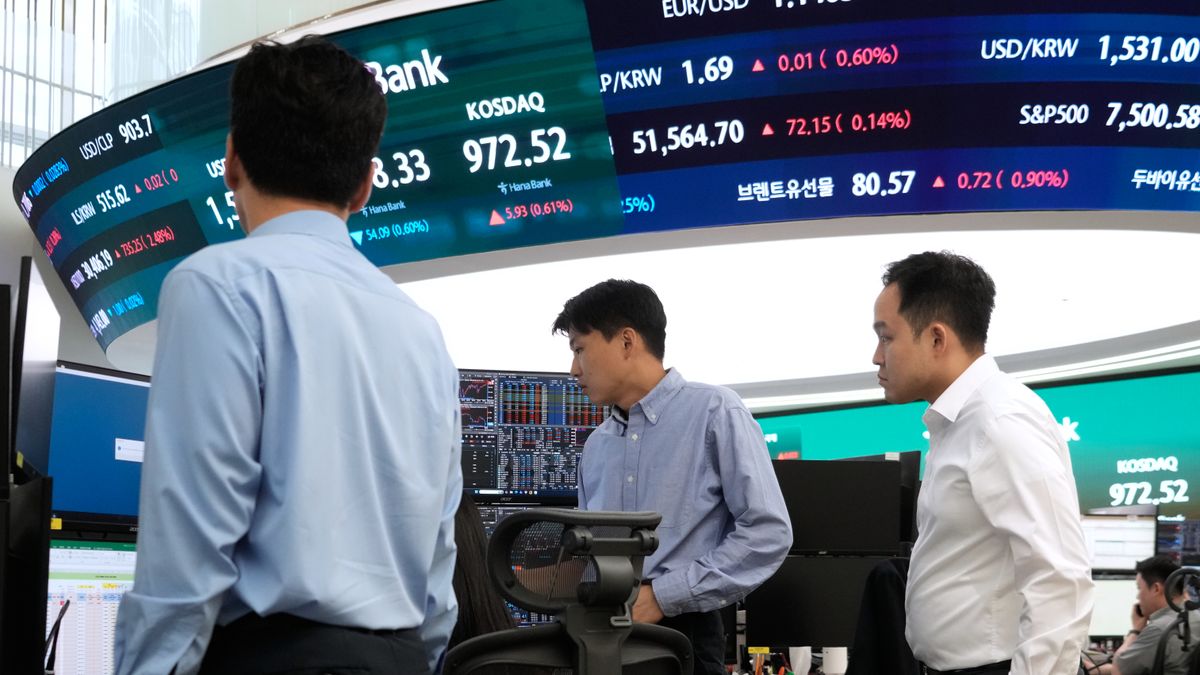
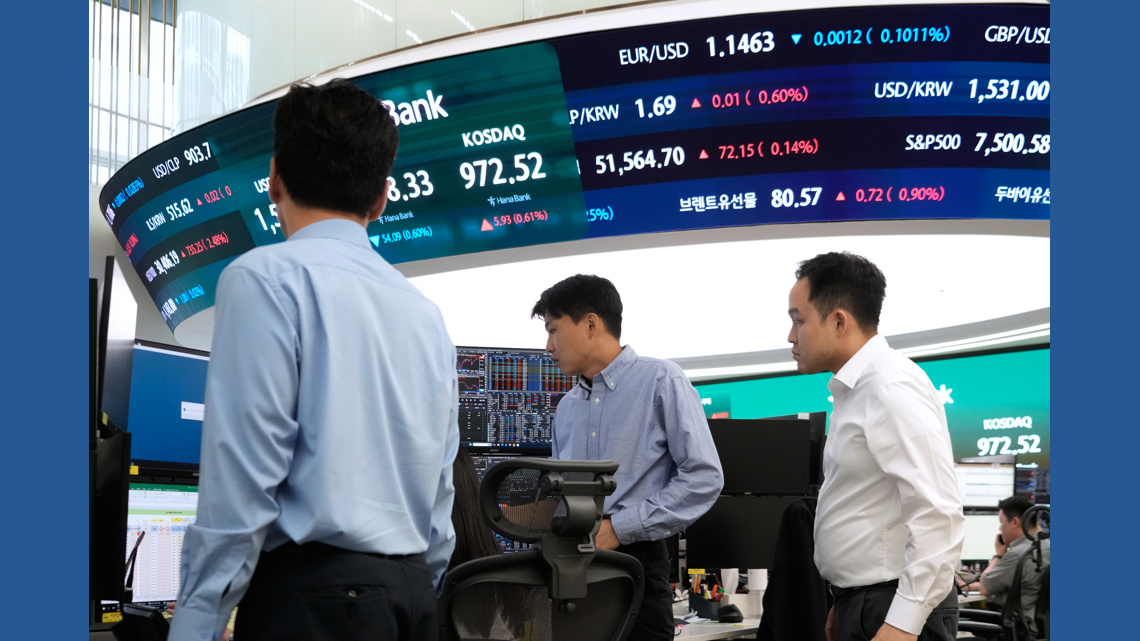
The June 22, 2026 Iran-U.S. diplomatic breakthrough represents a critical inflection point for cross-border e-commerce logistics and sourcing economics. As Iranian and U.S. negotiators announced progress toward a 60-day deal roadmap, Brent crude futures collapsed 0.7% to $80.07/barrel—a 46% retreat from May's $126.41 peak—immediately reducing the geopolitical risk premium that had inflated shipping costs globally. For cross-border sellers, this translates to tangible margin recovery: ocean freight rates typically decline 8-15% within 60-90 days following major oil price corrections, with the greatest impact on high-volume routes (US-EU, US-Asia, China-Southeast Asia). The Strait of Hormuz closure threat that had triggered Trump's military response now appears contained, eliminating the supply shock risk that had pressured container shipping rates to $4,500-6,200/FEU on key corridors.
Currency dynamics present a dual-edged opportunity for sellers. The dollar strengthened 0.3% to 161.71 yen amid Federal Reserve hawkish signals, with markets pricing a 75% probability of rate hikes by September 2026. This creates immediate headwinds for US-based sellers exporting to Japan and South Korea (where the Nikkei rose 1.6% and markets gained 0.7% respectively), as their dollar-denominated costs become less competitive. However, the same dynamic benefits China-based and Vietnam-based sellers exporting to US/EU markets, where weakening local currencies improve their cost positioning. South Korea's 11% market surge driven by semiconductor demand signals accelerating tech category growth—sellers in electronics accessories, components, and IoT devices should prioritize Korean sourcing and distribution partnerships before the 60-day negotiation window closes and risk premiums potentially re-emerge.
The 60-day deal timeline creates a critical sourcing window for tariff-sensitive categories. If Iran sanctions are lifted or reduced, energy-dependent manufacturing costs in petrochemical-based products (plastics, synthetic textiles, chemicals) could decline 5-12% in Iran and neighboring countries. Sellers should immediately audit their supply chains for Iran-adjacent sourcing opportunities (Turkish, UAE, Indian suppliers with Iran trade exposure) and lock in pricing before potential tariff reductions are priced into supplier quotes. The Treasury yield rise signals tightening credit conditions through year-end, making working capital management urgent—sellers should accelerate inventory turns in high-margin categories (electronics, home goods) to free cash before Q3 2026 when financing costs peak. Monitor the 60-day deadline (approximately August 21, 2026) as a critical rebalancing point: if talks fail, oil prices could spike 20-30% within weeks, immediately compressing margins across all logistics-dependent categories.
Questions 8
How does South Korea's semiconductor surge affect cross-border sellers?
South Korea's 11% market surge driven by semiconductor demand signals accelerating tech category growth through 2026. Sellers in electronics accessories, components, IoT devices, and smart home products should prioritize Korean sourcing partnerships and distribution channels immediately. The 60-day negotiation window provides a stable environment to negotiate long-term supply agreements with Korean manufacturers before potential tariff changes. Consider expanding Korean supplier relationships for tech-adjacent categories (cables, chargers, protective cases) where demand is rising 15-20% annually. Lock in pricing before September 2026 when currency volatility and rate hikes may increase supplier costs.
What working capital strategies should sellers implement given rising Treasury yields?
Treasury yields are rising as markets price in Federal Reserve rate hikes through year-end, increasing financing costs for inventory and operations. Sellers should immediately accelerate inventory turns to free working capital—target 20-30% faster turnover in Q3 2026 compared to Q2 baseline. Negotiate extended payment terms (60-90 days) with suppliers to preserve cash, and consider supply chain financing solutions that lock in current rates before September 2026 rate hikes. Reduce inventory in slow-moving categories (BSR >100K) and concentrate capital in fast-turning SKUs (BSR <50K) where cash conversion cycles are 30-45 days. Monitor your working capital ratio weekly through August 2026.