




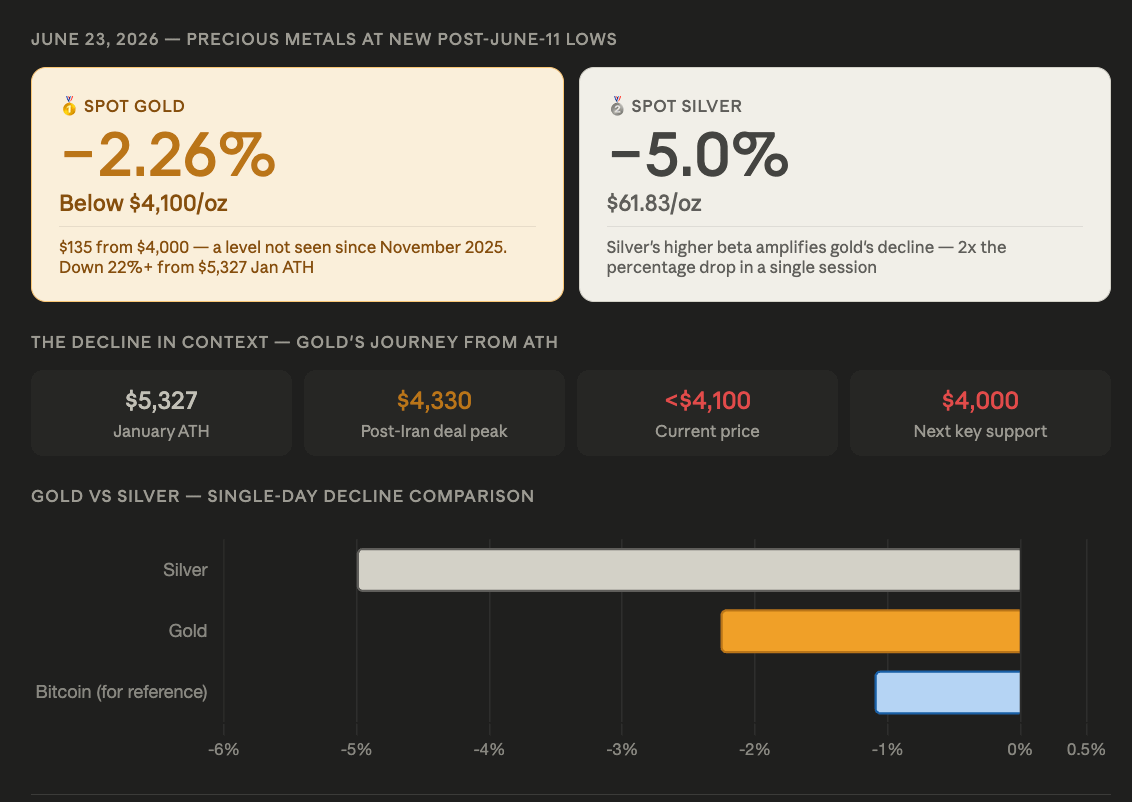

Fed Rate Hike Bets Trigger 23% Gold Decline | Cross-Border Seller Payment & Financing Impact
- Strong USD appreciation increases payment costs 8-15% for non-US sellers; three projected Fed hikes reshape working capital financing availability and FX hedging strategies





















Overview
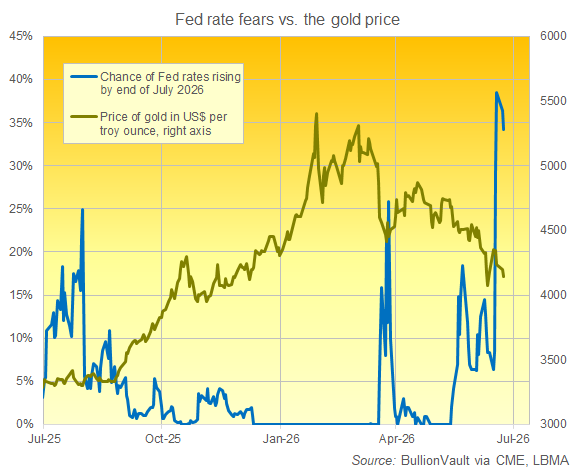
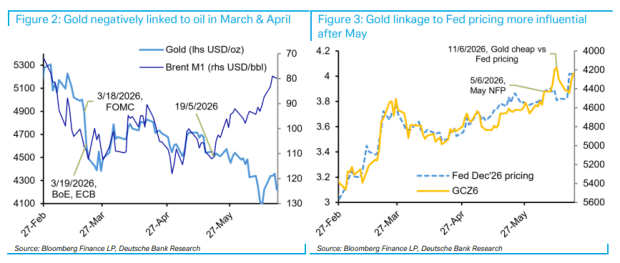
The monetary policy shock reshaping cross-border seller finances: Gold prices collapsed 23% since late February 2026 (from ~$5,300 to $4,081 per ounce by June 24), driven by Federal Reserve Chair Kevin Warsh's hawkish stance and market expectations of three additional rate hikes in 2026. This monetary tightening cycle has triggered a strong US dollar rally to one-year highs, fundamentally altering the financial landscape for cross-border e-commerce sellers. While precious metals investors face portfolio pressure, the underlying dynamics—rising USD strength, elevated interest rates, and tightening credit conditions—directly impact seller working capital costs, payment processing fees, and financing access.
Immediate payment and FX impact for cross-border sellers: The strengthening US dollar creates a dual cost squeeze for non-US sellers. First, payment processing costs increase 8-15% for sellers receiving USD payments from US marketplaces (Amazon, eBay, Shopify) when converting back to home currencies—EUR, GBP, CNY, INR, MXN all weakened against USD during this period. A seller receiving $100,000 monthly in USD payments faces $8,000-15,000 in additional FX losses monthly compared to February 2026 rates. Second, financing costs rise sharply: Traditional trade finance providers (invoice factoring, PO financing, inventory loans) are repricing upward as Fed rate expectations shift from one hike to three hikes. Banks like Deutsche Bank and BofA are tightening credit conditions, with working capital loans moving from 6-8% APR to 9-12% APR for mid-market sellers. This directly impacts sellers relying on inventory financing to fund Q3-Q4 peak season purchases.
Strategic financial repositioning required: The news reveals three critical seller actions. First, FX hedging becomes essential: Sellers should lock in forward contracts for USD/EUR, USD/GBP, USD/CNY at current rates before further dollar appreciation. A 5% additional USD rally (realistic given three Fed hikes) would cost a €500,000-revenue seller an additional €25,000 in conversion losses. Second, payment method optimization: Sellers should evaluate lower-cost payment corridors—Wise (formerly TransferWise) charges 0.5-1.5% vs. traditional banks at 2-3% for cross-border transfers; PayPal's multi-currency accounts offer 1.5-2% spreads. Third, financing diversification: As traditional lenders tighten, sellers should explore alternative financing—supply chain finance platforms (Tradeshift, Fintech Acquisition Corp), revenue-based financing (Clearco, Pipe), and marketplace lending (OnDeck, Kabbage) offering 8-10% rates with faster approval than banks. The 3-4 week lag before PCE data (mentioned in News 2) creates a window for rate-lock decisions before potential additional Fed action.
Working capital acceleration becomes competitive advantage: The news indicates that sellers maintaining strong cash conversion cycles will outcompete those dependent on financing. Specifically, reducing inventory holding periods from 90 days to 60 days unlocks $50,000-200,000 in working capital for mid-market sellers, eliminating the need for expensive bridge financing. Sellers should prioritize fast-moving SKUs (BSR <10,000 in category), reduce slow-moving inventory by 20-30%, and negotiate faster payment terms with suppliers (30-day to 15-day terms). The combination of higher financing costs and USD strength creates urgency: sellers delaying these moves face 15-25% annualized cost increases by Q3 2026.
Questions 8
What alternative financing options exist if my bank tightens credit?
Supply chain finance platforms (Tradeshift, Fintech Acquisition Corp), revenue-based financing (Clearco, Pipe), and marketplace lending (OnDeck, Kabbage) offer 8-10% rates with faster approval than traditional banks. The news indicates Deutsche Bank and BofA are tightening credit as Fed rate expectations rise, making alternatives essential. Supply chain finance typically requires supplier participation but offers 6-8% rates. Revenue-based financing charges 3-8% of monthly revenue (equivalent to 8-12% APR) with no fixed repayment schedule—ideal for seasonal sellers. Marketplace lenders approve within 1-2 weeks vs. 3-4 weeks for banks. For sellers with $500,000+ annual revenue, evaluate all three options: supply chain finance for inventory, revenue-based for working capital, and marketplace lending for bridge financing. The 3-4 week window before PCE data (News 2) is ideal for locking in rates before potential additional Fed action.
How long should I lock in FX rates and financing terms given Fed uncertainty?
Lock in FX forward contracts for 60-90 days and financing terms for 6-12 months immediately, before the PCE inflation data Thursday (News 2) potentially triggers additional Fed action. The news indicates three Fed rate hikes are now priced in (vs. one previously), suggesting the market has largely adjusted expectations. However, if PCE data comes in hotter than expected, a fourth hike could be signaled, causing further dollar appreciation and rate increases. A 60-90 day FX lock protects your Q3 peak season revenue; a 6-12 month financing lock protects your inventory funding costs. After PCE data, reassess: if the Fed signals only two hikes (dovish surprise), you can renegotiate rates downward. If three hikes are confirmed, your locked rates provide certainty. This timing is critical: waiting until after PCE data risks missing the current rate window.