



Alibaba Pentagon Blacklist Lawsuit Escalates US-China Trade War | Cross-Border Seller Impact
- Section 1260H designation affects 188+ Chinese tech firms; June 30, 2025 restrictions begin; sellers face supply chain disruption and partnership barriers


)










Overview
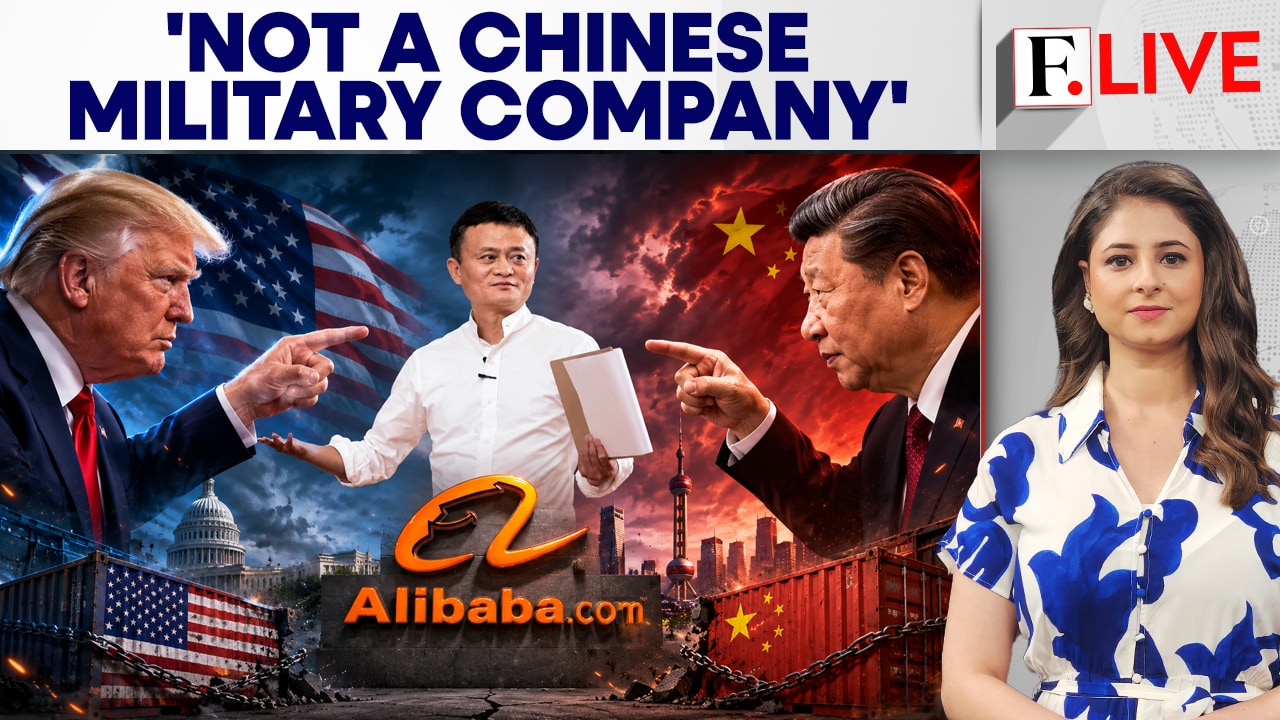
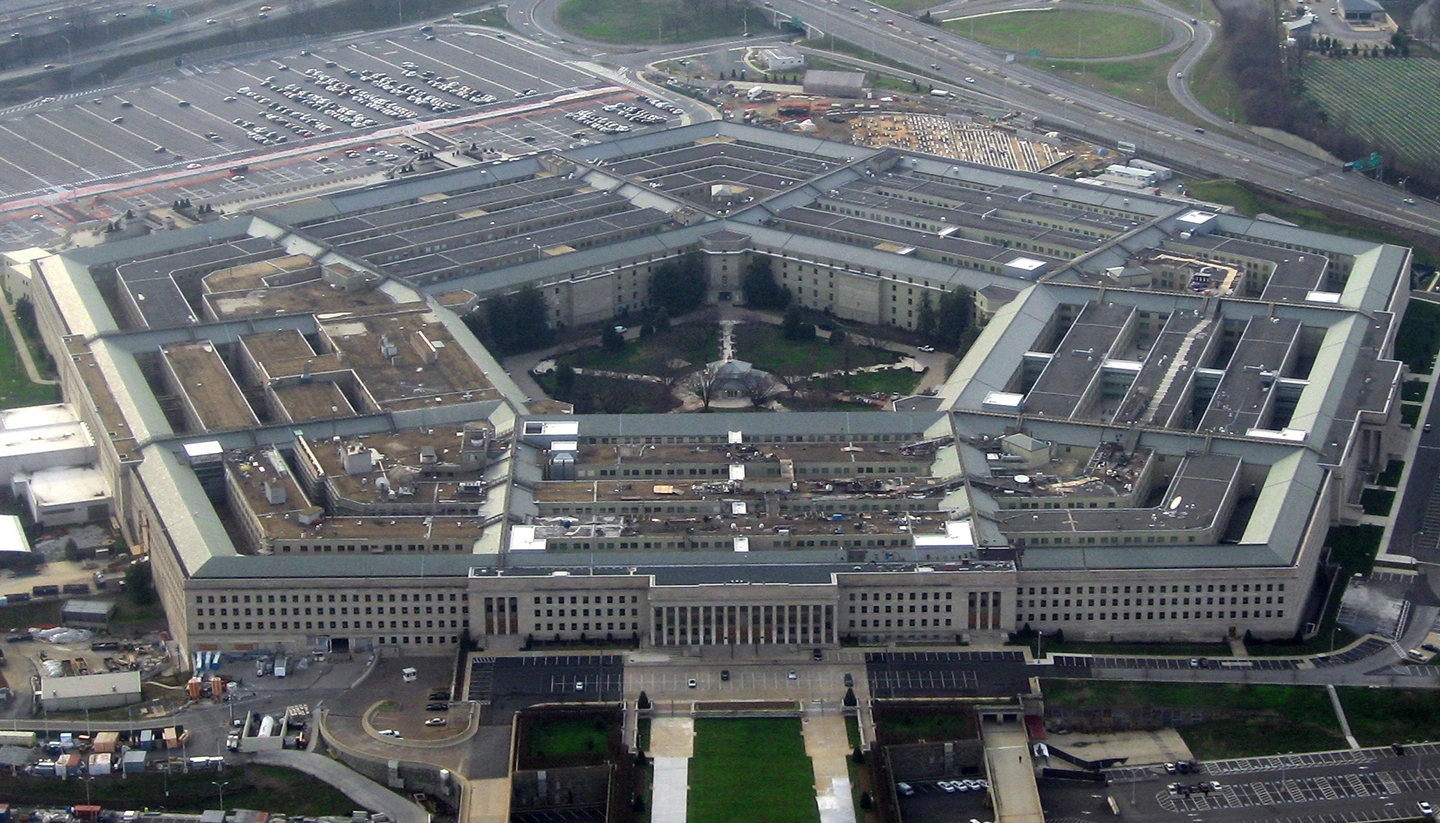
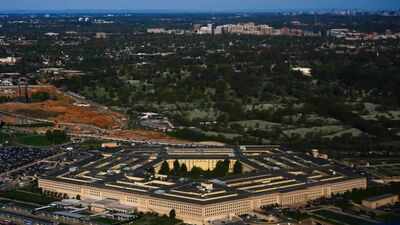
Alibaba's federal lawsuit against the US Department of Defense represents a critical inflection point in US-China trade relations with direct implications for cross-border e-commerce sellers. On June 8-9, 2025, the Pentagon designated Alibaba, BYD, Baidu, Nio, TP-Link, and 183 other Chinese companies under Section 1260H of the National Defense Authorization Act, classifying them as "military-civil fusion contributors" to China's defense industrial base. The blacklist has expanded from 134 firms in 2025 to 188 firms currently, reflecting intensified US pressure on Chinese technology sectors. Operational penalties begin June 30, 2025, legally prohibiting the Pentagon and its contractors from conducting business with listed entities. Starting in 2027, restrictions expand to prohibit contracting through third-party intermediaries, creating a two-year window for supply chain repositioning.
For cross-border sellers, this designation creates immediate and cascading supply chain risks. Alibaba's blacklist status directly impacts sellers relying on Alibaba's logistics infrastructure (Cainiao), cloud services (Alibaba Cloud), and payment systems for international operations. The restriction extends to US contractors sharing lobbyists or law firms with blacklisted entities, effectively severing Alibaba's Washington representation and creating legal uncertainty around compliance interpretations. Sellers using Alibaba's fulfillment services face potential operational disruptions if the company loses access to US capital markets or government contract opportunities. The lawsuit, filed in San Jose federal court, challenges the Pentagon's decision as lacking "substantial evidence or explanation" and violating constitutional due process rights. Alibaba argues the designation is arbitrary, noting the company met Pentagon officials in January 2025, submitted written responses in March 2025, yet was still designated in June without notice or fair hearing opportunity.
China's retaliatory measures compound the competitive landscape shift. In response to the blacklist, China added 10 US companies to export control lists and restricted 46 US firms from government procurement, including Lockheed Martin, Raytheon Missiles & Defense, and General Dynamics. This tit-for-tat escalation signals sustained geopolitical tension through 2026-2027, creating regulatory uncertainty for sellers operating across both markets. The broader implication: sellers must immediately evaluate alternative logistics providers, payment processors, and cloud infrastructure outside the Alibaba ecosystem. Vietnam, India, and Southeast Asian suppliers are becoming increasingly attractive as sourcing alternatives to reduce China-dependent supply chains. Categories most affected include electronics (HS codes 8471-8517), telecommunications equipment (HS 8517), and AI-related components (HS 8471), where Chinese suppliers historically provided 35-45% of cross-border inventory. The lawsuit outcome, expected in 2026-2027, will determine whether the Pentagon's designation methodology withstands judicial scrutiny and sets precedent for future designations affecting other major Chinese tech platforms.
Questions 7
Which alternative sourcing countries offer the best tariff advantages for electronics sellers?
Vietnam and India offer the most attractive tariff profiles for electronics sellers seeking to reduce China dependency. Vietnam benefits from CPTPP tariff reductions (0-5% on electronics vs. 12-25% from China under current US tariffs) and has established electronics manufacturing clusters in Ho Chi Minh City and Hanoi. India offers similar advantages under the US-India trade framework, with lower tariffs on HS 8471 (computing devices) and HS 8517 (telecommunications). Taiwan remains a premium alternative for high-value components with established supply chains. Estimated tariff savings: 8-15% on electronics categories when sourcing from Vietnam/India vs. China, offsetting 2-3% higher manufacturing costs.
How should sellers structure compliance to avoid Pentagon contractor restrictions?
Sellers must ensure their supply chains do not flow through Pentagon contractors or entities sharing lobbyists/law firms with blacklisted companies. Compliance checklist: (1) Audit all 3PL and logistics partners for Pentagon contractor status; (2) Verify suppliers have no shared representation with Alibaba or other blacklisted entities; (3) Document supply chain transparency for potential government audits; (4) Establish alternative payment processors outside Alibaba's ecosystem (Stripe, PayPal, traditional banking). The restriction extends to indirect relationships, so sellers should request compliance certifications from logistics partners. Non-compliance risks: loss of government contract opportunities and potential supply chain disruptions if partners sever relationships to protect their own defense contracts.