



Amazon Prime Day 2026 Electronics Blitz | Pixel 10 $400 Off, Competitive Pricing Signals for Sellers
- Early deal releases and aggressive discounting across premium tech categories signal Amazon's competitive positioning strategy; sellers must monitor baseline pricing and adjust inventory strategies for Q2-Q3 peak season























Overview
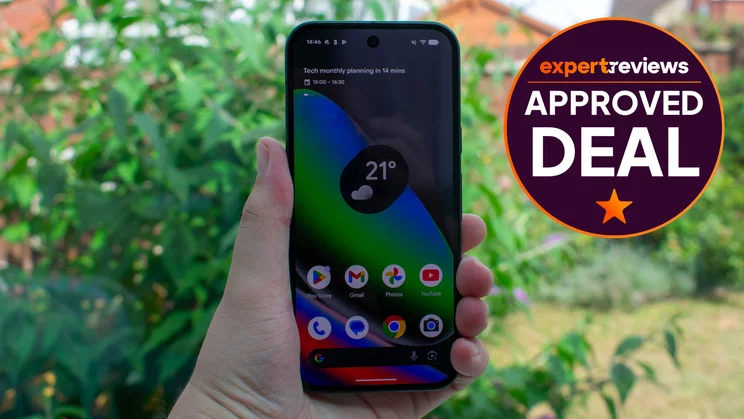
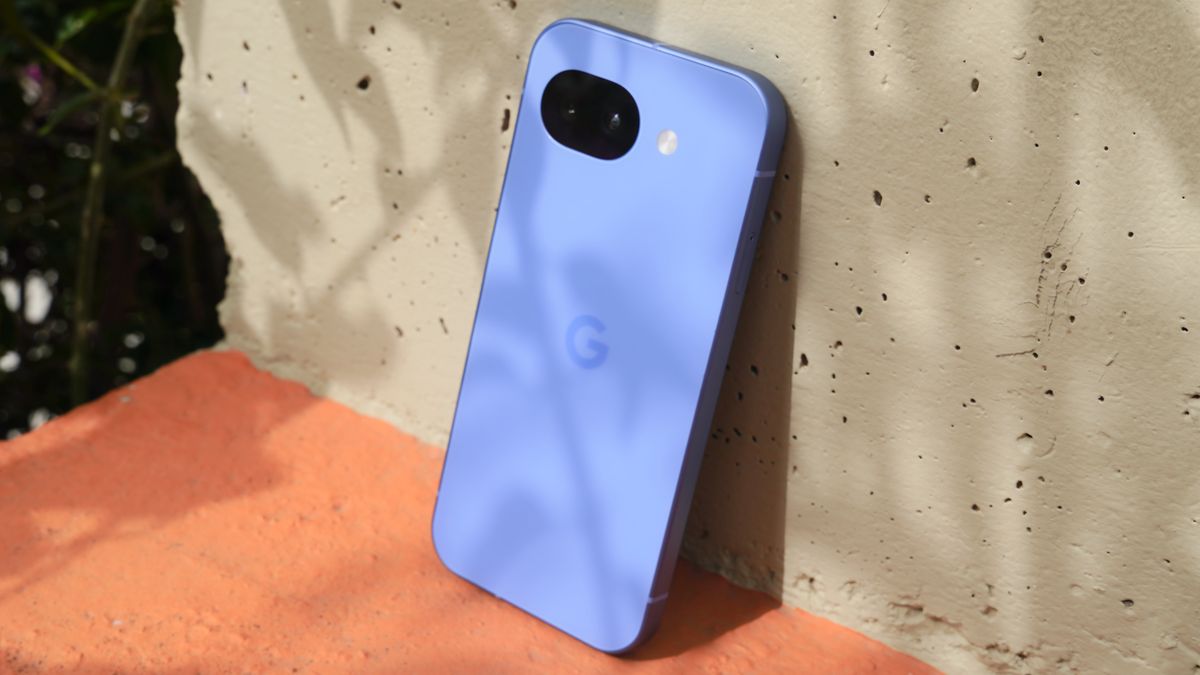
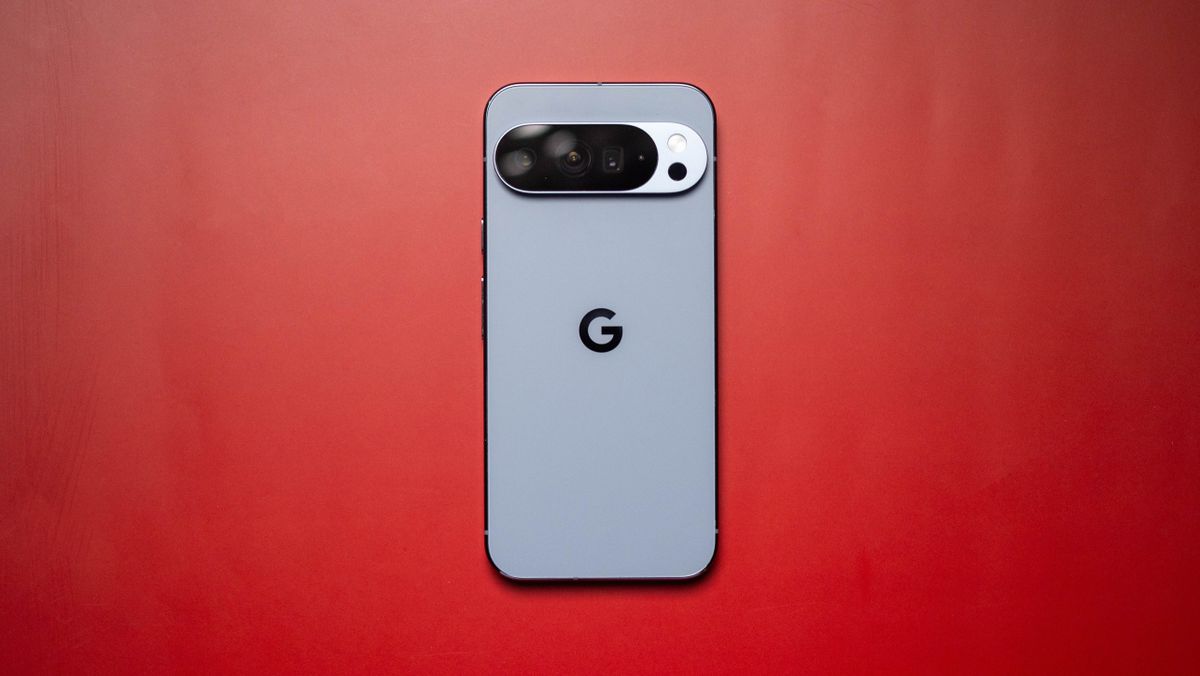
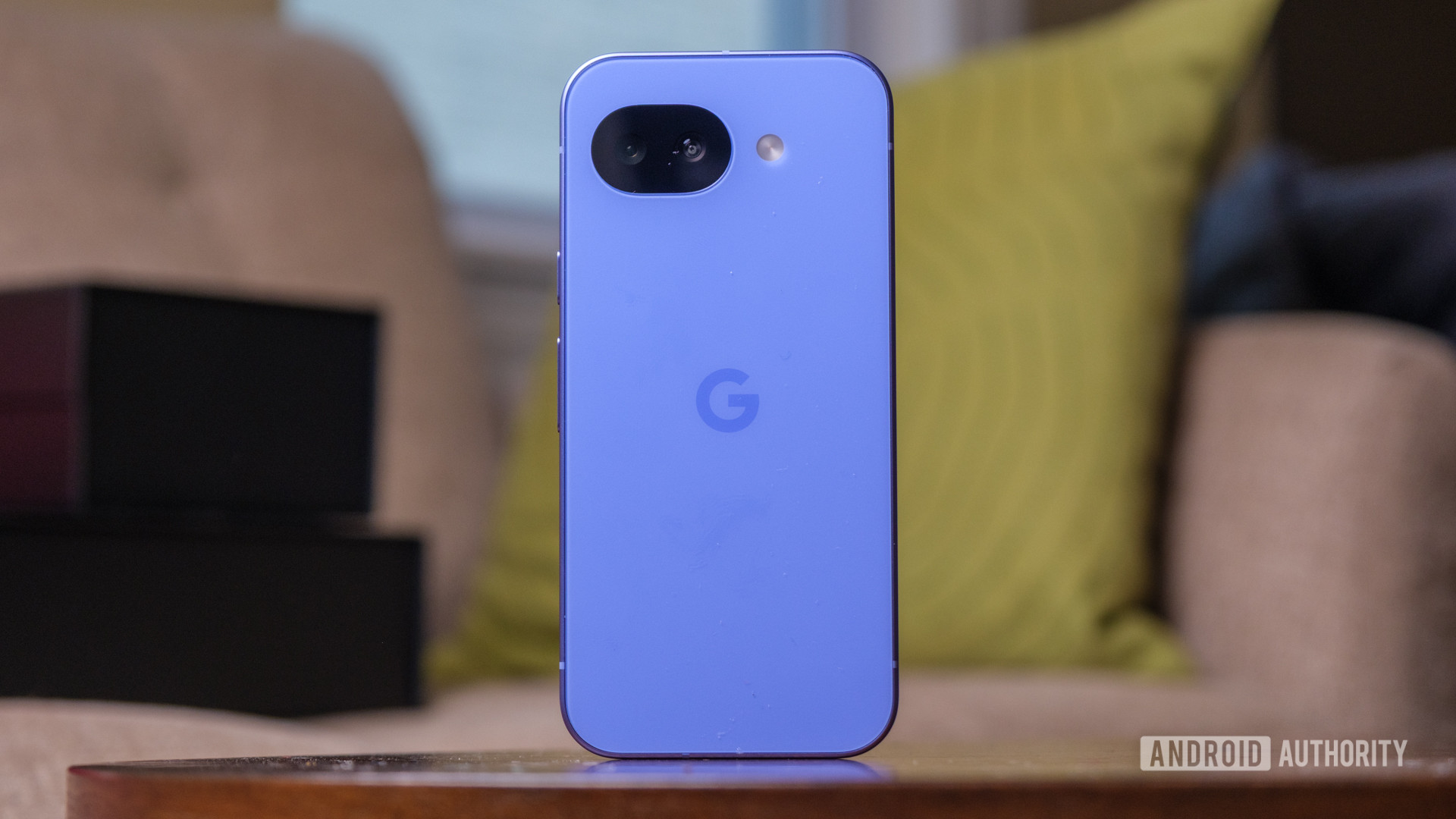
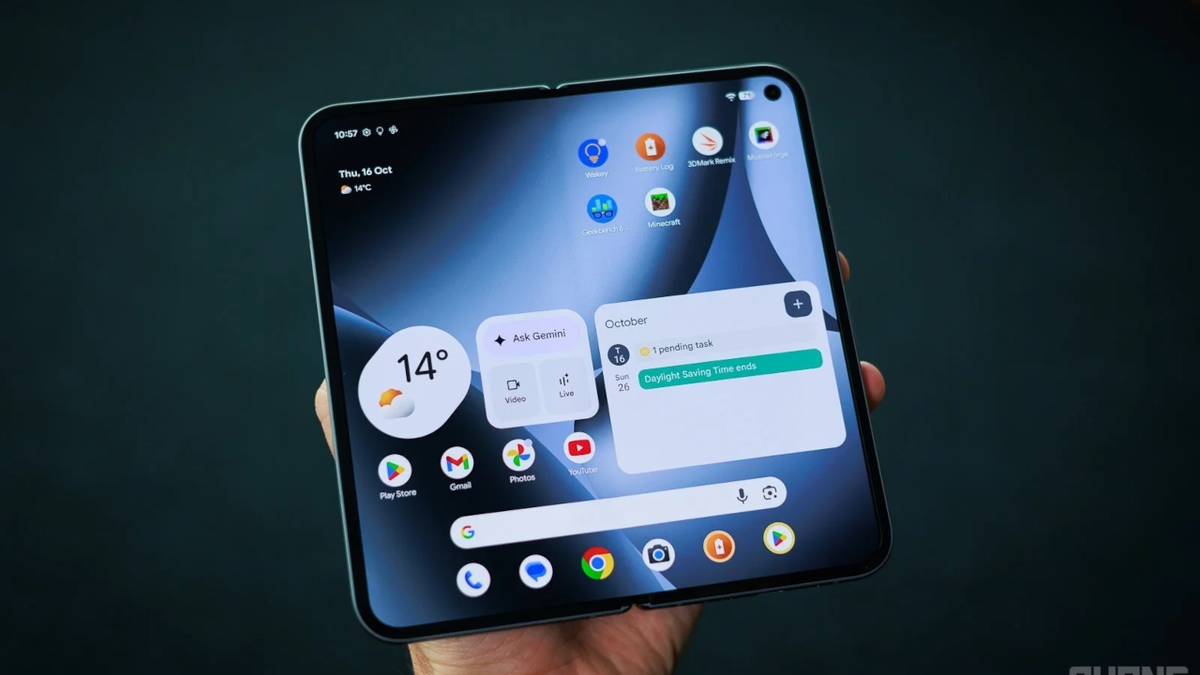
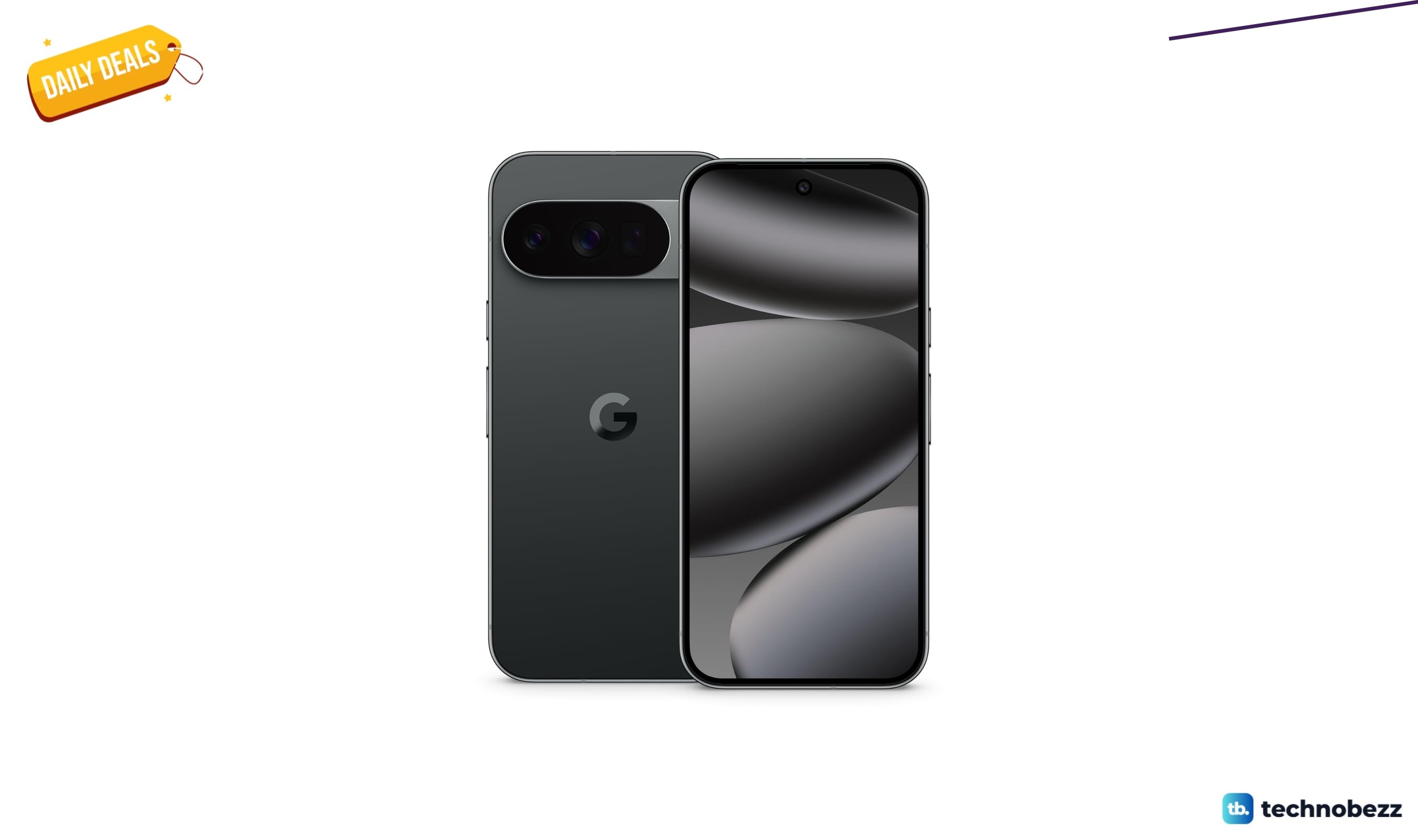
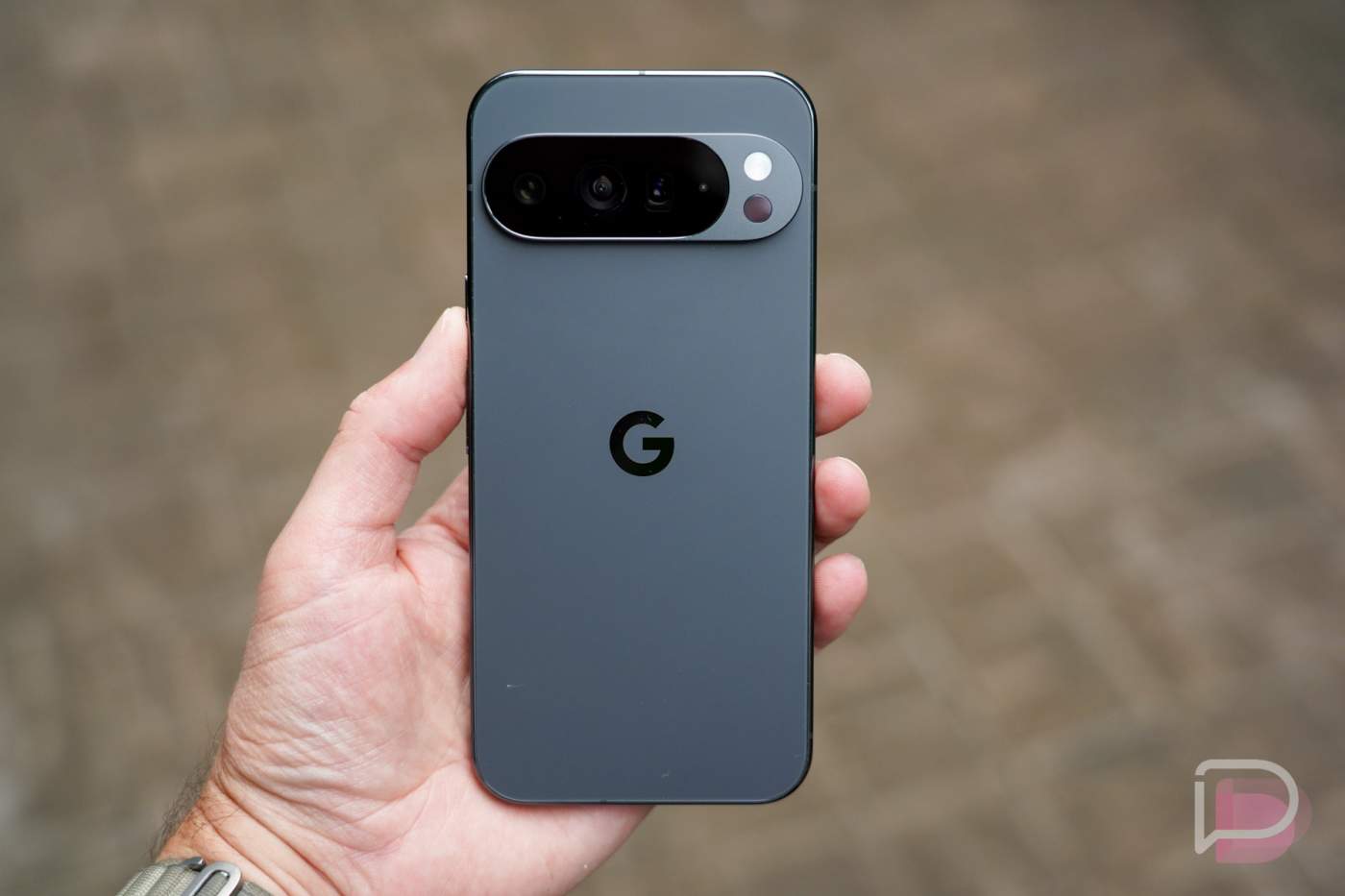
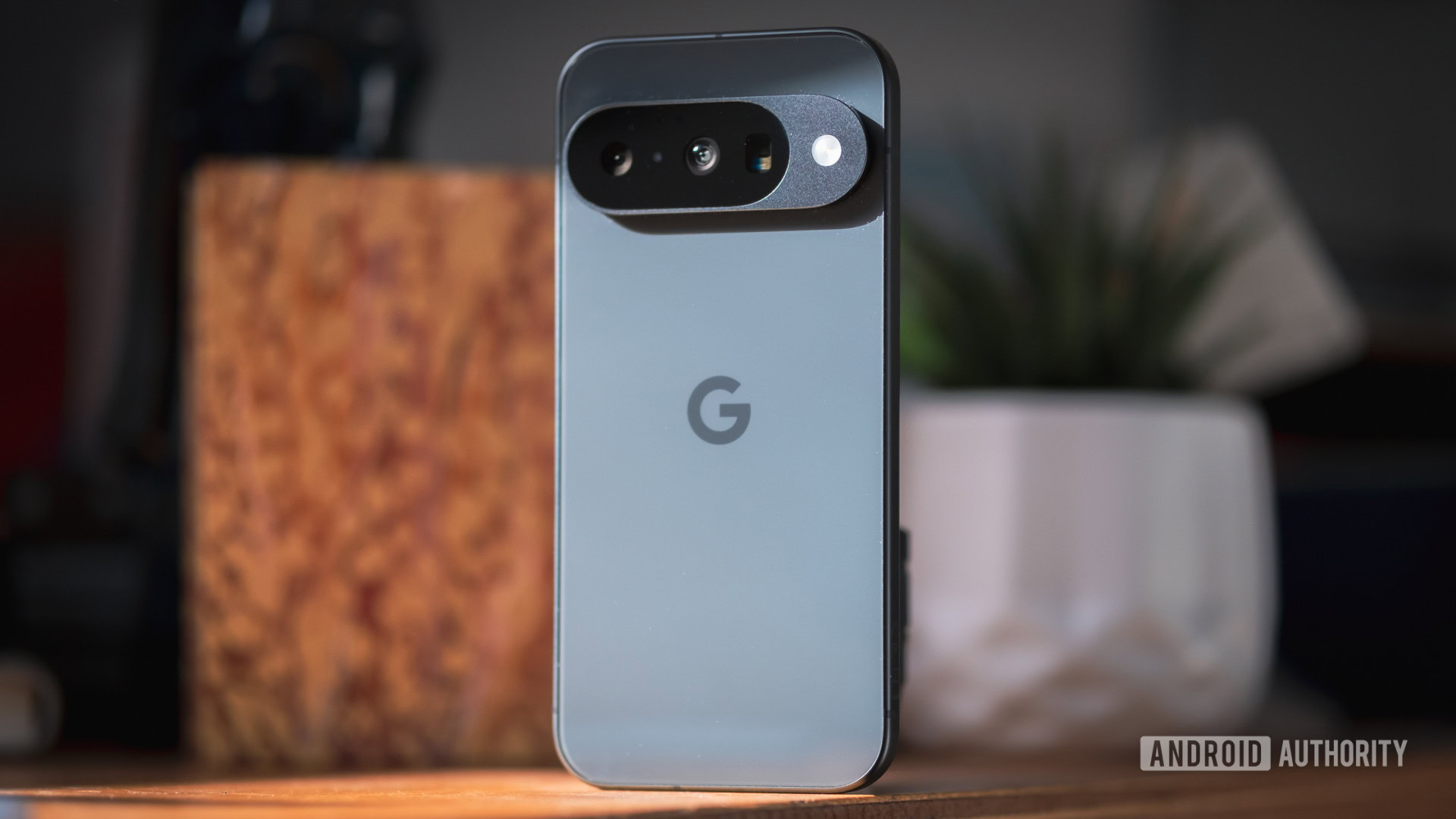
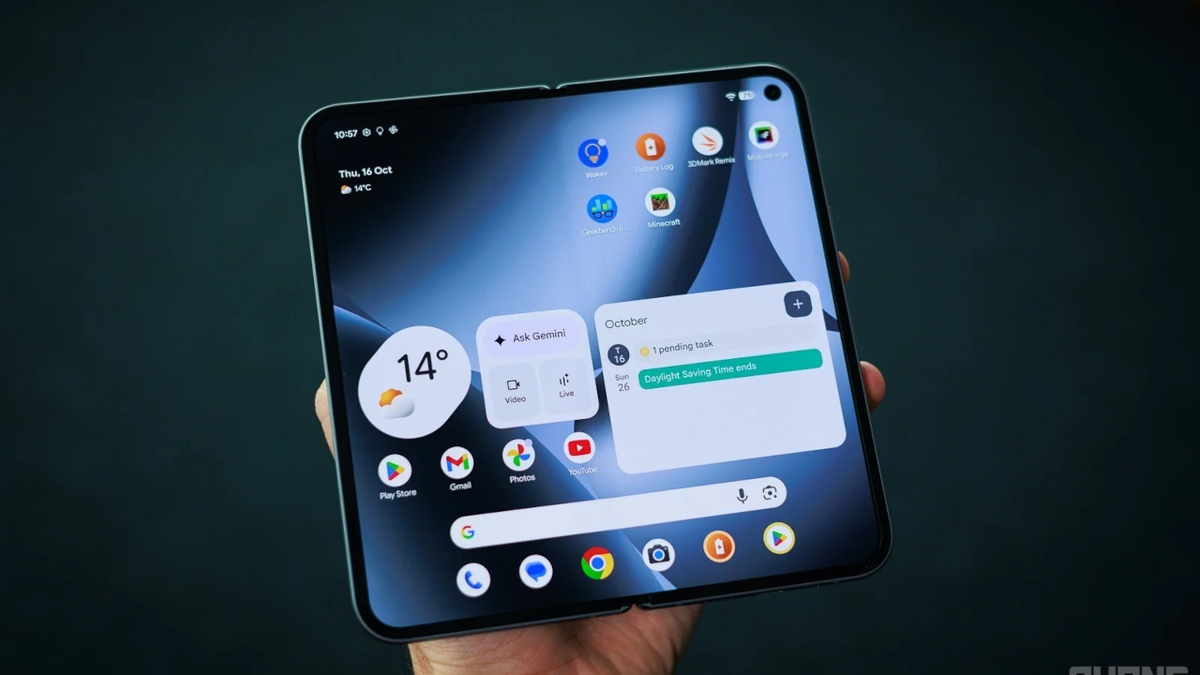
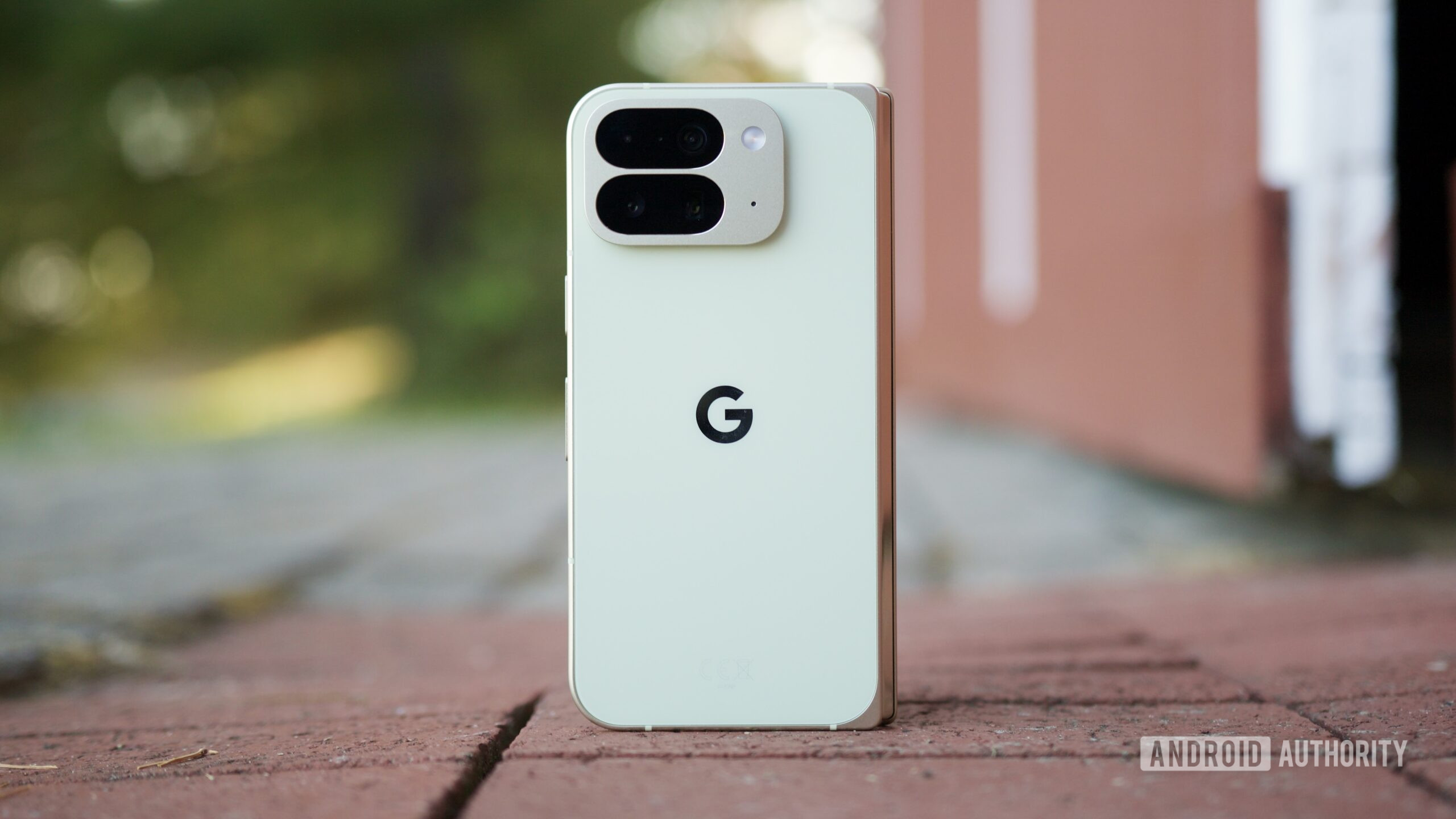
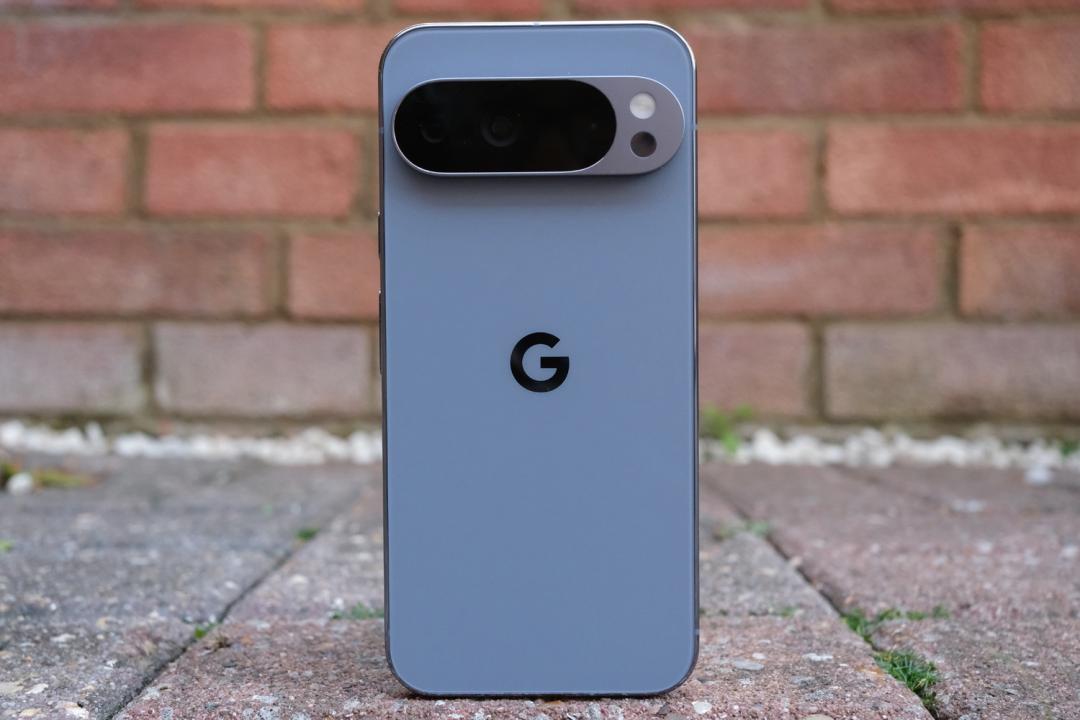
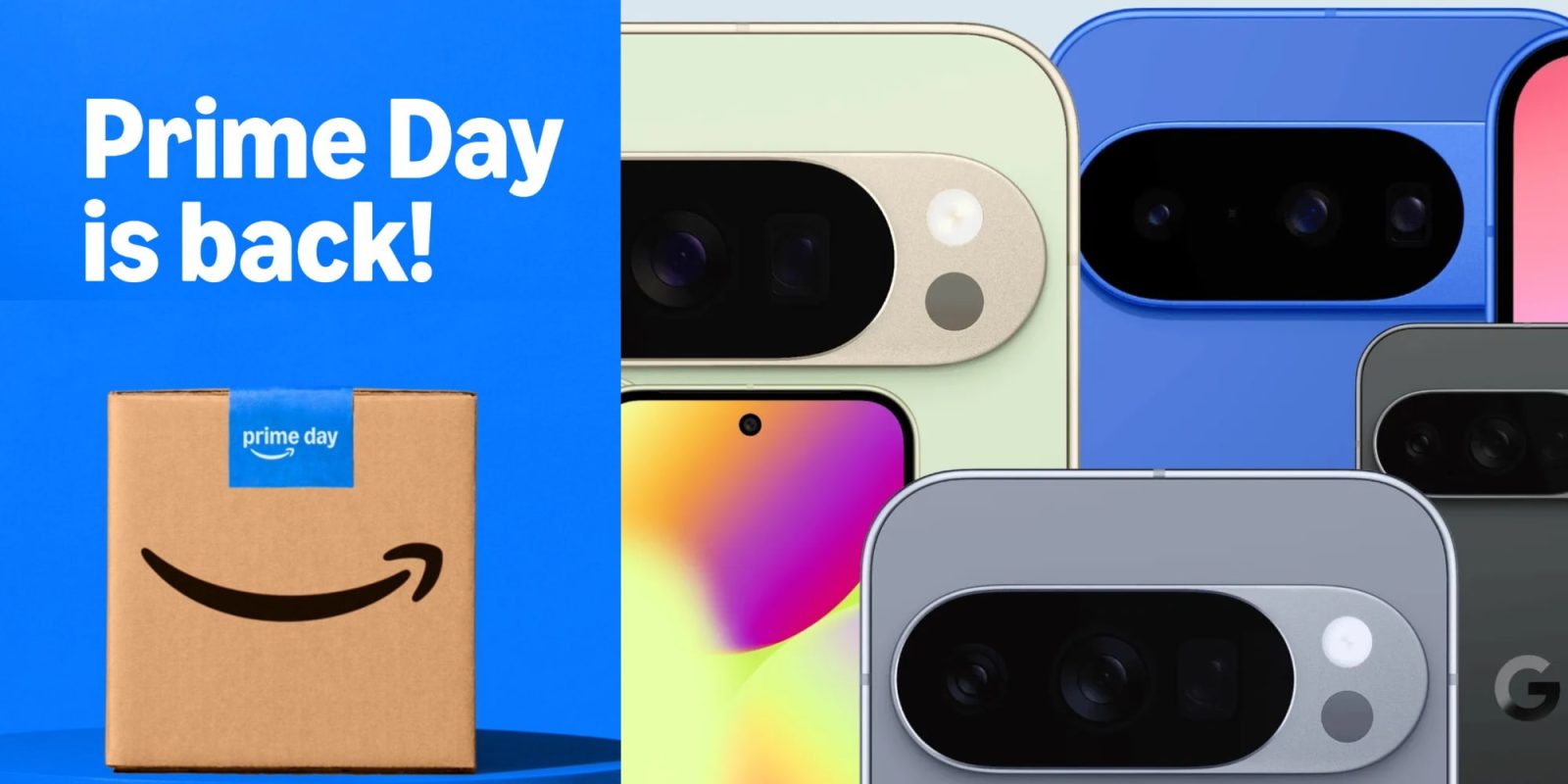
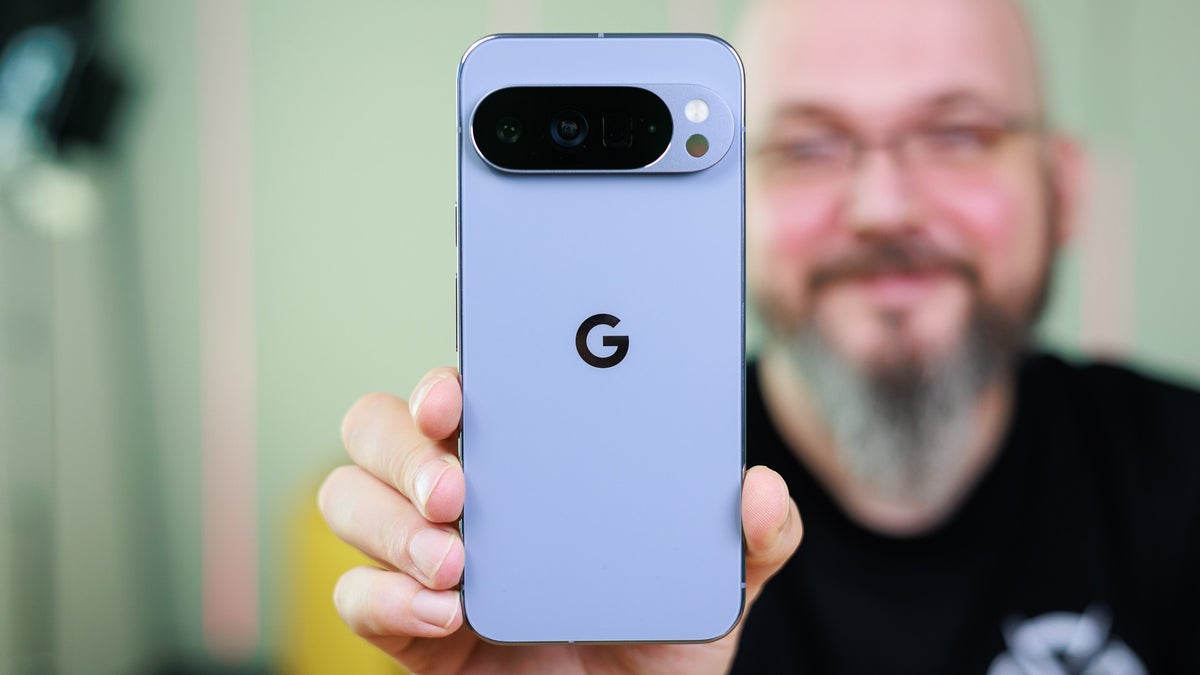
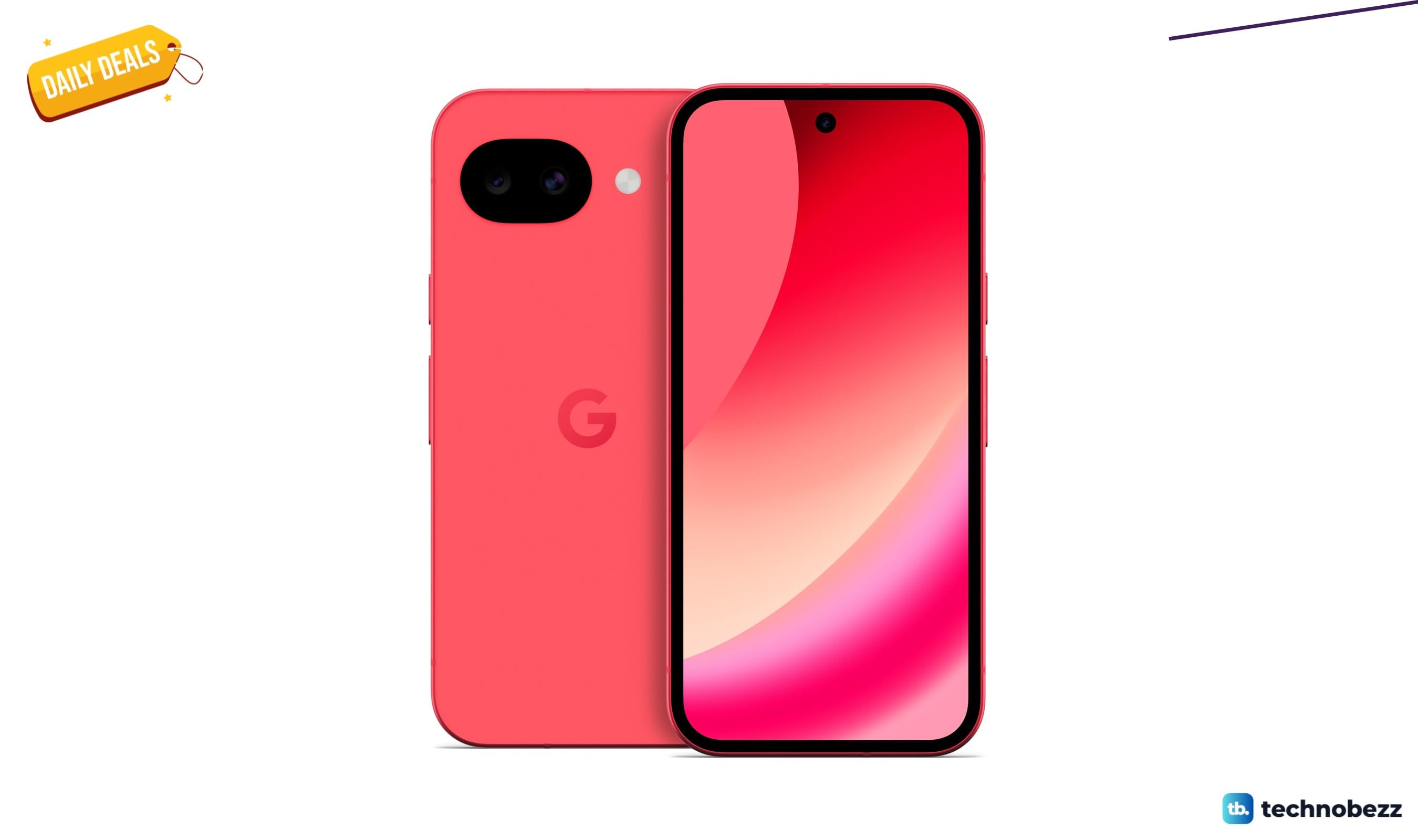
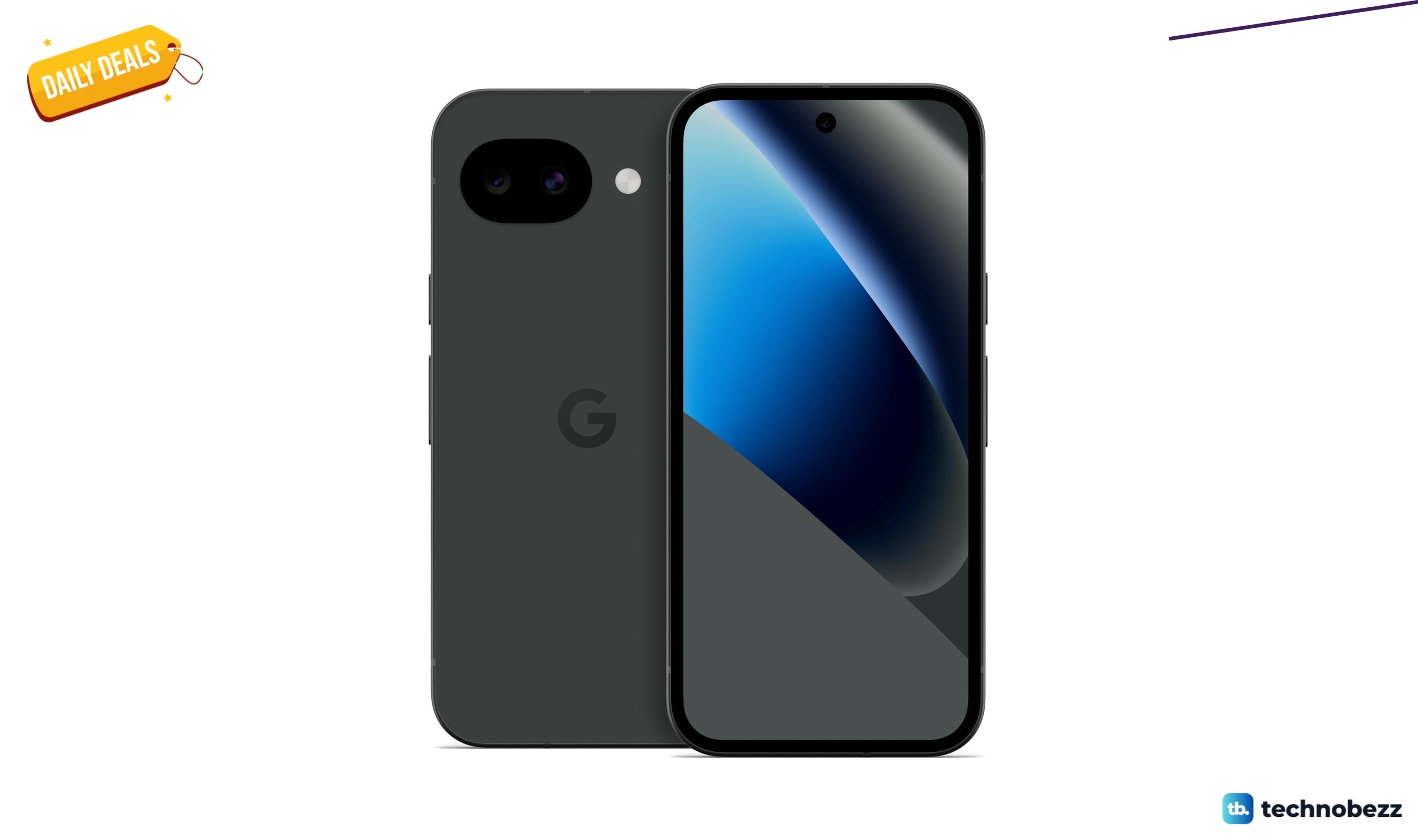
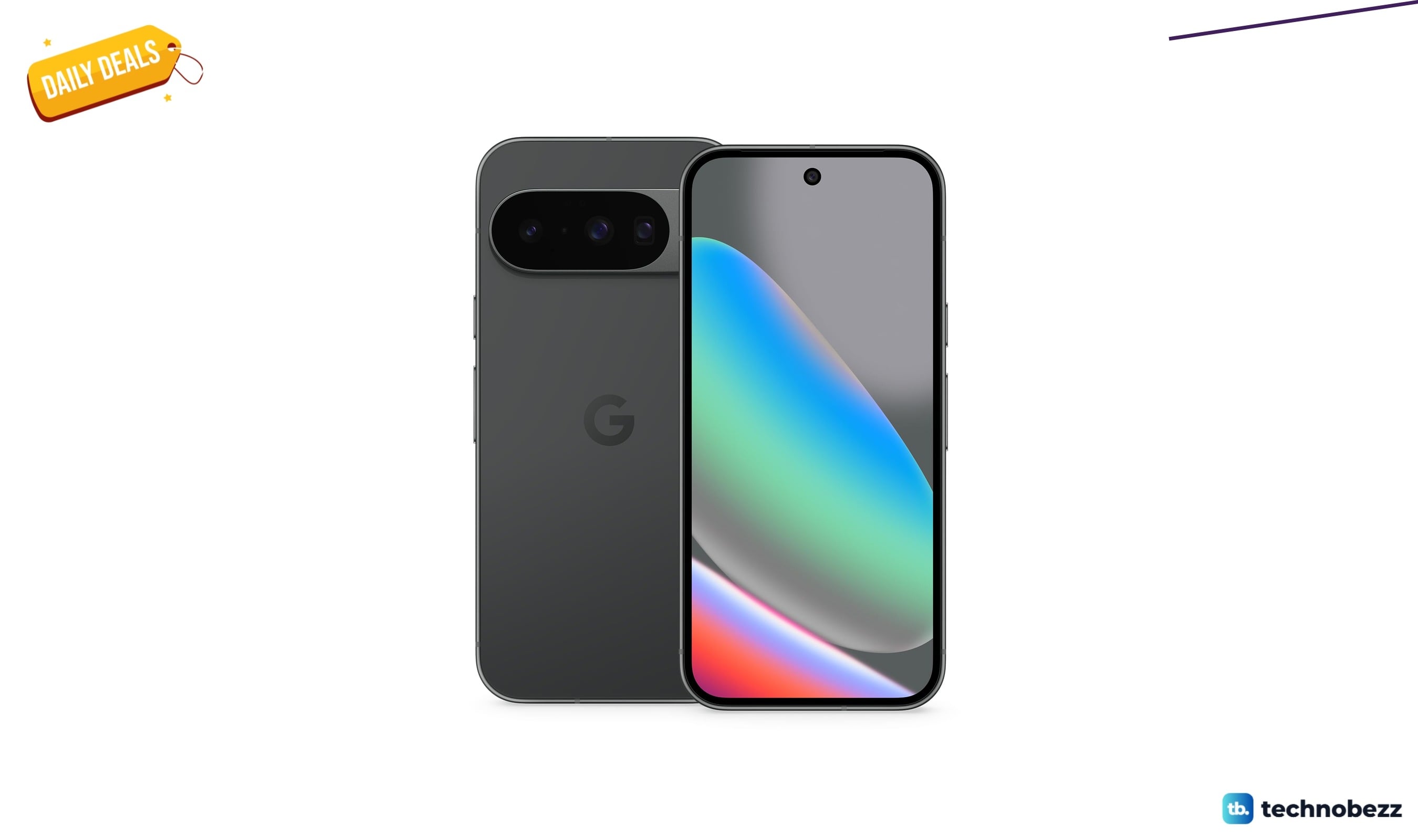
Amazon Prime Day 2026 (June 23-26, 2026) represents a critical pricing inflection point for electronics sellers, with Google Pixel 10 series devices reaching all-time lows and competitive pressure intensifying across premium smartphone, tablet, and smart home categories. The event launched with early deal releases hours before official start time, signaling Amazon's aggressive strategy to capture early shoppers and establish market positioning. Google Pixel 10a dropped to $399 (from $499, -$100 or -20%), Pixel 10 Pro fell to $699 (from $999, -$300 or -30%), and Pixel 10 Pro Fold hit $1,399 (from $1,799, -$400 or -22%)—representing the deepest discounts in product history. Samsung Galaxy S26 Ultra reached $950 (from $1,300, -$350 or -27%), while Roborock vacuums discounted up to $700 and TCL tablets started at $140, demonstrating Amazon's multi-category promotional intensity.
For electronics sellers, this event establishes critical baseline pricing benchmarks that will influence consumer expectations through Q3 2026. The "RAMageddon" memory supply chain constraint mentioned in coverage explains why Pixel 10a pricing finally reached consumer-fair levels after launch criticism—supply normalization is enabling margin compression. Amazon's early release strategy (deals going live hours before official Prime Day start) indicates the platform is prioritizing traffic capture and Buy Box competition over traditional promotional windows. This creates immediate pressure on third-party sellers to match or beat these prices, particularly for high-velocity categories like smartphones (estimated 15-25M units sold during Prime Day globally) and smart home devices (8-12M units). Pixel Watch 4 at $290 (from $350, -$105 or -30%) and Samsung Tab S11 at $540 (from $900, -$40%) show wearables and tablets receiving aggressive promotional support.
The competitive landscape reveals Amazon's focus on premium brand partnerships to drive traffic, with Google hardware receiving disproportionate coverage across Digital Trends, The Verge, and other major tech publications. This media amplification (4+ major outlets covering deals) suggests coordinated PR strategy to position Amazon as the destination for flagship tech during peak shopping season. For sellers, this means: (1) Expect 20-35% margin compression on competing electronics SKUs during major sales events; (2) Monitor Amazon's early release patterns—deals going live 4-6 hours early suggests sellers should pre-position inventory and pricing 24-48 hours before official event windows; (3) Diversify into complementary categories—accessories, cases, screen protectors, and charging solutions for Pixel/Samsung devices will see 40-60% traffic spikes during these events. Historical pattern from Pixel 9a (which also received $100 discount during prior Prime Day) indicates this is recurring annual pricing, not one-time clearance, meaning sellers should budget for similar discounts in June 2027.
Supply chain implications are significant: The "RAMageddon" memory shortage normalization is enabling manufacturers to reduce prices, but this also signals potential inventory buildup risk if demand doesn't match supply recovery. Sellers should monitor IPI (Inventory Performance Index) scores closely—excess inventory during post-Prime Day periods could trigger storage fee penalties (currently $0.87/unit/month for standard-size items in Q3). Cross-border sellers face additional complexity: Amazon's early deal releases may not synchronize across regional marketplaces (US, EU, UK), creating arbitrage opportunities but also compliance risks around pricing parity and regional promotional calendars.
Questions 8
What media coverage patterns indicate Amazon's promotional strategy for Prime Day 2026?
**Four major tech publications** (Digital Trends, The Verge, Amazon's own coverage, and industry observers) provided coordinated coverage of Google hardware deals, indicating **Amazon executed a strategic PR campaign** to position itself as the destination for flagship tech during peak shopping season. This media amplification suggests Amazon negotiated exclusive or early-access deals with Google to drive traffic and establish competitive positioning against other retailers. For sellers, this reveals **Amazon's focus on premium brand partnerships** to drive traffic—the platform prioritizes coverage of flagship devices (Pixel 10, Galaxy S26) over mid-range or budget alternatives. Sellers should monitor **which brands receive disproportionate promotional coverage** in major tech publications, as these indicate Amazon's strategic priorities and likely traffic drivers. This intelligence helps sellers identify which categories will see peak demand and which will face intense competition during major sales events.
What are the cross-border e-commerce implications of Amazon's early Prime Day deal releases?
Amazon's early deal releases (4-6 hours before official Prime Day start) may not synchronize across regional marketplaces (US, EU, UK), creating **arbitrage opportunities but also compliance risks** around pricing parity and regional promotional calendars. Cross-border sellers should: (1) **Monitor regional marketplace deal calendars separately**—US Prime Day may launch deals 6+ hours before EU or UK versions; (2) **Avoid pricing arbitrage strategies** that could trigger Amazon's pricing parity policies and account suspension; (3) **Coordinate inventory across regions** to ensure sufficient stock for synchronized demand spikes; (4) **Prepare for VAT/tax compliance** on discounted pricing—ensure regional pricing reflects applicable VAT rates to avoid compliance violations. Sellers should also note that **Samsung Galaxy S26 Ultra pricing ($950 in US)** may differ significantly in EU markets due to VAT and regional pricing strategies, requiring separate pricing optimization for each marketplace.