
Chrome Advanced Autofill & Google Wallet | Mobile Checkout Conversion Boost for E-Commerce Sellers
- Reduces mobile form friction by 10-15%, directly lowering cart abandonment for travel, payments, and identity-heavy transactions across iOS and Android platforms
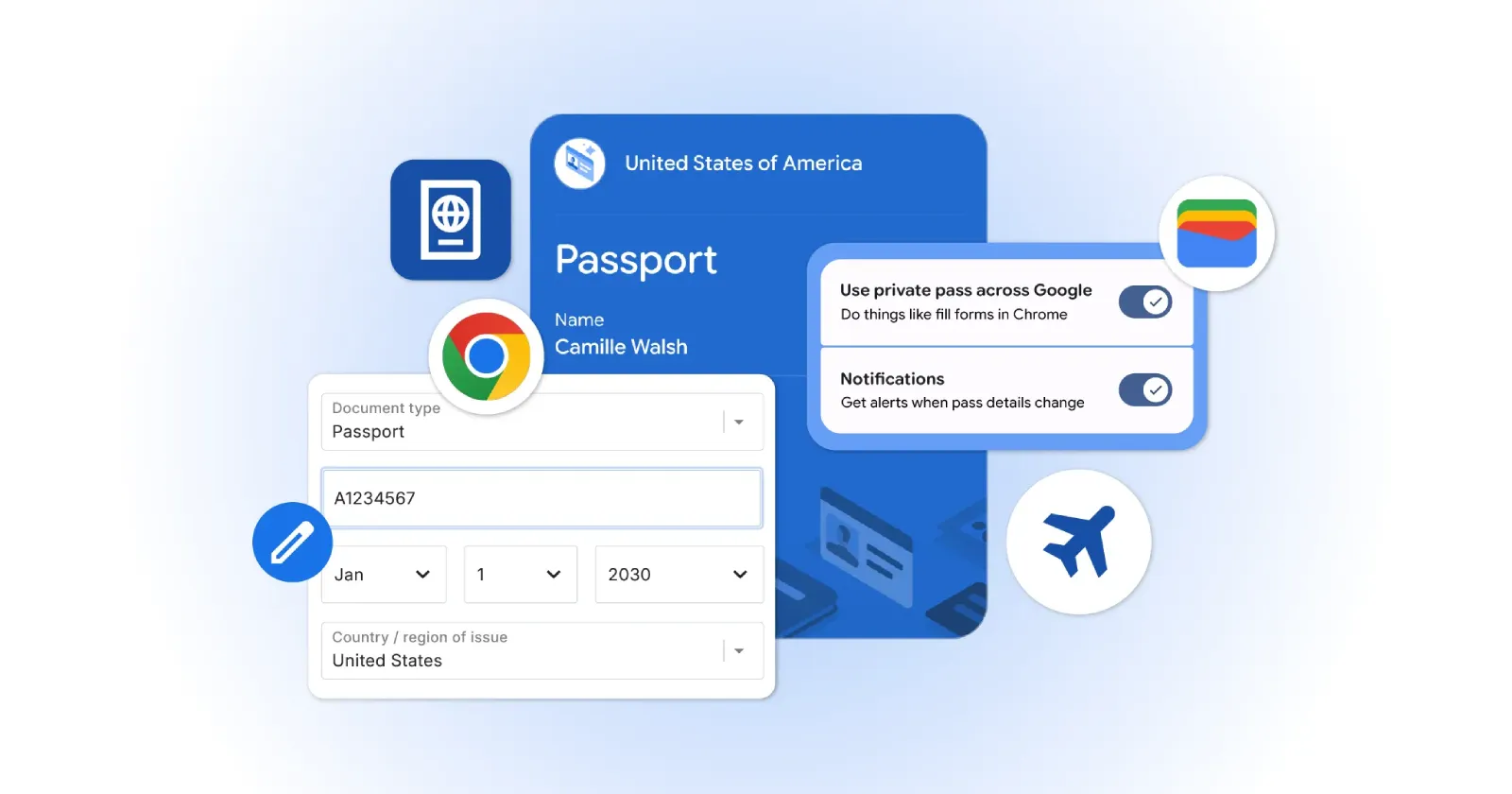






Overview
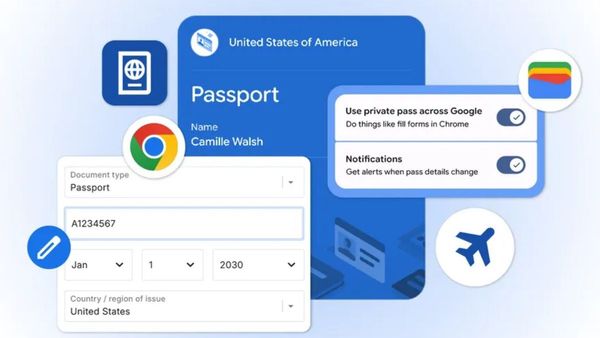
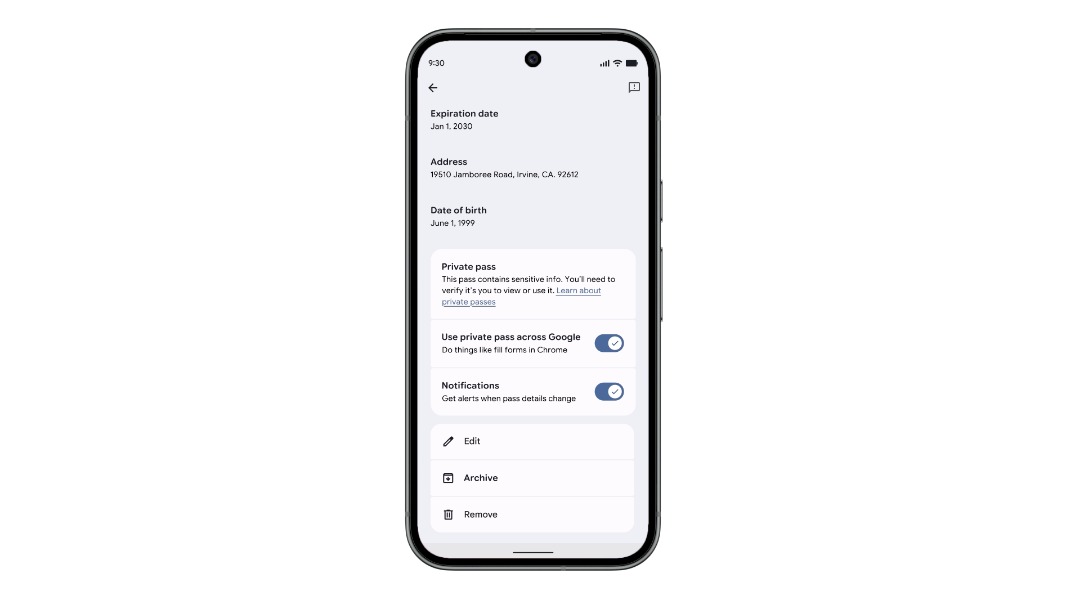
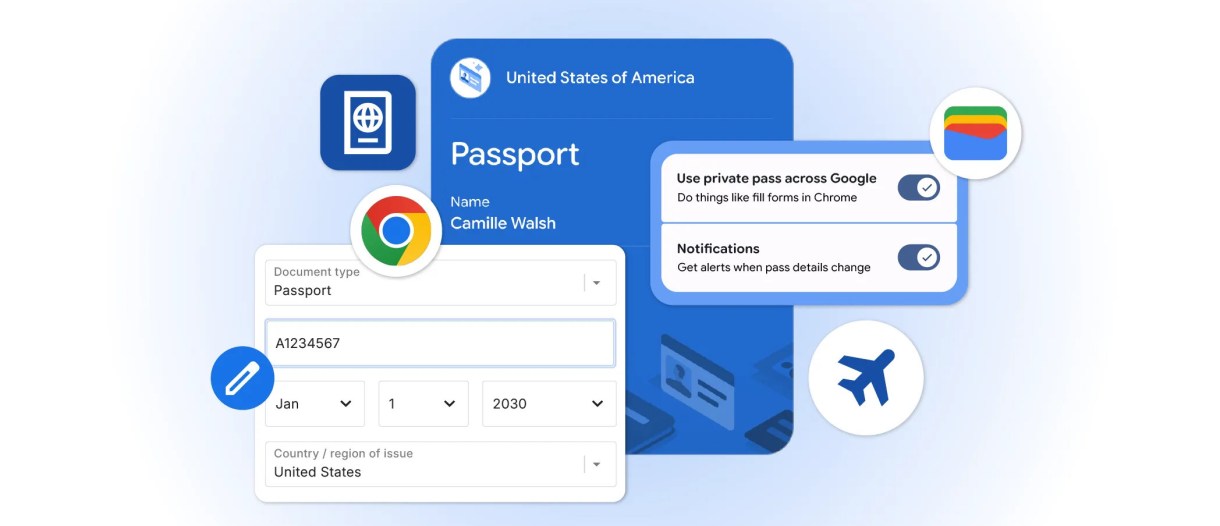
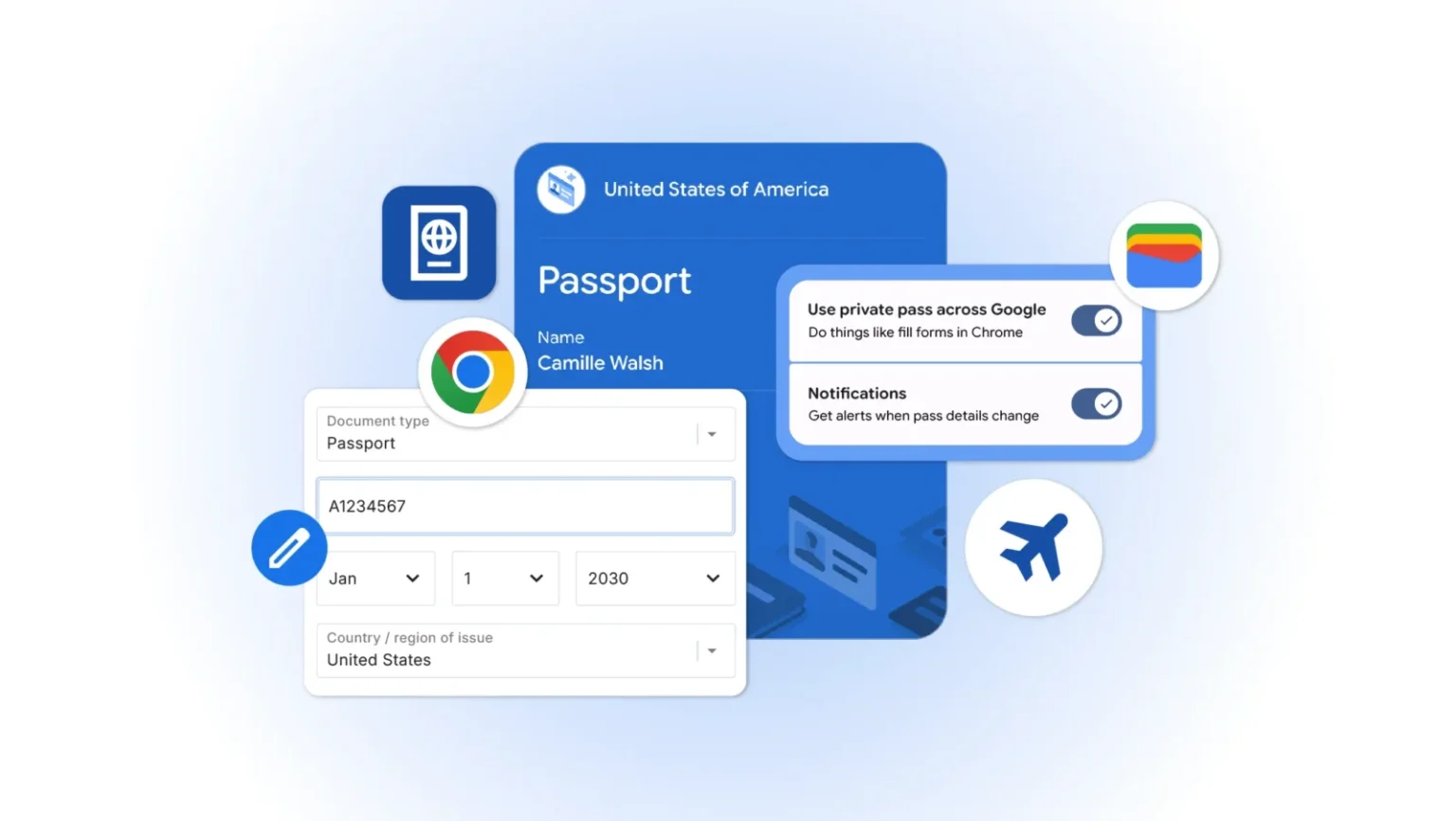
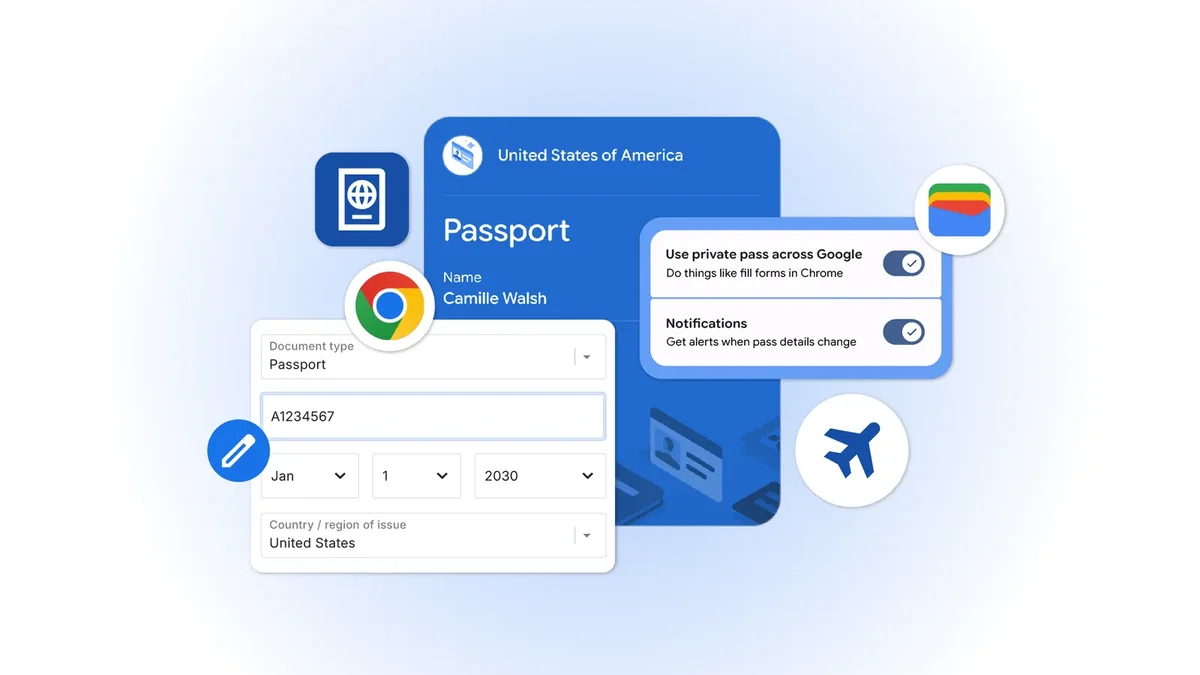
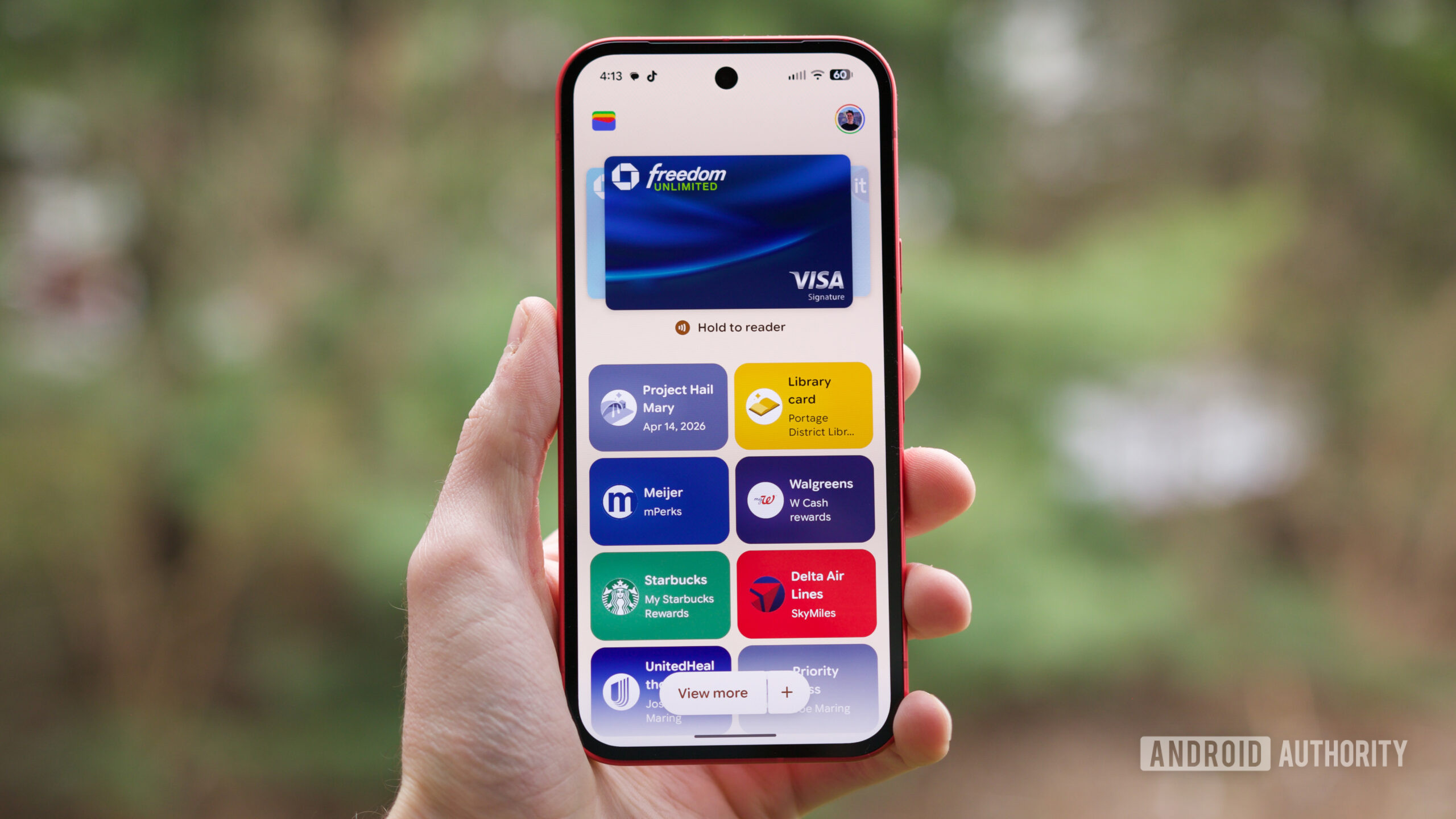
Google's Chrome 150 update (launched June 23, 2026) introduces advanced autofill capabilities with deeper Google Wallet integration, fundamentally reshaping mobile checkout experiences for e-commerce sellers. The feature enables one-tap form completion for complex data types—passport details, driver's licenses, Known Traveler Numbers, vehicle information (VINs, license plates), payment cards, and travel information—across iOS and Android platforms. This represents a critical shift in mobile commerce infrastructure that directly impacts conversion rates, cart abandonment, and customer friction across multiple seller segments.
For e-commerce sellers, this development creates immediate conversion optimization opportunities. Industry data suggests reducing form completion friction increases mobile transaction completion by 10-15%, with the most significant gains in travel, automotive, and identity-verification categories. Sellers using Google Shopping, Google Merchant Center, or Google Wallet payment integration will see measurable improvements as customers experience faster, more secure checkout flows without app-switching. The encrypted storage and explicit user permission model addresses privacy concerns that previously deterred mobile form completion. Travel and hospitality sellers benefit most directly—the one-tap travel form feature eliminates the tedious manual entry process for passenger names, dates, destinations, and contact details that historically drove mobile booking abandonment. Cross-border sellers targeting iOS and Android users (representing 70%+ of global mobile commerce traffic) should prioritize checkout flow compatibility with autofill and Google Wallet features immediately.
The competitive advantage window is 3-6 months. Sellers who optimize checkout flows for autofill compatibility now will capture conversion gains before competitors adapt. This requires auditing form field structures to ensure Chrome's autofill recognition (standardized HTML form attributes), enabling Google Wallet payment options, and testing mobile checkout flows across both platforms. Sellers NOT using Google's payment solutions should evaluate integration costs ($0-500 setup, 2-3% transaction fees) against the conversion lift potential. The reorganized Chrome settings interface (separating Google Password Manager, Payments, Contact Info, Identity Docs, and Travel sections) signals Google's long-term commitment to ecosystem consolidation—sellers should expect continued feature expansion and deeper integration with Google Shopping and Merchant Center over the next 12 months.
Questions 8
Which seller categories and platforms benefit most from Google Wallet's deeper Chrome integration?
Travel (flights, hotels, car rentals), automotive (vehicle registration, insurance), identity-verification services, and payment-heavy categories see the highest impact. Sellers using Google Shopping, Google Merchant Center, or Google Pay integration benefit immediately. Cross-border sellers targeting iOS and Android users (70%+ of global mobile commerce) should prioritize Google Wallet adoption. The feature is particularly valuable for sellers in regions with high mobile-first commerce (Southeast Asia, India, Latin America) where desktop checkout is less common. Sellers NOT currently accepting Google Wallet should evaluate integration costs ($0-500 setup, 2-3% transaction fees) against potential 10-15% conversion lift.
How does Chrome's advanced autofill directly impact mobile conversion rates for e-commerce sellers?
Chrome's autofill reduces form completion friction by 10-15%, directly lowering mobile cart abandonment. The feature enables one-tap population of complex forms (passport, driver's license, payment data, travel info) that previously required manual entry. Sellers using Google Wallet integration see measurable conversion gains as customers complete checkout 30-60 seconds faster. Travel and hospitality sellers benefit most—the one-tap travel form feature eliminates passenger name, date, and destination entry that historically drove booking abandonment. Sellers should audit checkout flows immediately to ensure form field compatibility with Chrome's autofill recognition (standardized HTML attributes) to capture this conversion lift.