
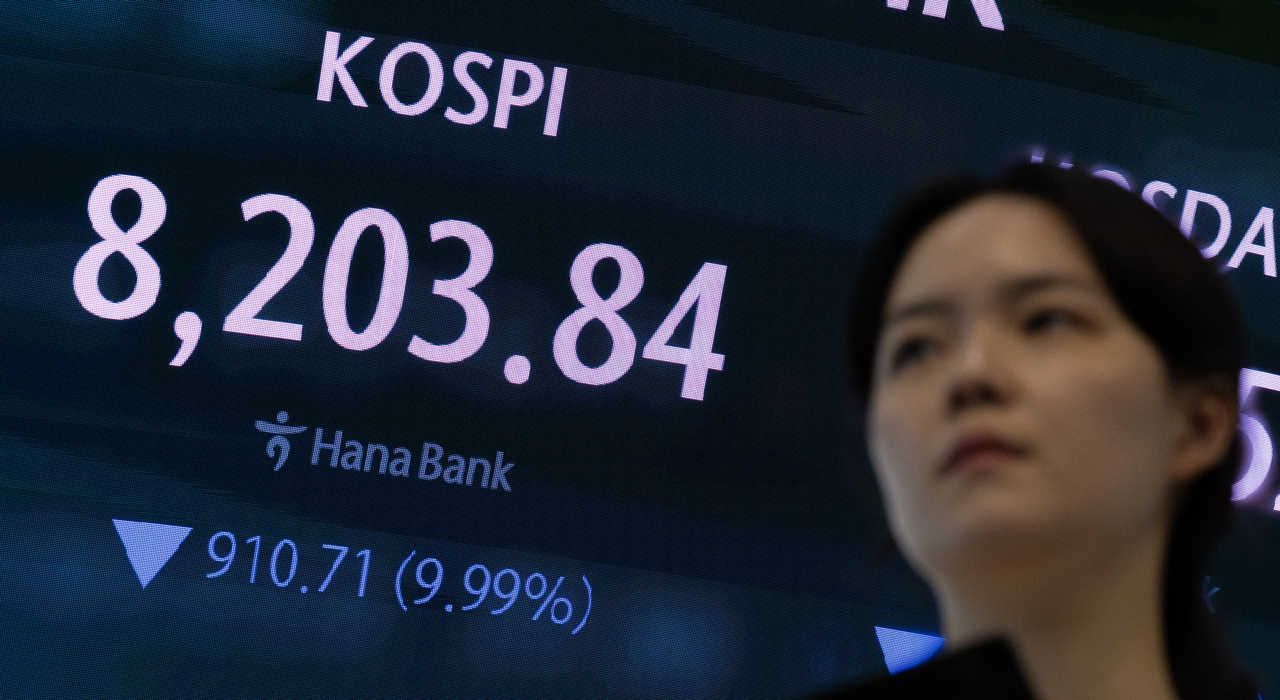


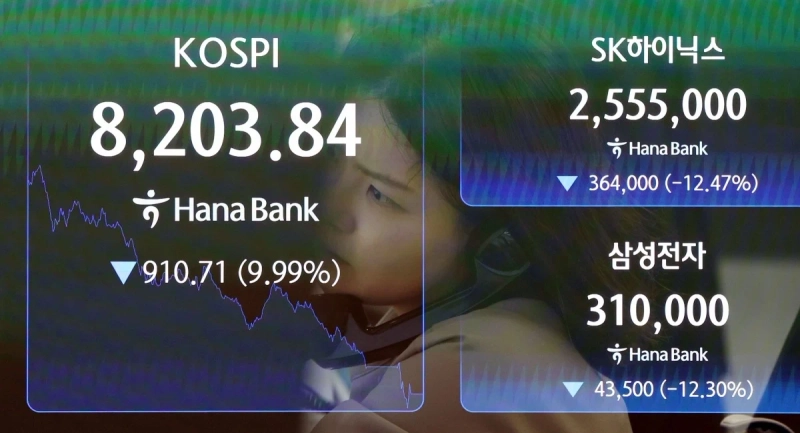
Semiconductor Volatility & FX Headwinds | Cross-Border Sellers Face 8-15% Import Cost Swings
- South Korea's KOSPI crashed 10% then rebounded 4.6% in 24 hours; USD/KRW and JPY/USD fluctuations create immediate working capital pressure for electronics sellers sourcing from Asia

















Overview
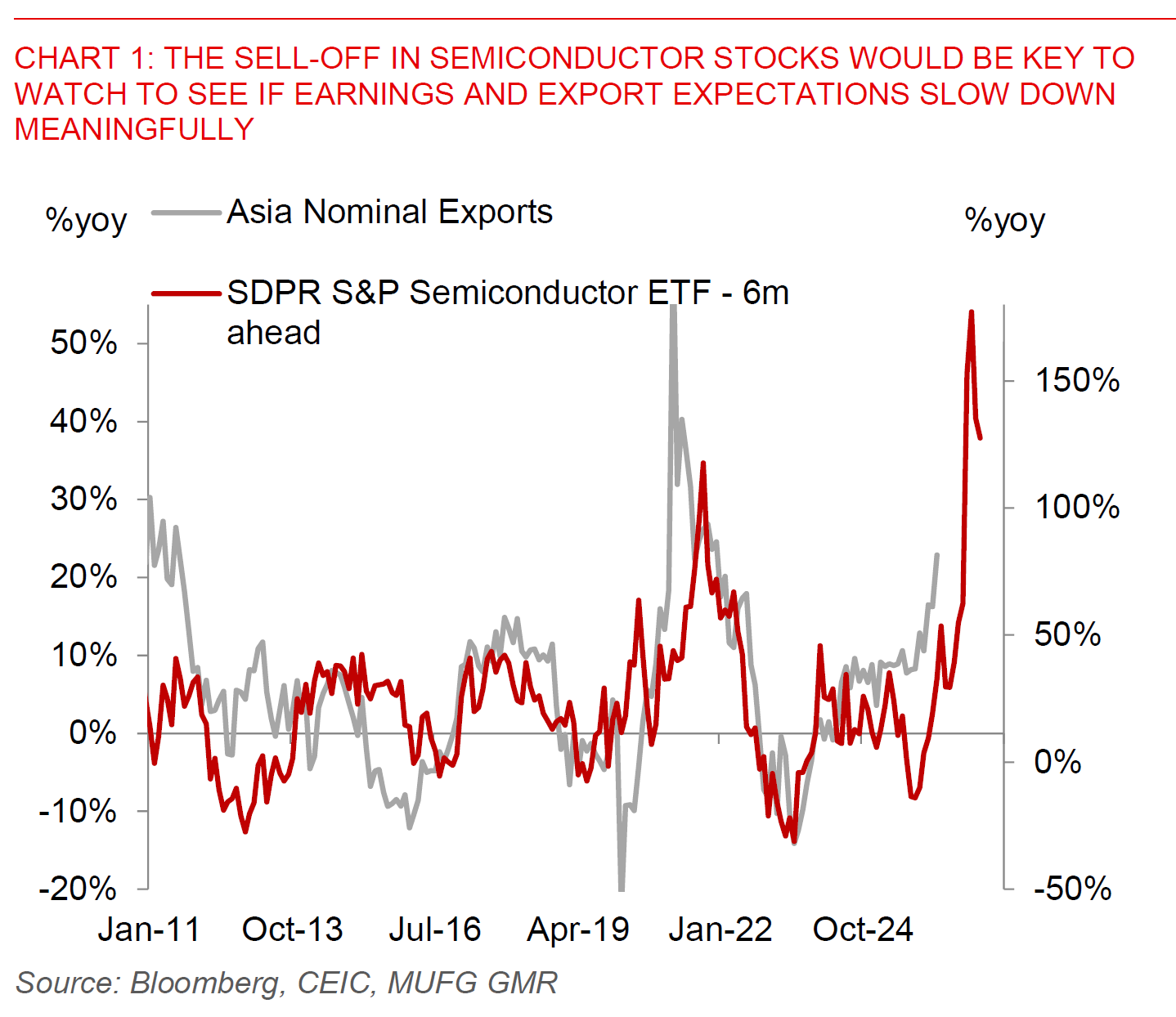
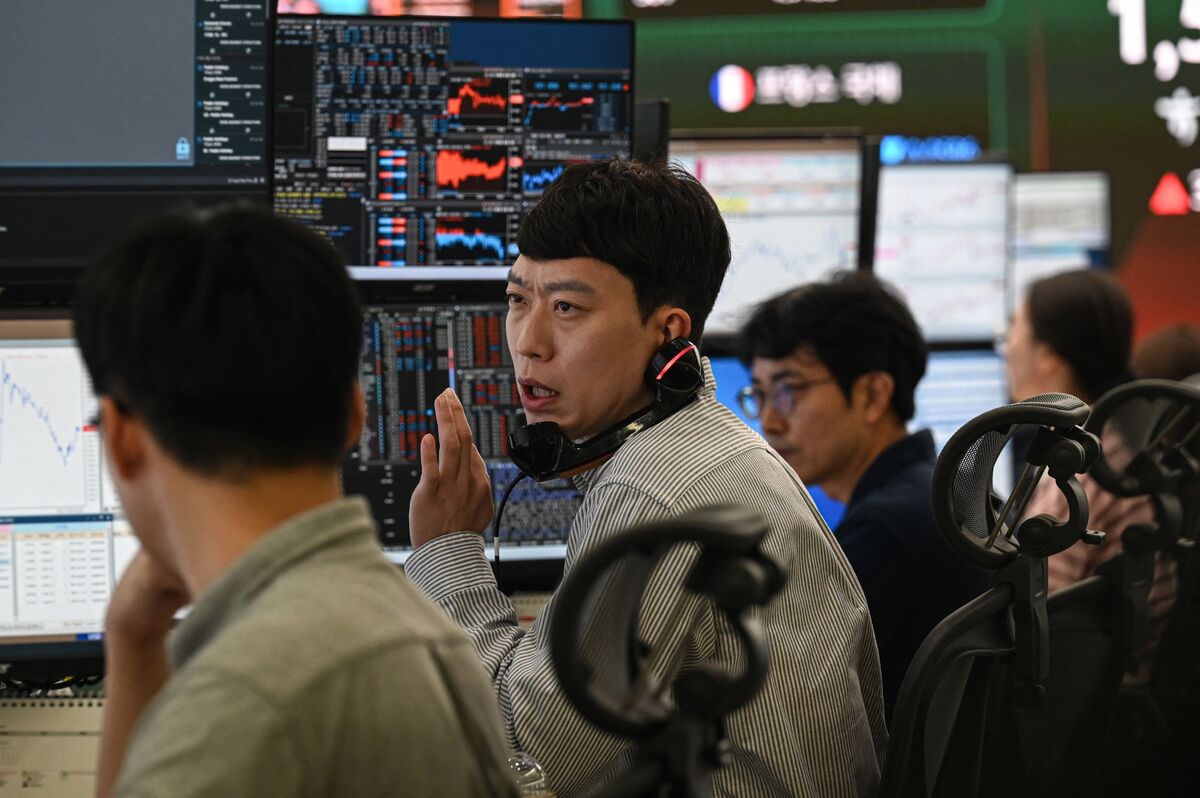
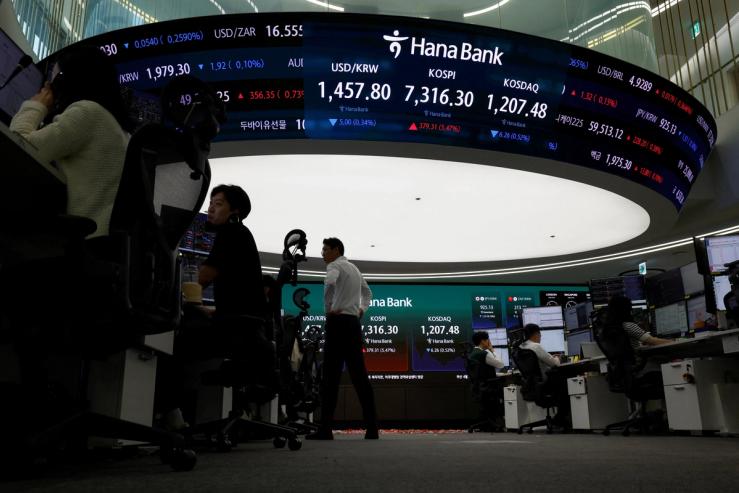
Semiconductor sector volatility is creating immediate financial headwinds for cross-border e-commerce sellers sourcing electronics from Asia. The South Korean KOSPI index experienced its fifth-largest selloff in history (10% decline) followed by a 4.6% rebound on June 24, 2026, driven by profit-taking after a near 100% year-to-date rally and uncertainty about chipmaker earnings sustainability. Samsung Electronics plummeted 12% then surged 9%, while SK Hynix gained 2.7%, reflecting investor whiplash over semiconductor valuations. Simultaneously, currency markets show the USD strengthening against the yen (160.56 JPY/USD) and won, with Japan planning to review its $1.3 trillion foreign exchange reserves strategy. This creates a critical financial optimization window for sellers.
For sellers sourcing electronics and tech components from South Korea and Taiwan, the immediate impact is severe working capital compression. The KOSPI's 10% crash signals potential production delays and supplier cost-cutting measures, while the subsequent rebound suggests underlying demand fundamentals remain intact—but supplier confidence is fragile. Bank of America's fund manager survey reveals 80% identify semiconductor positions as the "most crowded trade on record," indicating stretched valuations and elevated risk of further disappointment. This means suppliers may demand faster payment terms or prepayments to secure inventory, locking sellers into higher cash conversion cycles. Currency volatility compounds this: a 5-8% swing in USD/KRW directly impacts import costs for electronics, semiconductors, and tech accessories—categories where margins typically run 15-25%. Sellers with unhedged Korean supplier exposure face 8-15% cost swings on orders placed today versus 30-60 days ago.
Platform stability concerns add operational risk. Alibaba, Tencent, and other Asian tech giants powering e-commerce infrastructure face investor scrutiny, which could trigger cost-cutting measures affecting seller tools, commission structures, or feature development. The AI jitters persist despite analyst Dan Ives confirming "no fundamental weakening" in enterprise AI demand—meaning platform companies may reduce investment in seller services to preserve margins. Logistics technology providers and payment processors relying on tech sector funding could face delayed feature rollouts or service consolidation. For sellers, this translates to potential fee increases, reduced seller support, or slower platform innovation during the next 1-3 months as companies respond to investor pressure.
Questions 7
What payment methods minimize my exposure to this volatility?
Use multi-currency payment strategies: (1) Pay Korean suppliers in KRW via forward contracts (locks rates 30-90 days out, 0.5-1.5% cost); (2) Use trade finance providers like Wise, OFX, or Remitly for better rates than bank wire transfers (save 0.5-1% on $50K+ transfers); (3) Negotiate supplier invoicing in USD to shift currency risk to them; (4) Use payment platforms like Alibaba Trade Assurance or Stripe for automatic FX optimization. Avoid spot market payments—lock rates via forward contracts. For JPY exposure, use JPY-denominated accounts at Japanese banks (lower conversion costs) or hedge via currency options.
How can I capitalize on the currency volatility as a seller?
The USD is strengthening (160.56 JPY/USD, pressure on EUR) while the Korean won weakens with KOSPI volatility. Opportunity: Buy Korean inventory now (cheaper in USD terms due to won weakness), then sell into USD-denominated markets (US Amazon, eBay) for margin expansion. If you have JPY-denominated costs (Japanese suppliers), delay purchases 2-4 weeks to benefit from further yen weakness. Conversely, if you source from the US and sell into Asia, the strong dollar creates headwinds—consider pricing increases in Asian markets now. FX arbitrage window: 2-4 weeks before central bank intervention (Japan's Finance Minister discussed potential joint intervention).