



Germany's €100B+ Defense Rearmament Drives Supply Chain Opportunities for Industrial & Logistics Sellers
- €100B+ defense fund + €12B civil defense spending through 2029 creates procurement surge for equipment, spare parts, and logistics services across EU manufacturing hubs

Overview
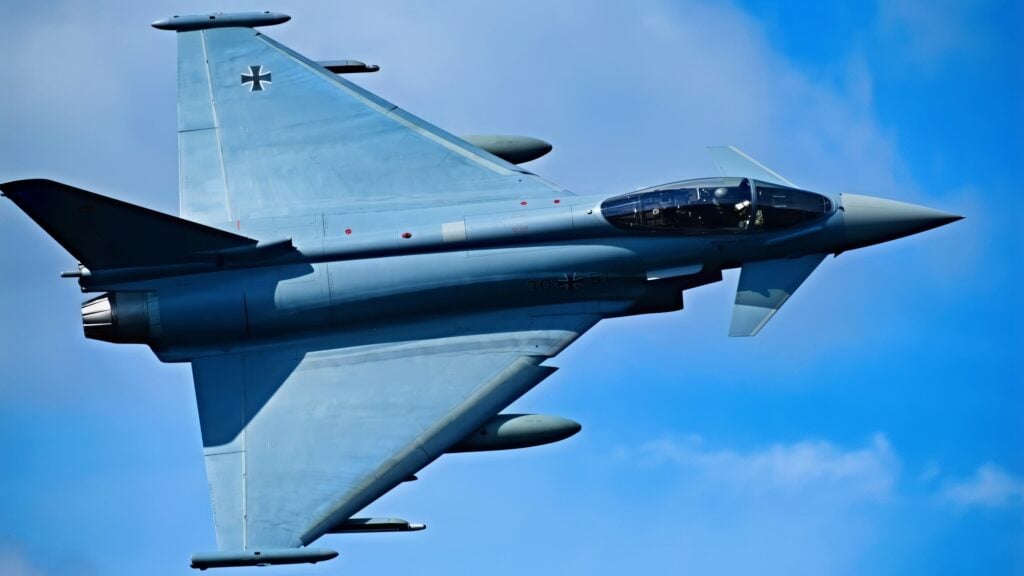
Germany's historic military rearmament following the 2022 Ukraine invasion represents a transformative €100+ billion procurement opportunity for cross-border sellers in industrial equipment, spare parts, logistics services, and civil defense products. Chancellor Scholz's "Zeitenwende" (turning point) commitment in February 2022, formalized through April 2024 military strategy and May 2024 civil protection framework, has triggered accelerated defense procurement legislation (early 2026) designed to eliminate bureaucratic bottlenecks and streamline multi-year equipment contracts. This creates immediate supply chain demand across three critical seller segments.
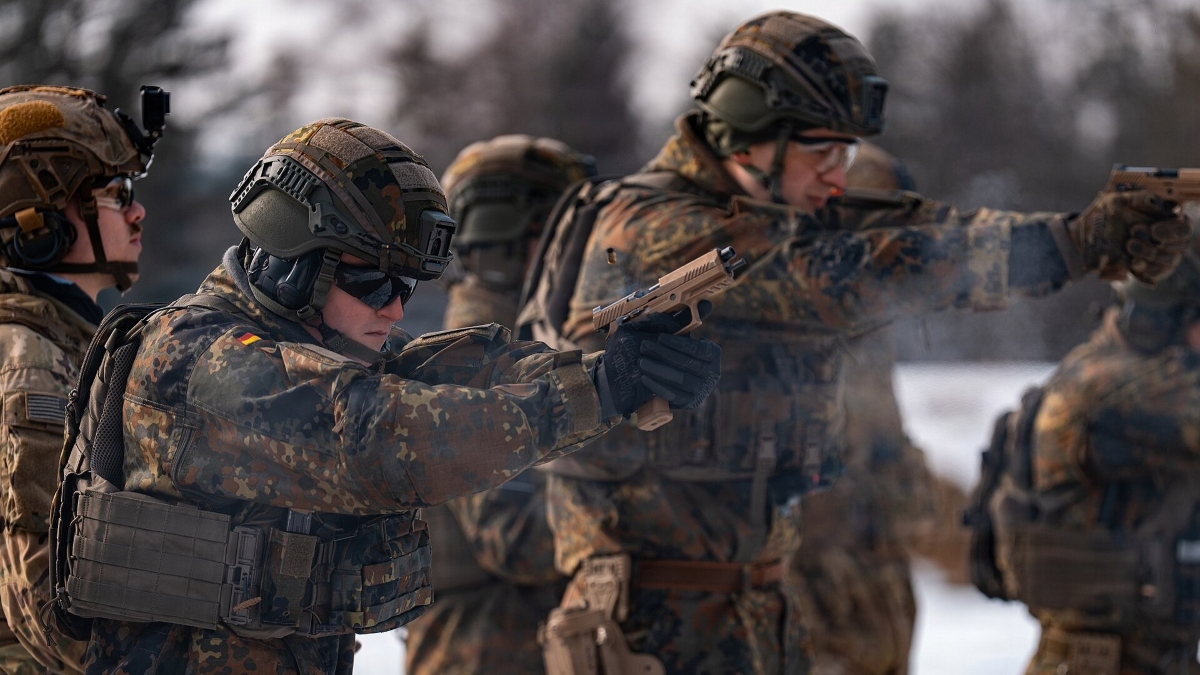
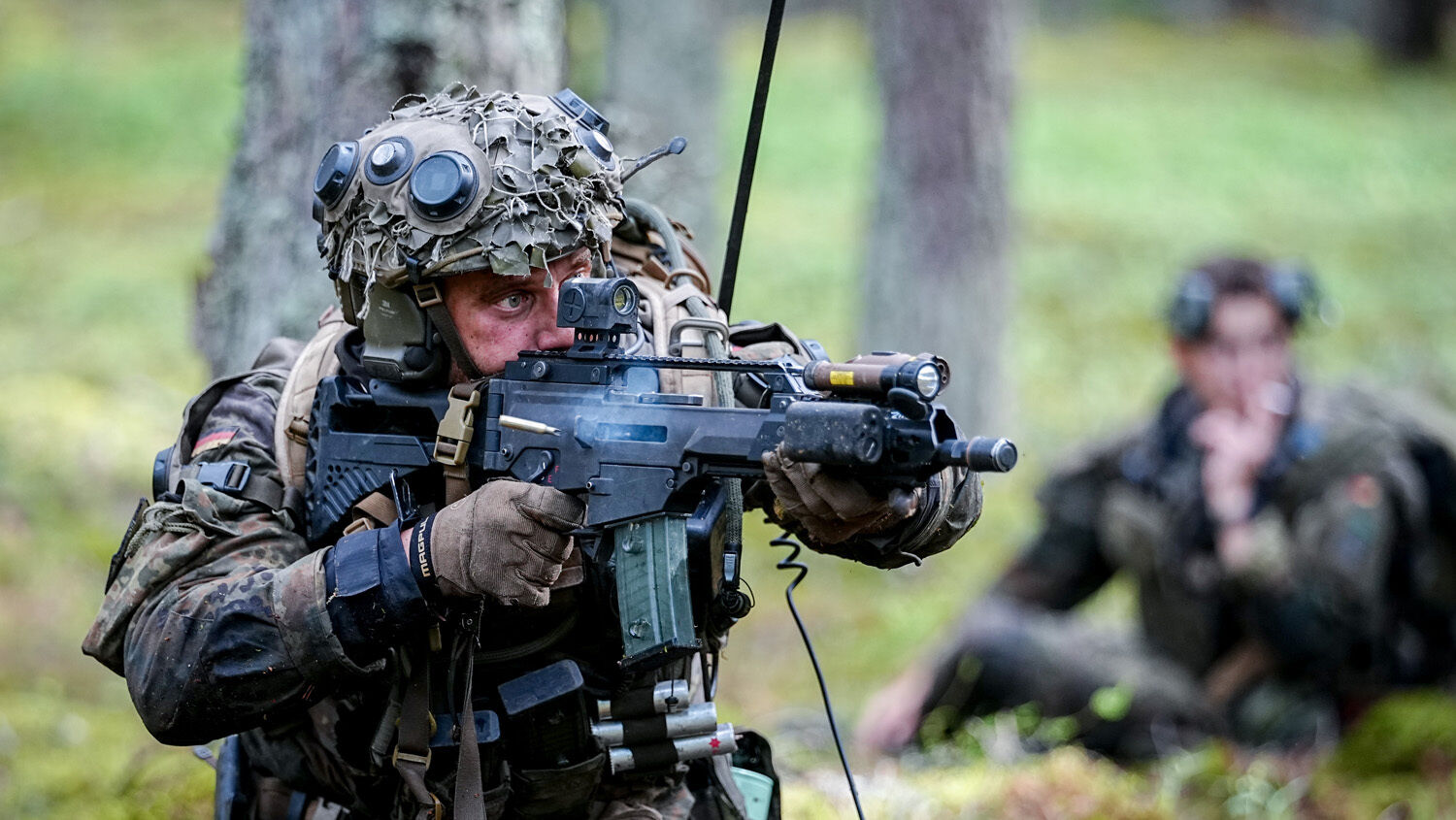
Industrial Equipment & Spare Parts Sellers: Germany's Bundeswehr faces critical shortages in air defense systems, artillery ammunition, spare parts, and trained maintenance personnel—with combat readiness hovering at 50%. The military requires 200,000+ active-duty soldiers by 2029-2035, driving demand for maintenance supplies, replacement components, and logistics equipment. Sellers specializing in industrial spare parts, mechanical components, and equipment refurbishment can target German defense contractors and NATO logistics hubs. The procurement acceleration legislation specifically targets reducing delivery timelines, creating urgency for suppliers with fast-fulfillment capabilities. Multi-year contracts (announced early 2026) indicate sustained demand through 2029+, enabling sellers to forecast inventory and negotiate volume discounts with manufacturers.
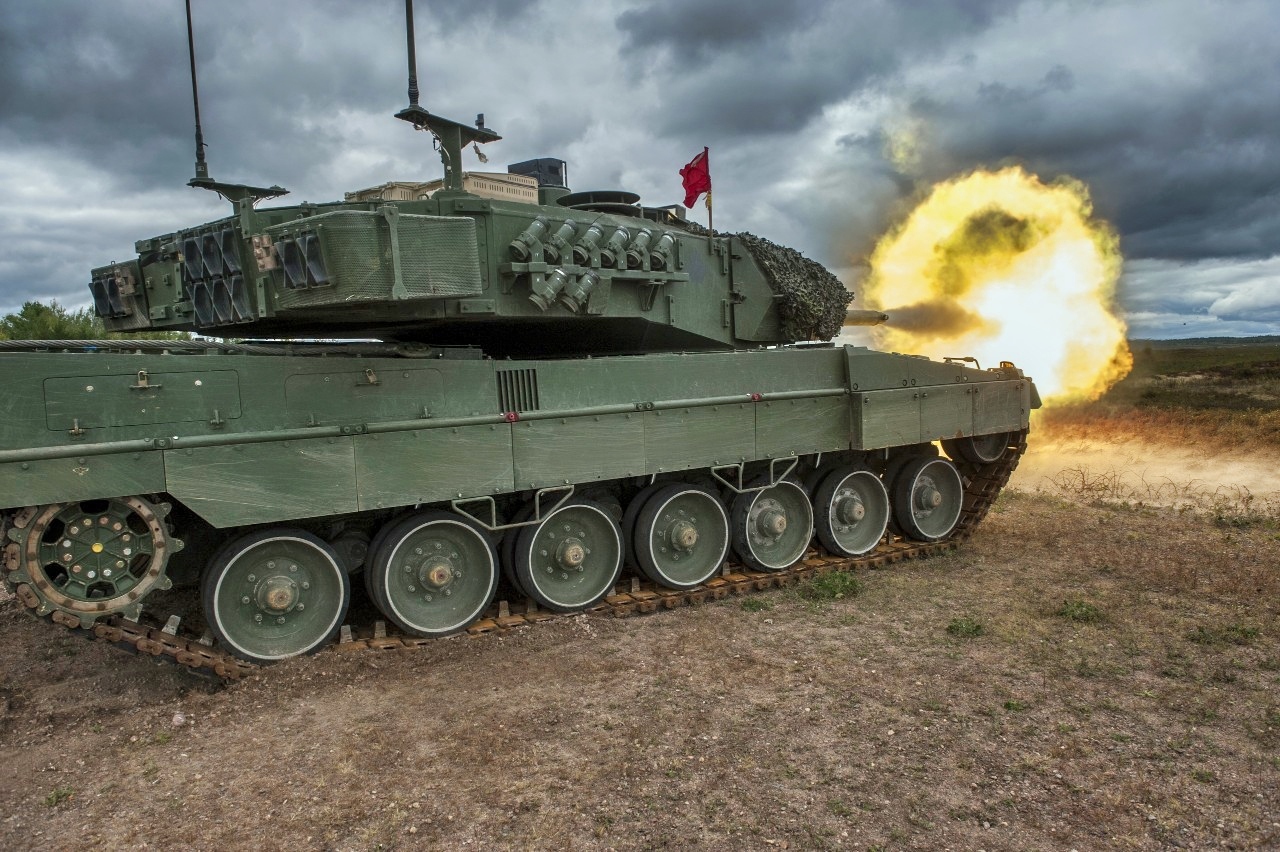
Logistics & Civil Defense Product Sellers: Germany's "gesamtverteidigung" (total defense) framework integrates civilian infrastructure with military capabilities, allocating €12 billion for civil defense through 2029. This drives demand for emergency preparedness products, logistics equipment, and supply chain solutions. Arms manufacturers are converting civilian production lines to defense manufacturing (exemplified by KND's Alstom factory acquisition in Görlitz), signaling industrial capacity constraints and outsourcing opportunities. Sellers offering logistics optimization, warehouse management systems, and supply chain visibility tools can target defense contractors managing multi-year procurement cycles. The Lithuania Brigade deployment (5,000 troops with Leopard 2 tanks, Puma vehicles) demonstrates sustained overseas logistics requirements, creating opportunities for sellers of maintenance supplies, spare parts, and field equipment.
Regional Market Expansion: Germany's NATO logistics hub role and European technological independence priority create cross-border opportunities. Sellers based in EU manufacturing regions (Poland, Czech Republic, Hungary) can leverage proximity to German procurement hubs. The strategy emphasizes European supply chain resilience, reducing reliance on non-NATO suppliers—favoring EU-based sellers over Asian competitors for critical components. However, timeline misalignment (defensive capability by 2029, full strength by 2035, strongest army by 2039) creates execution risk: procurement may accelerate unpredictably if threat assessments escalate, or stall if political consensus fractures around conscription and defense spending.
Questions 8
What compliance and regulatory requirements apply to sellers targeting German defense contracts?
Sellers must comply with: (1) EU defense export regulations and NATO supplier frameworks; (2) German procurement law (Vergabegesetz) requiring transparent bidding processes; (3) NATO CAGE code registration for defense suppliers; (4) EU sanctions compliance regarding Russia and CRINK alliance countries (China, Russia, Iran, North Korea); (5) Supply chain security requirements for critical defense components. The May 2024 civil protection framework introduces additional compliance requirements for civilian-military infrastructure integration. Sellers should obtain legal counsel on EU defense export controls and NATO supplier requirements before pursuing contracts. Early 2026 procurement acceleration legislation may streamline approval processes, but compliance standards remain strict. Sellers lacking NATO certification should partner with certified German contractors to access procurement opportunities.
How does Germany's defense spending compare to NATO commitments and create seller opportunities?
Germany committed to sustained NATO 2% GDP defense spending targets (announced February 2022), translating to €100+ billion annual defense budgets. This represents historic rearmament—the largest German military mobilization since Cold War's end. The €100 billion defense fund plus additional hundreds of billions committed for 2025 create sustained procurement demand through 2029+. Germany's logistics hub role within NATO creates opportunities for sellers offering supply chain solutions, warehousing, and cross-border logistics services. The strategy emphasizes multi-year contracts and procurement acceleration, enabling sellers to forecast revenue and negotiate volume discounts. However, political uncertainty around conscription and defense spending could impact timelines—sellers should monitor quarterly budget announcements and Bundeswehr readiness reports.