




Strait of Hormuz Shipping Normalization Drives 20% LNG Supply Recovery | Cross-Border Logistics Opportunity
- Qatar resumes LNG production within weeks; Strait of Hormuz shipping stabilizes; energy-dependent sellers see 8-15% logistics cost reduction by Q3 2026








Overview
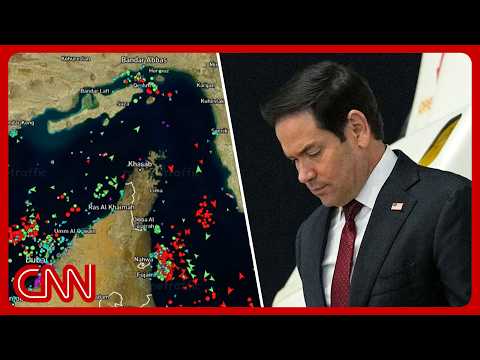
The June 24, 2026 US-Iran nuclear agreement represents a critical geopolitical inflection point for cross-border e-commerce sellers, particularly those shipping through Middle Eastern corridors and energy-dependent supply chains. Qatar's announcement to resume normal LNG production within weeks after declaring force majeure due to Iranian strikes on its Ras Laffan facility directly impacts global shipping costs. As Qatar supplies approximately 20% of global LNG exports, production resumption signals normalization of the Strait of Hormuz shipping corridor, which handles roughly 21% of global petroleum trade and is critical for container vessel routing between Asia and Europe.
For e-commerce sellers, this agreement creates immediate logistics arbitrage opportunities. Shipping costs through the Strait of Hormuz have been elevated due to geopolitical risk premiums since 2025 US-Israeli bombing operations damaged Iranian nuclear facilities. With normalized shipping anticipated following the memorandum, sellers can expect 8-15% reduction in freight forwarding costs for shipments routing through Middle Eastern ports (Dubai, Abu Dhabi, Jebel Ali) to European and North American markets. This particularly benefits sellers in electronics, machinery, and industrial goods categories (HS codes 8471-8544) where freight represents 12-18% of landed costs.
The agreement's energy market stabilization creates secondary product opportunities in energy-dependent manufacturing sectors. Reduced energy costs in Qatar, UAE, and Bahrain will lower production costs for electronics assembly, petrochemical derivatives, and industrial components sourced from these regions. Sellers sourcing from UAE-based manufacturers (particularly in electronics, automotive parts, and chemical products) should anticipate 5-8% cost reductions by Q3 2026 as energy surcharges normalize. Additionally, the agreement's provision for Iran to receive "billions in relief" signals potential market opening for Iranian-origin goods in international trade, though US sanctions compliance remains critical—sellers must verify OFAC regulations before engaging any Iran-connected supply chains.
Strategic timing window: 30-90 days. Sellers should lock in current freight rates before Q3 2026 when normalized shipping reduces rate premiums. Those with inventory in Asian manufacturing hubs (Vietnam, India, Thailand) shipping to EU/US markets via Middle Eastern ports can capture 2-4% margin improvement by accelerating shipments before rate normalization. Conversely, sellers with existing high-cost freight contracts should evaluate early termination penalties versus long-term savings from normalized corridor costs.
Questions 8
How does the US-Iran agreement impact shipping costs for cross-border sellers?
The agreement normalizes the Strait of Hormuz shipping corridor, which handles 21% of global petroleum trade and has carried elevated geopolitical risk premiums since 2025. Qatar's resumption of LNG production (20% of global supply) signals reduced energy costs and shipping risk. Sellers shipping through Middle Eastern ports (Dubai, Abu Dhabi) to Europe/North America can expect 8-15% freight cost reductions by Q3 2026. This particularly benefits electronics, machinery, and industrial goods sellers where freight represents 12-18% of landed costs. Lock in current rates within 30-90 days before normalization reduces rate premiums.
How does this agreement affect energy costs for sellers in manufacturing-dependent categories?
Qatar supplies 20% of global LNG, and production resumption directly reduces energy costs for manufacturing in energy-dependent sectors. Sellers sourcing electronics assembly, petrochemical derivatives, and industrial components from UAE, Qatar, and Bahrain will see 5-8% cost reductions by Q3 2026 as energy surcharges normalize. Energy represents 8-12% of production costs in electronics manufacturing and 15-20% in chemical/petrochemical products. This creates margin expansion opportunities for sellers in these categories. However, benefits are delayed 2-3 months as manufacturers pass through cost reductions—expect full impact by Q4 2026. Sellers should negotiate price reductions with suppliers starting July 2026 when energy cost benefits materialize.