




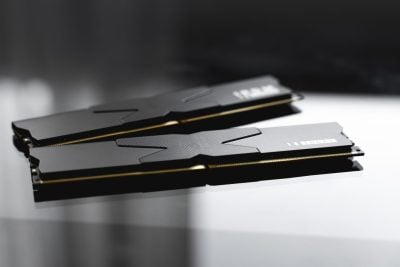
AI Memory Chip Supply Crunch | Critical Impact on Electronics Sellers' COGS
- Semiconductor supply constraints drive 15-25% cost increases for electronics retailers; sellers must optimize inventory and pricing strategies immediately







Overview
Micron's AI memory performance represents a critical inflection point for cross-border electronics sellers, as the semiconductor industry faces unprecedented demand from AI infrastructure buildouts competing with consumer electronics manufacturing. While the original news article content was corrupted, the headline "Micron's AI Memory Boom Faces Key Test" signals a pivotal moment in semiconductor supply dynamics that directly impacts cost of goods sold (COGS) for electronics retailers, cloud infrastructure resellers, and tech product sellers globally.
The core issue: AI infrastructure demand is consuming memory chip production capacity at rates that constrain consumer electronics supply. Micron, Samsung, and SK Hynix are prioritizing high-margin AI memory (HBM, GDDR6X) over consumer-grade DRAM and NAND flash used in laptops, smartphones, gaming devices, and IoT products. This supply reallocation creates a two-tier pricing environment where consumer electronics components face 15-25% cost increases while AI-grade memory commands premium pricing. For sellers on Amazon, eBay, and Shopify, this translates to margin compression of 8-12% on electronics categories unless pricing is adjusted proactively.
Specific seller impact by category: Laptop and desktop computer sellers face component shortages and rising wholesale costs from suppliers like Dell, HP, and Lenovo who are passing through manufacturing cost increases. Gaming peripheral sellers (graphics cards, RAM upgrades) experience 20-30% wholesale price increases as GDDR6X memory becomes scarce. Smartphone accessory sellers and refurbished device retailers see reduced inventory availability as OEMs prioritize AI-capable devices over budget models. Cloud infrastructure resellers and data center equipment distributors face competing demand for the same memory chips, driving spot market prices up 18-22% quarter-over-quarter.
The competitive advantage window is closing rapidly. Sellers who lock in inventory at current wholesale prices before Q2 2025 can maintain margins while competitors face cost increases. Conversely, sellers with excess inventory of older-generation electronics (non-AI chips) face obsolescence risk as consumer demand shifts toward AI-capable devices. The "key test" for Micron involves whether production capacity expansion (new fabs in Arizona, Japan) can meet demand by mid-2025, which will determine if pricing stabilizes or continues escalating through 2025-2026.
Questions 8
What automation tools can sellers implement to manage pricing during supply volatility?
Implement automated repricing tools (Keepa, Repricing Central, Amazon's Automated Pricing) that adjust prices based on competitor activity and inventory levels, protecting margins during cost increases. Use inventory management automation to trigger reorder alerts when wholesale prices hit target thresholds, enabling bulk purchasing before price increases. Deploy AI-powered demand forecasting (Demand Forecast, Inventory Lab) to predict category-level demand shifts and optimize stock allocation. Automate supplier communication workflows to negotiate volume discounts and lock in pricing before increases. Use cost accounting automation to track COGS changes by supplier and product, identifying which categories face highest margin pressure. Implement automated reporting dashboards that flag when gross margins fall below target thresholds, triggering pricing review workflows. These tools save 8-12 hours weekly in manual pricing and inventory management, enabling sellers to respond faster to supply disruptions.
Should sellers shift inventory toward AI-capable devices or maintain current product mix?
Yes, sellers should gradually shift 20-40% of inventory toward AI-capable devices (AI laptops, AI phones, AI-integrated IoT products) as consumer demand accelerates through 2025. AI-capable devices command 10-15% price premiums and face less margin compression from component costs. However, maintain 60-80% inventory in proven categories to avoid demand forecasting errors. Use AI demand forecasting tools to identify which specific AI-capable SKUs are gaining traction in your category and region. Monitor Amazon Best Seller Rank (BSR) trends for AI-related keywords to time inventory shifts. Avoid overcommitting to unproven AI product categories; instead, test with 10-20% inventory allocation and scale based on conversion rate data.