

China's AI Computing Lead Reshapes E-Commerce Tech Stack | Seller Automation Opportunities
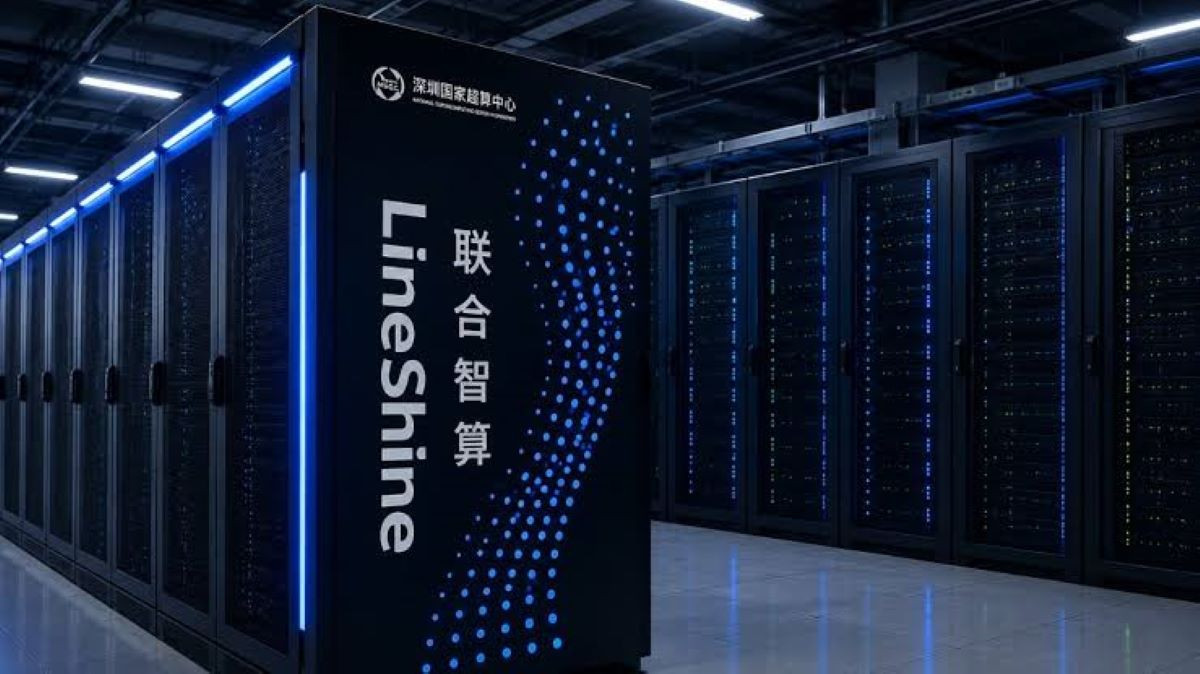
- LineShine supercomputer's 2.198 exaflops performance signals accelerated AI adoption in Chinese e-commerce platforms; sellers must prepare for faster algorithmic competition and demand-forecasting tools powered by domestic AI infrastructure

Overview
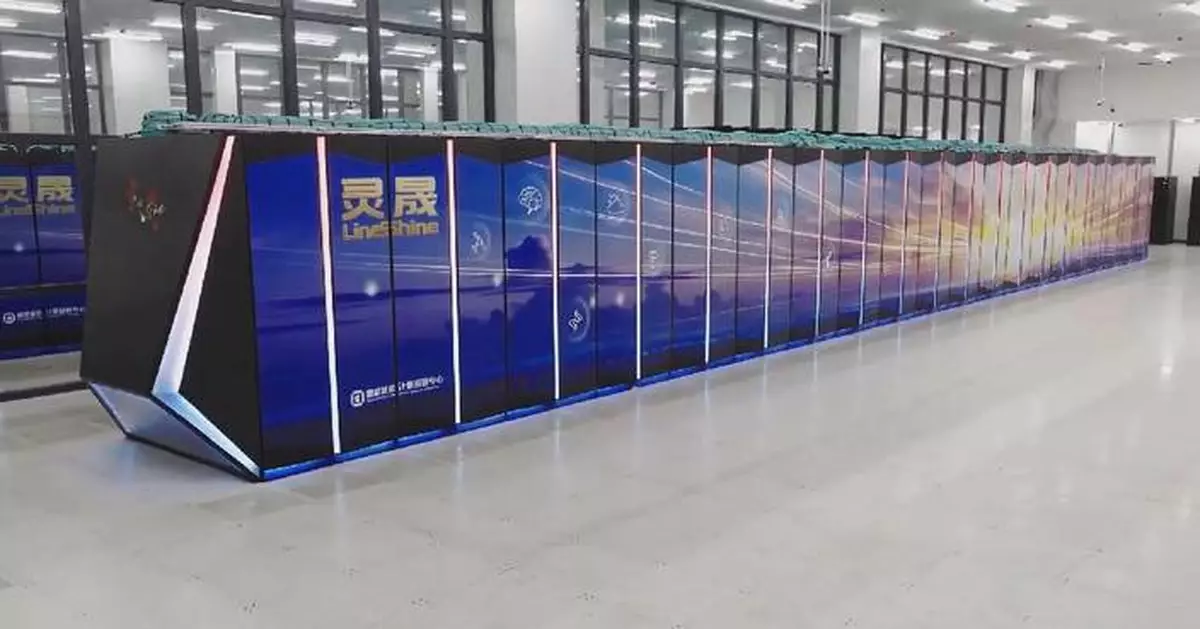
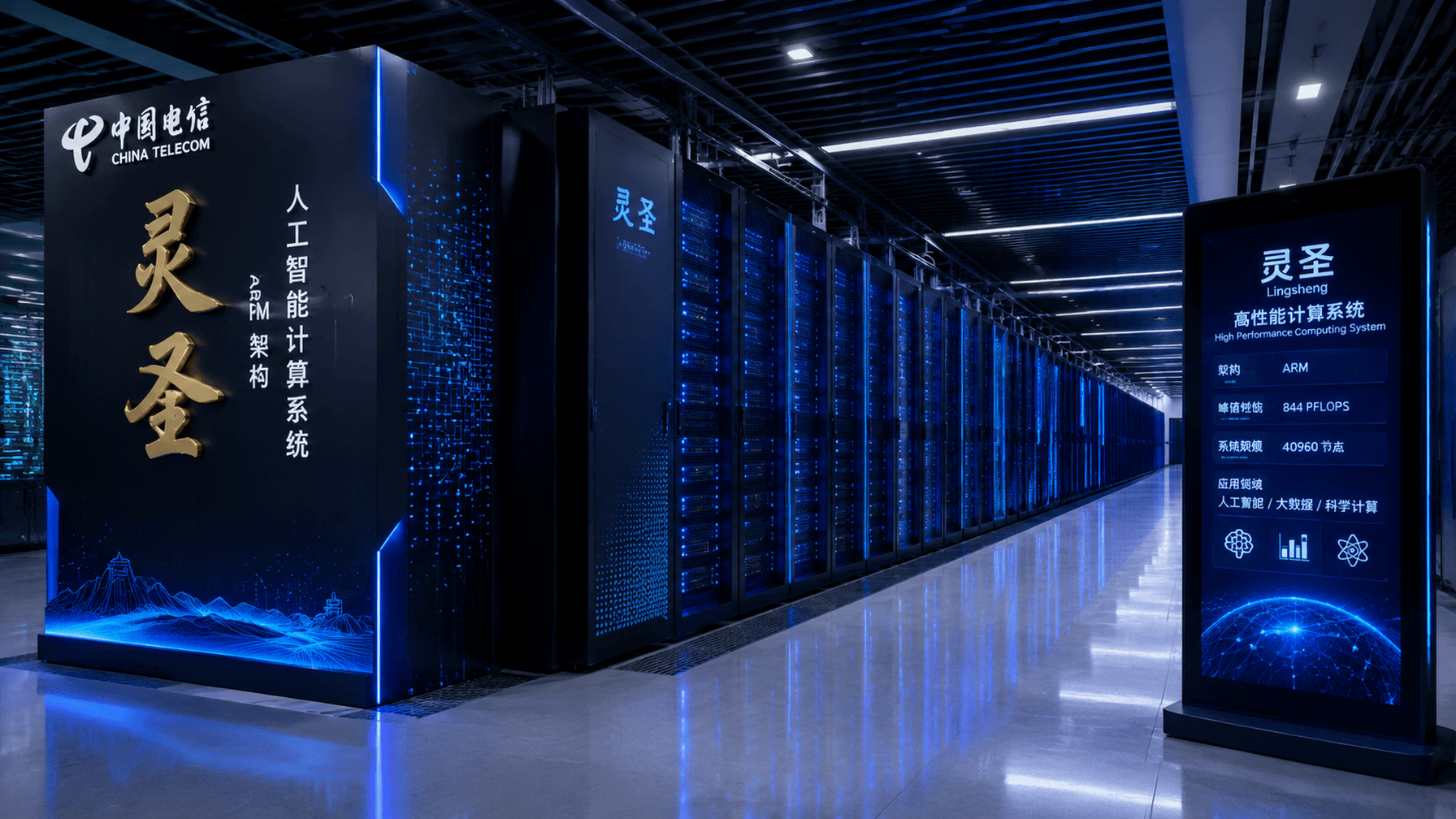
China's LineShine supercomputer achieving 2.198 exaflops—a 20% performance lead over the US El Capitan system—marks a critical inflection point for e-commerce sellers globally. This computational advantage directly translates to faster AI-powered product recommendation engines, dynamic pricing algorithms, and demand forecasting on Chinese platforms like Alibaba, Pinduoduo, and emerging competitors. The Stanford 2026 AI Index Report confirms China has closed the performance gap with the US in AI model development, while leading in patent generation and industrial robot deployment—indicating accelerated automation of logistics and fulfillment operations.
For cross-border sellers, this creates three immediate implications: First, Chinese e-commerce platforms will deploy more sophisticated AI tools faster, including real-time inventory optimization, competitor price monitoring, and customer behavior prediction. Sellers competing on Alibaba, AliExpress, and Shein will face algorithmic advantages favoring domestic sellers with access to these computing resources. Second, US export restrictions on advanced chips (cited as a driver of China's domestic development) will fragment the global AI tool ecosystem—US-based sellers may lose access to cutting-edge Chinese AI analytics tools, while Chinese sellers gain proprietary advantages. Third, industrial robot deployment leadership signals accelerated automation of fulfillment centers in China, reducing logistics costs for Chinese sellers by 15-25% over 2-3 years.
The competitive intelligence angle is critical: Amazon and Microsoft maintain superior AI capabilities today (per Intersect360 Research), but China's supercomputing lead will enable rapid catch-up in e-commerce-specific applications. Sellers should immediately audit their AI tool dependencies—if relying on Chinese platforms' recommendation engines or pricing tools, expect algorithmic changes within 6-12 months. The broader geopolitical context (US-China chip export controls) suggests AI tool fragmentation will accelerate, with separate ecosystems for Western and Chinese sellers. This creates a 12-18 month window for sellers to either: (1) migrate to Western AI tools (Keepa, Helium 10, Jungle Scout for Amazon; Shopify's AI suite), (2) develop proprietary data analysis capabilities, or (3) accept algorithmic disadvantage on Chinese platforms. The cost of inaction is significant—sellers without AI-powered pricing and inventory tools will lose 5-8% market share to competitors with automated optimization within 24 months.
Questions 8
How should sellers position their supply chain to compete with Chinese logistics automation?
Chinese sellers will gain 15-25% logistics cost advantages through industrial robot deployment over 2-3 years. Sellers should: (1) evaluate 3PL providers with automation investments (DHL, XPO, Flexport), (2) consider nearshoring to reduce shipping distances (Mexico for US, Eastern Europe for EU), (3) implement inventory pre-positioning in regional fulfillment hubs, or (4) shift to dropshipping/print-on-demand for low-volume SKUs. For Amazon FBA sellers: monitor storage fees (expect 5-8% increases as Amazon invests in automation), consider converting to Fulfillment by Merchant (FBM) for slower-moving SKUs. Calculate your logistics cost per unit monthly—if Chinese competitors can undercut by 15%+, supply chain repositioning is urgent. Target implementation: 6-12 months.
What specific metrics should sellers monitor to track algorithmic competition from Chinese platforms?
Monitor these KPIs monthly: (1) Buy Box win rate on Amazon/eBay (target: maintain or improve), (2) Conversion rate trends (watch for 5%+ declines indicating algorithmic disadvantage), (3) Average selling price (track competitor price-matching speed—if competitors match within 24 hours, they're using AI), (4) Inventory turnover (slower turnover indicates algorithmic visibility loss), (5) Cost per acquisition (rising CPA signals algorithmic disadvantage in recommendations). Use tools like Helium 10, Keepa, or Algopix to track competitor pricing velocity—if competitors adjust prices 5+ times daily, they're using AI. Set alerts for 10%+ price changes from top 3 competitors. If metrics decline 5%+ quarter-over-quarter, escalate AI tool adoption to urgent priority.