


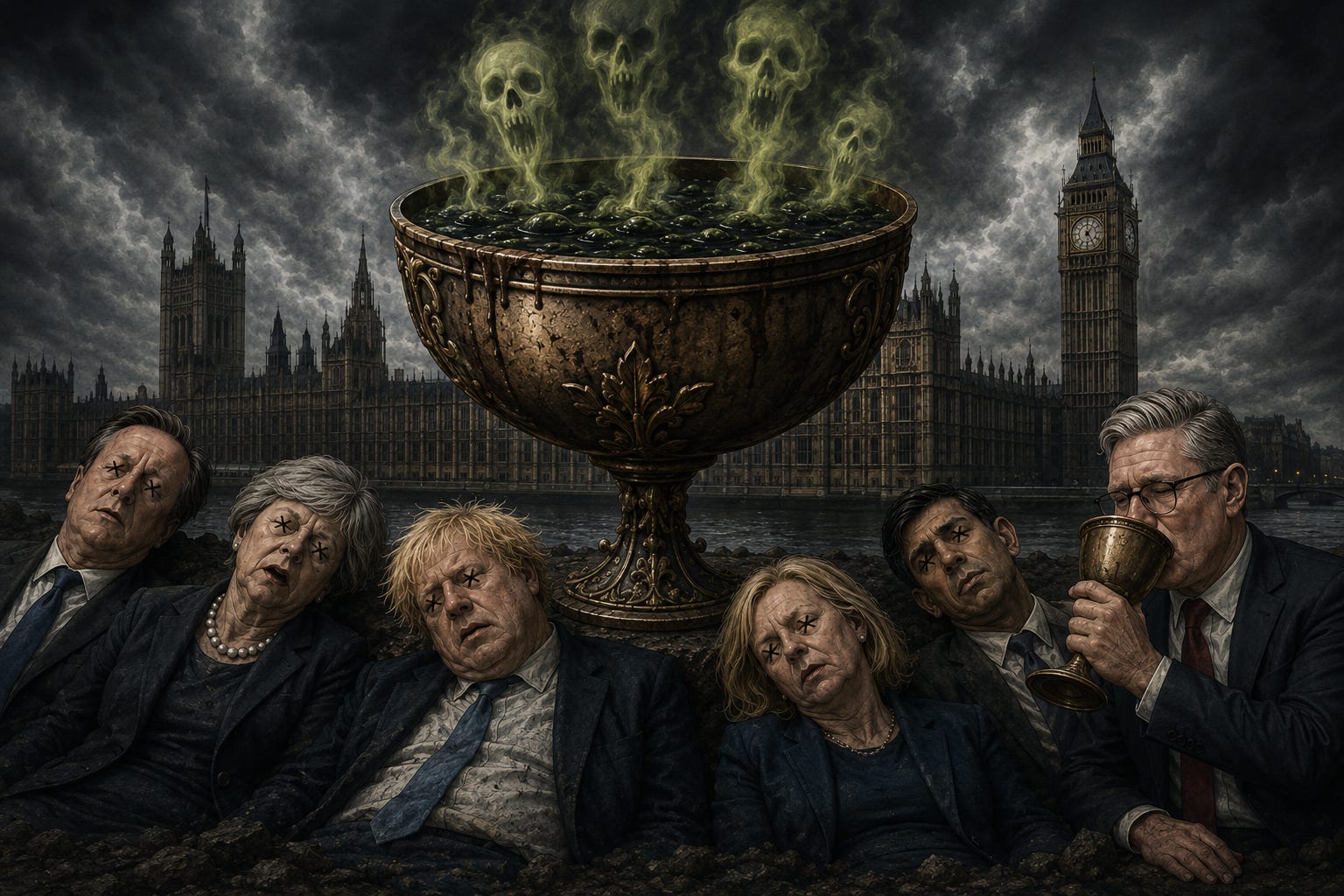



Brexit Economic Fallout Reshapes UK Consumer Spending | Cross-Border Seller Impact
- 4-8% GDP growth loss creates demand shift for value products; UK political instability (6 PMs in 8 years) signals regulatory uncertainty for sellers
Overview
UK political dysfunction stemming from post-Brexit governance challenges is creating measurable economic headwinds that directly impact cross-border e-commerce dynamics. The Guardian analysis reveals Britain has lost an estimated 4-8% of GDP in foregone growth since the 2016 referendum, with six prime ministers serving average tenures under two years—a pattern of instability that extends beyond individual leadership failures to systemic governance breakdown. This economic contraction fundamentally reshapes consumer purchasing behavior and regulatory predictability for sellers targeting the UK market.
The economic impact translates into specific seller opportunities and risks. A 4-8% GDP loss represents approximately £100-200 billion in reduced consumer spending capacity annually, forcing UK buyers toward value-oriented products and away from premium categories. This demand shift particularly benefits sellers in budget electronics, home essentials, and practical apparel categories where price sensitivity increases during economic uncertainty. Simultaneously, the political instability creates regulatory risk: with leadership turnover every 18-24 months on average, trade policy, VAT compliance frameworks, and customs procedures remain in flux. Sellers relying on stable UK regulatory environments face increased compliance costs as each new administration potentially signals policy shifts.
The nationalist political climate documented in the analysis carries indirect but significant implications for cross-border commerce. The rise of anti-immigration rhetoric and Reform UK's prominence signals potential future restrictions on labor-intensive supply chains and potentially stricter customs enforcement. Sellers with manufacturing or logistics operations dependent on EU labor mobility face medium-term uncertainty. Additionally, the political polarization creates consumer segmentation opportunities: nationalist sentiment correlates with preference for "British-made" products, while cosmopolitan demographics show stronger affinity for international brands. This bifurcation allows targeted sellers to position products along cultural identity lines—a strategy increasingly viable as political divisions harden.
Forward-looking sellers should monitor three critical indicators: (1) Sterling exchange rate volatility tied to political announcements—each leadership change historically triggers 2-4% currency swings affecting import costs; (2) UK consumer confidence indices, which typically decline 15-20% during political transitions, signaling reduced discretionary spending; (3) regulatory announcements from the Home Office regarding customs procedures and trade compliance, which have become less predictable under successive administrations. The analysis suggests Andy Burnham as likely successor, but emphasizes that policy continuity requires "clear policy vision" rather than communication skills alone—meaning sellers should expect continued regulatory uncertainty regardless of leadership change.
Questions 8
Which UK product categories show resilience during economic contraction and political uncertainty?
Value-oriented categories demonstrate resilience: budget electronics, home essentials, practical apparel, and DIY/home improvement products maintain demand during economic downturns. Essential categories (groceries, health/beauty basics, household supplies) show 5-10% growth even during contractions. Conversely, luxury goods, premium fashion, and discretionary electronics face 20-30% demand reduction. Sellers should prioritize inventory allocation toward resilient categories, emphasize value propositions in marketing, and consider category diversification away from luxury segments. Amazon category performance data shows home/kitchen and electronics (budget tier) outperforming premium categories during UK economic uncertainty periods.
How does UK consumer confidence decline during political transitions affect seller revenue forecasting?
UK consumer confidence typically declines 15-20% during political leadership transitions, directly reducing discretionary spending and e-commerce purchases. Sellers should adjust revenue forecasts downward by 10-15% during transition periods (typically 2-4 weeks around leadership changes). This affects inventory planning, cash flow projections, and marketing budget allocation. Use GFK Consumer Confidence Index data to track sentiment trends and adjust promotional strategies accordingly—increasing discounts and value messaging during confidence dips to maintain sales velocity while consumer sentiment recovers.