



U.S. Crypto Fraud Enforcement Surge | Payment Compliance Risk for Cross-Border Sellers
- Treasury/DOJ dismantle $14B+ scam networks; FinCEN expands payment processor sanctions affecting seller payment options and KYC requirements through 2026




















Overview
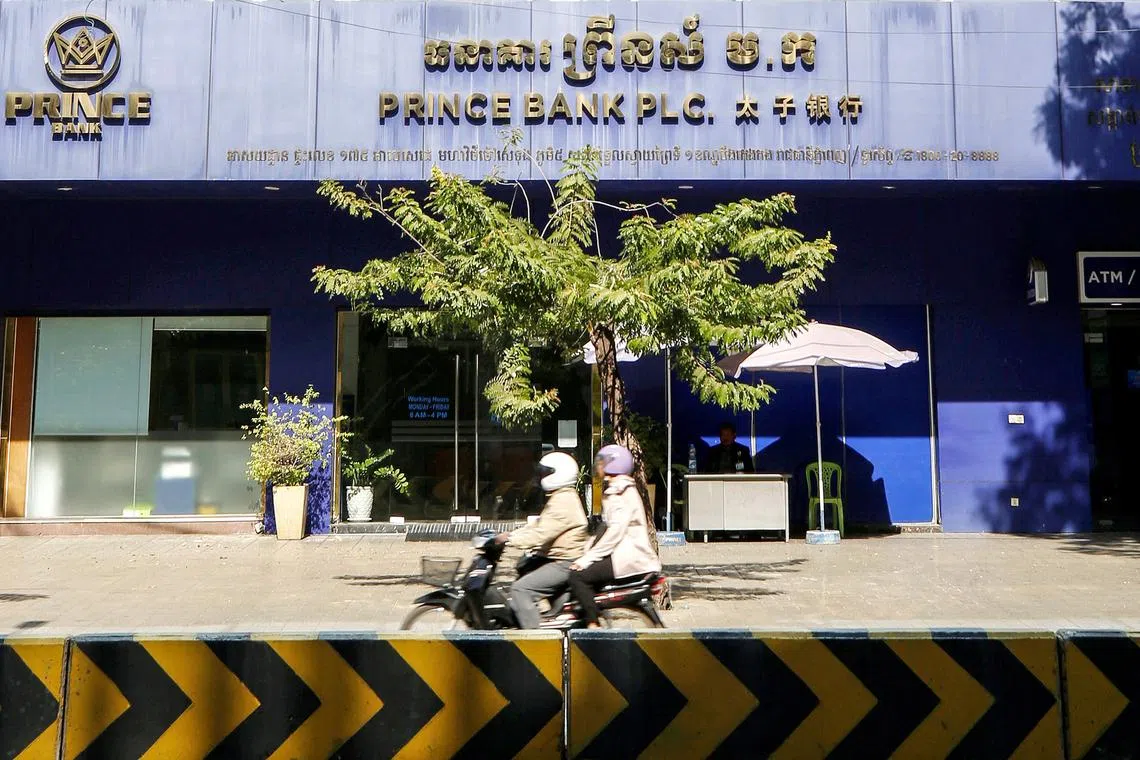
The U.S. Treasury Department and Department of Justice have launched coordinated enforcement actions against transnational criminal organizations (Prince Group TCO and Huione Group) operating cryptocurrency-based fraud schemes that generated at least $14 billion in illicit proceeds during 2024-2025. The Financial Crimes Enforcement Network (FinCEN) has designated 26+ entities and amended the Huione Group Final Rule to include H-Pay Service PLC and affiliated payment processors, establishing them as primary money laundering concerns under the U.S. PATRIOT Act. These enforcement actions signal a critical regulatory shift: U.S. authorities are now targeting payment infrastructure and financial intermediaries rather than just individual perpetrators, with proposed amendments expected to expand designations to additional affiliated entities throughout 2026.
For cross-border e-commerce sellers, this enforcement wave creates immediate compliance friction across payment processing, vendor verification, and geographic risk assessment. The Treasury's designation of 26 entities and FinCEN's infrastructure-layer seizures (including cloud computing accounts powering illicit marketplaces) indicate that payment processors, fintech platforms, and cryptocurrency exchanges face heightened scrutiny. Sellers using alternative payment methods, cryptocurrency-adjacent services, or processors with Southeast Asian exposure may experience account reviews, transaction holds, or service terminations. The $17.2 billion in cryptocurrency investment fraud reported by the FBI Internet Crime Complaint Center in 2025 alone demonstrates the scale driving regulatory pressure—this volume justifies aggressive compliance enforcement that will inevitably affect legitimate sellers' payment options and processing timelines.
The strategic shift toward infrastructure disruption (rather than individual prosecutions) creates a compliance moat for sellers using established, regulated payment processors (Stripe, PayPal, Square, Amazon Pay) while creating friction for those relying on emerging fintech platforms, cryptocurrency payment gateways, or processors with weak KYC (Know Your Customer) protocols. Sellers in high-risk categories (digital goods, cryptocurrency-related products, financial services) face elevated scrutiny. The enforcement actions specifically targeted shell companies across British Virgin Islands, Hong Kong, and Singapore—jurisdictions commonly used for seller business registration—signaling that sellers with corporate structures in these regions may face additional compliance reviews. FinCEN's designation of H-Pay Service PLC as a money laundering node indicates that payment processors lacking robust transaction monitoring and customer verification systems are now enforcement targets, creating liability for sellers using these services.
Questions 7
What timeline should I expect for payment processor compliance reviews?
FinCEN's proposed amendments to expand designations to affiliated entities are expected throughout 2026, indicating compliance reviews will accelerate through mid-year. Payment processors are implementing proactive account audits to identify high-risk sellers and transactions. Expect: initial account reviews within 30-90 days, follow-up documentation requests within 15-30 days, and potential account restrictions if compliance gaps are identified. The enforcement actions specifically targeted money laundering nodes, so processors are prioritizing transaction monitoring and customer verification. Sellers should initiate compliance documentation now rather than waiting for processor requests, as delayed responses may trigger account suspension.
Should I change my business registration jurisdiction to reduce compliance risk?
The Treasury's enforcement actions specifically targeted shell companies in British Virgin Islands, Hong Kong, and Singapore, signaling these jurisdictions face elevated regulatory scrutiny. However, changing business registration is complex and may trigger additional compliance reviews. Instead, focus on: strengthening beneficial ownership documentation, implementing robust transaction monitoring, and maintaining transparent business records. If you currently operate through entities in high-risk jurisdictions, prepare comprehensive documentation demonstrating legitimate business operations. Marketplace platforms are implementing jurisdiction-based risk assessments, so sellers in these regions should proactively submit enhanced compliance documentation to avoid account suspension.