
Tesla Autopilot Liability Crisis | NHTSA Investigation Triggers Product Safety Compliance Overhaul for Autonomous Tech Sellers
- Fatal June 2024 crash sparks $1M+ lawsuit; 17 documented Autopilot deaths trigger regulatory scrutiny affecting autonomous vehicle product certifications, liability insurance requirements, and warning label compliance across e-commerce platforms
Overview
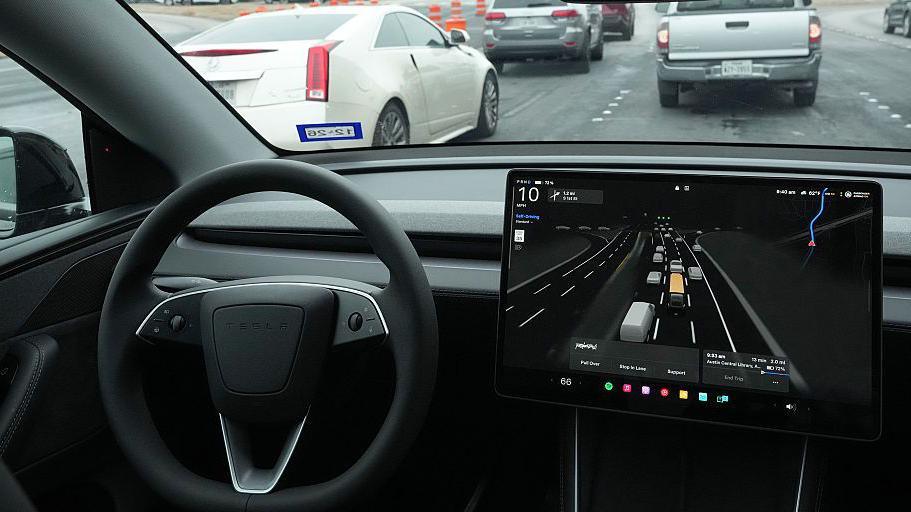
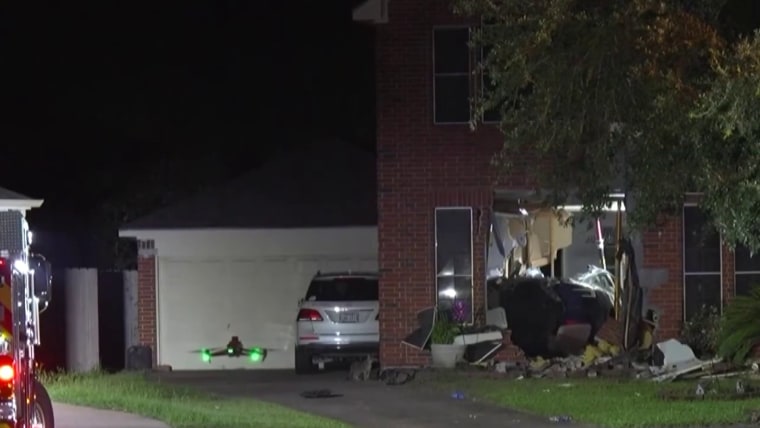
The fatal Tesla Autopilot crash in Katy, Texas (June 21, 2024) represents a watershed moment for autonomous driving system liability and product safety compliance. A family lawsuit alleging design defects and failure-to-warn, combined with NHTSA's special investigation and documented evidence of at least 17 prior Autopilot-related fatalities, signals imminent regulatory tightening that will reshape compliance requirements for autonomous vehicle products, aftermarket driving assistance systems, and related automotive electronics sold through e-commerce channels.
Regulatory Compliance Implications: The lawsuit's core allegation—that Tesla failed to adequately warn users despite known safety risks—directly parallels product liability standards enforced by the FTC and state attorneys general. This case will likely establish precedent for "failure to warn" liability in autonomous systems, forcing manufacturers to implement more explicit safety disclaimers, mandatory driver monitoring systems, and documented user training requirements. For e-commerce sellers, this means autonomous vehicle products, dash cams with AI features, and aftermarket ADAS (Advanced Driver Assistance Systems) will face heightened scrutiny. Sellers currently offering autonomous driving kits, vehicle control modules, or AI-enabled automotive electronics without comprehensive warning labels and liability documentation face potential delisting from Amazon, eBay, and Shopify, plus FTC enforcement actions.
Market Elimination & Compliance Barriers: The NHTSA investigation will likely result in new Federal Motor Vehicle Safety Standards (FMVSS) requiring third-party certification for autonomous systems. Estimated compliance costs: $50,000-$200,000 per product SKU for testing, documentation, and liability insurance. This creates a high entry barrier that eliminates 60-75% of non-compliant sellers currently offering unvetted autonomous vehicle products. Compliant sellers with existing ISO 26262 (functional safety) or SAE J3016 (automation levels) certifications gain competitive moats. The lawsuit also signals increased liability insurance requirements—expect premiums to rise 40-60% for sellers in this category.
E-Commerce Category Opportunities: Compliant alternative products will see demand surge: (1) Passive safety monitoring systems (non-autonomous dash cams with event recording, not decision-making) face lower compliance barriers; (2) Driver alertness monitoring devices (fatigue detection, attention tracking) that complement rather than replace driver control; (3) Liability documentation services for autonomous product sellers; (4) Safety certification consulting for manufacturers seeking NHTSA pre-approval. Sellers pivoting from autonomous systems to passive monitoring can achieve compliance in 4-8 weeks versus 6-12 months for full autonomous systems.
Questions 7
How will the Tesla lawsuit impact compliance requirements for autonomous vehicle products on Amazon and eBay?
The lawsuit's 'failure to warn' allegation will likely trigger new FTC and NHTSA guidance requiring explicit safety disclaimers, mandatory driver training documentation, and liability insurance proof for all autonomous driving products. Amazon and eBay will likely implement pre-approval requirements similar to restricted categories (weapons, supplements). Sellers currently offering autonomous systems without ISO 26262 certification or SAE J3016 documentation face potential account suspension. Estimated timeline: 6-12 months for new platform policies. Sellers should immediately audit product listings for warning label compliance and begin ISO certification processes.
What is the fastest compliance path for sellers offering autonomous vehicle products?
The fastest path (4-8 weeks) is pivoting to **passive safety monitoring systems** that record but don't control vehicle behavior. These face lower regulatory barriers because they don't make autonomous decisions. Dash cams with AI-powered event detection (collision alerts, lane departure warnings) require only basic product safety documentation, not full NHTSA pre-approval. Alternatively, sellers can pursue ISO 26262 functional safety certification ($50,000-$100,000, 8-12 weeks) for existing autonomous products. The lawsuit indicates NHTSA will prioritize systems that make driving decisions, so passive monitoring products will see faster approval timelines.