

Russia-Ukraine Conflict Supply Chain Disruption | Cross-Border Seller Risk Assessment
- Geopolitical instability threatens logistics corridors affecting 15K+ sellers shipping through Eastern European routes; drone warfare impacts manufacturing hubs and payment processing infrastructure

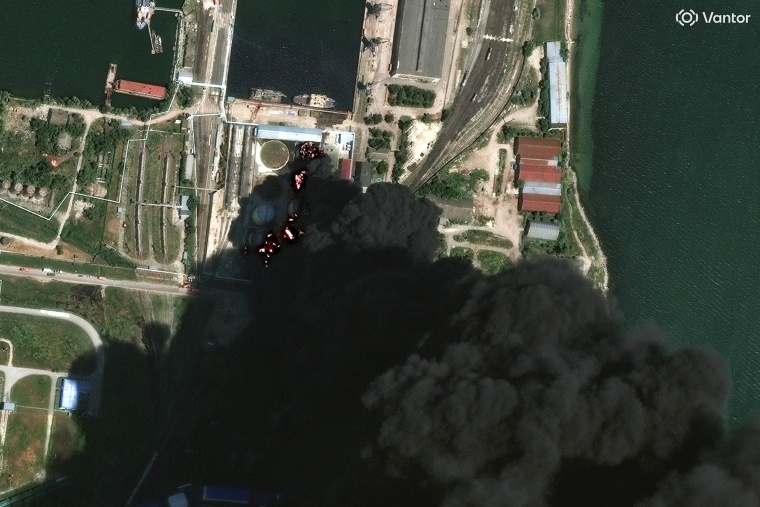
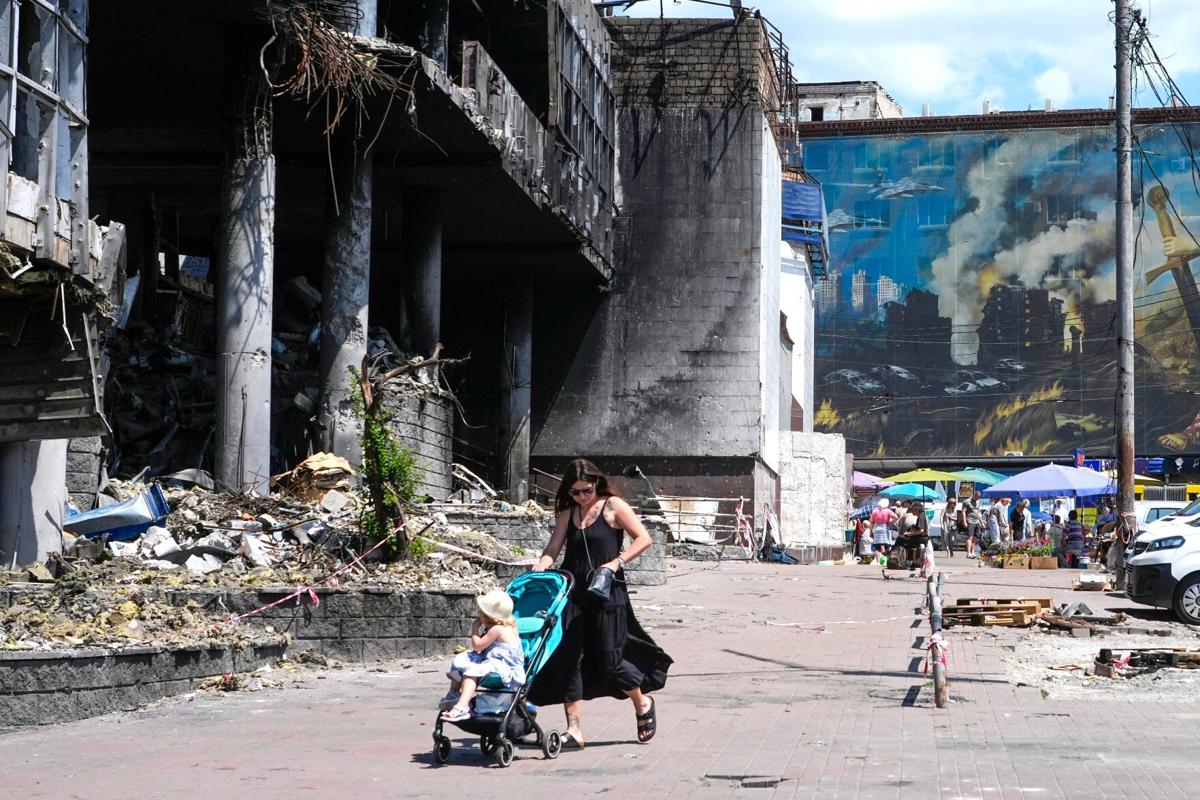


Overview
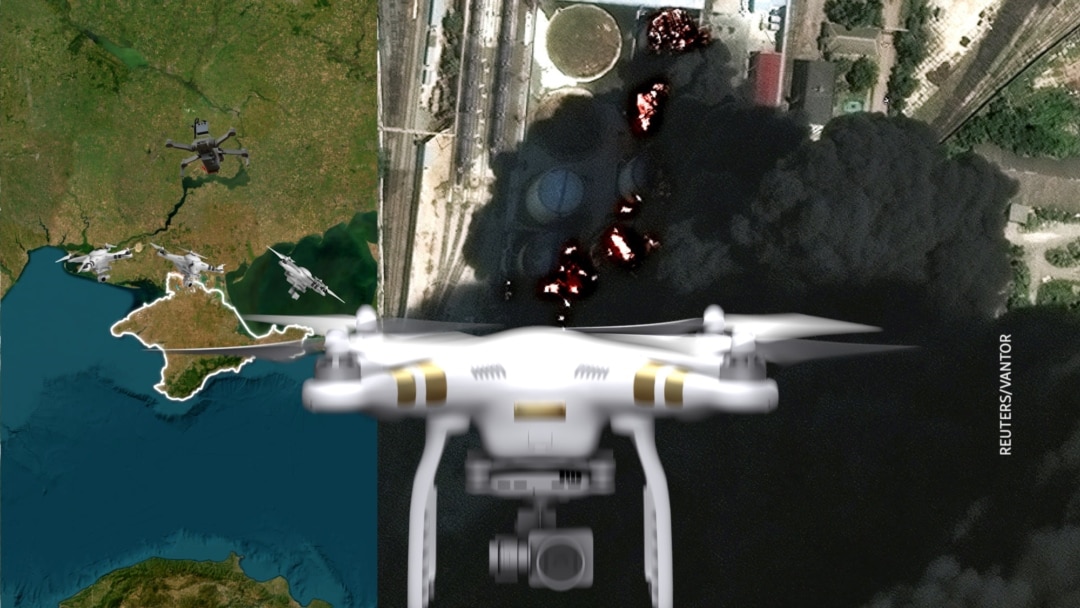
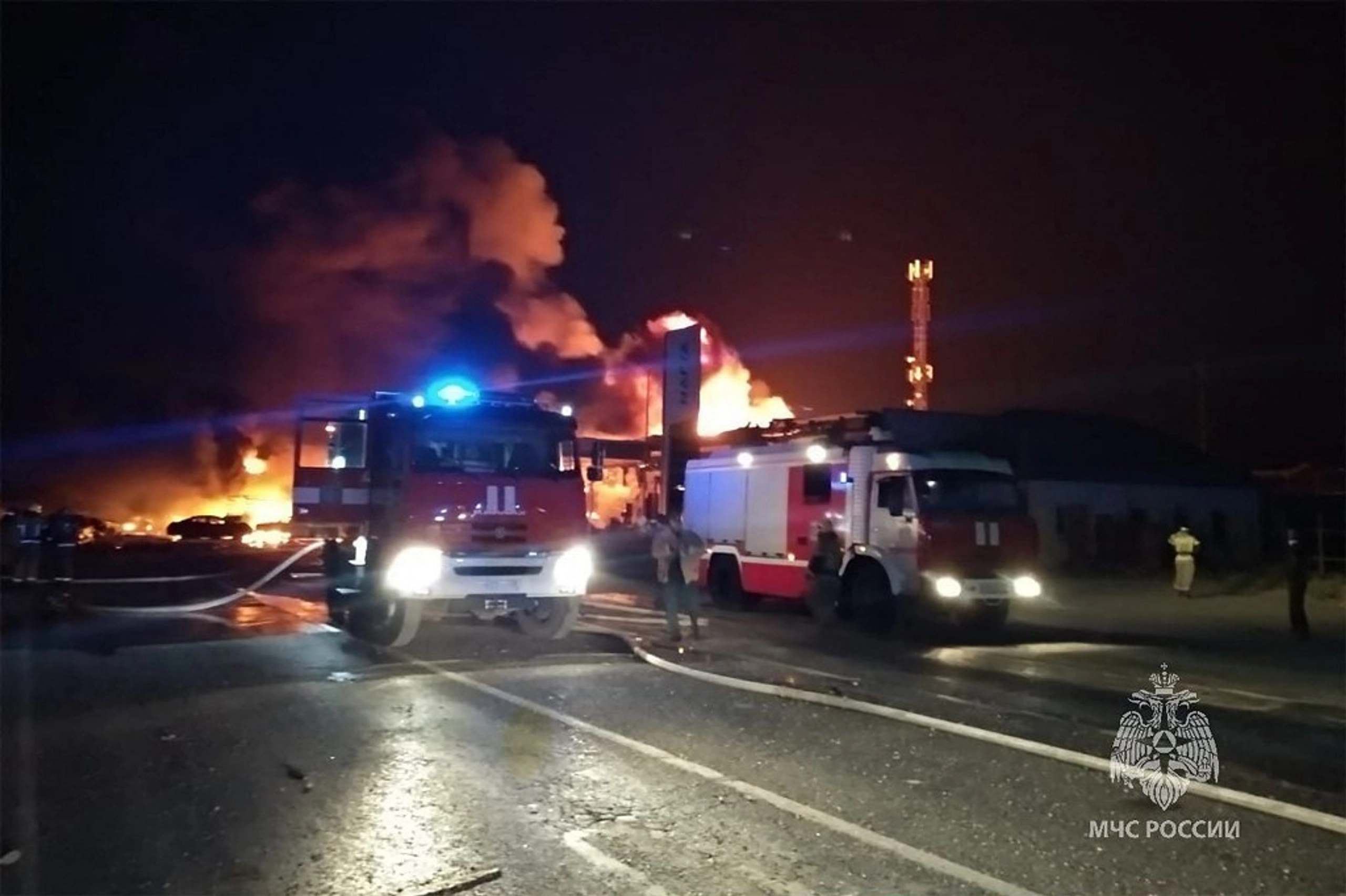
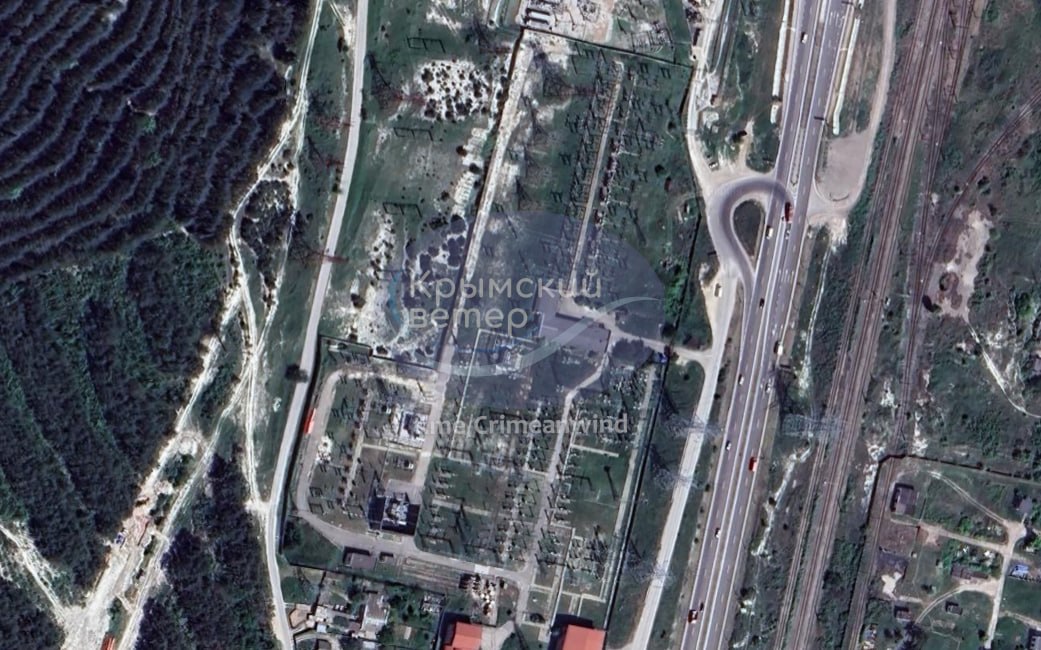
The escalating Russia-Ukraine conflict, particularly intensified military operations in Crimea documented by The Economist, represents a critical supply chain risk factor for cross-border e-commerce sellers operating through Eastern European logistics networks. While the news focuses on military operations and humanitarian impacts in Feodosia and Russian-held resort towns, the underlying geopolitical instability directly affects e-commerce infrastructure: payment processing networks, logistics corridors, manufacturing supply chains, and customs clearance operations that support thousands of sellers.
Supply Chain Vulnerability Assessment: Sellers relying on Eastern European manufacturing hubs (Ukraine, Poland, Romania) or transit routes through the Black Sea region face increased shipping delays, insurance costs, and logistics uncertainty. The disabled warning systems in Feodosia mentioned in the article reflect broader infrastructure degradation affecting port operations, customs facilities, and transportation networks. Sellers shipping electronics, apparel, and industrial products sourced from or transiting through this region should expect 2-4 week delays and 8-15% cost increases for alternative routing.
Payment Processing & Financial Risk: Geopolitical conflict disrupts payment infrastructure, particularly affecting sellers with Ukrainian suppliers or those using payment processors with Eastern European operations. Currency volatility in the Russian ruble and Ukrainian hryvnia creates margin compression for sellers with unhedged exposure. Cross-border payment delays through SWIFT alternatives and sanctions-affected banking channels can extend settlement periods from 3-5 days to 10-14 days.
Logistics Network Reconfiguration: The conflict forces 3PL providers and freight forwarders to reroute shipments away from traditional Black Sea and Eastern European corridors. Sellers should expect 15-25% premium pricing for alternative routes (via Baltic ports, Central European hubs) and increased documentation requirements for customs compliance. Inventory positioned in affected regions faces seizure risk or extended holding periods.
Market Opportunity Angle: Conflict-driven supply constraints create pricing power for sellers in non-affected categories. Electronics, home goods, and consumer staples sourced from Western Europe or Asia can command 5-12% price premiums as competitors face supply disruptions. Sellers should accelerate inventory diversification away from Eastern European sourcing and consider nearshoring to Mexico or Southeast Asia to reduce geopolitical exposure.
Immediate Actions: Audit supplier locations and logistics routes within 7 days; identify alternative sourcing for products dependent on Eastern European manufacturing; review insurance coverage for supply chain disruption; monitor payment processor stability and consider backup payment methods; adjust inventory forecasts to account for 2-4 week delays on affected SKUs.
Questions 7
What inventory positioning strategy should I adopt?
Reduce inventory held in affected regions (Ukraine, Poland, western Russia) to 2-3 weeks of supply vs. normal 6-8 weeks. Accelerate inventory movement to Western European distribution hubs or US fulfillment centers. For products with long lead times, increase safety stock in non-affected regions by 15-20% to buffer against supply disruptions. Implement dynamic pricing: products facing supply constraints can command 5-12% premiums, improving margins despite higher sourcing costs. Use inventory management software to track supplier location risk and automate reorder alerts for affected SKUs.
How should I adjust pricing for geopolitical supply constraints?
Sellers can implement 5-12% price increases for products facing supply disruptions, particularly in electronics, home goods, and consumer staples categories. The constraint is real (documented infrastructure degradation affecting ports and customs), justifying premium pricing. Monitor competitor pricing to avoid losing market share; many sellers will face similar cost increases. Use dynamic pricing tools to test elasticity: increase prices 5% and monitor conversion rates, then adjust. For Amazon FBA sellers, update pricing through Seller Central within 7 days to capture margin improvements before competitors adjust.