





UK Chancellor Selection Signals Major Economic Policy Shift | Cross-Border Sellers Face Sterling Volatility & Tariff Uncertainty
- Political transition by mid-July 2025 creates 3-6 month currency and trade policy uncertainty window for UK-based sellers and those shipping to UK market



























Overview
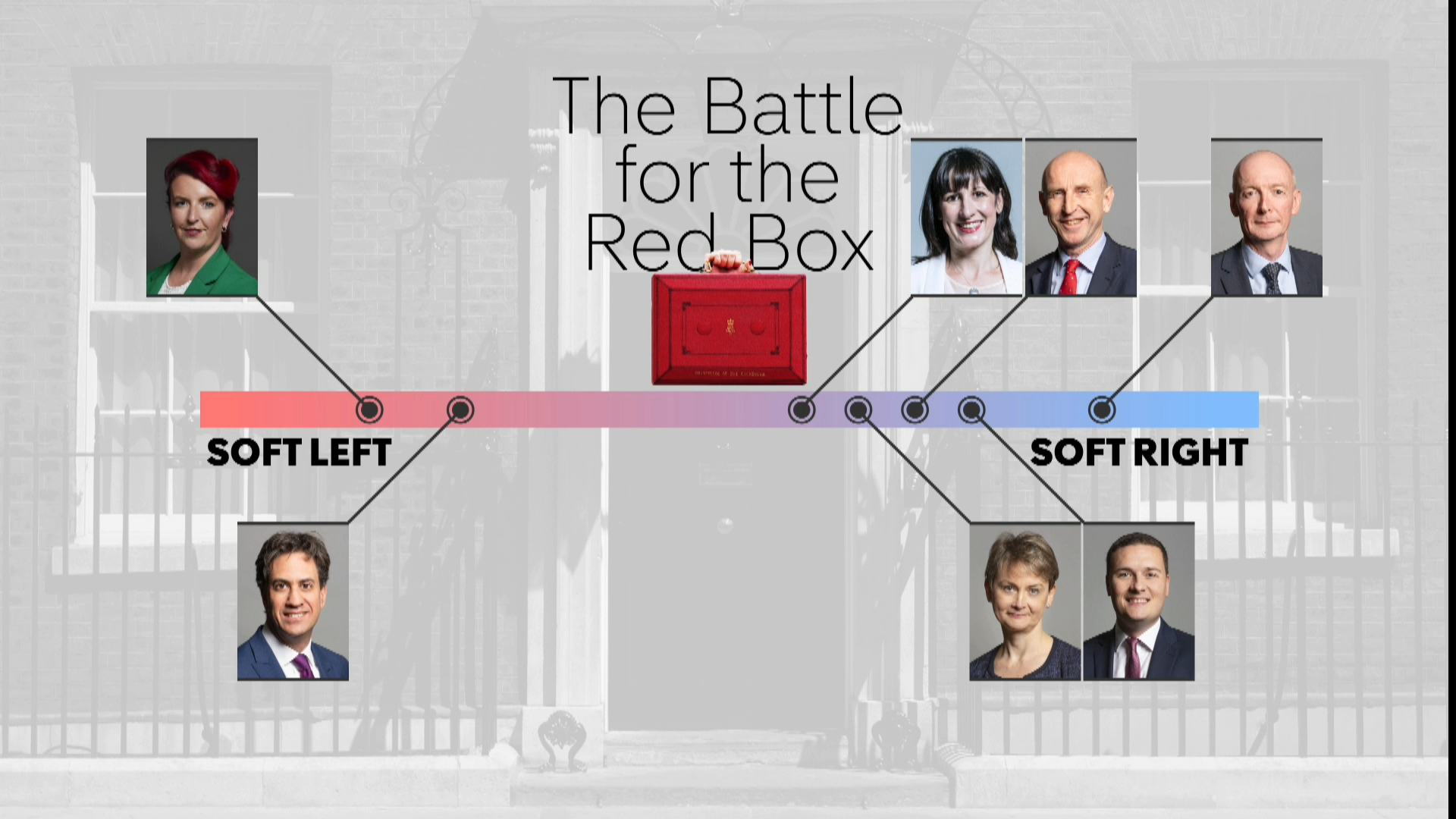
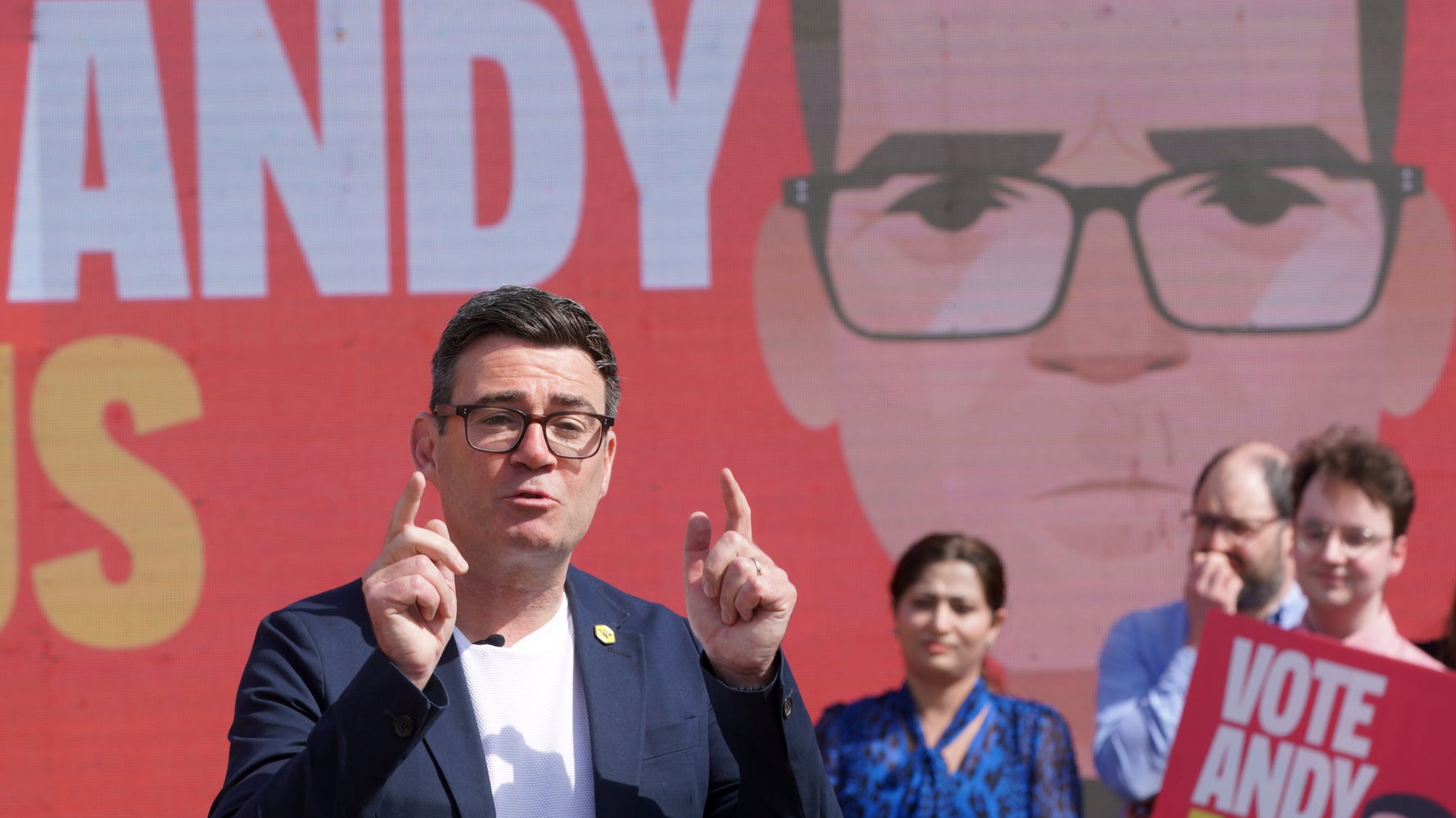
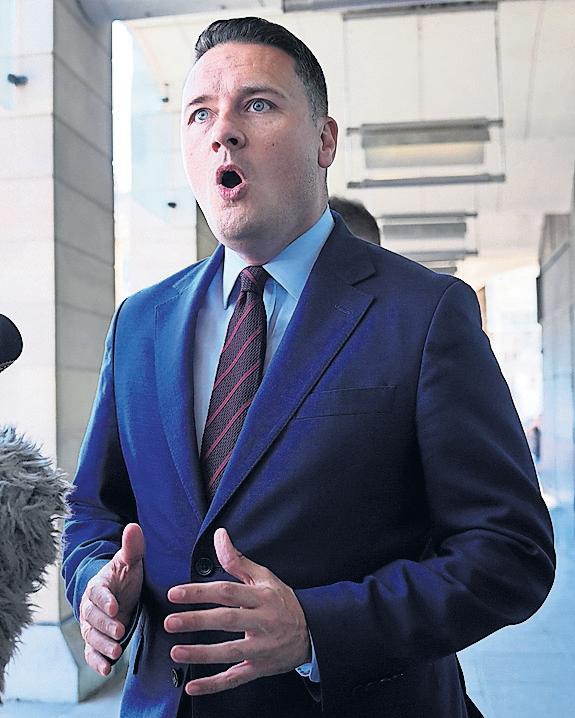
Political Context & Market Implications: Following Sir Keir Starmer's anticipated resignation by mid-July 2025, Andy Burnham's ascension to UK Prime Minister will trigger significant cabinet reshuffling with direct implications for cross-border e-commerce sellers. The chancellor selection—with frontrunners including Wes Streeting (pro-growth, market-friendly policies), Ed Miliband (intellectual authority but inflation concerns), and Pat McFadden (stability-focused)—will fundamentally shape UK economic policy on trade, tariffs, and business investment for 12-24 months.
Economic Policy Divergence & Seller Impact: Different chancellor candidates represent distinct approaches affecting seller operations. Streeting's pro-growth stance could accelerate post-Brexit trade negotiations and reduce tariff barriers, benefiting UK-based sellers exporting to EU markets (estimated 15-20% of UK e-commerce exports). Conversely, Miliband's energy policy focus and inflation concerns may trigger increased business taxes and compliance costs, potentially raising operational expenses 8-12% for mid-market sellers (£500K-£5M annual revenue). McFadden's welfare expertise suggests potential consumer spending constraints, affecting demand for discretionary categories (fashion, electronics, home goods) where UK sellers generate 40-50% of revenue.
Currency & Investment Volatility Window: The 3-6 month transition period (July-December 2025) creates significant sterling volatility risk. Historical precedent shows UK political transitions generate 3-5% currency swings against EUR/USD within 60 days of announcement. For sellers with cross-border operations, this translates to margin compression of 2-4% on EU shipments and potential working capital pressure. Additionally, cabinet changes affecting Business Secretary (Peter Kyle facing removal) and Transport Secretary (Lou Haigh's return) signal potential shifts in logistics regulation and business support programs, creating uncertainty for 3PL partnerships and fulfillment network planning.
Regulatory & Compliance Uncertainty: The incoming government's focus on "welfare reform requirements" and "increased defence spending" (per News 1) suggests potential changes to business rates, employment regulations, and supply chain compliance standards. Sellers should anticipate 60-90 day lag before new policies clarify, creating a monitoring window through Q3 2025. Energy Secretary Ed Miliband's potential retention or promotion indicates continued focus on green compliance standards, potentially affecting packaging requirements and carbon reporting obligations for sellers shipping from UK warehouses.
Questions 8
How might transport secretary changes impact UK fulfillment operations?
Lou Haigh's anticipated return as Transport Secretary signals continuity in logistics policy, but her previous fraud conviction disclosure creates uncertainty about regulatory priorities. The transport portfolio directly affects 3PL licensing, vehicle emissions standards, and delivery zone regulations. Sellers should expect 60-90 day policy clarification lag. Action items: audit current 3PL partnerships for compliance with potential new standards, review vehicle emissions requirements for last-mile delivery, and establish contingency fulfillment arrangements with 2-3 alternative providers by August 2025 to mitigate disruption risk.
What business tax changes should sellers anticipate from the new government?
The incoming government faces 'high debt, low growth' pressures (per News 1), suggesting potential business tax increases to fund 'increased defence spending' and welfare commitments. Historical precedent: UK governments in similar fiscal positions typically raise corporation tax 1-3% and implement new compliance requirements within 90-180 days. Sellers should prepare for potential tax increases affecting 5-8% of operating margins. Immediate actions: conduct tax position audit by August 2025, consult with accountants on restructuring opportunities, and model scenarios with 2-3% tax rate increases to assess profitability impact on different product categories.